
























How Long Do Dyness Energy Storage Products Last? How to Ensure a Long Service Life


Get notified about new updates, products, tips and tutorials. No spam.
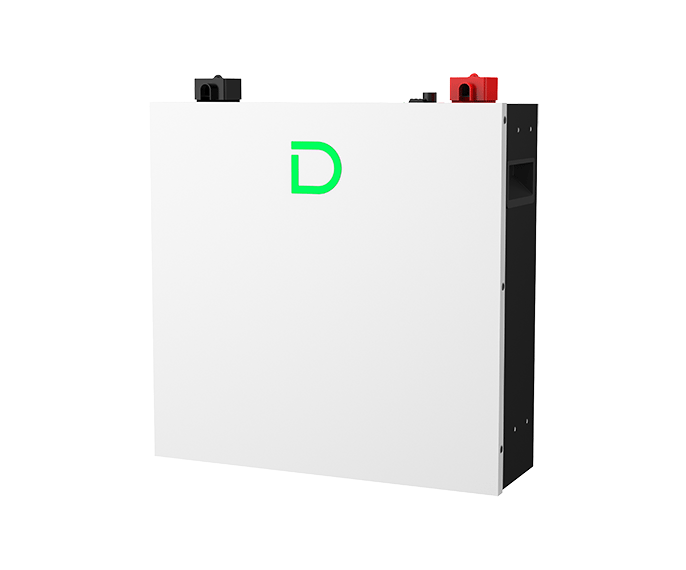
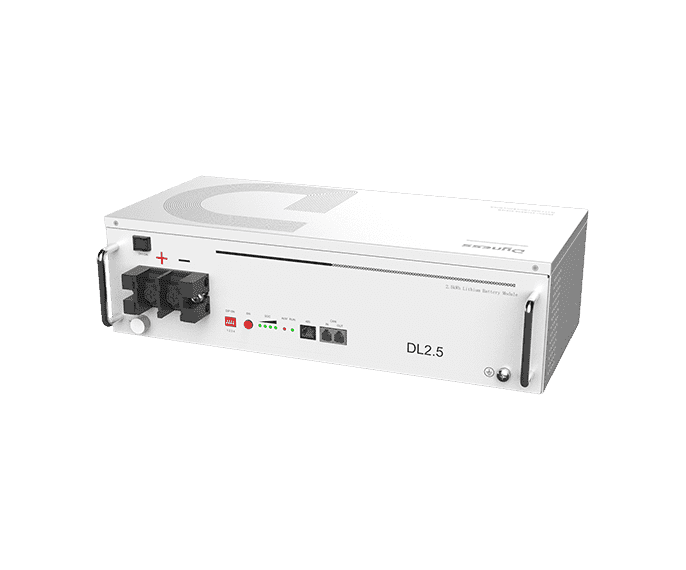
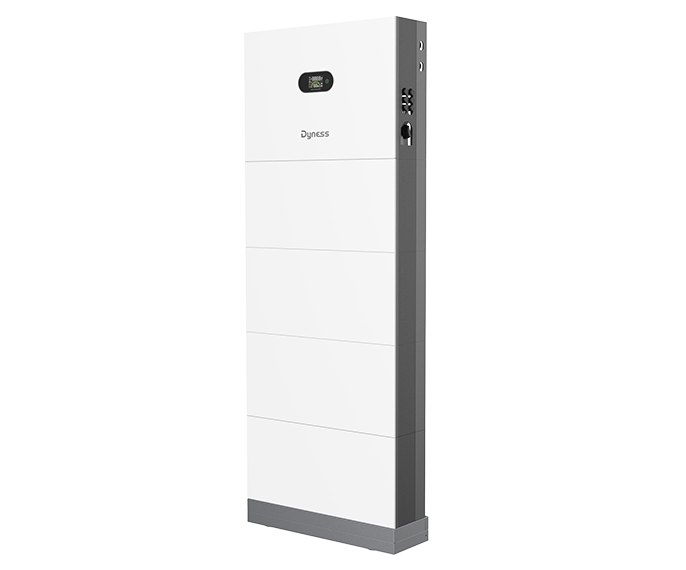
Dyness residential energy storage batteries are designed for long service life, with many mainstream models offering a design cycle life in the range of 7,000 to 10,000 cycles, depending on the specific product and operating conditions.
However, battery lifespan is not determined by cycle count alone. Real-world performance also depends on temperature, charge and discharge rate, depth of discharge, installation environment, inverter compatibility, battery management, and daily usage habits. For homeowners, the key is to choose the right battery system, install it correctly, and use it within a healthy operating range.

What Battery Lifespan Really Means
When users ask how long a home battery lasts, they are usually asking about two different concepts: cycle life and calendar life.
Cycle life refers to how many complete charge and discharge cycles a battery can perform before its state of health, often called SOH, declines to a defined level. In the energy storage industry, this threshold is commonly around 70% to 80% remaining capacity, depending on the product documentation and testing standard.
Calendar life refers to how a battery ages over time, even if it is not fully cycled every day. Chemical aging still happens gradually as electrolyte materials change, internal resistance increases, and battery cells age naturally.
This means a battery does not simply stop working after reaching a certain cycle number. Instead, its usable capacity gradually decreases over time. A battery at 80% SOH is not broken; it simply stores less energy than it did when new and may still be useful for solar self-consumption, backup support, and daily home energy management.
How Dyness Supports Long Battery Service Life
Dyness supports long battery service life through a system-level design approach that combines stable battery chemistry, intelligent battery management, and operating protection.
| Design Layer | How It Helps Battery Lifespan |
|---|---|
| LiFePO4 battery chemistry | Dyness uses lithium iron phosphate battery chemistry in many key residential platforms. LiFePO4 is widely used in stationary energy storage because of its thermal stability, long cycle life, and strong safety characteristics. |
| Intelligent BMS protection | The battery management system monitors voltage, current, temperature, cell balance, SOC, and protection logic to help prevent overcharge, over-discharge, excessive current, and unsafe temperature conditions. |
| System-level operating protection | Battery life is also affected by inverter compatibility, installation location, ventilation, climate, and system settings. A properly designed system helps the battery operate within a safer and more stable range. |
For daily residential use, this design logic helps Dyness batteries support solar self-consumption, home backup, and long-term energy management with more stable performance.
Final performance and operating limits should always be confirmed with the specific Dyness product datasheet, warranty document, and local installation guidance.

Key Factors That Affect Real-World Battery Life
The same battery can perform differently in different homes. Real-world service life depends not only on the product specification, but also on how the battery is installed, configured, and used every day.
| Lifespan Factor | Why It Matters | Recommended Practice |
|---|---|---|
| Temperature | High temperatures may accelerate battery aging, while low temperatures can affect charging behavior. | Install the battery in a dry, cool, shaded, and ventilated area. In cold regions, confirm whether the selected model supports low-temperature operation or heating features. |
| Charge and discharge rate | Frequent high-current operation may increase heat and internal stress. | Avoid unnecessary high-rate charging and discharging in daily use unless the system is designed and configured for that purpose. |
| Depth of discharge | Repeatedly draining the battery to the lowest possible limit may increase long-term stress. | Size the battery so it can support daily needs without being constantly pushed to its limit. |
| Installation environment | Poor ventilation, direct sunlight, heat sources, moisture, or freezing exposure may reduce system performance and lifespan. | Choose an installation location with safe cable routing, maintenance access, ventilation, and protection from harsh conditions. |
| System compatibility | Unapproved inverter or battery combinations may affect communication, protection logic, and long-term reliability. | Use approved inverter and battery combinations, follow installer guidance, and confirm compatibility before expansion or system changes. |
For most homeowners, extending battery lifespan does not require complicated daily operation. It mainly depends on good system design, correct installation, suitable battery sizing, and healthy usage habits.
Common Misunderstandings About Battery Lifespan
Myth 1: A battery rated for 8,000 cycles will always deliver exactly 8,000 cycles in any condition.
Cycle life is usually measured under defined test conditions, such as controlled temperature, specific charge and discharge rate, and a defined depth of discharge. Real-world usage may differ from those conditions. The cycle number is an important reference, but not a fixed guarantee under every possible installation environment.
Myth 2: Fully draining the battery before recharging is better.
Lithium batteries do not need to be fully drained before charging. In many cases, shallow cycling is gentler than repeatedly discharging to the lowest limit. For home energy storage, stable and moderate daily operation is generally better for long-term health.
Myth 3: Fast charging has no impact on lifespan.
High-rate charging can be useful in certain scenarios, but frequent high-current operation may increase heat and internal stress. For daily residential use, moderate charging and discharging is usually a better long-term approach unless the system is specifically designed for higher-rate operation.
Myth 4: If the cycle count is not used up, the battery will not age.
Battery aging also happens over time. Even with fewer cycles, calendar aging can still occur due to natural chemical changes inside the cells. This is why both cycle life and calendar life should be considered when evaluating a battery system.
Myth 5: A battery at 80% SOH is no longer usable.
An 80% state of health usually means the battery still has about 80% of its original usable capacity. It can still operate, but the available energy per cycle is reduced. Whether replacement is needed depends on the household’s actual energy demand and backup expectations.
Myth 6: Warranty period equals guaranteed performance under all conditions.
Warranty terms provide important protection, but usage conditions, installation environment, system compatibility, and maintenance practices all matter. Users should always refer to the official Dyness warranty document, product manual, and sales agreement for the final warranty scope.
Final Takeaway
Dyness residential energy storage batteries are designed for long service life, but actual lifespan depends on much more than the cycle number shown in a datasheet.
Temperature, charge rate, discharge depth, installation environment, system compatibility, battery management, and daily usage all affect how long the battery can perform reliably.
For homeowners, the best strategy is to choose a battery system that matches real household demand, install it in a suitable environment, avoid unnecessary extreme operating conditions, and follow official Dyness installation and usage guidance.
With the right product selection and proper use, a Dyness energy storage system can provide stable, long-term support for solar self-consumption, home backup, and everyday energy management.
FAQ
-
Q: How long is the warranty period for Dyness residential batteries?

A: Many Dyness residential energy storage products offer warranty coverage based on a defined time period or cycle count, depending on the specific model and region. Users should refer to the latest product manual, warranty document, and sales contract for the final warranty terms.
-
Q: How many years does 8,000 cycles represent for a Dyness battery?
A: If a battery completes one full cycle per day, 8,000 cycles would mathematically represent more than 20 years of cycling. If it cycles twice per day, the cycle count would be consumed faster. In real use, temperature, charge and discharge rate, depth of discharge, and calendar aging all affect the actual service life.
-
Q: Will high-temperature environments shorten the life of a Dyness battery?
A: Yes, long-term exposure to high temperatures can accelerate battery aging. In hot regions, users should pay special attention to ventilation, shading, and installation location. A cool, dry, and ventilated environment is generally better for long-term battery health.
Learn More