



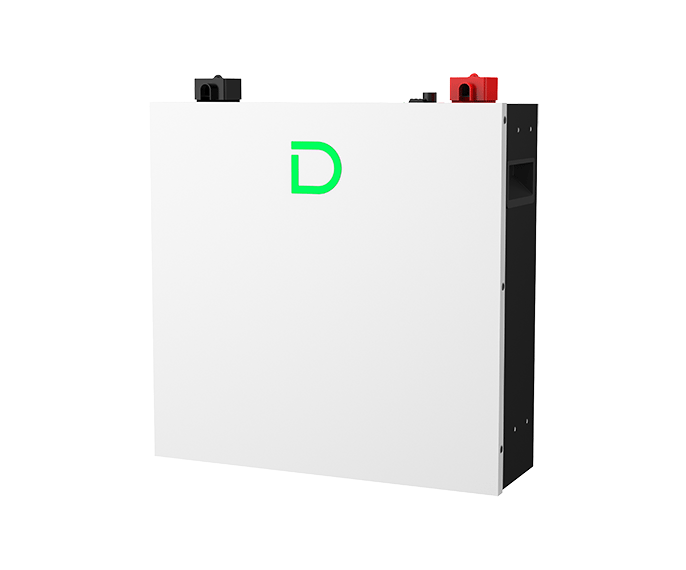


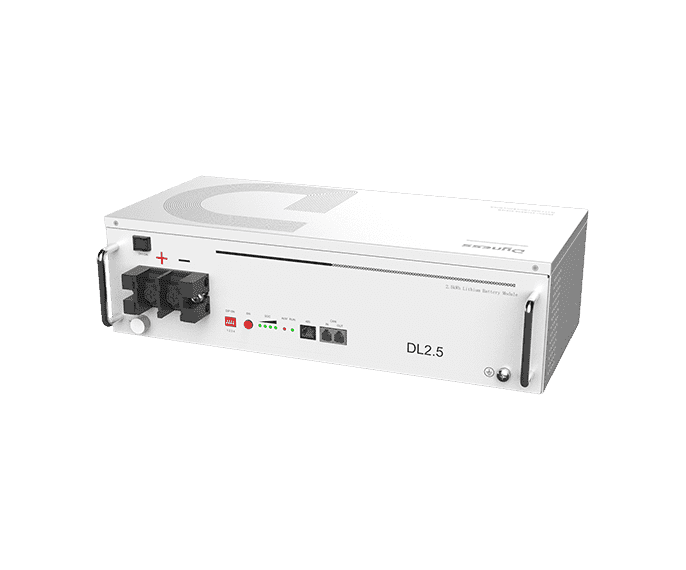

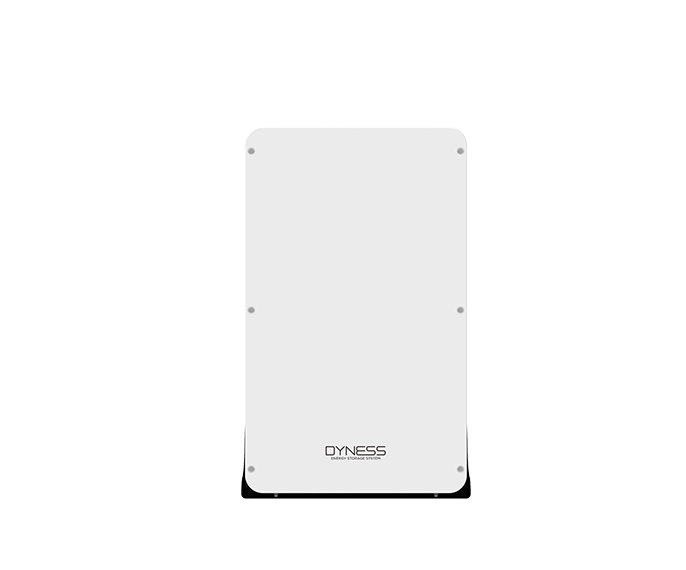
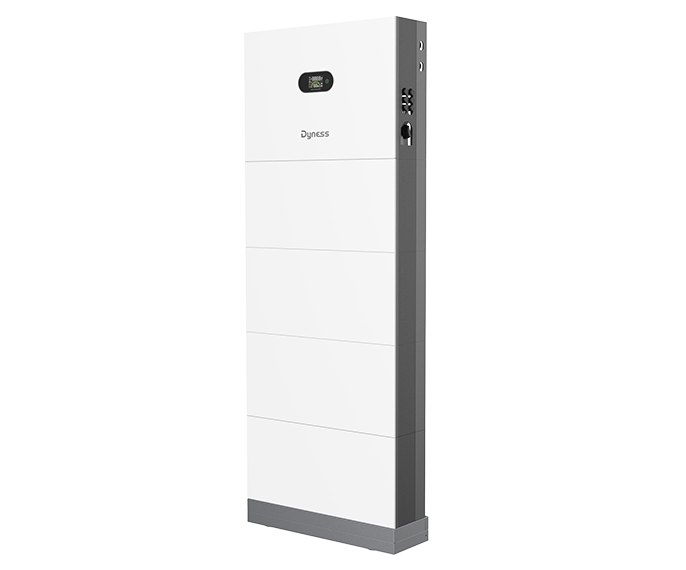


















Modular 48V Lithium Battery for Solar Systems


Get notified about new updates, products, tips and tutorials. No spam.
Embracing renewable microgrids requires hardware that ensures consistent power delivery, operational safety, and long-term stability. For commercial properties and solar energy projects, selecting the right voltage framework is an important step in building a reliable energy storage system.
Low-voltage setups are increasingly favored by system integrators because they can simplify installation, improve maintenance convenience, and support safer operation. A modular 48V lithium battery for solar systems can provide a practical foundation for businesses looking to build scalable, durable, and flexible local energy storage infrastructure.

Why 48V Architecture Fits Solar Storage Applications
Decentralized power networks often use lower voltage frameworks to reduce installation complexity and improve operational safety. Managing electrical distribution at 48V offers a practical balance between transmission efficiency, system safety, and easier maintenance.
Implementing a Low Voltage (LV) Solar Battery Storage system allows commercial facilities and solar projects to build resilient local microgrids without relying on overly complex high-voltage configurations.
This low-voltage architecture provides a secure foundation for businesses that want to improve solar self-consumption, reduce grid volatility, and support stable backup power in daily operations.
LiFePO4 Chemistry Supports Safety and Long-Term Stability
Lithium iron phosphate technology has become a widely used chemistry for stationary energy storage. Built on proven LiFePO4 chemistry, modern 48V lithium battery systems can offer strong thermal stability and long cycle life under frequent charging and discharging conditions.
For solar storage applications, stable cell chemistry is especially important because the battery may need to handle daily charge and discharge cycles, backup operation, and changing load conditions. A reliable chemical foundation helps reduce degradation risk and supports predictable power output over time.
For commercial users, this means the battery system can better support peak shaving, load shifting, and backup reserves while maintaining long-term operational reliability.

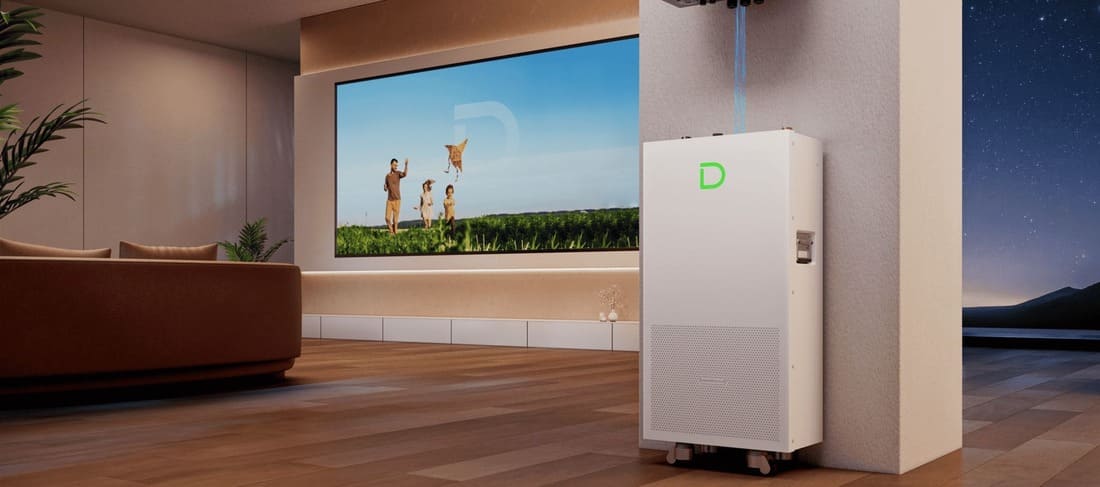
Modular Design Enables Flexible Capacity Expansion
Fixed energy capacity rarely matches the long-term needs of growing commercial and industrial facilities. As solar capacity, equipment loads, or backup requirements increase, businesses often need a storage system that can expand without replacing the entire electrical framework.
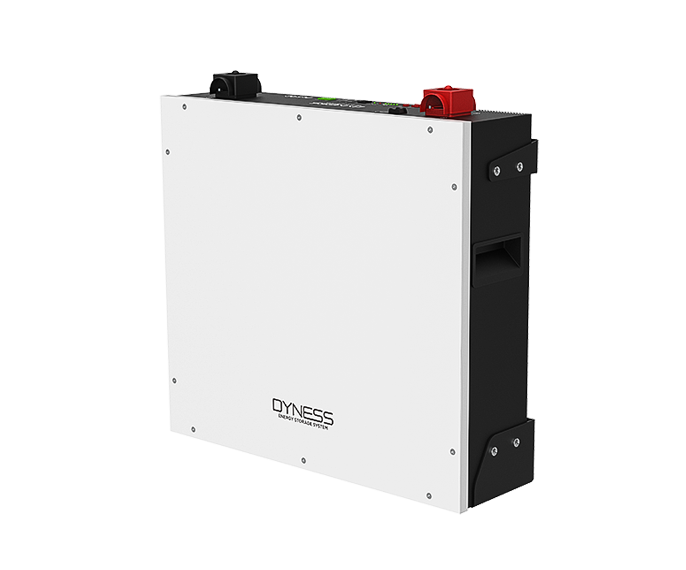
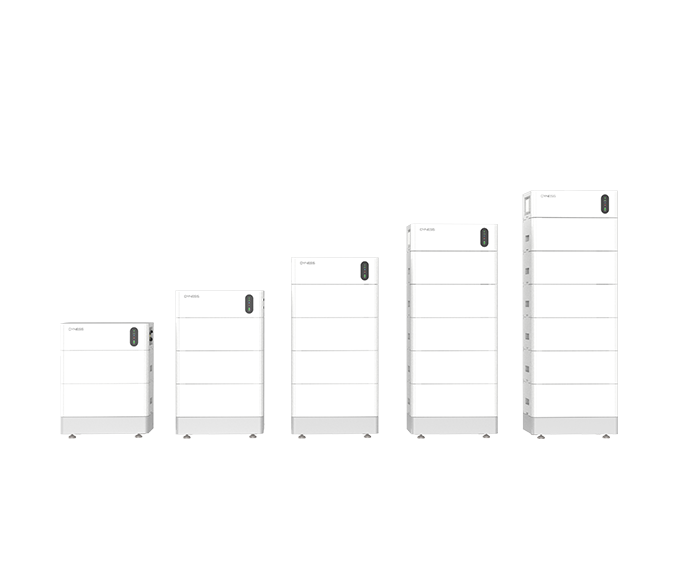
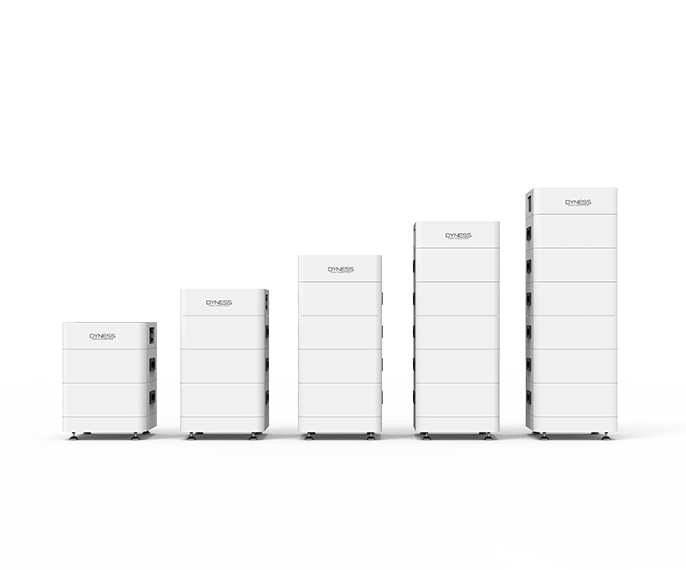
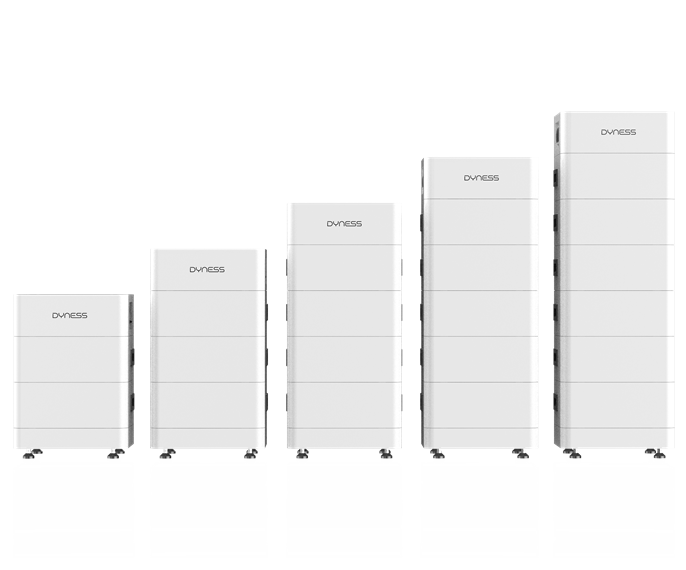
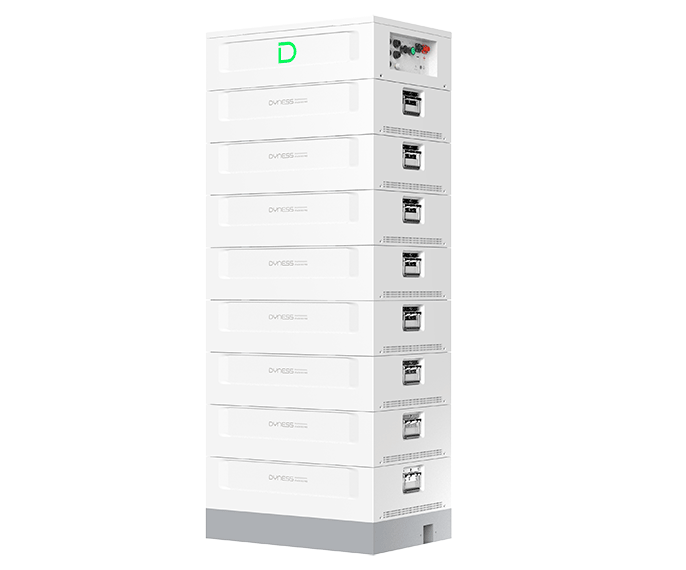
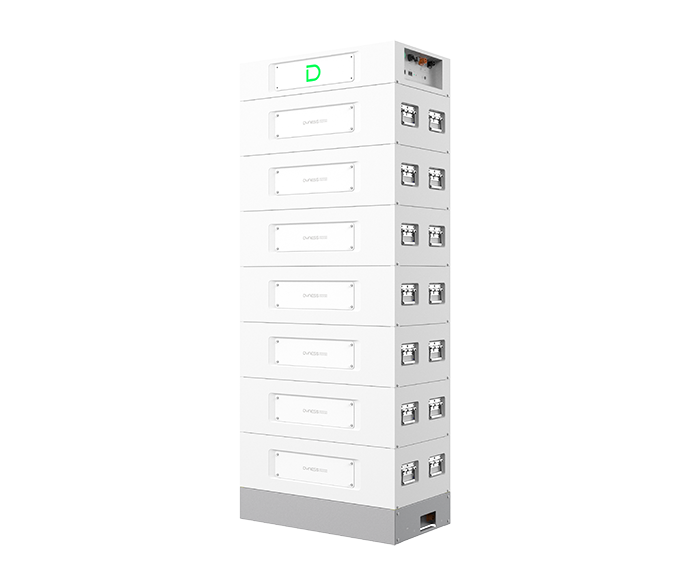
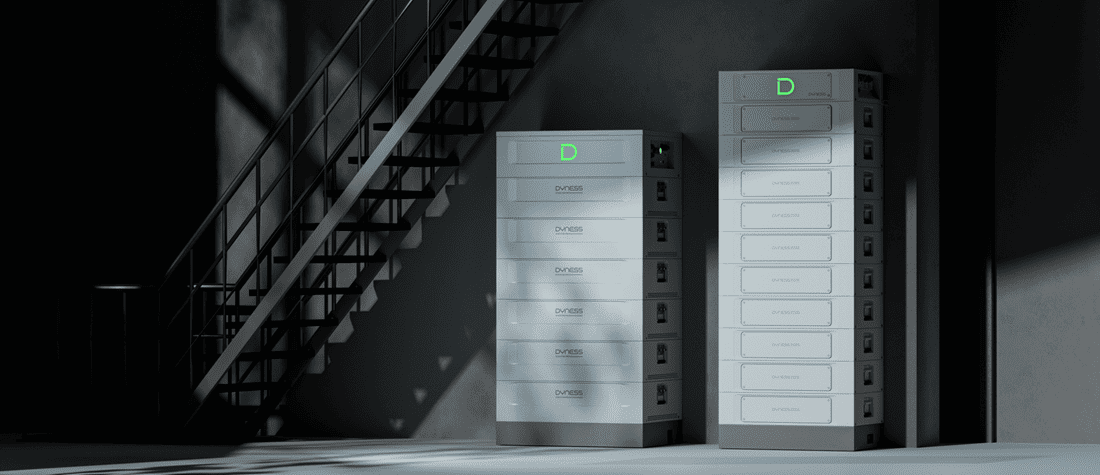
A modular 48V lithium battery for solar systems allows capacity to be increased step by step. Parallel configurations enable multiple battery units to work together as one coordinated storage system, helping users start with a suitable capacity and expand later when project demand grows.
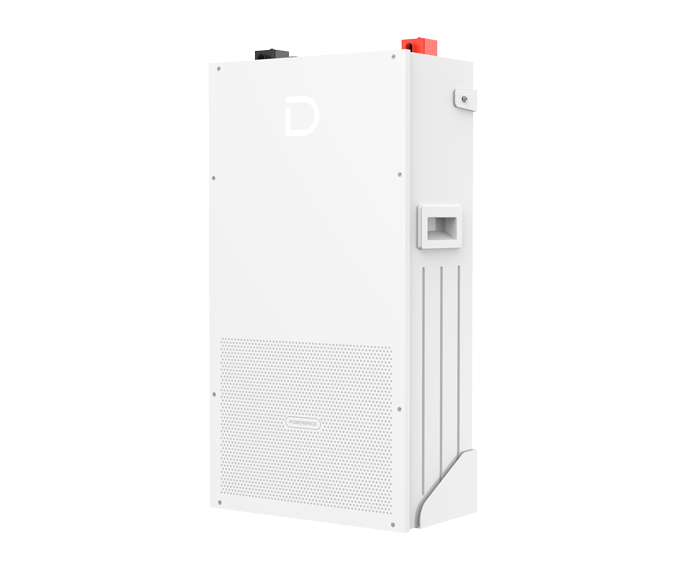
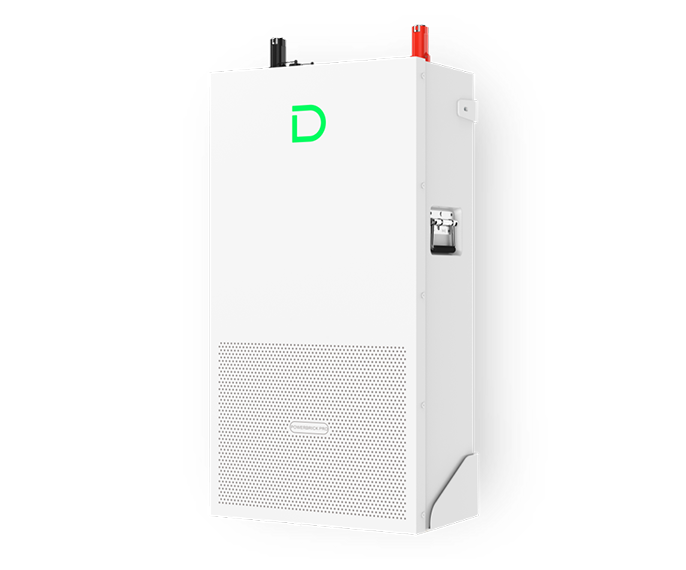
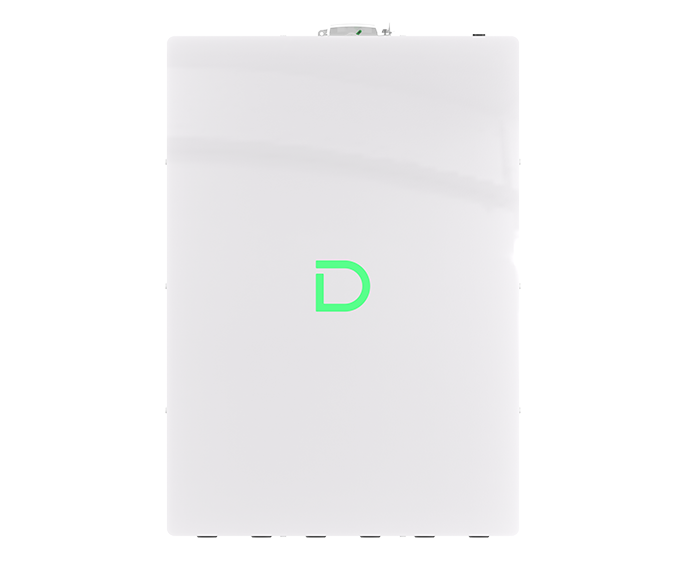
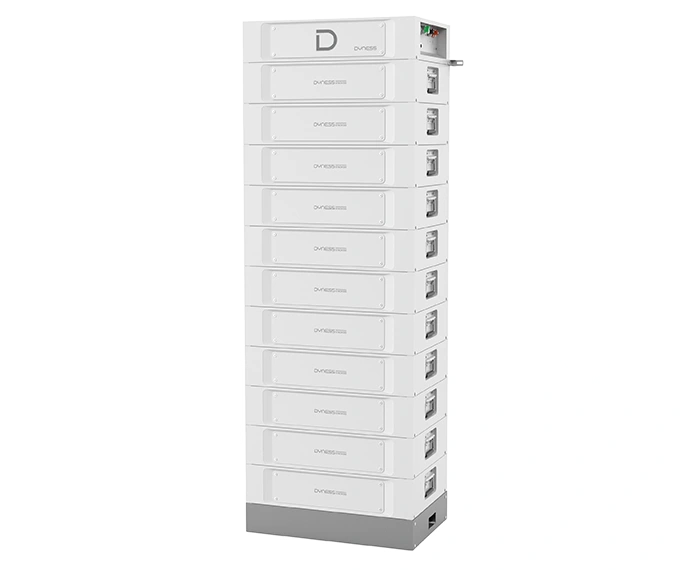
Dyness PowerBrick Pro provides a 14.336 kWh nominal capacity in a compact modular design. It can serve as a building block for larger storage configurations, supporting flexible capacity planning for solar self-consumption, backup power, and commercial energy management.
Environmental Adaptability for Outdoor and Semi-Outdoor Use
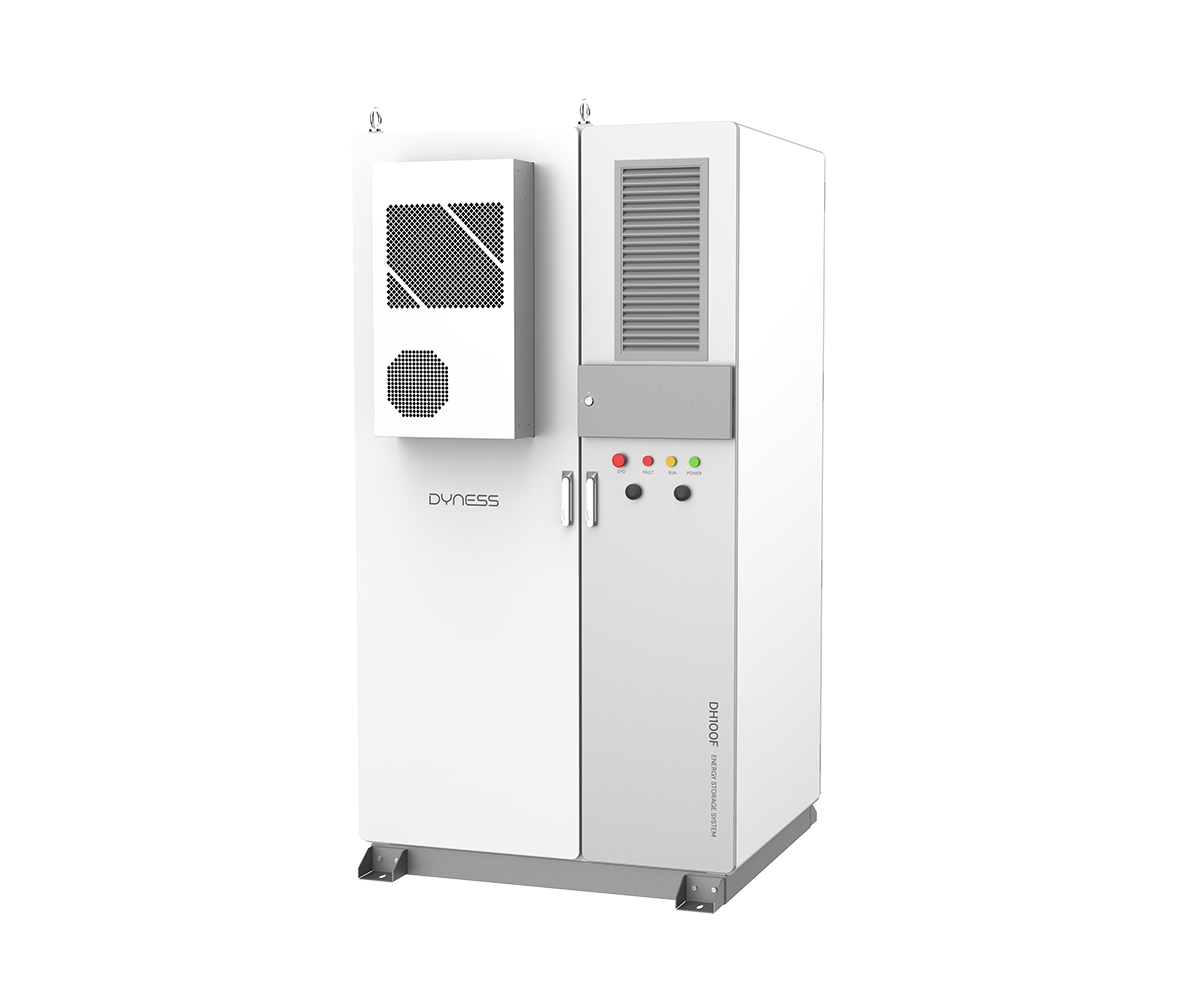
Commercial solar energy storage systems may be installed in open-air yards, rooftop areas, utility rooms, or semi-outdoor industrial spaces. These environments can expose battery systems to temperature changes, dust, humidity, and other operating challenges.
Dyness PowerBrick Pro modular 48V lithium batteries are designed with industrial-grade enclosure protection and an IP65 rating to help resist dust intrusion and water splashes. This supports stable operation in demanding solar storage and grid backup scenarios.
Strong environmental adaptability helps reduce common equipment risks such as electronic aging, poor contact, and performance attenuation caused by complex operating conditions. This makes the system suitable for long-term solar energy storage applications where reliability matters.
Inverter Compatibility and Smart System Control
A battery module cannot operate effectively without stable communication with power conversion equipment. In solar storage projects, communication compatibility between the battery, inverter, and control system directly affects charging efficiency, system protection, and overall performance.
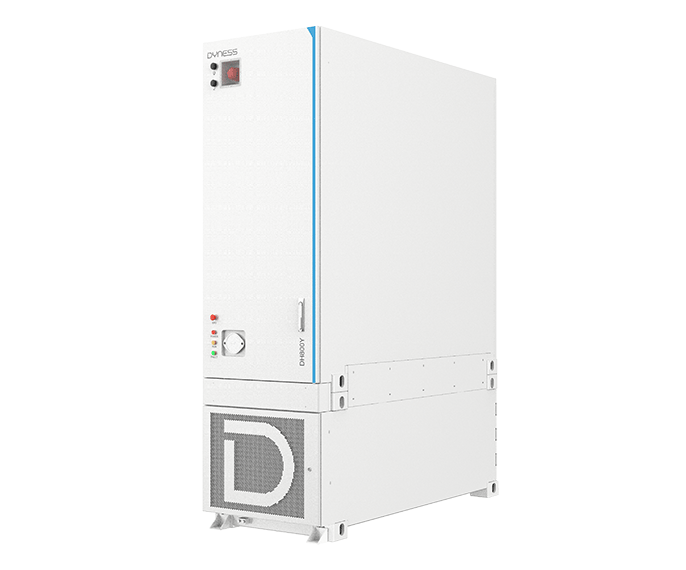
Dyness designs its stationary energy systems to support broad compatibility with major inverter brands used across global markets. This helps simplify installation and commissioning for engineering teams and system integrators.
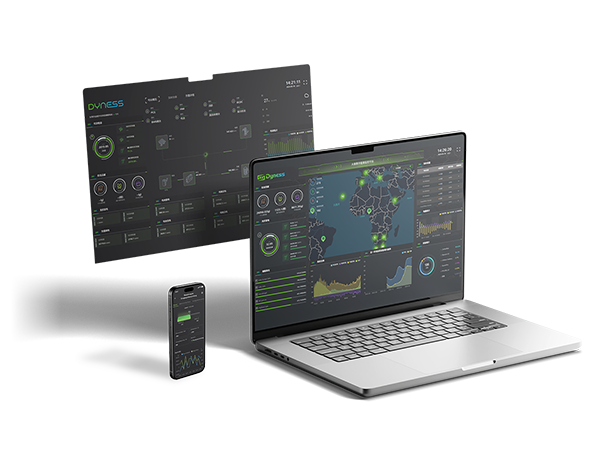
With proper system communication and smart energy management, a Modular 48V Lithium Battery for Solar can better coordinate solar generation, stored energy, backup reserves, and site load demand.
Business Value for Solar Storage and Backup Power
For businesses, the value of a modular solar battery system is not only measured by initial purchase cost. Long-term return depends on capacity retention, low maintenance demand, system longevity, and the ability to support changing energy needs.
At Dyness, we focus on low-maintenance hardware solutions that help reduce total cost of ownership. Modular 48V lithium battery systems can support solar self-consumption, peak shaving, load shifting, and dependable backup reserves for selected loads.
Dyness also provides flexible OEM and ODM services for commercial requirements. By working with B2B clients on energy storage configuration, system layout, and application needs, Dyness helps deliver customized solutions for different site footprints and power demands.
Adopting a modern low-voltage architecture provides commercial users with a practical combination of safety, modularity, and operational resilience. Well-engineered energy storage remains an important foundation for stable solar power use and long-term business continuity.
FAQ
-
Q: How long is the warranty period for Dyness residential batteries?

A: Many Dyness residential energy storage products offer warranty coverage based on a defined time period or cycle count, depending on the specific model and region. Users should refer to the latest product manual, warranty document, and sales contract for the final warranty terms.
-
Q: How many years does 8,000 cycles represent for a Dyness battery?
A: If a battery completes one full cycle per day, 8,000 cycles would mathematically represent more than 20 years of cycling. If it cycles twice per day, the cycle count would be consumed faster. In real use, temperature, charge and discharge rate, depth of discharge, and calendar aging all affect the actual service life.
-
Q: Will high-temperature environments shorten the life of a Dyness battery?
A: Yes, long-term exposure to high temperatures can accelerate battery aging. In hot regions, users should pay special attention to ventilation, shading, and installation location. A cool, dry, and ventilated environment is generally better for long-term battery health.
Learn More