






















51.2V LiFePO4 Home Battery: Complete Guide


Get notified about new updates, products, tips and tutorials. No spam.
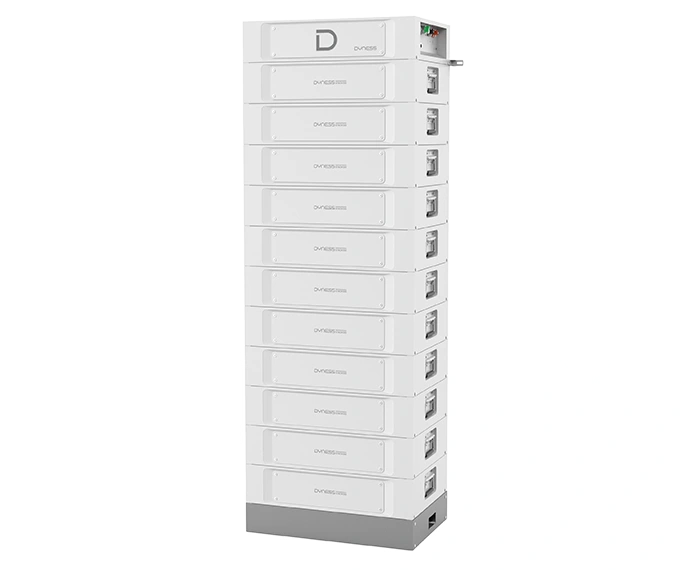
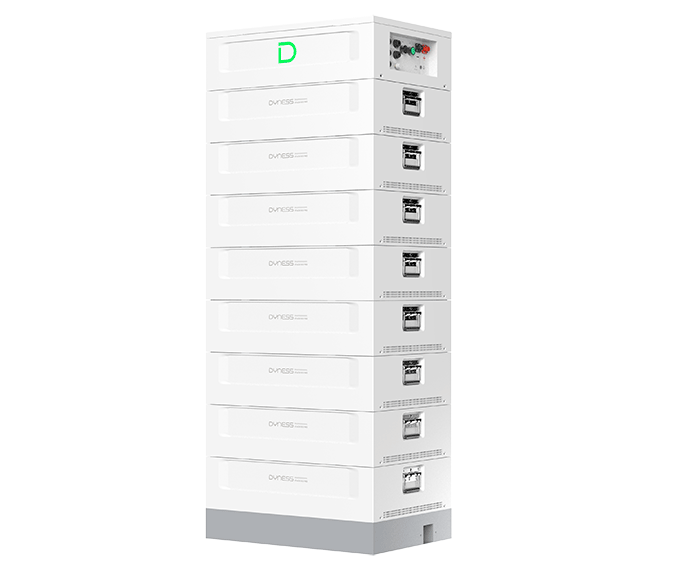
Decentralized power systems are reshaping how modern residential properties manage daily electrical demands. Implementing a reliable 51.2V LiFePO4 home battery allows households to optimize energy consumption, store excess solar generation, and build an independent power layer.
Understanding the technical parameters of these storage assets helps engineers, installers, and distributors design resilient residential energy systems that can handle fluctuating loads, improve backup reliability, and support long-term solar energy use.

Why 51.2V Architecture Matters in Home Energy Storage
Modern residential power systems need to respond to rising electricity costs, changing household loads, and increasing solar adoption. Traditional electrical setups can be vulnerable to macro-grid fluctuations and peak energy pricing, while stationary storage helps balance energy use during high-demand periods.
A 51.2V LiFePO4 Home Battery provides a practical low-voltage foundation for residential energy storage. This voltage architecture is widely used because it balances safety, compatibility, and installation simplicity.
Deploying a Low Voltage (LV) Solar Battery Storage configuration can reduce installation risks for engineering teams, minimize the need for complex high-voltage containment, and simplify system integration for home solar and backup applications.
LiFePO4 Chemistry Supports Safety and Long-Term Performance
Lithium iron phosphate chemistry provides strong thermal stability compared with traditional battery chemistries containing cobalt. Its robust crystalline structure helps maintain stability under continuous electrical and thermal stress, reducing the risk of thermal runaway during demanding operation.
For residential energy storage, this chemical stability is important because the battery may need to handle frequent charging, discharging, solar storage, peak shaving, and emergency backup use. Reliable LFP cells help deliver predictable electrical performance across different environmental and load conditions.
At Dyness, durable LFP cells are integrated to support long cycles and stable capacity retention over time. This helps installers, distributors, and homeowners build energy storage systems intended for long-term, heavy-duty residential deployment.

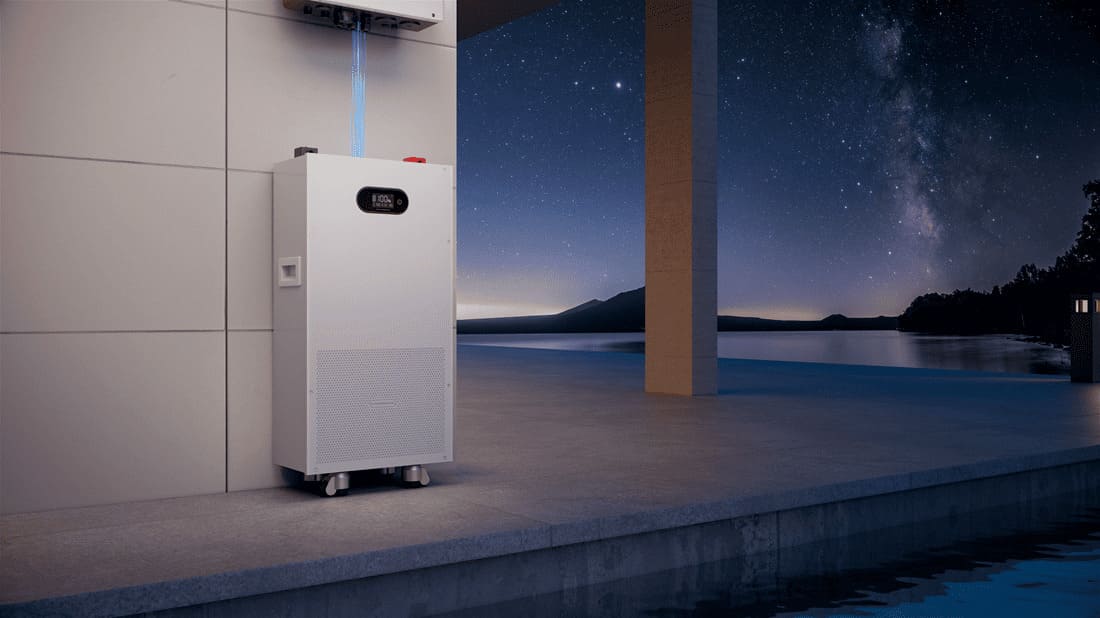
Lower Maintenance, Better Integration, and Smarter Operation
Residential battery systems should not only deliver energy capacity, but also reduce long-term maintenance pressure. Systems that suffer from cell drift, internal faults, or unstable communication can create higher service costs for installers and lower confidence for homeowners.
Dyness focuses on robust construction and smart cell balancing to help minimize manual servicing needs. Preventive internal monitoring supports stable performance, reduces onsite maintenance requirements, and helps protect project margins for B2B partners and regional installers.
Inverter interoperability is also essential. A stationary storage system must communicate smoothly with local power conversion equipment. Dyness designs its low-voltage solar battery storage architectures to align with major global inverter brands, helping reduce commissioning difficulties and support smooth integration into residential solar systems.
Warranty Protection and Scalable Capacity for Growing Homes
When homeowners invest in a 51.2V LiFePO4 home battery, long-term reliability and after-sales protection are important selection factors. Unlike short-term household appliances, residential energy storage systems are long-life assets expected to support daily solar savings, backup power, and peak shaving for years.
Dyness backs its 51.2V LiFePO4 home battery series with a 10-year warranty, providing homeowners with long-term protection for residential energy investments. This warranty coverage reflects the battery’s cycle life, build quality, and stable daily performance under suitable operating conditions.
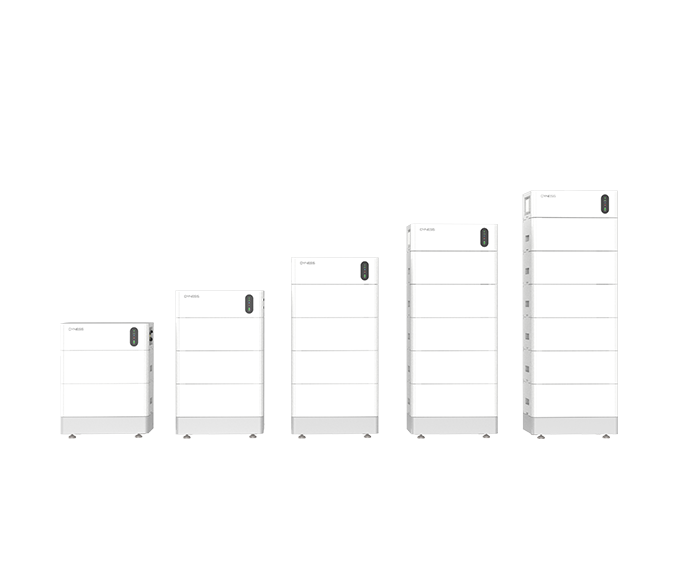
Residential power demand may also grow over time as families add new appliances, expand solar arrays, or increase backup requirements. Modular systems allow engineers and installers to increase total storage capacity step by step, without replacing the entire electrical layout.
The 51.2V LiFePO4 home battery series provides a modular baseline that can scale to meet changing household load requirements. At Dyness, hardware units are designed to support flexible stacking configurations for varied residential site needs.
Conclusion
Optimizing residential energy management requires a combination of stable LFP chemistry, reliable low-voltage architecture, low maintenance design, inverter compatibility, warranty protection, and scalable capacity planning.
A durable 51.2V LiFePO4 home battery can help households store solar energy, improve backup readiness, reduce exposure to grid fluctuations, and support more flexible daily energy use.
For commercial distributors, installers, and system designers, partnering with a flexible OEM and ODM manufacturer helps deliver tailored residential storage solutions that match different regional markets, installation environments, and household energy needs.
FAQ
-
Q: How long is the warranty period for Dyness residential batteries?

A: Many Dyness residential energy storage products offer warranty coverage based on a defined time period or cycle count, depending on the specific model and region. Users should refer to the latest product manual, warranty document, and sales contract for the final warranty terms.
-
Q: How many years does 8,000 cycles represent for a Dyness battery?
A: If a battery completes one full cycle per day, 8,000 cycles would mathematically represent more than 20 years of cycling. If it cycles twice per day, the cycle count would be consumed faster. In real use, temperature, charge and discharge rate, depth of discharge, and calendar aging all affect the actual service life.
-
Q: Will high-temperature environments shorten the life of a Dyness battery?
A: Yes, long-term exposure to high temperatures can accelerate battery aging. In hot regions, users should pay special attention to ventilation, shading, and installation location. A cool, dry, and ventilated environment is generally better for long-term battery health.
Learn More