























In Regions with Large Peak-to-Valley Electricity Price Differences, How to Configure a Dyness System for Better Cost Savings?


Get notified about new updates, products, tips and tutorials. No spam.
In regions with large peak-to-valley electricity price differences, a Dyness energy storage system can help users reduce electricity costs by charging during low-price periods and discharging during high-price periods.
However, better savings do not come from simply choosing the largest battery. The system should be configured according to electricity tariffs, household load profile, solar PV generation, battery capacity, inverter power, backup reserve, and daily charging windows. A well-matched Dyness system can shift more electricity use away from expensive periods and improve the value of solar-plus-storage operation.

Why Peak-to-Valley Tariffs Make Battery Storage Valuable
In many regions, electricity prices are not the same throughout the day. Electricity may be cheaper during off-peak hours and more expensive during peak demand periods.
This creates an opportunity for home energy storage. A battery can charge when electricity is cheaper or when surplus solar power is available, and then discharge when electricity prices are higher.
For households with solar PV, the value can be even stronger. During the day, surplus solar power can be stored instead of exported or underused. In the evening, when electricity demand and grid prices may rise, the stored energy can support household loads.
Dyness energy storage helps turn this price difference into a practical energy management strategy. The goal is not only to store electricity, but to use stored energy at the right time.
Key Configuration Factors for Better Cost Savings
To improve cost savings under time-of-use tariffs, users should configure the system based on real electricity behavior rather than only battery size.
| Configuration Factor | Why It Matters |
|---|---|
| Peak-to-valley price difference | The larger the price gap, the more value can usually be created by charging at lower prices and discharging at higher prices. |
| Household load profile | The system should know when the home uses the most electricity, especially during evening or peak-price periods. |
| Battery capacity | Capacity determines how much low-cost or solar energy can be stored for later use. |
| Inverter power | The inverter determines how much power can be charged or discharged at one time during the target tariff window. |
| Solar PV generation | If the home has solar PV, surplus daytime generation can be stored and used during peak-price periods. |
| Backup reserve setting | Users who need backup power should reserve enough battery energy for outages instead of using all capacity for tariff savings. |
The best configuration should balance cost savings, solar self-consumption, backup needs, and battery health. It should also follow local electricity rules and inverter operating requirements.
How to Set Charging and Discharging Strategies
In a peak-to-valley tariff scenario, the basic operating logic is to charge when energy is cheaper or available from solar, and discharge when grid electricity is more expensive.
| Operating Strategy | How It Works | Best Fit |
|---|---|---|
| Off-peak grid charging | The battery charges during low-price electricity periods and stores energy for later use. | Homes in regions where off-peak electricity is much cheaper than peak electricity. |
| Peak-period discharging | The battery discharges when electricity prices are high, reducing grid purchases during expensive periods. | Households with high evening demand or clear peak tariff periods. |
| Solar-priority charging | Surplus PV generation charges the battery first before grid export, depending on system settings and local rules. | Homes with rooftop solar PV and meaningful daytime surplus generation. |
| Backup reserve control | A portion of battery capacity is reserved for outage protection rather than used fully for tariff arbitrage. | Homes that value both electricity savings and backup security. |
For example, a home may charge the battery from solar during the day, top up from the grid during off-peak hours if allowed, and discharge during evening peak-price periods. The exact strategy depends on tariff rules, inverter settings, battery capacity, and household load habits.
标题列:4. How to Choose the Right Dyness Product Direction 正文代码:
Different households need different Dyness system configurations. The right product direction depends on daily electricity use, PV system size, evening load, backup expectations, and whether future expansion may be needed.
| User Scenario | Possible Dyness Direction | Configuration Focus |
|---|---|---|
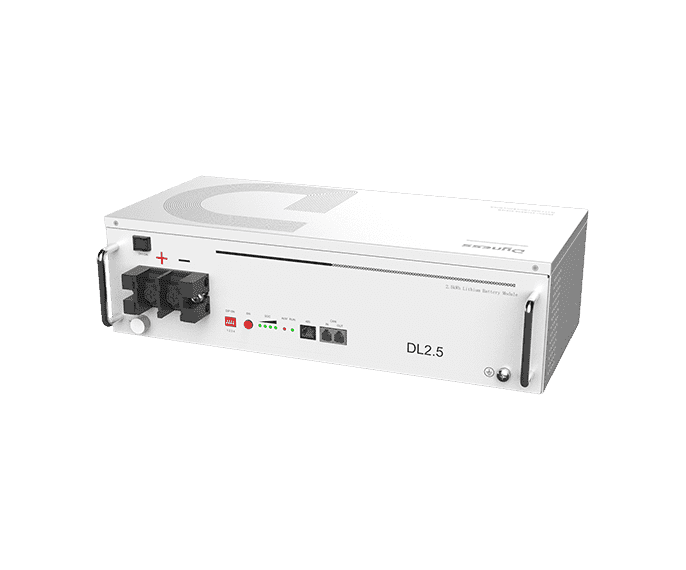
| Standard home with moderate evening demand | DL5.0C, PowerBox G2, PowerBrick, or other suitable low-voltage residential platforms. | Balanced capacity, inverter compatibility, daily cycling, and solar self-consumption. |
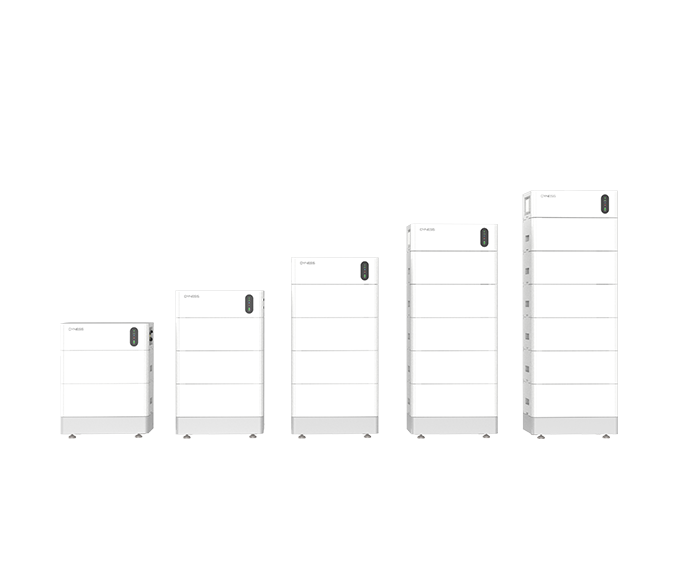
| Home with high evening load or larger PV system | Expandable low-voltage system or modular high-voltage system depending on power and capacity needs. | Usable capacity, charge/discharge power, peak-period coverage, and future load growth. |
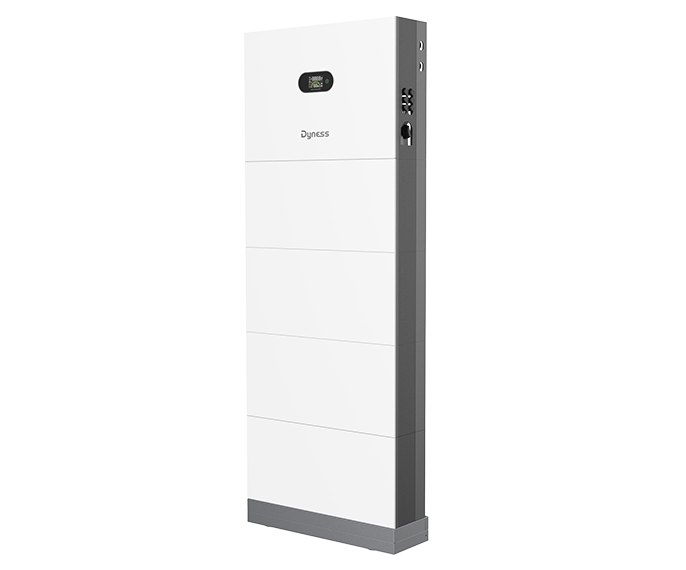
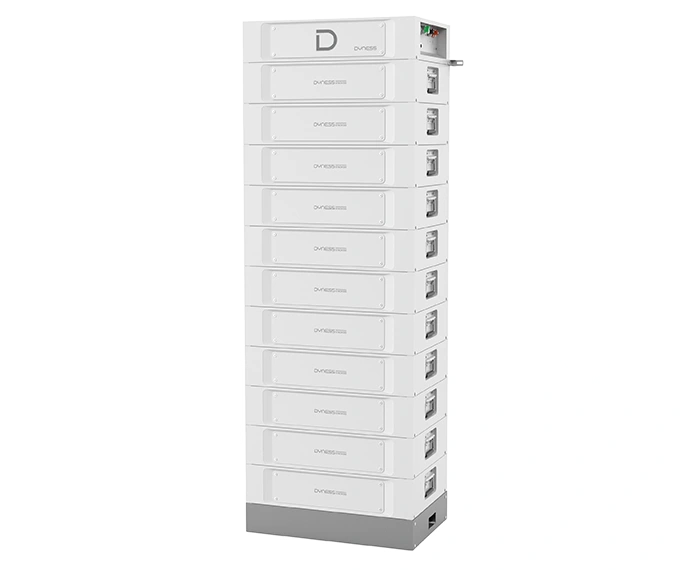
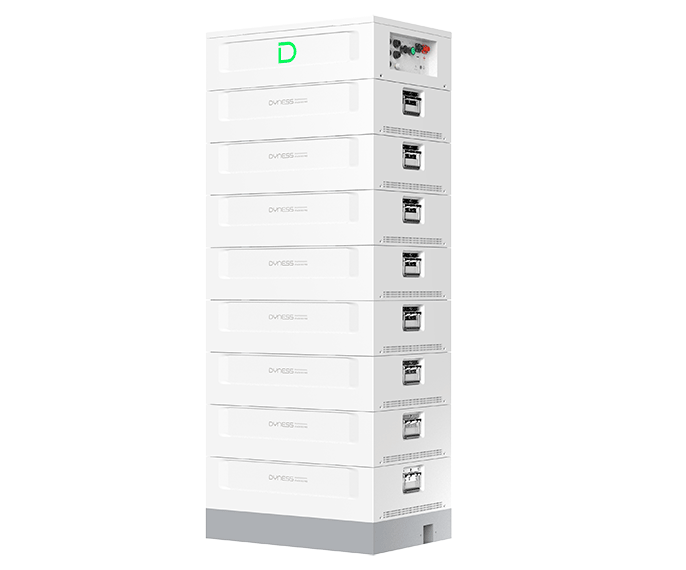
| Large home with EV charger, heat pump, or long backup needs | Tower Series, Tower Pro, STACK100 Pro, or other higher-capacity modular platforms where compatible. | Higher power demand, longer discharge duration, whole-home or extended backup design, and expansion planning. |
The most suitable Dyness solution should be selected based on actual load data, tariff schedule, PV generation, inverter compatibility, installation space, and local electrical requirements.


Common Mistakes When Configuring for Cost Savings
Myth 1: The largest battery always saves the most money.
Not always. If the battery is too large for the household’s off-peak charging window, solar surplus, or peak-period demand, part of the capacity may remain underused.
Myth 2: Peak-valley savings can be calculated only by price difference times battery capacity.
Actual savings also depend on charge and discharge efficiency, usable capacity, battery cycling behavior, electricity rules, and whether the stored energy is discharged during the right high-price period.
Myth 3: Backup reserve and cost-saving operation are the same goal.
They may conflict. If the battery discharges fully for tariff savings, less energy may be available for unexpected outages. Users who value backup security should keep an appropriate reserve.
Myth 4: System configuration can ignore inverter power.
Even with enough battery capacity, limited inverter power may prevent the system from charging fully during a short off-peak window or covering enough peak-period load.
Myth 5: One fixed strategy works all year.
Electricity use, solar generation, weather, and tariff periods may change across seasons. Users should review energy data regularly and adjust strategy with installer guidance when needed.
Final Takeaway
In regions with large peak-to-valley electricity price differences, Dyness energy storage can help households reduce electricity costs by shifting energy use from expensive periods to lower-cost or solar-powered periods.
The best cost-saving configuration should match battery capacity, inverter power, PV generation, household load profile, tariff schedule, backup reserve, and future expansion needs.
For most users, the goal is not to install the largest possible battery, but to choose a system that can charge efficiently during low-cost or solar-rich periods and discharge effectively during peak-price periods.
With the right Dyness product platform, compatible inverter, monitoring setup, and professional configuration, homeowners can improve solar self-consumption, reduce peak-period grid purchases, and build a more flexible long-term home energy strategy.
FAQ
-
Q: How does Dyness energy storage help reduce electricity costs under peak-to-valley tariffs?

A: Dyness energy storage can charge during low-price periods or from surplus solar power, then discharge during high-price periods. This reduces the amount of electricity purchased from the grid when prices are higher.
-
Q: Is a larger battery always better for peak-valley savings?
A: Not necessarily. The battery should match the household’s solar surplus, off-peak charging window, evening demand, inverter power, and backup reserve needs. Oversizing may increase cost without improving daily savings.
-
Q: Should the battery charge from solar power or from the grid?
A: This depends on local rules, tariff structure, PV generation, and system settings. In many solar homes, surplus PV charging is prioritized. In some regions, off-peak grid charging may also be useful if permitted and economically reasonable.
Learn More