






















Can Dyness Home Energy Storage Achieve Whole-Home Backup?


Get notified about new updates, products, tips and tutorials. No spam.
Dyness home energy storage can support backup power for household loads when paired with a compatible inverter and a properly designed electrical system. In some projects, it may support a broader whole-home backup strategy, depending on inverter output power, battery capacity, load priority, backup circuit design, and local regulations.
However, whole-home backup does not mean every appliance can run at the same time without limits. High-power loads such as heat pumps, EV chargers, electric ovens, air conditioners, or water heaters require careful power and energy planning. For most homes, the best backup strategy is to define essential loads first, then decide whether partial backup, extended backup, or whole-home backup is technically and economically suitable.

What Does Whole-Home Backup Really Mean?
Whole-home backup means that an energy storage system can support most or all household circuits during a grid outage. Compared with essential-load backup, it requires higher inverter output power, larger usable battery capacity, and more careful electrical design.
Essential-load backup usually powers selected circuits such as lighting, refrigerator, router, security system, garage door, basic sockets, or medical devices. Whole-home backup may include more household circuits and larger appliances, depending on system capacity and installation design.
The key point is that whole-home backup is not only a battery question. It is a full system design question involving the battery, inverter, backup switch or backup circuit, distribution board, household load profile, and local electrical rules.
For Dyness users, the first step is to identify which loads must keep running during an outage, which loads are optional, and which high-power appliances should be limited or excluded from backup operation.
Key Factors That Decide Whether Whole-Home Backup Is Possible
Whether a Dyness home energy storage system can support whole-home backup depends on both power and energy. Power determines how many appliances can run at the same time, while energy determines how long they can keep running.
| Key Factor | Why It Matters for Backup Power |
|---|---|
| Inverter output power | The inverter determines how much load can be supplied at one time during backup operation. If the connected loads exceed inverter limits, the system may overload or shut down for protection. |
| Battery capacity | Usable battery capacity determines backup duration. A larger battery can support loads for longer, but only when matched with suitable inverter power and load control. |
| Load priority | Essential loads should be prioritized during outages. High-power or non-essential loads may need to be limited to extend backup time and avoid overload. |
| Startup current | Appliances such as pumps, compressors, air conditioners, and some motors may require higher power at startup than during normal running. |
| Backup circuit design | The electrical panel must be designed so that backed-up circuits are safely separated or managed according to local rules and inverter requirements. |
| Solar input during outage | If the system supports solar charging during outages, daytime PV generation may help extend backup duration, depending on inverter design and local regulations. |
Because these factors vary from home to home, whole-home backup should always be designed by a qualified installer based on real household loads and approved Dyness-inverter configurations.

Essential Backup vs Whole-Home Backup: Which Is Better?
For many households, essential-load backup is more practical than trying to power every appliance during an outage. It focuses battery energy on the circuits that matter most.
| Backup Strategy | Typical Loads | Best Fit |
|---|---|---|
| Essential-load backup | Lighting, refrigerator, router, security system, selected sockets, basic home office equipment, and critical small loads. | Homes that want longer backup duration and stable emergency power without oversizing the system. |
| Extended backup | Essential loads plus selected medium-power loads such as some heating, cooling, or kitchen appliances, depending on system capacity. | Homes with higher comfort requirements during outages but still willing to manage high-power loads. |
| Whole-home backup | Most household circuits, subject to inverter output, battery capacity, startup current, and load management rules. | Larger homes or users with higher backup expectations, suitable inverter systems, larger battery capacity, and professional electrical design. |
Whole-home backup may provide more convenience, but it also requires more careful planning and a larger system investment. Essential-load backup is often more efficient because it keeps critical appliances running for longer with a smaller battery system.
How Dyness Products Fit Different Backup Needs
Dyness provides different residential energy storage platforms for different backup requirements. The right choice depends on the home’s load profile, inverter compatibility, backup duration target, installation space, and future expansion plan.
| Backup Need | Possible Dyness Direction | Selection Focus |
|---|---|---|
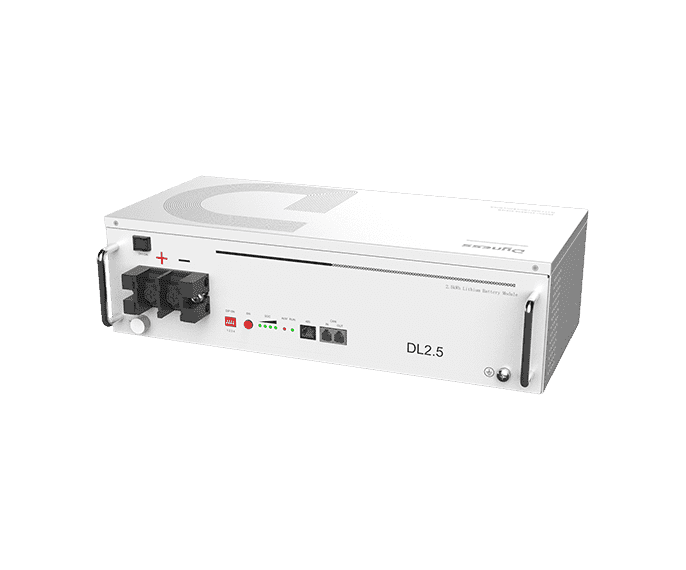
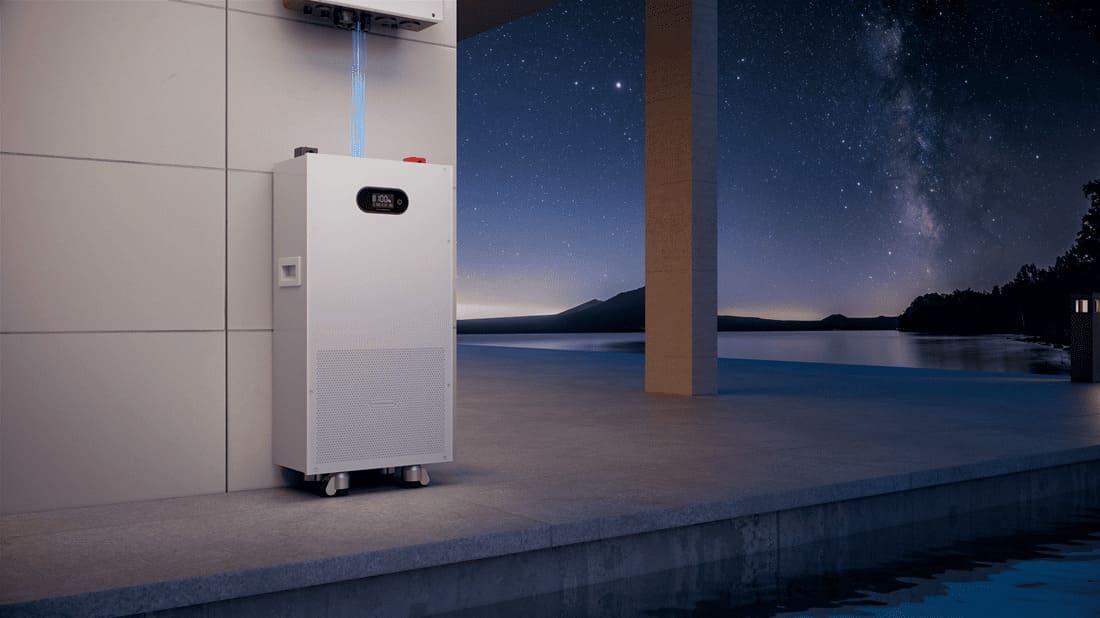
| Basic essential-load backup | DL5.0C, PowerBox G2, PowerBrick, or other suitable low-voltage residential platforms. | Stable support for selected critical circuits, flexible capacity planning, inverter compatibility, and installation convenience. |
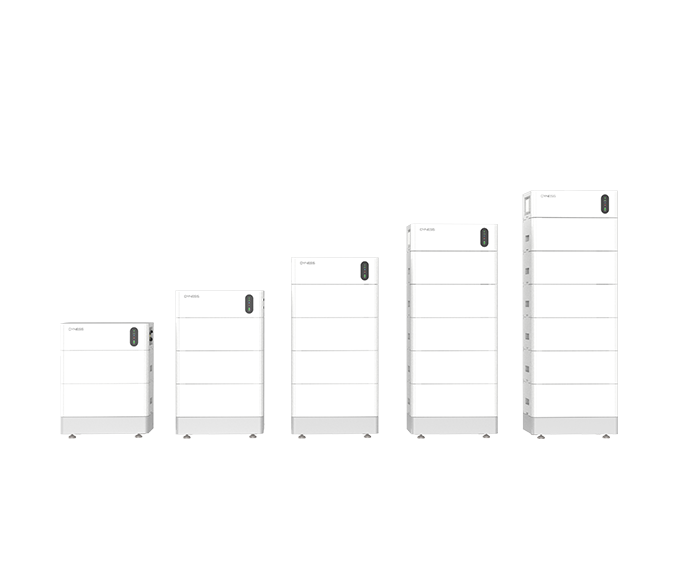
| Longer backup duration | Expandable low-voltage systems or modular high-voltage systems, depending on project design. | Battery capacity, usable energy, backup reserve, solar charging during outage, and future expansion support. |
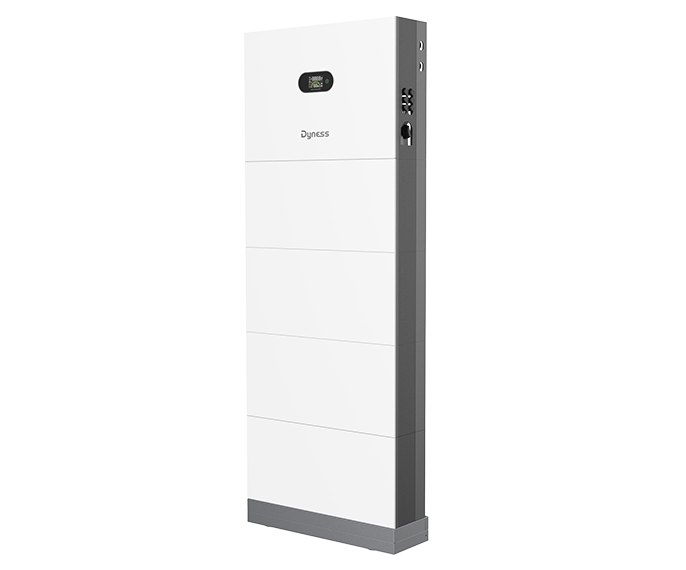
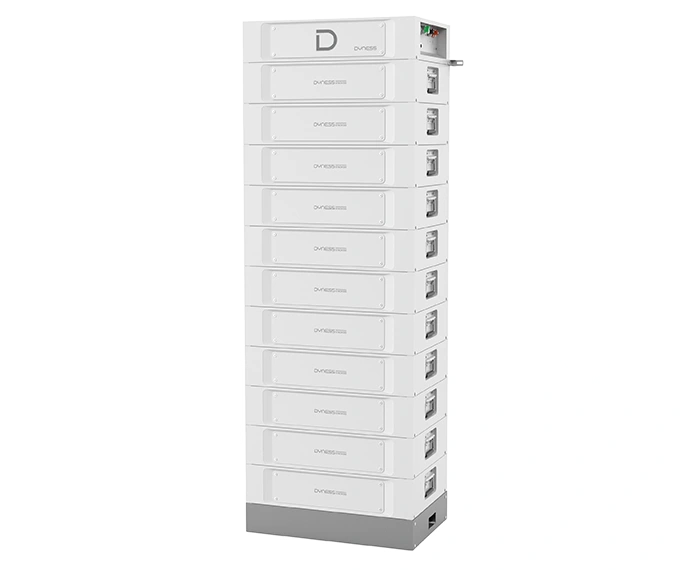
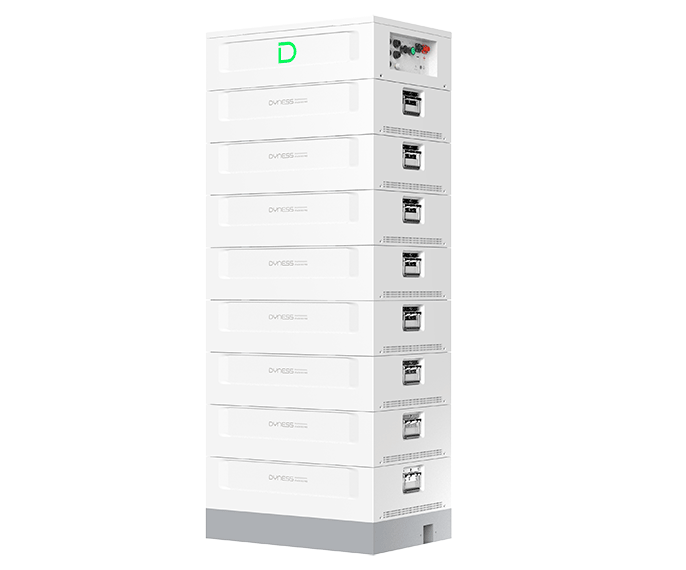
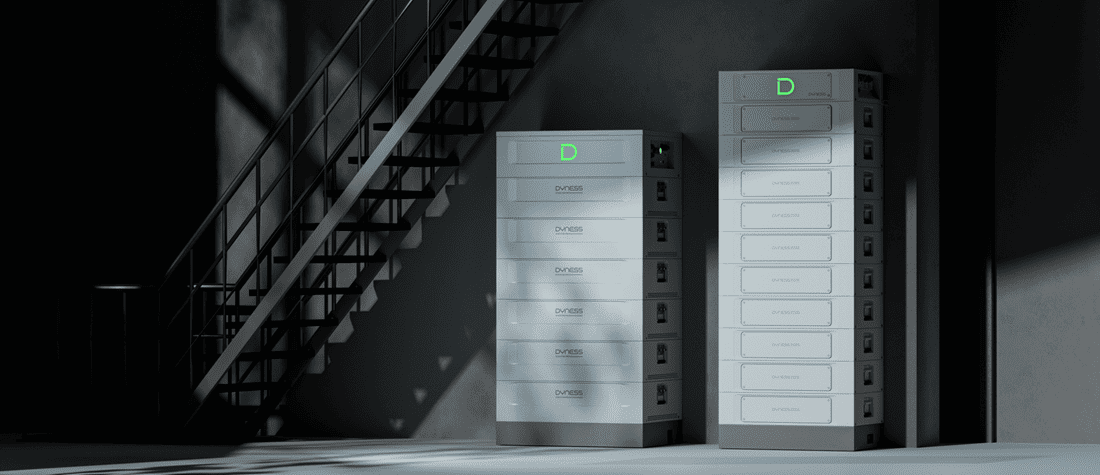
| High-load or whole-home backup | Tower Series, Tower Pro, STACK100 Pro, or other higher-capacity modular platforms where compatible with the inverter and backup design. | Inverter output power, startup current, high-voltage system matching, load management, and professional distribution board design. |
Product selection should not be based only on battery capacity. A whole-home backup project must also match inverter power, electrical panel design, protected load list, solar input, backup switching method, and local installation rules.
Common Misunderstandings About Whole-Home Backup
Myth 1: A large battery automatically means whole-home backup.
Not necessarily. Battery capacity determines how long energy can be supplied, but inverter output power determines how many loads can run at the same time. A large battery with an undersized inverter may still be unable to support high-power appliances.
Myth 2: Whole-home backup means all appliances can run without limits.
Even a whole-home backup system has power and energy limits. High-power loads such as EV chargers, heat pumps, electric ovens, water heaters, or large air conditioners may need load management or exclusion from backup circuits.
Myth 3: Backup duration can be calculated only by battery size.
Backup time depends on usable battery capacity and real load consumption. The same battery may support essential loads for a long time but may be depleted quickly if large appliances run continuously.
Myth 4: Any solar battery system can charge from PV during an outage.
Solar charging during a grid outage depends on inverter design, backup mode, system configuration, and local rules. Users should confirm whether the selected inverter and battery configuration support this function.
Myth 5: Whole-home backup can be installed without modifying the electrical panel.
In many cases, backup circuits, transfer switching, load separation, or distribution board adjustments are needed. The final design should be completed by a qualified installer according to local electrical standards.
Final Takeaway
Dyness home energy storage can support backup power for household use and may support whole-home backup in suitable system configurations.
However, full backup capability depends on inverter power, battery capacity, load priority, startup current, backup circuit design, solar charging logic, installation conditions, and local regulations.
For most families, the most reliable approach is to define essential loads first, estimate required backup duration, and then decide whether extended backup or whole-home backup is necessary.
With compatible inverters, scalable battery platforms, and professional system design, Dyness can help homeowners build a backup solution that balances safety, comfort, energy independence, and long-term value.
FAQ
-
Q: Can Dyness home energy storage support whole-home backup?

A: It may be possible in suitable configurations, depending on inverter output power, battery capacity, backup circuit design, household load profile, and local electrical requirements. Whole-home backup should always be confirmed by a qualified installer.
-
Q: What is the difference between essential-load backup and whole-home backup?
A: Essential-load backup powers selected critical circuits such as lighting, refrigerator, router, security system, and basic sockets. Whole-home backup aims to support most household circuits, but it requires higher inverter power, larger battery capacity, and more careful load management.
-
Q: Can Dyness batteries power high-load appliances during an outage?
A: Some high-load appliances may be supported if the inverter, battery system, and wiring design are suitable. However, appliances such as EV chargers, heat pumps, electric ovens, water heaters, and large air conditioners require careful power and startup-current assessment.
Learn More