
























How Does Dyness Energy Storage Improve Home Power Stability and Supply Continuity?


Get notified about new updates, products, tips and tutorials. No spam.
Power outages, voltage fluctuations, and grid instability are becoming real concerns for many households, especially in regions affected by extreme weather or aging grid infrastructure.
Dyness energy storage helps improve home power stability by working with compatible inverters to create a managed backup layer between the grid and household loads. Instead of simply storing green electricity, Dyness systems can support essential loads during outages, smooth daily power use, and improve supply continuity for homes that need more reliable energy.

Why Home Power Stability Needs More Than Grid Supply
In a traditional home electricity setup, the household depends directly on the grid. When the grid experiences an outage, voltage fluctuation, or short interruption, the impact can be immediately passed on to appliances and sensitive devices.
This can be especially disruptive for homes that rely on refrigerators, internet routers, home office equipment, security systems, medical devices where applicable, heat pumps, water pumps, or heating and cooling systems.
Dyness energy storage changes this structure by adding a managed energy buffer. When paired with a compatible inverter and properly configured backup circuit, the system can coordinate electricity from the grid, solar PV, and battery storage.
The goal is not to prevent grid problems from happening. Instead, Dyness helps users reduce the impact of those problems inside the home by supporting essential loads and improving the continuity of household electricity use.
Fast Backup Response and Managed Power Continuity
One of the most important values of a home energy storage system is backup response. When the grid becomes unavailable, the system needs to switch quickly enough to keep selected loads running with minimal interruption.
In supported configurations, Dyness batteries can work with compatible hybrid inverters to provide fast backup transfer for essential household loads. The exact switching performance depends on the inverter model, backup circuit design, system configuration, and local electrical requirements.
For users, this means that critical devices such as refrigerators, routers, lighting, security equipment, and home office devices may continue operating during a power outage, depending on the system design.
Some Dyness system configurations may also support black start capability, allowing the energy system to restart under specific conditions when solar PV becomes available again after a deeper outage scenario. This feature depends on inverter support, battery state, PV input, wiring design, and official technical guidance.
Backup power should always be planned around essential loads first. Running every appliance as usual during an outage can shorten backup duration and may exceed inverter output limits.

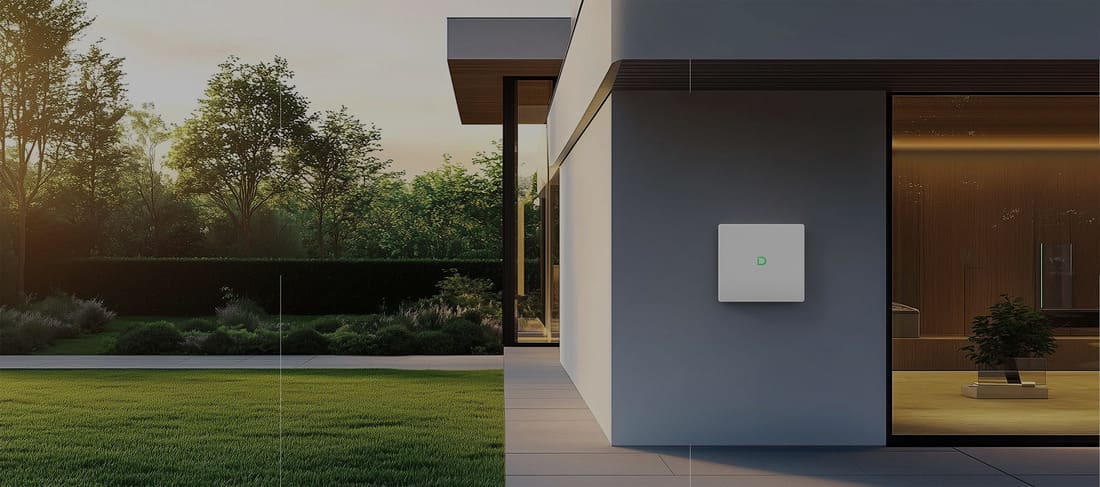
Technical Factors That Support 24/7 Power Resilience
Home power continuity depends on more than battery capacity. It also requires correct system design, sufficient discharge capability, suitable inverter matching, and environmental adaptability.
| Technical Factor | How It Improves Supply Continuity |
|---|---|
| Backup mode and load prioritization | Helps direct stored energy to essential loads such as refrigeration, lighting, communication equipment, and selected critical devices. |
| High discharge capability | Supports homes with higher power demand, such as heat pumps, HVAC systems, pumps, or multiple appliances, when correctly matched with the inverter. |
| LiFePO4 battery chemistry | Provides stable and long-cycle energy storage performance for daily use and backup applications. |
| Cold-weather adaptability | Selected Dyness products may support low-temperature operation or optional self-heating features to improve performance in cold climates. |
| Scalable capacity design | Allows users to expand storage capacity when backup duration or household energy demand increases. |
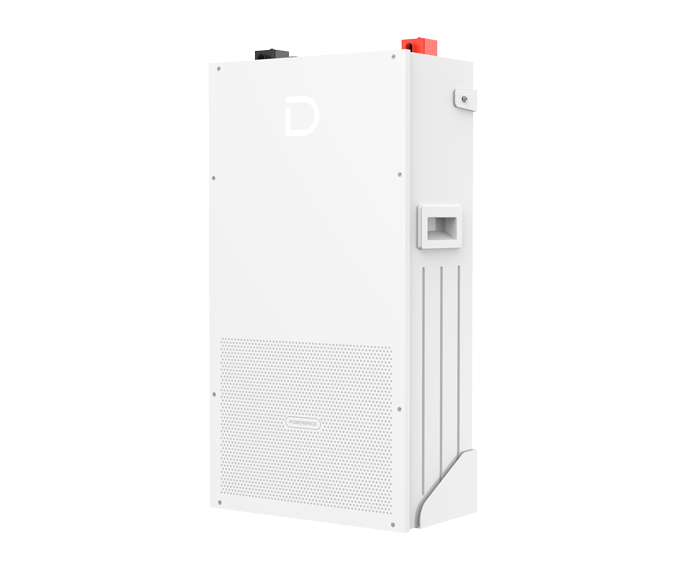
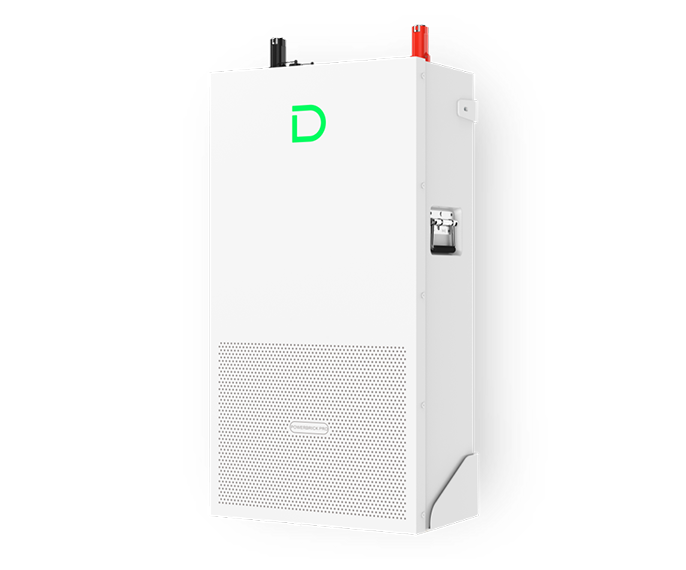
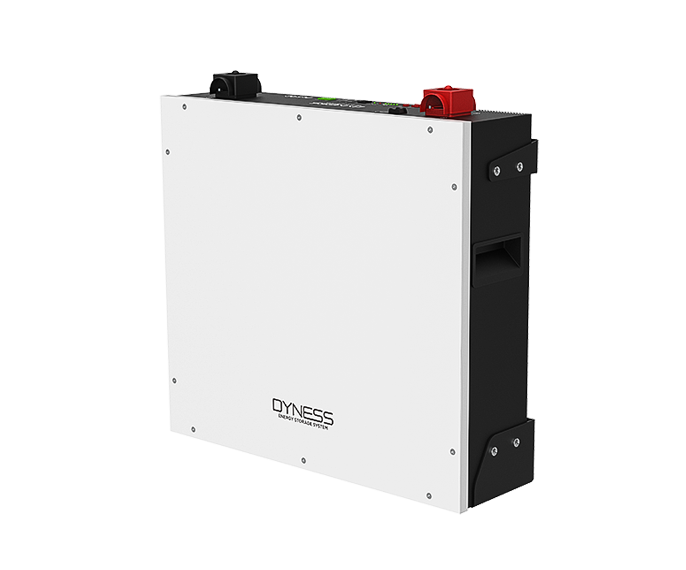
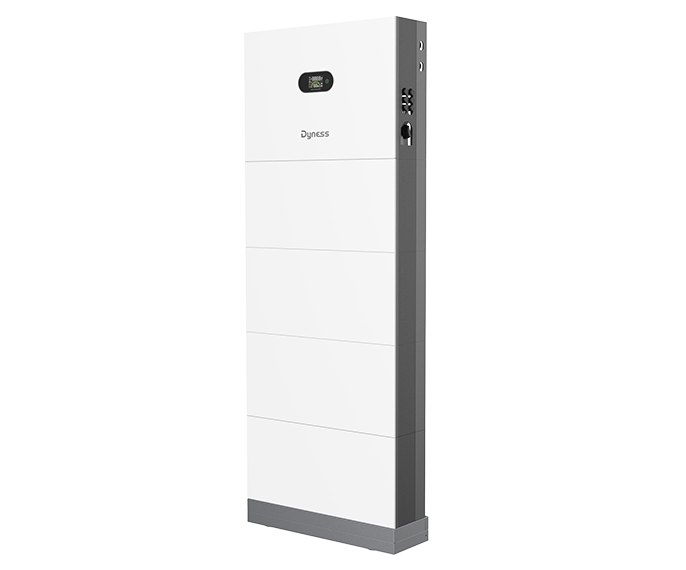
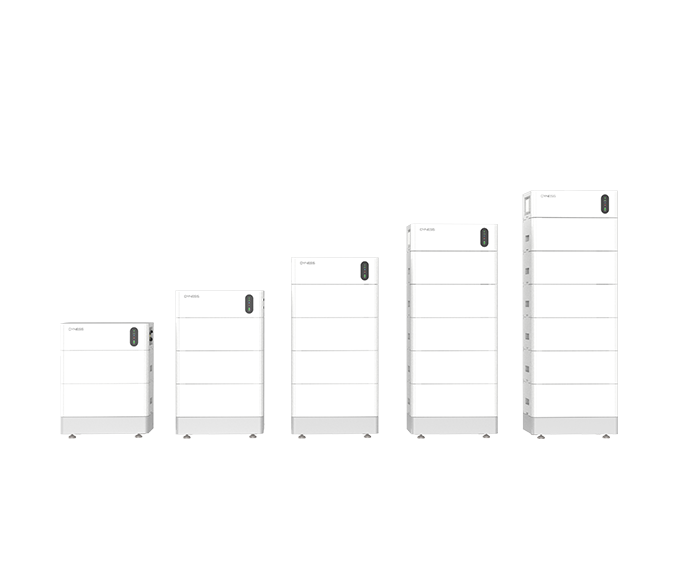
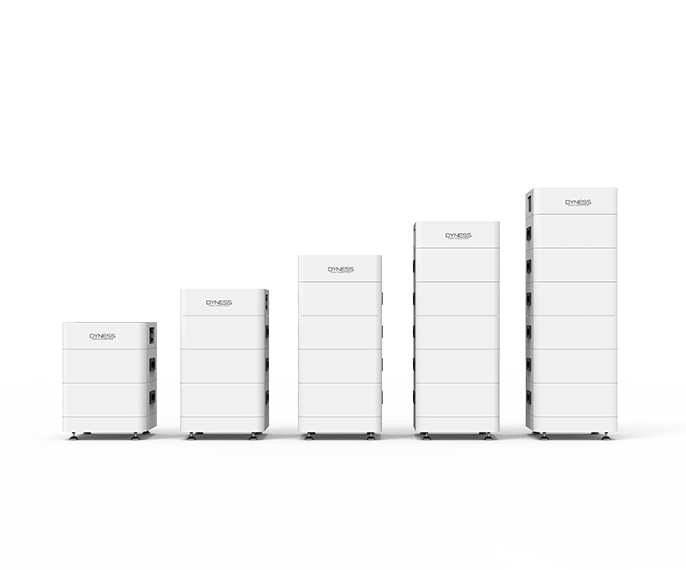
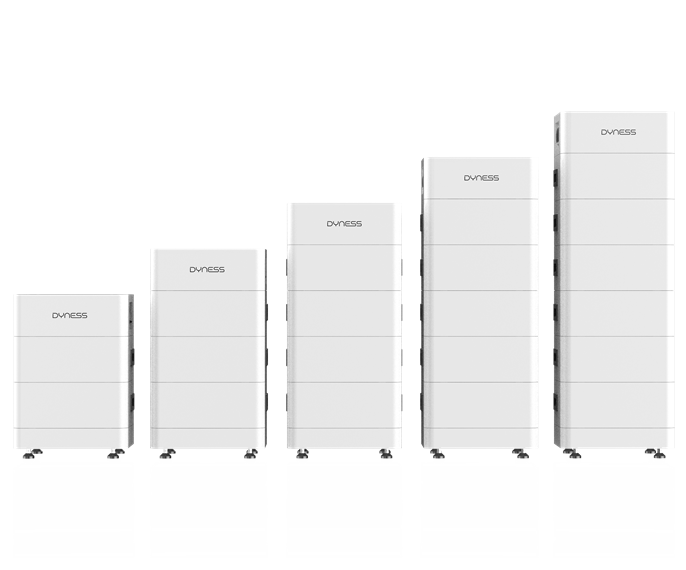
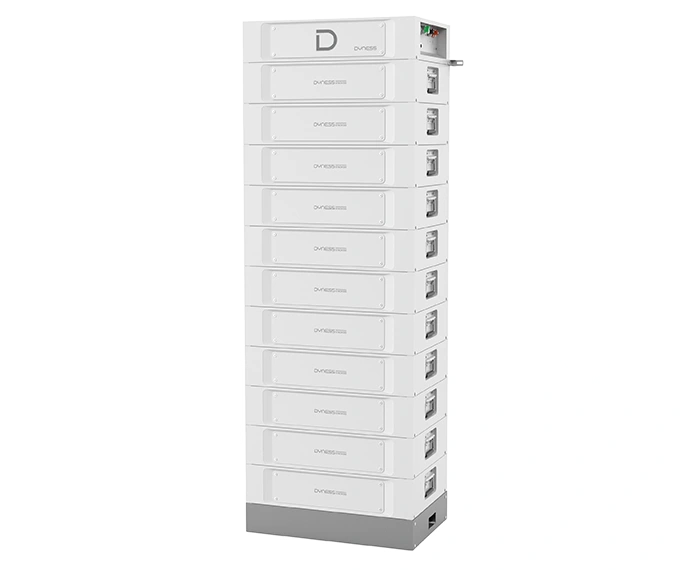
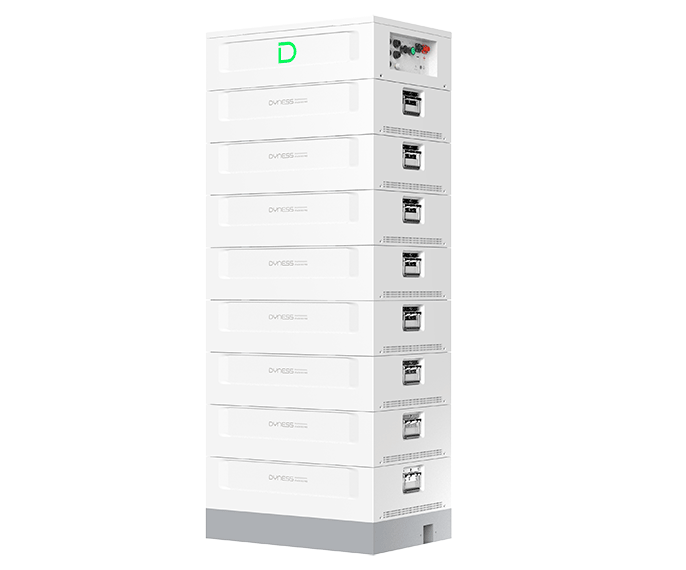
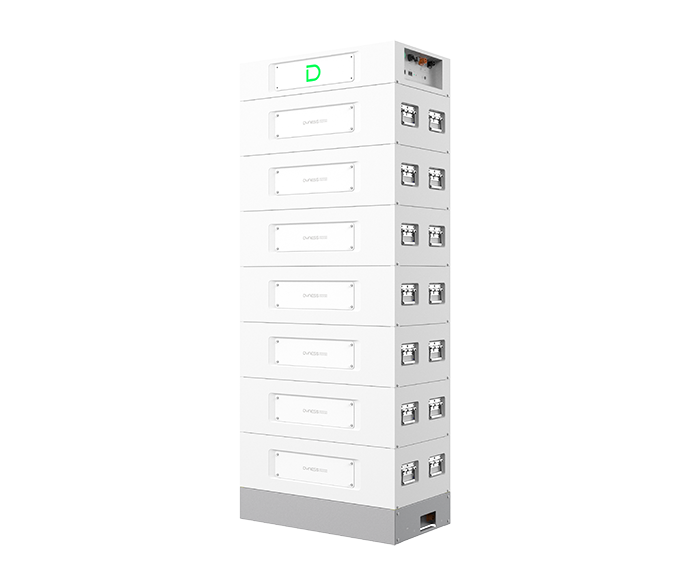
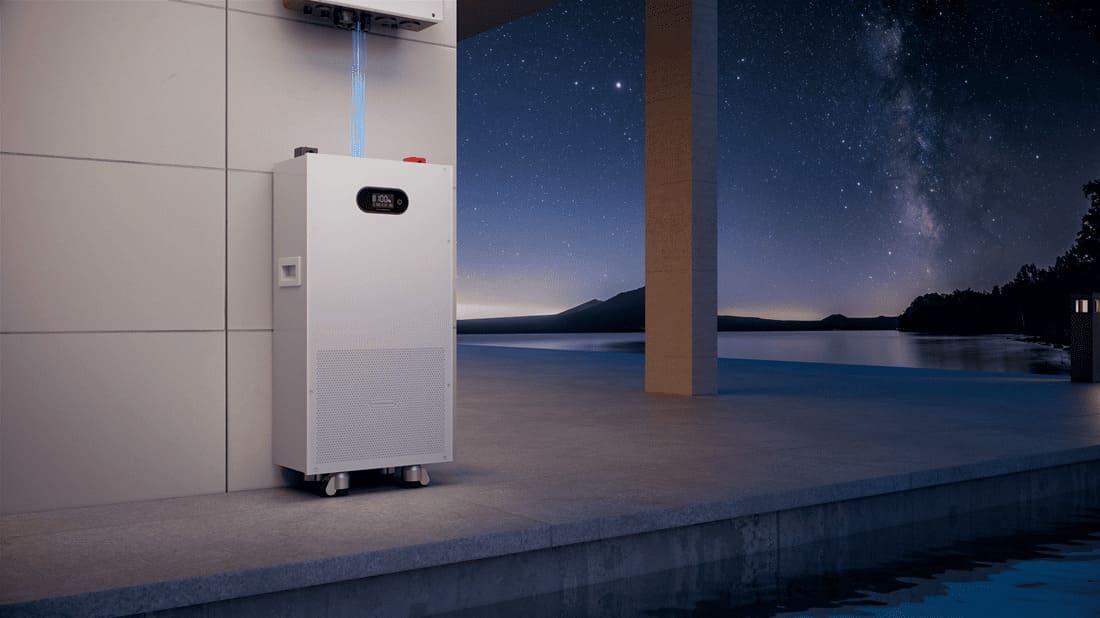
For high-load homes, Dyness product platforms such as Tower Series and PowerBrick Plus can be considered depending on power demand, backup expectations, installation space, inverter compatibility, and local regulations.
Tower Series may be suitable for homes that require stronger high-voltage performance and scalable energy management. PowerBrick Plus can support larger low-voltage residential storage needs with strong discharge capability and flexible expansion. Final product selection should always be confirmed through official Dyness documentation and qualified installer evaluation.
Common Misunderstandings About Backup Power and Stability
Myth 1: Once I install energy storage, every appliance can run forever during an outage.
Backup duration depends on usable battery capacity, battery state of charge, inverter output, and the total power of the loads being supplied. To extend runtime, users should prioritize essential loads instead of running all appliances without limits.
Myth 2: Energy storage can fix all grid-side power quality problems.
A home battery system can improve the household power experience by creating a managed backup layer, but it does not repair long-term grid-side voltage issues or utility infrastructure problems. Sensitive devices may still require dedicated protection depending on site conditions.
Myth 3: Frequent backup operation will quickly damage the battery.
Dyness energy storage systems are based on LiFePO4 battery technology, which is designed for long-cycle stationary energy storage use. Actual battery life depends on temperature, depth of discharge, charge and discharge behavior, system settings, and installation environment.
Myth 4: Backup power only depends on battery size.
Battery capacity is important, but backup performance also depends on inverter power, switching behavior, critical load design, wiring, solar input, and correct system configuration.
Dyness Stability Performance in Different Power Scenarios
Different grid problems require different energy storage strategies. The following matrix can help users understand how Dyness energy storage may support household power stability in common scenarios.
| Power Scenario | How Dyness Energy Storage Can Help | What Users Should Check |
|---|---|---|
| Short power outage | Supports selected essential loads through battery backup when paired with a compatible inverter. | Inverter switching time, backup circuit design, and critical load list. |
| Longer outage during extreme weather | Provides stored energy for essential loads and may be extended by solar input where supported. | Battery capacity, load management, PV availability, and backup reserve settings. |
| Voltage fluctuation or unstable grid | Creates a managed energy layer for selected loads and reduces the direct impact of grid instability. | Grid condition, inverter settings, wiring design, and need for additional protection equipment. |
| High-power load operation | Suitable Dyness platforms can support stronger discharge demand when properly matched. | Heat pump power, surge current, inverter output, and battery discharge capability. |
| Cold-climate operation | Selected products may use low-temperature support or optional self-heating to improve winter operation. | Operating temperature range, installation location, insulation, and product configuration. |
This matrix is only an initial reference. Actual backup performance should be calculated based on the user’s real load profile, battery size, inverter configuration, solar input, and installation environment.
Final Takeaway
Dyness energy storage improves home power stability by turning the battery system into a managed backup and energy buffer for the household. When the grid is normal, the system can support solar self-consumption and energy management. When the grid becomes unstable or unavailable, it can help selected essential loads continue operating.
The real value is not only backup power, but power continuity. Dyness helps users decide which loads matter most during an outage and supports those loads with stored energy, compatible inverter control, and scalable system design.
To achieve the best result, users should match the battery system with actual household load, backup duration expectations, inverter power, installation conditions, climate environment, and local electrical rules. With proper design and professional installation, Dyness can help families build a more stable and resilient home energy system.
FAQ
-
Q: Can Dyness batteries keep working during several days of winter storm outages?

A: Dyness energy storage can support essential loads during outages when the system is properly configured with sufficient battery capacity, a compatible inverter, and suitable backup circuit design. In cold regions, selected Dyness products may support low-temperature operation or optional self-heating features, depending on model and configuration. Actual runtime depends on battery state of charge, load power, solar input, installation environment, and local temperature conditions.
-
Q: Can Dyness energy storage power a heat pump during an outage?
A: It can be possible, but the system must be correctly sized. Heat pumps are high-power loads and may have high start-up current. Dyness platforms such as Tower Series or PowerBrick Plus may be considered for higher-load homes, but the final design must match battery discharge capability, inverter output power, heat pump demand, wiring, and backup circuit configuration.
-
Q: Why is long cycle life important for home power continuity?
A: Power continuity depends on long-term battery health. A battery that participates in daily energy management and occasional backup operation should maintain stable performance over many years. Dyness LiFePO4 battery technology is designed for long-cycle energy storage use, helping support reliable backup power, solar self-consumption, and household energy management over the system lifecycle.
Learn More