








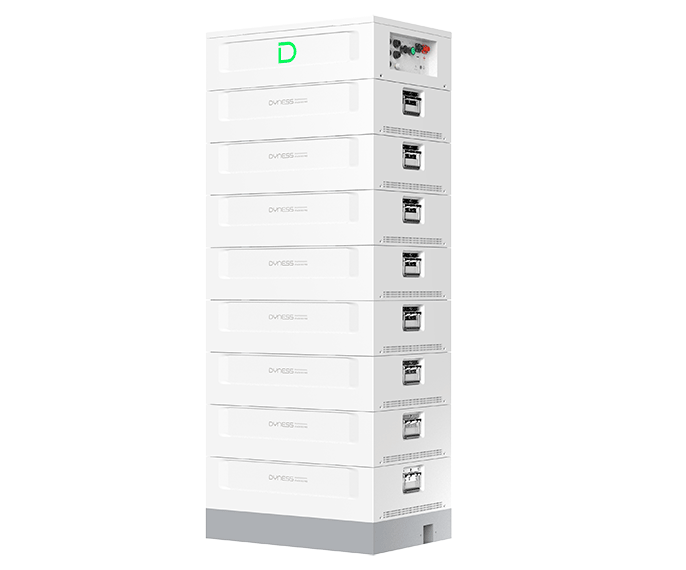

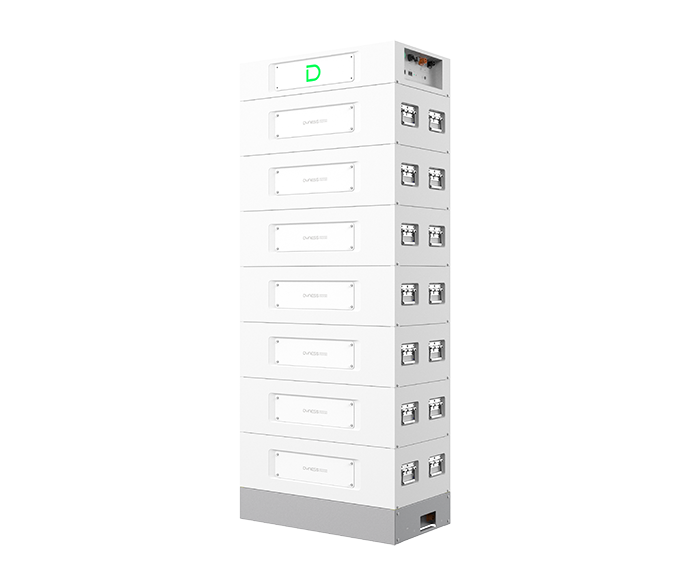
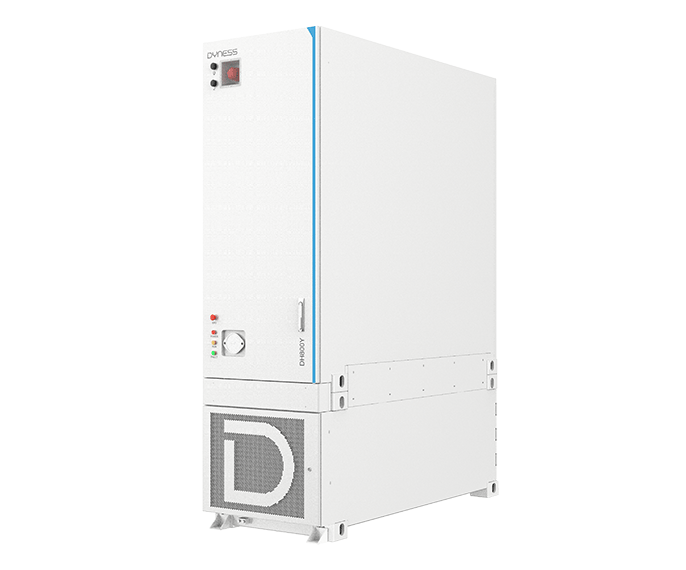


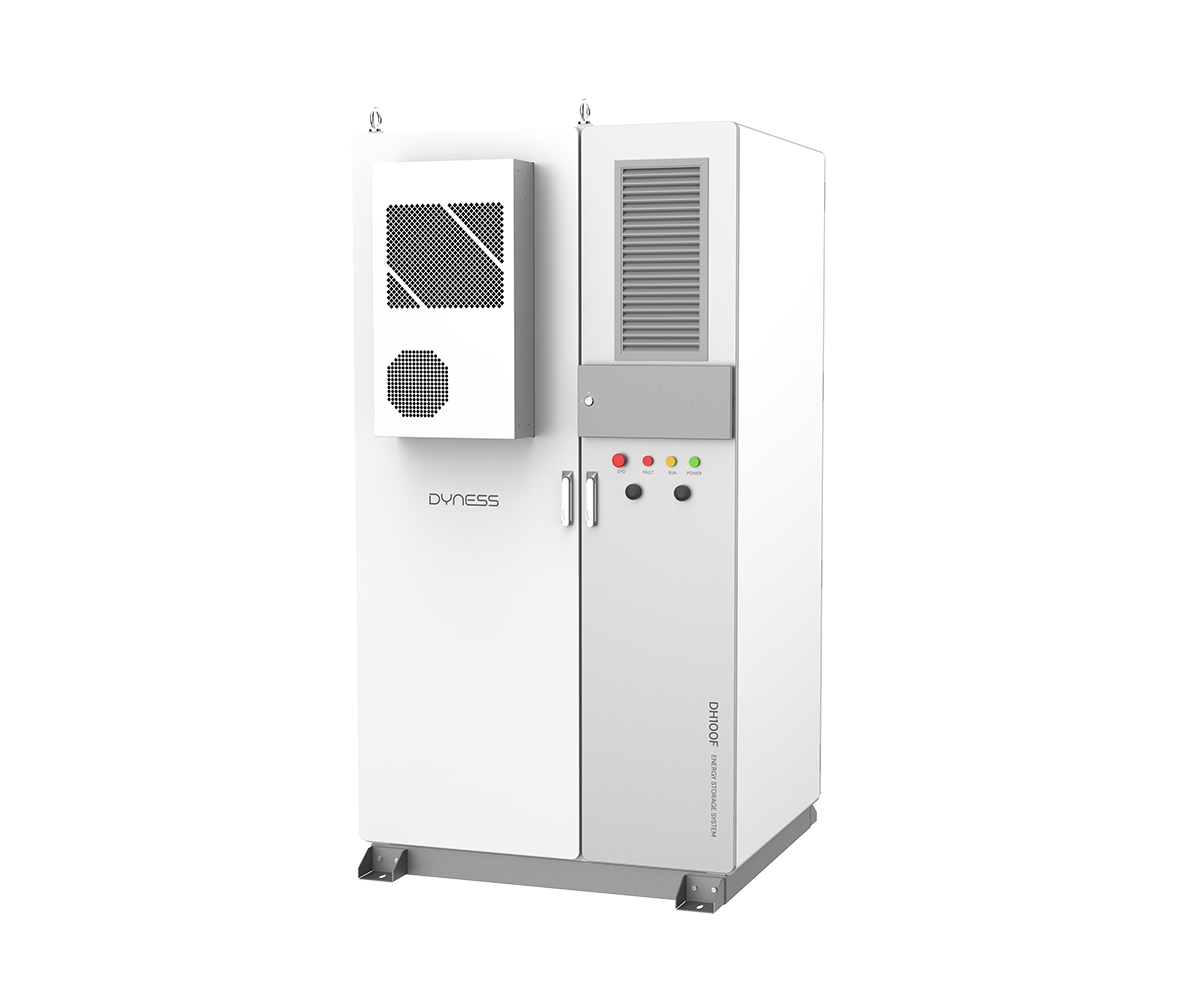













Can Dyness Energy Storage Solve Power Outages and Unstable Electricity? How Long Can It Last?


Get notified about new updates, products, tips and tutorials. No spam.
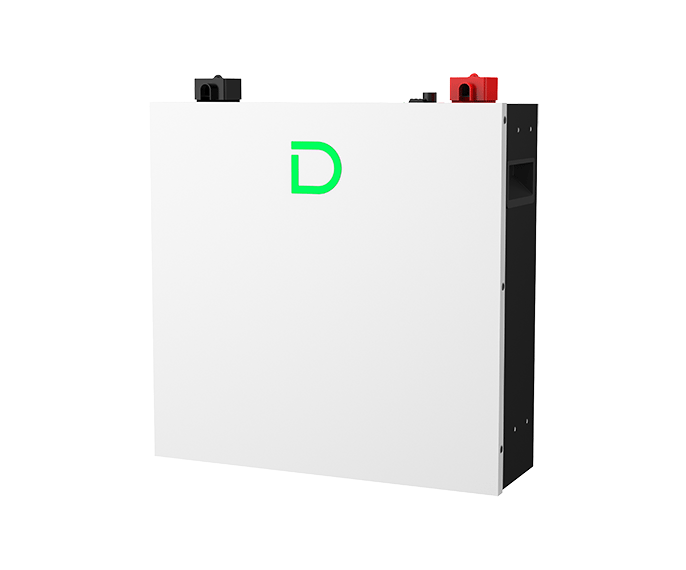
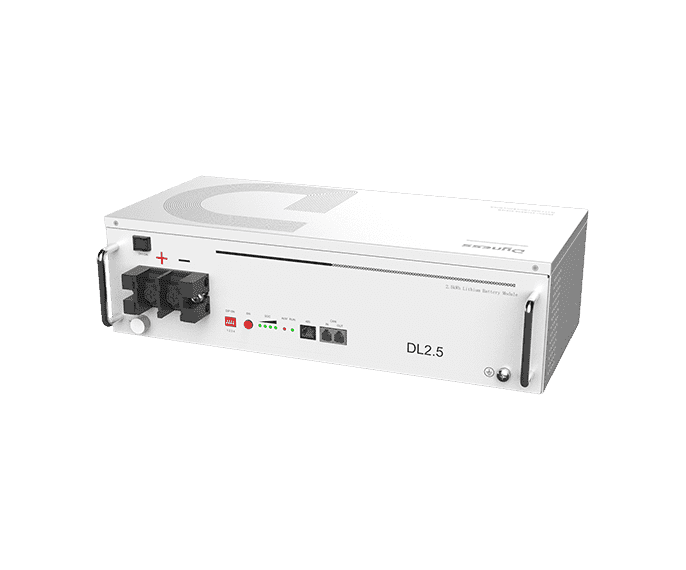
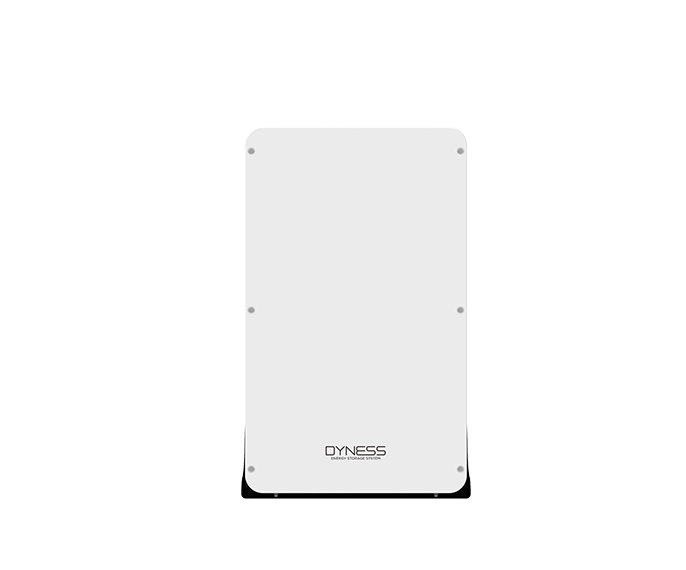
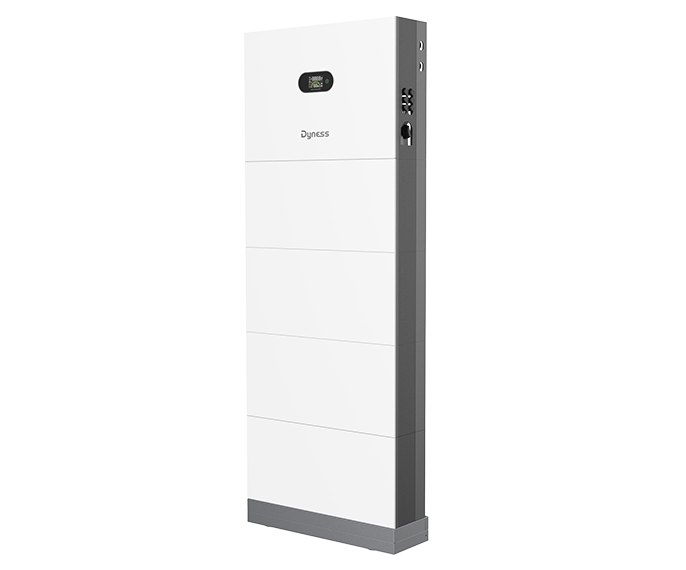
A Dyness energy storage system, when properly paired with a compatible hybrid inverter, can help keep essential household loads running during power outages and improve the home’s ability to handle electricity instability.
The backup duration is not a fixed number. It depends on usable battery capacity, inverter configuration, critical load selection, and how much power the household consumes during an outage. In simple terms, energy storage does not stop outages from happening, but it gives users more control over what continues to run when the grid becomes unavailable.

What Home Energy Storage Actually Solves During a Power Outage
When users ask whether Dyness energy storage can solve power outages, the real question is usually this: can the home continue using electricity when the grid fails?
A home energy storage system does not prevent the public grid from going down. Instead, it helps create a backup power layer inside the home. When paired with a compatible hybrid inverter and correctly configured backup circuit, the battery can supply selected household loads during an outage.
This can help keep essential devices running, such as refrigerators, routers, lighting, home office equipment, security systems, or other critical loads. For many households, the value is not only “having electricity,” but maintaining basic life continuity when the grid becomes unstable.
The final backup performance depends on battery capacity, inverter power, backup circuit design, load selection, installation quality, and local electrical regulations.
From Direct Grid Supply to Managed Home Power
In a traditional home power structure, electricity is supplied directly from the grid. If the grid experiences an outage, voltage fluctuation, or interruption, the impact can be immediately passed on to household appliances.
With a Dyness energy storage system and a suitable hybrid inverter, the home power structure becomes more flexible. The inverter can coordinate power from the grid, battery, and solar PV system if available, helping manage how electricity is supplied to the home.
During normal operation, the battery can support solar self-consumption or time-based energy use depending on system settings. During a grid outage, the system can switch to backup mode and supply selected loads from stored energy.
This structure turns the battery into an intelligent energy buffer. It gives users more control over how household electricity is distributed when grid power becomes unavailable or unstable.

What Determines Backup Duration?
The backup duration of a home battery is not a fixed number because electricity use changes from moment to moment. The same battery may last many hours under essential-load operation, but only a short time if high-power appliances are used continuously.
The basic logic is simple: backup time depends on usable battery capacity divided by the power demand of the loads being supplied.
| Key Factor | How It Affects Backup Performance |
|---|---|
| Switching speed | A compatible inverter needs to switch quickly enough to keep essential loads running with minimal interruption. |
| Load power allocation | The more appliances running at the same time, the shorter the backup duration. |
| Usable battery capacity | A larger usable capacity provides a deeper energy reserve for backup use. |
| Inverter output power | The inverter determines how much power can be supplied to loads at one time. |
| Solar input during outage | If supported by the system design, daytime solar generation may help extend backup time. |
For example, a roughly 10 kWh battery configuration may support essential loads such as a refrigerator, lighting, and internet equipment for many hours if the total load is kept low. However, if high-power appliances such as air conditioning, electric heating, ovens, or multiple kitchen appliances are used at the same time, the backup duration will be much shorter.
For accurate backup estimation, users should list the critical loads they want to protect and ask a qualified installer to calculate expected runtime based on actual power ratings and system configuration.
Common Misunderstandings About Backup Power
Myth 1: Energy storage can fix the public grid.
Energy storage cannot repair long-term grid-side voltage problems or prevent utility outages. What it can do is improve the home’s internal power experience by supplying selected loads from the battery when grid power is unavailable or unstable.
Myth 2: A battery has one fixed backup time.
Backup time is dynamic. It depends on usable battery capacity, current load power, inverter efficiency, battery state of charge, and whether solar input is available during the outage.
Myth 3: All appliances can run normally during an outage.
Running every appliance as usual can drain the battery quickly and may exceed inverter output limits. In backup mode, it is usually better to prioritize essential loads such as refrigerators, lights, routers, medical devices where applicable, and home office equipment.
Myth 4: A home battery is the same as a UPS for every device.
A battery system can support backup power when properly configured, but backup behavior depends on inverter switching time and circuit design. Users with highly sensitive equipment should confirm whether additional UPS protection is needed.
Suitable and Not Ideal Use Scenarios
Dyness home energy storage can be valuable for households that care about backup power, energy continuity, and more stable electricity use. However, it should be selected according to real backup needs rather than assuming it will power the entire home indefinitely.
| Recommended Scenarios | Scenarios Needing Re-evaluation |
|---|---|
| Homes with frequent outages or unstable grid supply. | Homes expecting unlimited whole-house backup without load management. |
| Users who need to protect essential loads such as refrigerators, routers, lights, or home office devices. | Users who mainly want to run high-power appliances for long periods during outages. |
| Homes with solar PV that want better energy continuity during grid interruptions. | Homes without clear backup needs, low electricity costs, and stable grid supply. |
For the best result, users should define critical loads first, then match battery capacity, inverter output, backup circuit design, and solar input strategy accordingly.
Final Takeaway
Dyness energy storage does not stop power outages from happening, but it can help users manage what happens after the outage begins. With a compatible hybrid inverter and proper system design, the battery can support essential household loads and improve energy continuity.
The question “How long can it last?” does not have one universal answer. A home battery provides a certain amount of usable energy, and the runtime depends on how that energy is allocated.
For users, the real value is control. By deciding which loads matter most during an outage, households can use Dyness energy storage to protect daily life continuity, reduce the impact of grid instability, and make backup power more predictable.
FAQ
-
Q: How long can a Dyness home battery last during a power outage?

A: Backup duration depends on usable battery capacity and the total power of the loads being supplied. For example, a roughly 10 kWh battery configuration may support essential loads such as a refrigerator, lighting, and internet equipment for many hours if total consumption stays low. If high-power appliances such as air conditioning, ovens, or electric heating are used, the runtime will be much shorter.
-
Q: Can Dyness energy storage protect appliances from unstable electricity?
A: A Dyness battery system paired with a suitable inverter can help improve the home’s internal power stability by creating a managed power layer between the grid and selected loads. However, it does not repair grid-side voltage problems and may not replace dedicated protection equipment for highly sensitive devices.
-
Q: Will my home feel the power outage if I install a Dyness battery system?
A: With a compatible hybrid inverter and proper backup configuration, the system can switch quickly from grid power to battery power during an outage. Some users may notice a brief flicker, but essential loads can continue operating depending on inverter switching time and circuit design.
Learn More