





















Top 5 Features Homeowners Demand in Modern Backup Power Solutions


Get notified about new updates, products, tips and tutorials. No spam.
Modern homeowners expect more from backup power than emergency electricity alone. A residential energy storage system should support grid resilience, provide strong battery safety, adapt to changing household loads, operate intelligently with minimal manual intervention, and integrate smoothly with the home’s solar and inverter infrastructure.
For homeowners, installers, and distributors, five features increasingly define a well-designed modern backup power solution: reliable energy resilience, LiFePO4-based safety, modular scalability, intelligent energy management, and broad inverter compatibility.

Reliable Backup Power and Greater Household Energy Independence
Residential electricity systems are increasingly exposed to grid interruptions, severe weather events, changing electricity tariffs, and growing household power demand. Solar PV can reduce dependence on grid electricity during daylight hours, but solar generation alone cannot provide continuous power when sunlight is unavailable.
A home battery storage system helps bridge this gap by storing surplus solar energy for use during evening hours, cloudy periods, or suitable backup scenarios.
This local energy reserve allows households to rely more on their own solar generation while reducing exposure to external grid conditions. For homeowners, backup capability is increasingly becoming part of a broader energy independence strategy rather than simply an emergency function.
LiFePO4 Chemistry and Multi-Layer Battery Safety
Battery safety is particularly important in residential applications because energy storage systems may be installed in garages, utility rooms, basements, or other areas close to living spaces.
Lithium iron phosphate chemistry is widely used in stationary energy storage because of its strong thermal and structural stability. Compared with several other lithium-ion chemistries, LFP provides a stable foundation for repeated residential charging and discharging.
Cell chemistry, however, represents only one part of the complete safety architecture. Modern residential battery systems should also include real-time voltage and temperature monitoring, battery management protection, thermal control, fault detection, and appropriate electrical protection.
Advanced cell-level monitoring can help identify abnormal operating conditions at an early stage and allow the system to respond according to its protection strategy before the issue develops further.
Modular Capacity That Can Grow with the Home
Household electricity demand rarely remains unchanged over the lifetime of an energy storage system. EV charging, heat pumps, additional air conditioning, home extensions, or new electrical appliances can all increase future energy consumption.
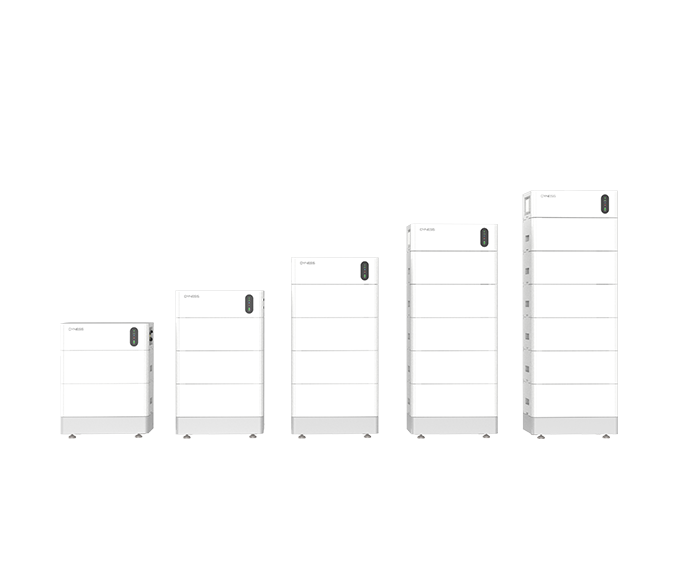
A fixed-capacity battery may become restrictive if the household eventually requires significantly more storage than originally planned. Modular architecture addresses this issue by allowing compatible battery modules to be added according to approved system configurations.
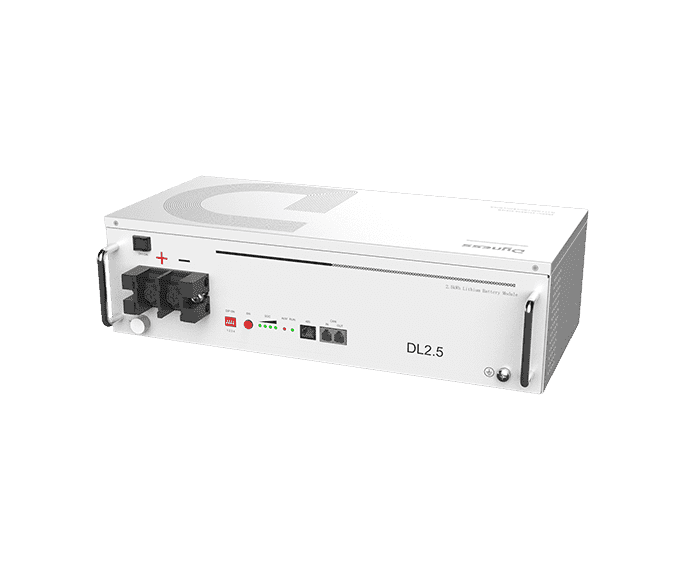
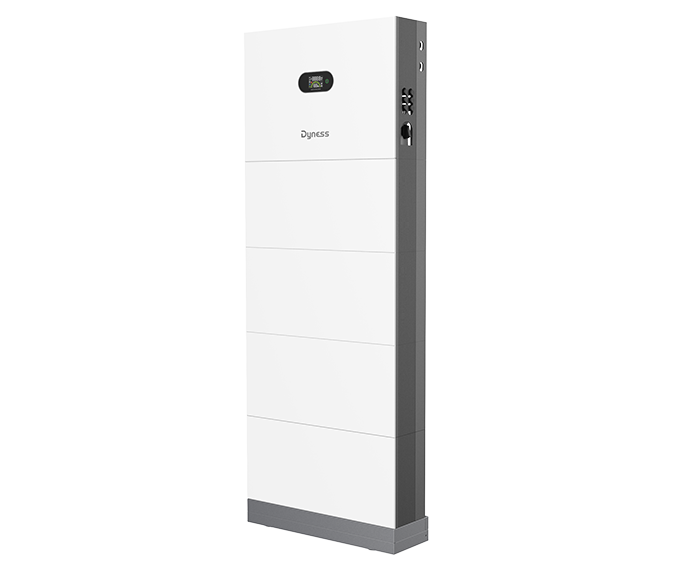
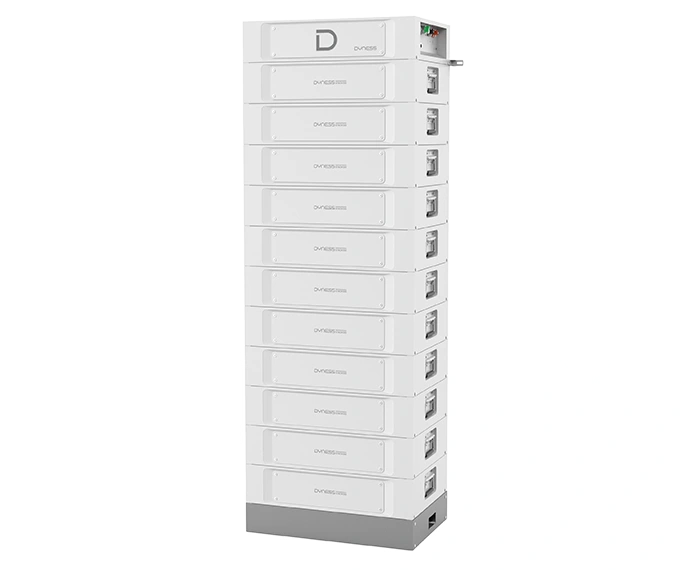
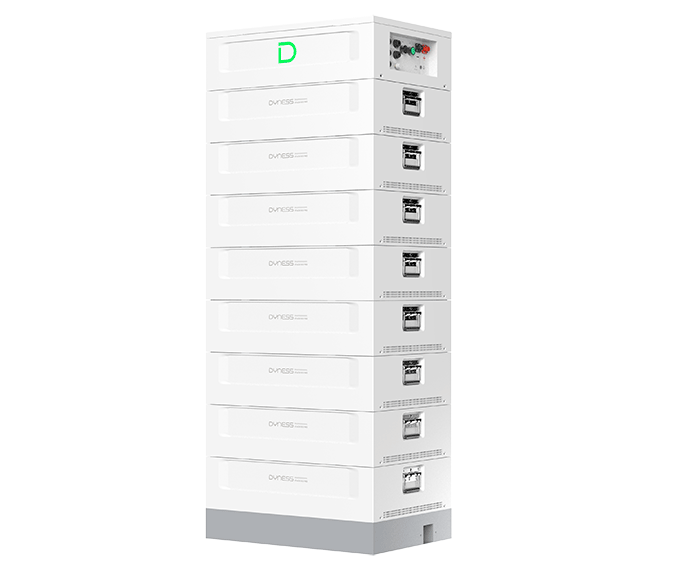
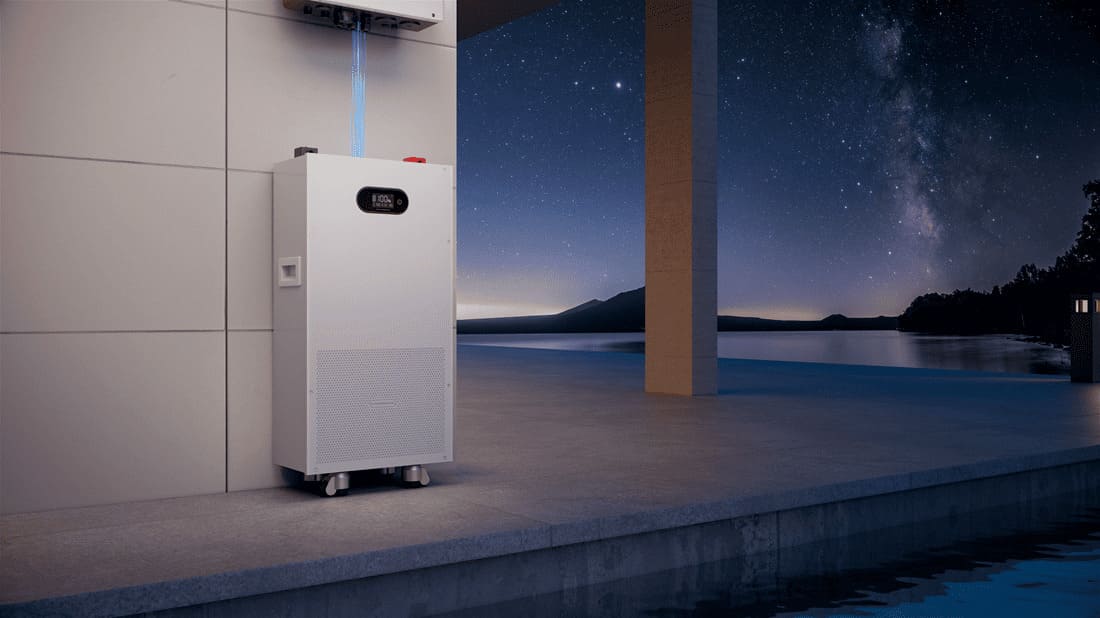
Dyness residential battery platforms use expandable LiFePO4 architectures designed to support different household capacity requirements. Stackable or modular formats can also help make better use of limited installation space in garages and utility rooms.
For homeowners, this means the initial system can be sized around current requirements while leaving a clearer path for future expansion.

Intelligent Energy Management and Automatic System Balancing
Modern home energy storage should operate with minimal daily intervention from the homeowner. Solar production, household consumption, battery state of charge, and grid conditions change continuously, requiring the system to coordinate energy flows automatically.
An intelligent battery management system monitors cell voltage, temperature, charging, discharging, and other operating parameters while maintaining balance between battery modules.
Automated monitoring and balancing can help maintain stable system operation and reduce the need for manual adjustment. When combined with energy management functions, the battery can support more efficient use of solar generation and adapt its operating strategy to different household energy requirements.
For homeowners, this type of automated control helps turn battery storage into an everyday energy management asset rather than equipment that requires constant technical attention.
Broad Inverter Compatibility and Easier System Integration
A residential battery does not operate independently. It must communicate reliably with compatible inverters and other power conversion equipment to coordinate charging, discharging, protection functions, and state-of-charge information.
Limited inverter compatibility can restrict installation options or create additional commissioning work for installers. Broad compatibility therefore gives homeowners greater flexibility when selecting or upgrading their solar-plus-storage system.
Dyness designs its residential energy storage portfolio to support integration with major global inverter brands. This helps installers reduce communication and commissioning complexity while supporting different residential system configurations across multiple markets.
Before installation, homeowners and installers should always confirm the latest compatibility list, approved inverter model, firmware requirements, and communication protocol for the specific battery product.
Final Takeaway
Modern homeowners increasingly expect backup power systems to provide more than temporary electricity during outages. The strongest residential energy storage solutions combine grid resilience, stable LiFePO4 chemistry, modular capacity expansion, intelligent automatic management, and broad inverter compatibility.
Together, these five features help households build energy systems that can adapt to changing electricity demand while improving solar utilization and simplifying long-term system operation.
Dyness develops residential energy storage platforms around these practical requirements, supporting installers and distributors in delivering flexible, safe, and scalable home energy solutions across different international markets.
FAQ
-
Q: How long can a Dyness home battery last during a power outage?

A: Backup duration depends on usable battery capacity and the total power of the loads being supplied. For example, a roughly 10 kWh battery configuration may support essential loads such as a refrigerator, lighting, and internet equipment for many hours if total consumption stays low. If high-power appliances such as air conditioning, ovens, or electric heating are used, the runtime will be much shorter.
-
Q: Why is long cycle life important for home power continuity?
A: Power continuity depends on long-term battery health. A battery that participates in daily energy management and occasional backup operation should maintain stable performance over many years. Dyness LiFePO4 battery technology is designed for long-cycle energy storage use, helping support reliable backup power, solar self-consumption, and household energy management over the system lifecycle.
-
Q: What is the difference between essential-load backup and whole-home backup?
A: Essential-load backup powers selected critical circuits such as lighting, refrigerator, router, security system, and basic sockets. Whole-home backup aims to support most household circuits, but it requires higher inverter power, larger battery capacity, and more careful load management.
Learn More