






















Home Battery Storage for Solar: Sizing and Installation


Get notified about new updates, products, tips and tutorials. No spam.
Maximizing the efficiency of a residential photovoltaic system requires a strategic approach to power management. Integrating robust home battery storage for solar applications allows properties to buffer excess daytime generation and deploy it during high-tariff periods.
Correctly sizing and installing these assets determines the overall reliability and economic return of the localized energy network.

The Role of Home Battery Storage in Modern Domestic Microgrids
Residential energy demands shift constantly throughout the day, creating mismatches between solar generation and consumption. Stationary battery arrays resolve this imbalance by acting as a shock absorber for localized electrical grids.
This continuous balancing act stabilizes home energy delivery and reduces reliance on external utility providers. By storing excess solar generation during the day and releasing it during high-demand or high-tariff periods, home battery storage helps transform a standard residential PV system into a more responsive domestic microgrid.
B2B project managers focus on selecting components that offer predictable performance under diverse load conditions. Understanding how storage units interact with residential distribution panels is crucial for proper system design, while the modern market demands hardware that prioritizes seamless grid integration and operational continuity.
Determining the Right Capacity for Residential Loads
Accurate sizing requires a thorough analysis of a property's daily consumption patterns and peak electrical demands. Oversizing results in unnecessary capital expenditure, while undersizing fails to provide adequate backup during extended grid outages.
Systems must be scaled to handle essential baseloads without causing excessive electrical stress. Engineering teams should calculate total kilowatt-hour requirements based on regional climate variations, household consumption habits, solar generation, and the user’s backup expectations.
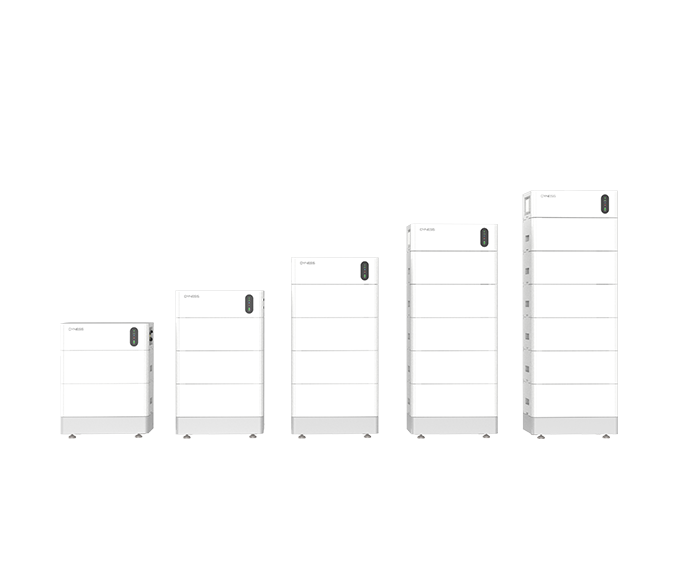
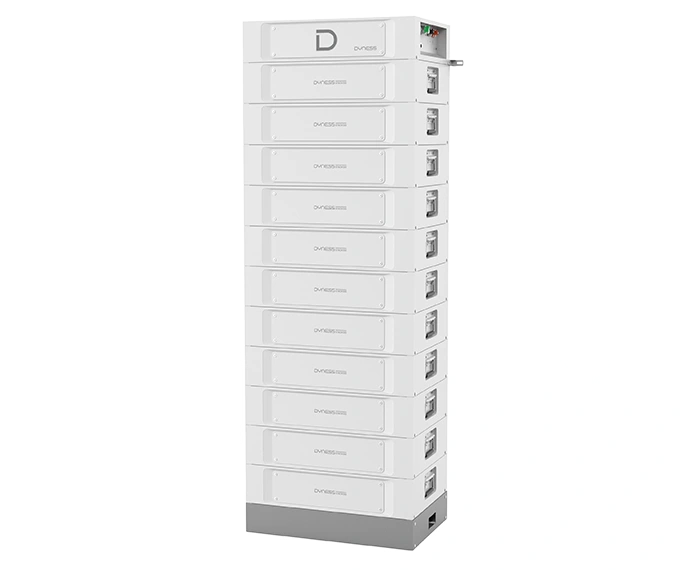
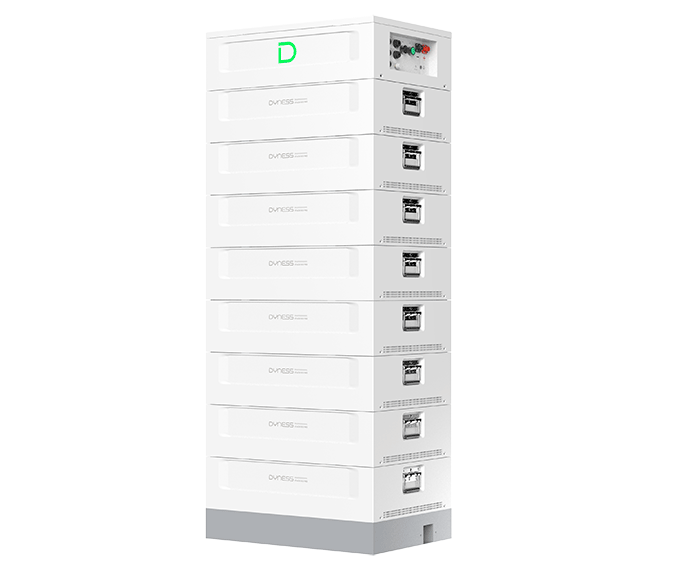
Modular designs offer an effective solution by allowing installers to expand storage capacity incrementally. This flexibility ensures that the initial deployment matches the precise needs of the end user while still leaving room for future capacity growth as household energy requirements evolve.
Evaluating Voltage Frameworks for Safer System Integration
Choosing between high-voltage and low-voltage architectures affects the complexity, safety, and cost of the entire installation. Lower voltage frameworks remain highly popular for residential setups because they simplify handling requirements, streamline field assembly, and reduce specialized compliance barriers.
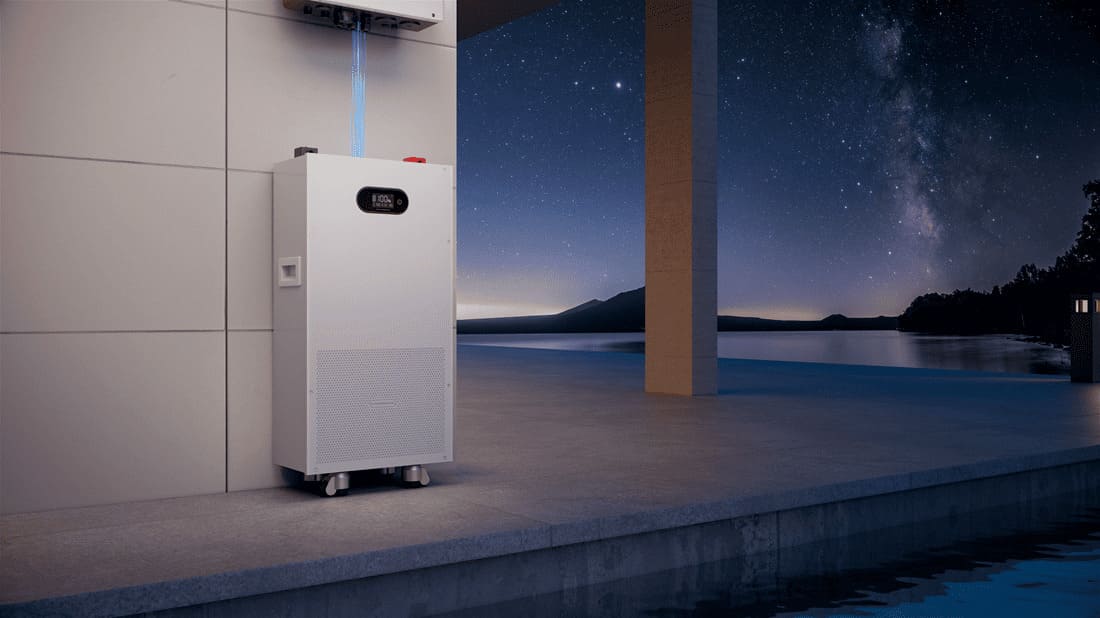
Deploying a Low Voltage (LV) Solar Battery Storage configuration helps minimize electrical shock hazards during routine commissioning. Lower voltage layouts also reduce the need for costly high-voltage containment hardware at the site.
For mainstream residential solar developers, this voltage choice represents a practical pathway to safer installation, simpler system integration, and more efficient project execution.

Safety Protection and Physical Installation Standards
Safety metrics are among the most critical evaluation points for indoor and close-proximity residential battery placements. Even with stable chemical compositions, modern hardware must incorporate active layers of defense against unexpected thermal anomalies.
At Dyness, we integrate a sophisticated high-temperature monitoring framework that triggers an automated aerosol fire extinguisher immediately. This internal defensive layer can suppress potential fires in 5s, helping isolate thermal incidents and reduce their impact on the wider property infrastructure.
Physical installation also requires careful attention to ambient temperature fluctuations, ventilation paths, and environmental moisture protection. Enclosures must shield sensitive internal battery cells from dust ingress and humidity to prevent premature component wear.
Proper spacing between modules facilitates natural thermal dissipation and simplifies future maintenance access for technicians. Installers must also follow local building codes regarding clearance zones and structural weight distribution to support the long-term integrity of the energy storage asset.
Inverter Synchronization, Longevity, and Microgrid Performance
Stationary storage units require clear data transmission with localized power conversion infrastructure. Standardized communication protocols ensure that battery management hardware coordinates smoothly with the external solar inverter, preventing unnecessary efficiency losses during rapid bidirectional power transfers.
Dyness designs Low Voltage (LV) Solar Battery Storage architectures to maintain seamless interoperability with major global inverter brands. This wide-ranging compatibility reduces complex software configuration work for engineering teams and helps accelerate project completion timelines for commercial partners.
True asset value is also determined by capacity retention across thousands of charge and discharge cycles. Lower-grade storage cells can degrade rapidly under deep discharge stress, forcing premature and costly hardware replacements.
Durable lithium iron phosphate structures help maintain stable baseline performance over long timelines. This focus on durability lowers long-term maintenance costs for distributors and end users while protecting the initial capital investment of enterprise clients.
Final Takeaway
Successfully deploying home battery storage for solar systems relies on precise capacity sizing, strategic voltage selection, reliable inverter communication, robust physical installation, and integrated safety protection.
Advanced internal protection systems that can suppress fire in 5s help improve operational security for residential microgrids, while scalable storage architectures support evolving residential infrastructure and growing energy independence requirements.
At Dyness, we provide the heavy-duty manufacturing foundation that empowers businesses to deliver reliable power solutions worldwide. Partnering with a flexible OEM and ODM manufacturer enables B2B distributors to deliver secure, long-lasting, and tailored energy assets to their global customer base.
FAQ
-
Q: How does Dyness energy storage help reduce electricity costs under peak-to-valley tariffs?

A: Dyness energy storage can charge during low-price periods or from surplus solar power, then discharge during high-price periods. This reduces the amount of electricity purchased from the grid when prices are higher.
-
Q: Is a larger battery always better for peak-valley savings?
A: Not necessarily. The battery should match the household’s solar surplus, off-peak charging window, evening demand, inverter power, and backup reserve needs. Oversizing may increase cost without improving daily savings.
-
Q: Should the battery charge from solar power or from the grid?
A: This depends on local rules, tariff structure, PV generation, and system settings. In many solar homes, surplus PV charging is prioritized. In some regions, off-peak grid charging may also be useful if permitted and economically reasonable.
Learn More