
























Dyness Knowledge | From Divergent Needs to Flexible Allocation What Changes Are Underway in C&I Energy Storage
-
Technical Blog
-
 2026-07-29
 -
 Dyness

profound shift. In the past, energy storage primarily served as an emergency backup power source. Today, its applications have expanded to encompass diverse scenarios such as electricity cost optimization, solar energy integration, capacity management, and power market trading. As load profiles, revenue models, and deployment timelines vary among users, energy storage configurations are becoming increasingly diversified.
The Evolving Role of Energy Storage: From "Backup Power" to "Flexibility Asset"
PPA projects focus on deliverable energy volume; energy storage systems must absorb surplus solar power, adjust delivery profiles, and avoid negative pricing or reverse-feed restrictions, thereby necessitating higher standards for storage duration and energy capacity. Manufacturing plants prioritize power output and response speed—system requirements are dictated by production shifts, equipment start-stop cycles, and transformer capacities; consequently, PCS power ratings, response times, and demand control become critical metrics when addressing peak loads from air compressors, electric furnaces, and large motors. Office parks face the dual pressure of peak shaving and capacity expansion; with HVAC systems, data centers, and EV charging stations constituting the primary loads, energy storage must not only reduce peak grid-purchased power and utilize rooftop solar energy but also accommodate future load growth. Requirements for logistics and cold chain facilities are more diverse: general warehousing focuses on shifting solar generation to match demand, whereas cold chain facilities—characterized by continuous loads—prioritize peak shaving for refrigeration, demand management, and short-term backup power. Finally, charging stations face the challenge of grid interconnection capacity limits; the high-power demand spikes caused by simultaneous charging mean that energy storage enables a greater number of charging terminals to operate within limited grid connection capacities.
Different projects have vastly different requirements regarding power, capacity, duration, site conditions, and the pace of capacity expansion. Products with fixed specifications often lead to either over-provisioning or insufficient capability; consequently, the market demands energy storage systems that allow for on-demand configuration, phased construction, and flexible expansion.
Early energy storage systems primarily utilized a centralized architecture, where multiple battery groups were connected to a central Power Conversion System (PCS) after DC-side paralleling. While this approach offered a simple structure and lower initial costs, disparities in State of Charge (SOC), internal resistance, and degradation rates among battery clusters often led to circulating currents and the "weakest link" effect. As energy storage scales up, distributed architectures have become increasingly prevalent; in these systems, each battery cluster is equipped with its own PCS and connected on the AC side, enabling independent cluster-level control, minimizing inter-cluster interference, and limiting the impact of single-point failures.
Smart string-level technology further refines control granularity down to the battery cluster or even smaller units, dynamically allocating power based on battery status to enhance capacity utilization. Overall, energy storage systems are shifting from centralized to distributed control and from fixed-capacity designs to modular scalability, thereby accommodating the diverse requirements of commercial and industrial projects regarding capacity, site conditions, grid interconnection, and operational objectives.
Why is it difficult for traditional industrial and commercial energy storage to cover complex projects?
For industrial and commercial projects, it is necessary to match production loads with transformer capacities, while also navigating constraints related to site conditions, Power Purchase Agreements (PPAs), grid interconnection requirements, and dispatch authority. Conventional solutions primarily face four types of issues:
A single-point anomaly can impact the entire system. Fundamental safety risks include cell inconsistency, overcharge/over-discharge, and localized overheating. Centralized control lacks granularity, making it difficult to promptly isolate anomalous battery clusters and allowing faults to potentially propagate through the system.
Fixed configurations lead to capacity wastage. Project requirements rarely align exactly with standard capacity increments; for instance, a need for 2.5 MWh might necessitate a 3 MWh configuration. Furthermore, subsequent capacity expansion is constrained by the original system architecture and battery consistency requirements. Consistency impacts long-term usable capacity. Variations in temperature, State of Charge (SOC), and degradation rates across battery clusters mean that centralized systems are often limited by the weakest-performing cluster, preventing healthy clusters from fully utilizing their capacity. Delivery and O&M rely on specialized expertise. On-site integration of batteries, PCS, EMS, fire safety, and power distribution systems involves complex interface verification and system commissioning. Disparate equipment sources and unclear lines of responsibility prolong project timelines and complicate fault diagnosis and cross-regional O&M.
From Fixed Cabinets to Modular Combinations: DH800Y Precisely Matches Project Requirements
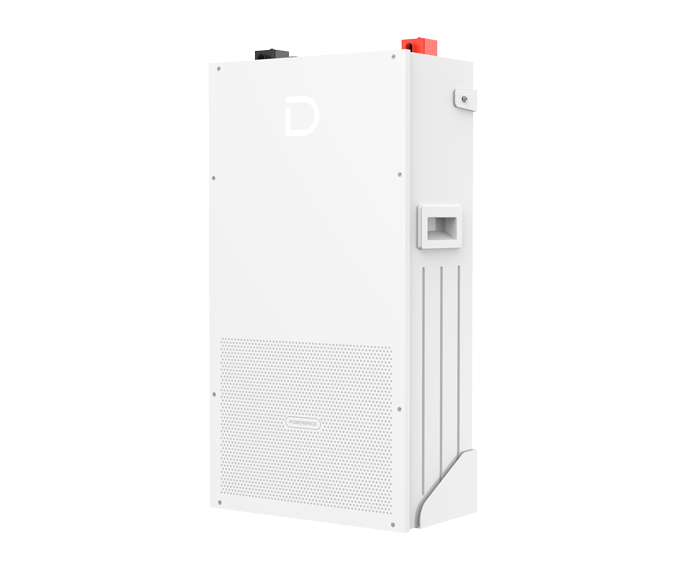
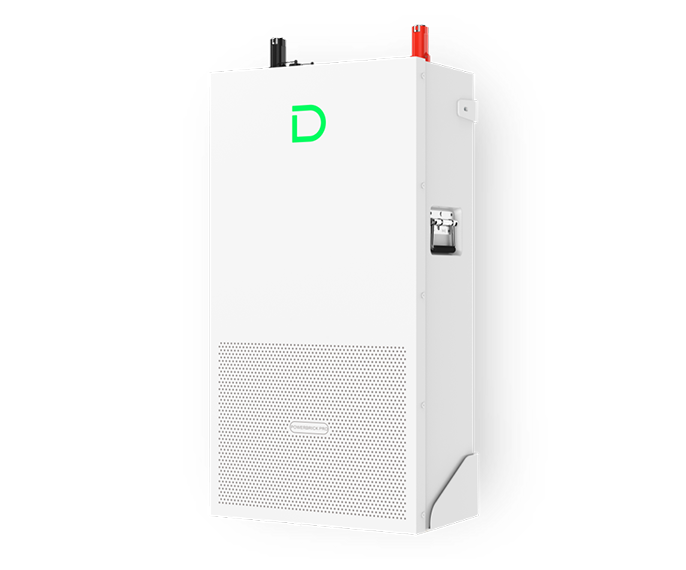
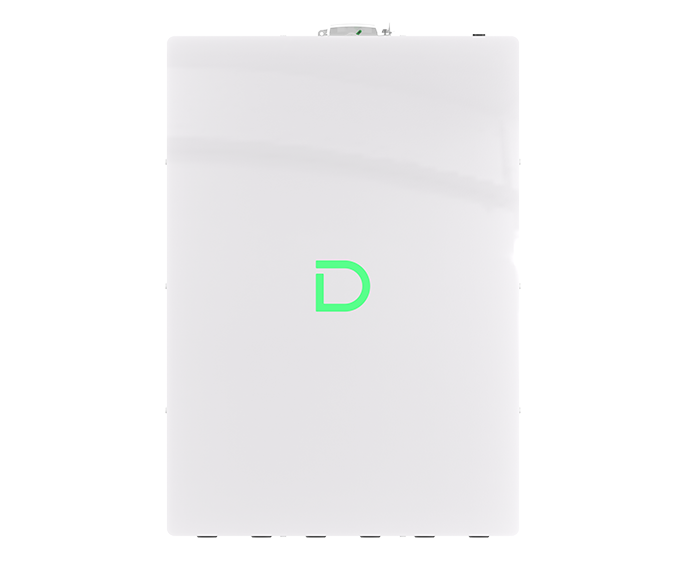
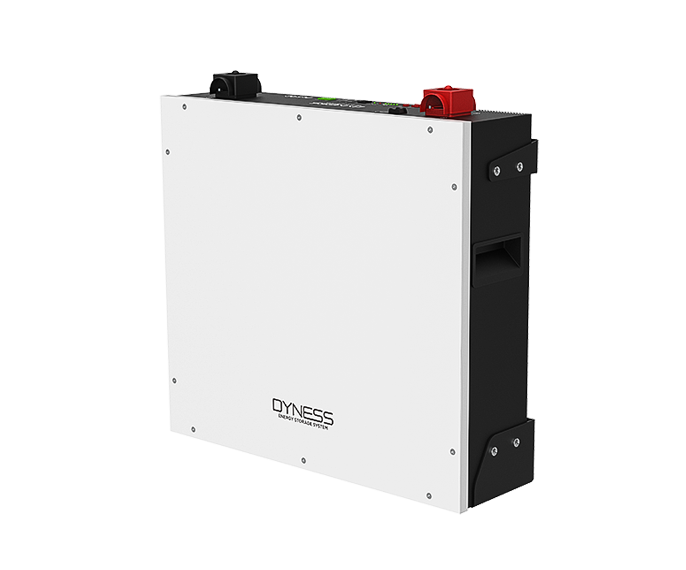
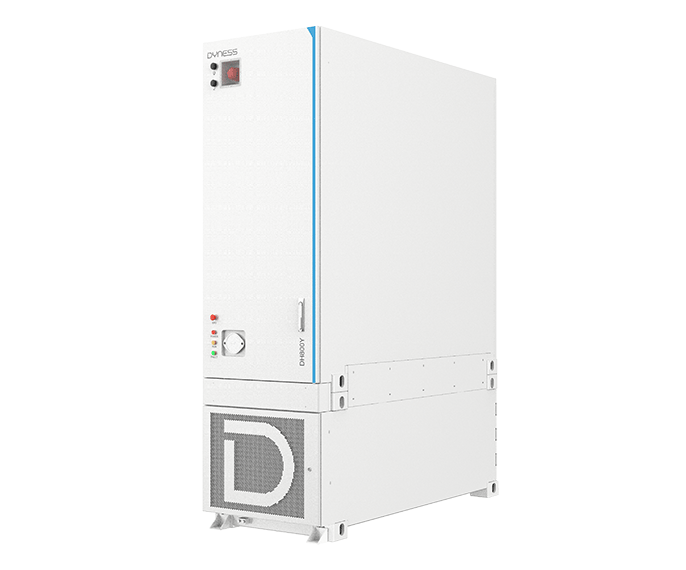
Traditional industrial and commercial energy storage systems are typically delivered with fixed power and capacity specifications, making it difficult to meet the fragmented needs of specific projects. The DH800Y liquid-cooled modular energy storage system launched by Dyness adopts a design philosophy of "tailoring products to project requirements."
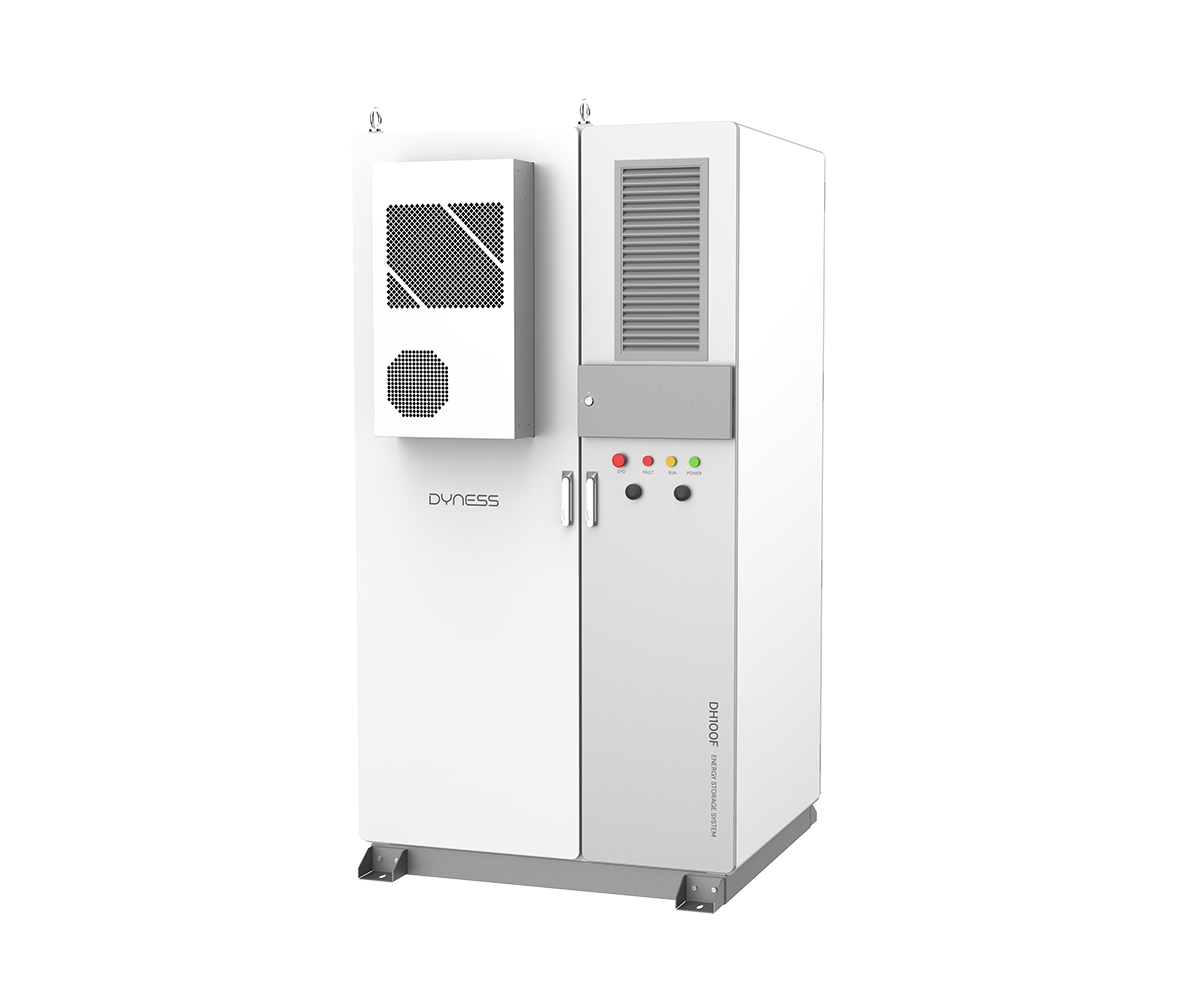
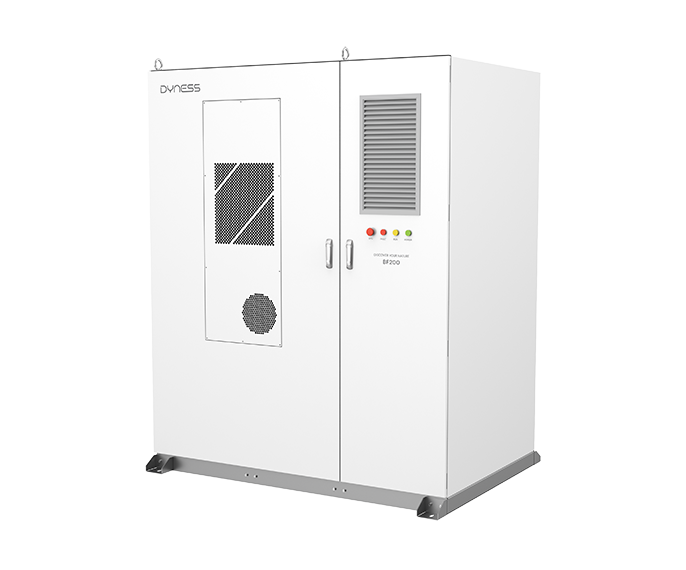
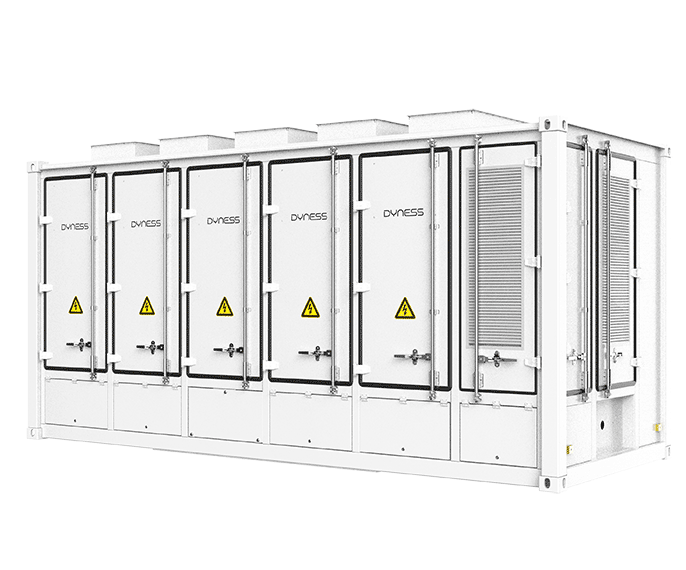
The DH800Y unit is configured with a capacity of 420 kW/836 kWh and can be combined based on target power, storage duration, and site conditions: • 3 units provide approximately 1.26 MW/2.5 MWh, matching the footprint of a 10-foot container; • 6 units provide approximately 2.52 MW/5 MWh, matching the footprint of a 20-foot container; • 12 units provide approximately 5.04 MW/10 MWh, matching the footprint of a 40-foot container.
Its value lies not merely in the combination of multiple units, but in the standardization of modules regarding transport, lifting, and site dimensions; this allows project capacity to be determined based on load and revenue models, rather than being constrained by fixed container specifications.
For manufacturing plants, power ratings and energy storage durations can be matched to peak loads and production shifts. For logistics parks and PPA projects, capacity can be configured based on surplus photovoltaic energy and delivery profiles. For phased construction projects, initial capacity can meet current needs, with gradual expansion as loads increase.
LCOS From Purchase Price to Total Lifecycle Cost: How the DH800Y Reduces LCOS
The costs associated with industrial and commercial energy storage extend beyond equipment procurement to encompass various expenses, including land, logistics, construction and commissioning, capacity degradation, and downtime for operations and maintenance. The key economic indicator for a project is the Levelized Cost of Storage (LCOS)—the comprehensive cost per unit of usable electricity over the system's entire lifecycle.
The DH800Y features an independent modular design (420 kW/836 kWh) that allows for flexible configuration based on specific power and duration requirements, thereby avoiding the capacity redundancy often associated with fixed-specification systems. For scenarios involving gradual load growth, the system supports phased deployment, easing upfront capital pressure. Its compact modular layout enables a capacity of approximately 5 MWh in a 20-foot container and up to 10 MWh in a 40-foot container. By increasing energy storage density per unit area, it effectively lowers costs related to land use, civil foundations, and fire safety infrastructure. The modules comply with standard transportation and lifting specifications, minimizing the need for oversized transport and reducing on-site assembly work. Furthermore, the use of standardized modules—along with reusable designs, packaging, and construction workflows—cuts down on repetitive engineering costs across distributed C&I (commercial and industrial) projects.
Spanning everything from demand segmentation and architectural iteration to full-lifecycle value, the DH800Y is more than just a highly flexible, modular energy storage product; it offers scenario-specific, precision configuration and solutions for incremental capacity expansion in the C&I sector, while ensuring long-term project returns through a lower Levelized Cost of Storage (LCOS).
Conclusion
The transformation of industrial and commercial energy storage epitomizes the power system's shift from rigidity to flexibility. Users no longer seek merely to install energy storage; they require solutions precisely tailored to their specific operational contexts. At the heart of this technological evolution lies the goal of maximizing the value of every kilowatt-hour of stored energy. Modular energy storage systems—offering flexible configurations, on-demand capacity expansion, and a lower Levelized Cost of Storage (LCOS)—equip industrial and commercial enterprises with dedicated, flexible assets, positioning them as hubs for smart energy management and partners in the green energy transition.