
























Why Is Balcony Energy Storage Considered a Way to “Save Electricity for Nighttime Use”?


Get notified about new updates, products, tips and tutorials. No spam.
Balcony solar systems usually generate the most electricity during the day, while many households use more electricity in the evening. This creates a timing mismatch: solar power is available when demand is low, but household demand rises after solar generation drops.
Balcony energy storage helps solve this mismatch by storing surplus daytime solar power and releasing it later for evening or nighttime use. The goal is not to generate more electricity, but to make more of the electricity already produced by balcony solar available at the right time.

The Core Logic: Energy Time-ShiftingThe Core Logic: Energy Time-Shifting
Balcony energy storage is often described as a way to “save electricity for nighttime use” because it changes when solar power can be used.
A balcony solar system usually produces the most electricity in the middle of the day, when sunlight is strongest. However, many users are away from home during these hours, and household electricity demand may be relatively low.
Without a battery, surplus solar power cannot always be fully used by the home. Depending on local rules and system settings, it may be exported to the grid, limited by the system, or have limited financial value for the user.
With balcony energy storage, part of this surplus daytime electricity can be stored in the battery. Later, when the household uses more electricity in the evening or at night, the battery can discharge stored solar energy to support daily loads.
This process is called energy time-shifting. It does not create additional electricity. It simply moves solar energy from a low-demand time period to a higher-demand time period.
Why Daytime Solar and Nighttime Use Often Do Not Match
The biggest challenge for balcony solar is not always how much electricity it can generate. In many households, the bigger issue is whether that electricity can be used when it is produced.
During the day, common base loads such as refrigerators, routers, standby devices, and small appliances may consume part of the solar power. But if generation exceeds real-time household demand, the excess energy may not create full value for the user.
In the evening, the situation changes. Family members return home, lights are turned on, computers and entertainment devices are used, and cooking or laundry loads may increase. At this time, balcony solar panels are producing little or no electricity.
This creates a structural mismatch between generation time and consumption time. Balcony energy storage helps close this gap by storing daytime surplus and making it available later.

Key Factors That Affect Nighttime Solar Use
The value of balcony energy storage depends on how well the system matches solar generation, battery capacity, and household electricity habits.
| Key Factor | Why It Matters |
|---|---|
| Daytime occupancy | If fewer people are at home during the day, more balcony solar power may become surplus. |
| Evening electricity demand | The more electricity the household uses at night, the more valuable stored solar energy can become. |
| Battery capacity | Battery size determines how much surplus daytime solar power can be stored for later use. |
| Battery state of charge | If the battery is already full, additional surplus solar power may not be stored. |
| Weather conditions | Sunny days can create more surplus solar energy, while cloudy days may reduce the amount available for storage. |
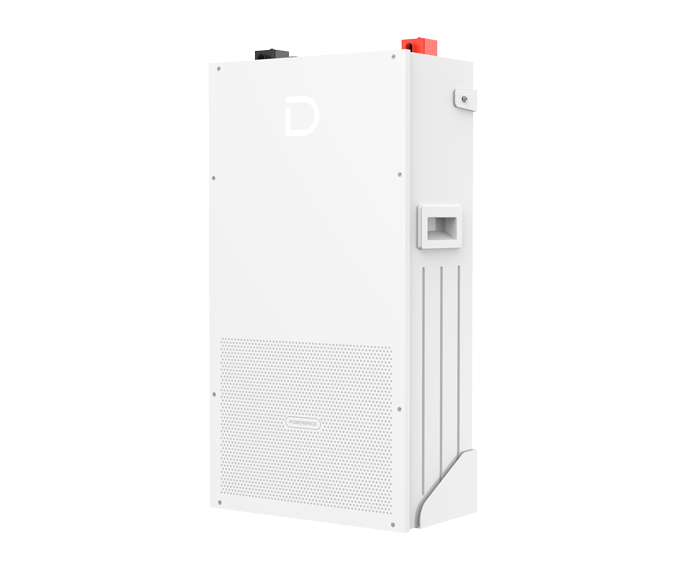
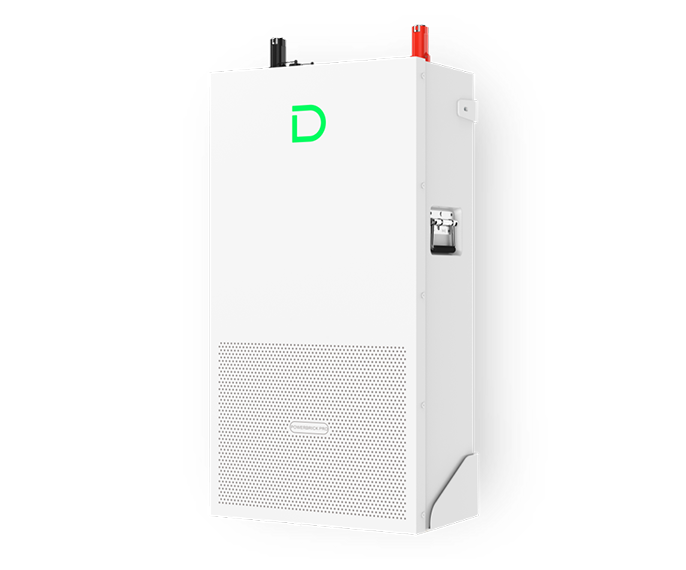
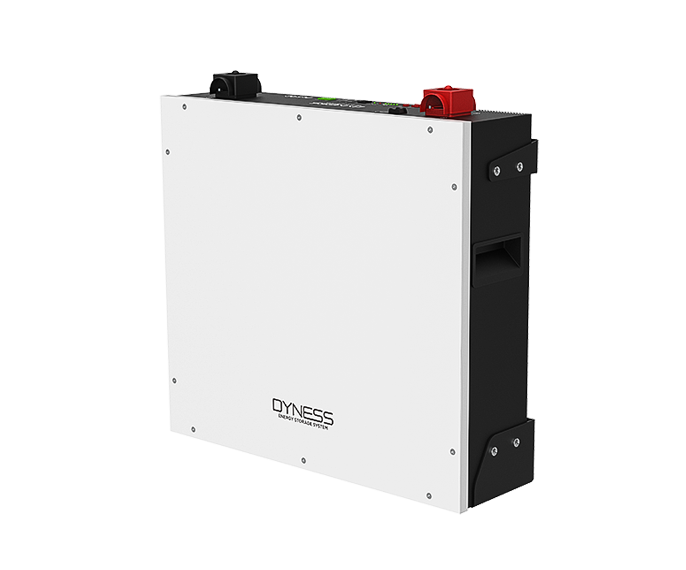
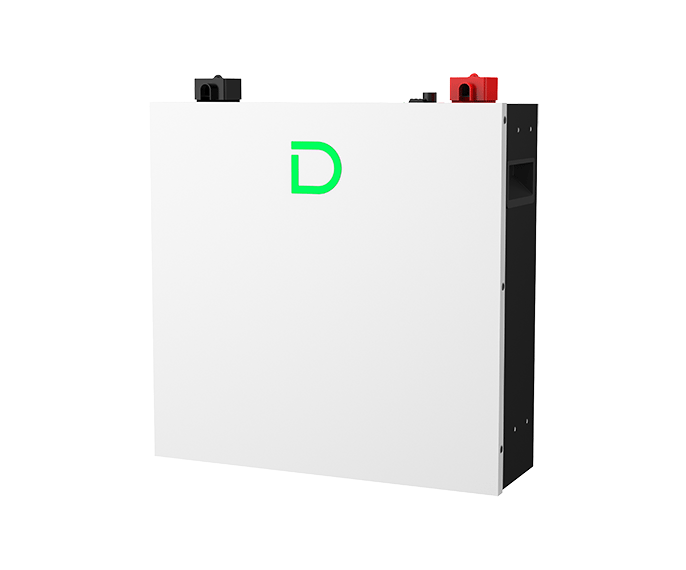
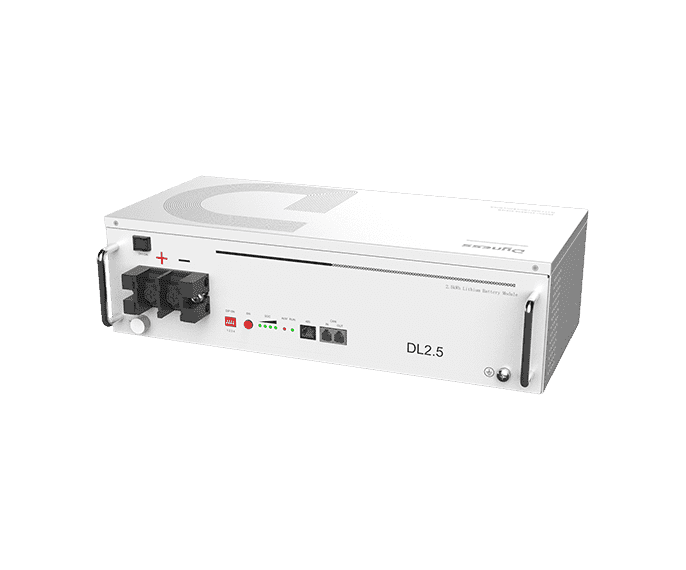
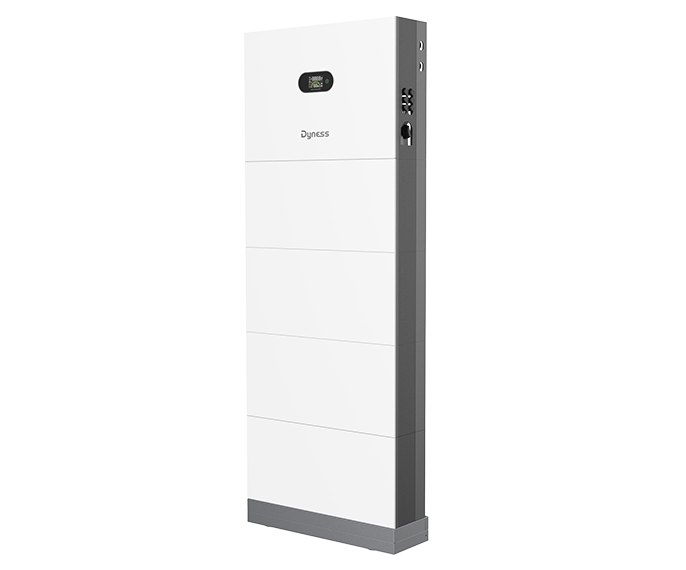
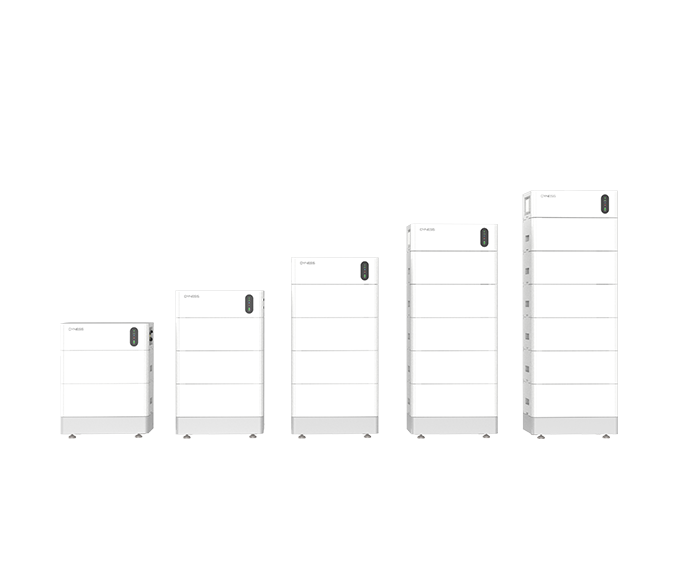
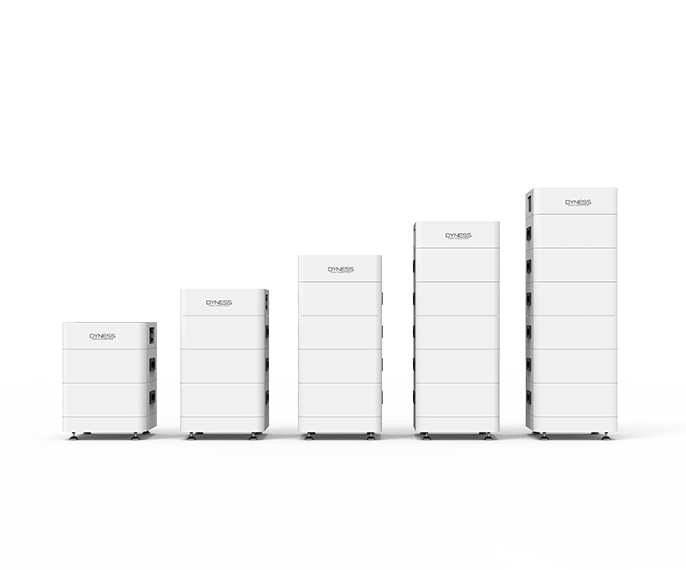
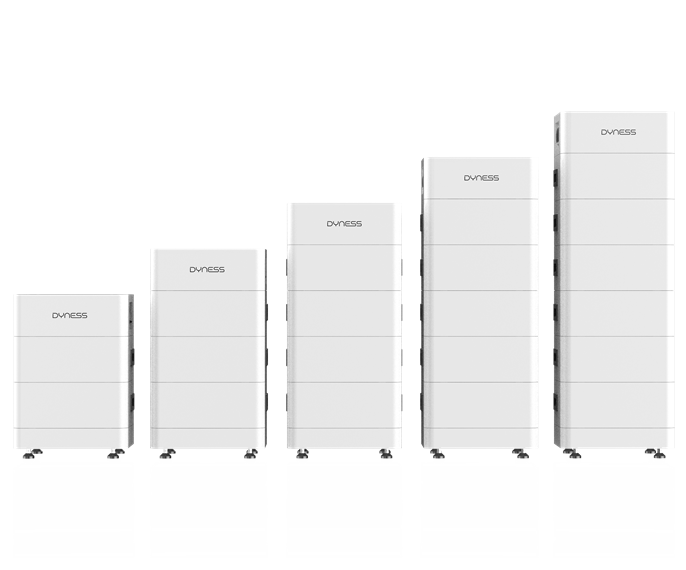
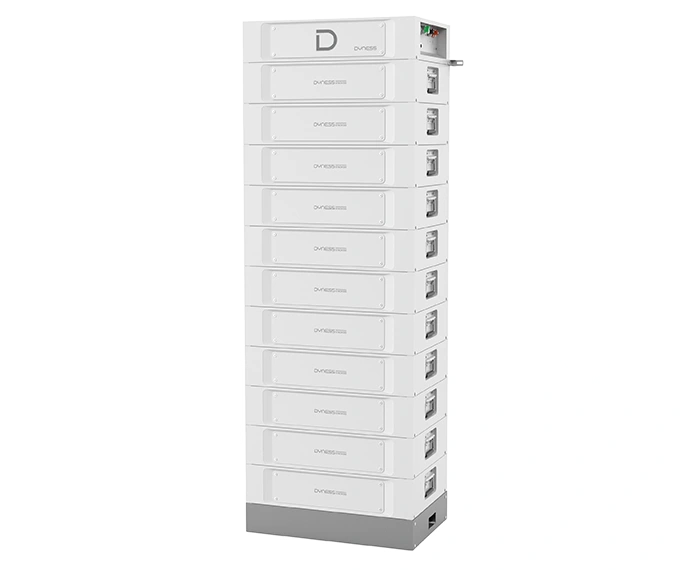
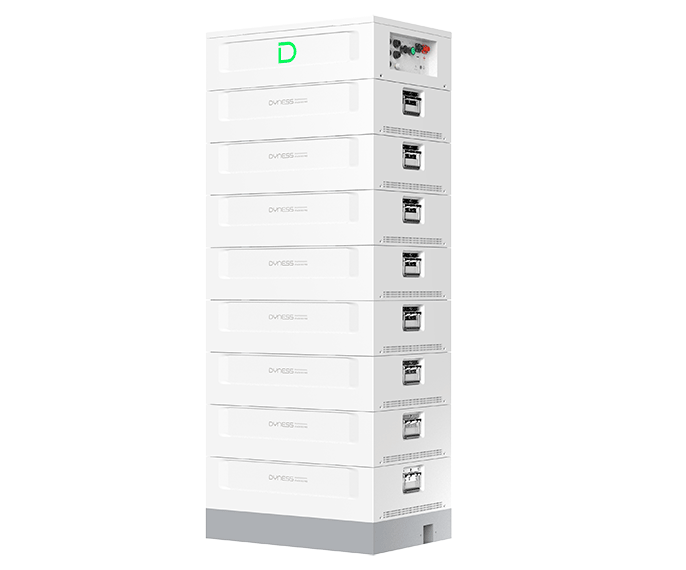
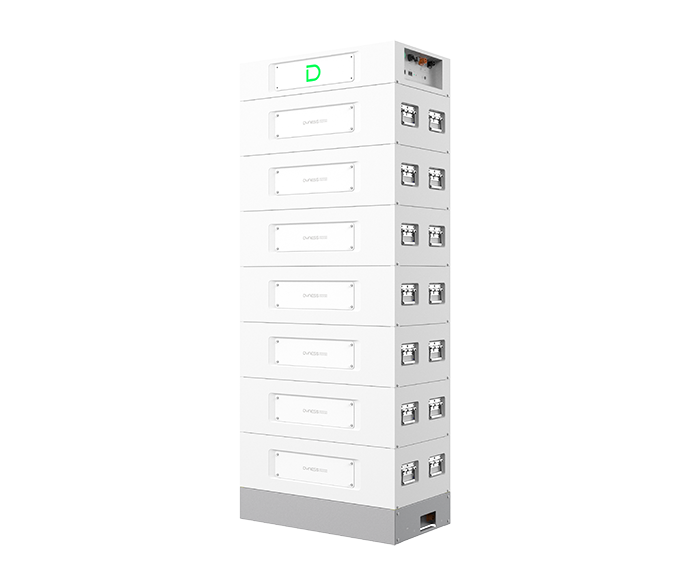
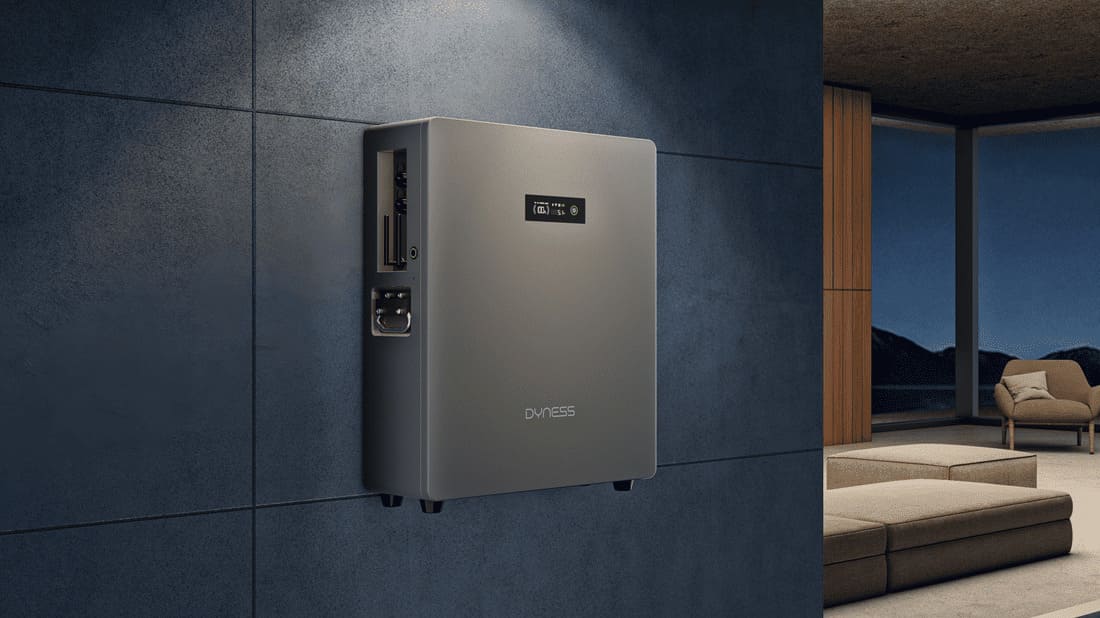
Products such as AquaVolt and SolarCube are designed to help users improve balcony solar self-consumption by storing surplus solar power and releasing it later when household demand increases.
Common Misunderstandings About Balcony Energy Storage
Myth 1: Installing balcony solar panels automatically guarantees large electricity savings.
Solar panels can generate electricity, but savings depend on how much of that electricity is actually used by the home. If daytime electricity demand is low and there is no storage, some generated power may not create full value.
Myth 2: Energy storage generates more electricity.
A battery does not generate electricity. It stores electricity that has already been produced and makes it available later. Its main value is improving the timing of energy use.
Myth 3: All nighttime electricity will come from the battery.
Only the energy stored in the battery can be used later. If nighttime demand exceeds the stored amount, the home will still draw electricity from the grid.
Myth 4: Every household needs the largest possible balcony battery.
Bigger is not always better. Battery capacity should match balcony solar output, daytime surplus, evening demand, available space, and budget. Oversizing may increase cost without improving daily value.
Who Benefits Most from Balcony Energy Storage?
Balcony energy storage is especially useful for households that produce solar power during the day but use more electricity in the evening.
| Household Profile | Why Balcony Storage Helps |
|---|---|
| Apartment users with balcony solar | Storage helps make better use of limited balcony solar generation. |
| Households away during the day | Surplus daytime solar power can be stored instead of being underused. |
| Homes with higher evening demand | Stored energy can support lighting, routers, entertainment devices, small appliances, and other evening loads. |
| Users with very low nighttime consumption | Storage may offer less value if there is little evening demand to use the stored energy. |
Before choosing a balcony storage system, users should estimate daytime surplus generation, evening electricity use, battery capacity needs, installation space, local grid rules, and system compatibility.
Final Takeaway
Balcony energy storage is considered a way to save electricity for nighttime use because it helps solve the timing mismatch between daytime solar generation and evening household demand.
Instead of letting surplus solar power lose value during the day, a balcony battery can store part of that energy and release it later when the home needs electricity more.
For users who are away during the day but use more electricity at night, balcony energy storage systems such as AquaVolt or SolarCube can help improve solar self-consumption, reduce grid dependence, and make balcony solar more practical for everyday life.
FAQ
-
Q: Why do many households still buy electricity at night even with solar panels installed?

A: Because solar panels require sunlight and naturally hit peak generation during midday, whereas typical household electrical demand peaks after sunset. Without a storage buffer, the two timelines never align.
-
Q: What is the main purpose of balcony energy storage?
A: Its primary purpose is to capture and preserve excess daytime electricity—which would otherwise be wasted or exported—and hold it for use during high-demand evening hours.
-
Q: Can all generated electricity be stored?
A: No. Whether electricity can be saved depends entirely on your battery capacity, current state of charge, and overall system configuration.
Learn More