
























How Much of Your Nighttime Electricity Actually Comes from Energy Stored During the Day?


Get notified about new updates, products, tips and tutorials. No spam.
For households with a balcony PV system and a plug-in balcony energy storage system, part of the electricity used at night can come from solar energy stored during the day.
However, there is no fixed percentage that applies to every home. The actual share depends on daily solar generation, daytime household consumption, battery capacity, weather conditions, and nighttime electricity demand. In general, the more surplus solar energy that can be stored during the day, the more self-generated electricity can be used in the evening or at night.

Why Nighttime Electricity Depends on Daytime Storage
A balcony PV system generates electricity when sunlight is available, while many households use more electricity in the evening or at night. This creates a timing gap between solar generation and household consumption.
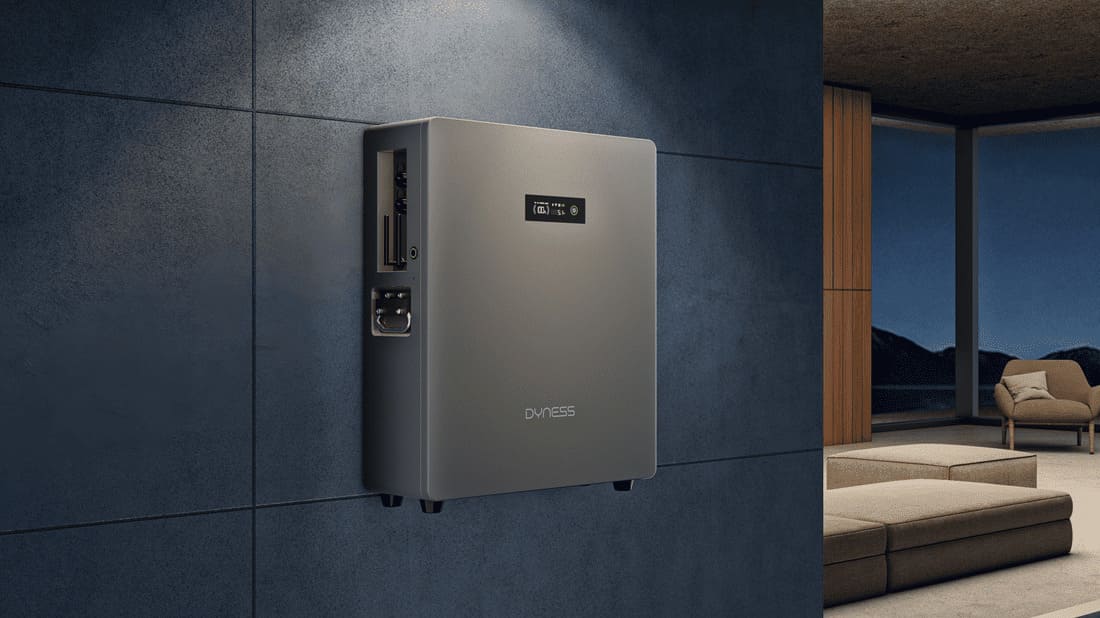
The role of a plug-in balcony energy storage system is to store daytime solar electricity that is not used immediately and release it later when the PV system produces little or no power.
This means nighttime electricity does not automatically come from solar panels directly. It comes from the portion of solar energy that was successfully stored in the battery during the day.
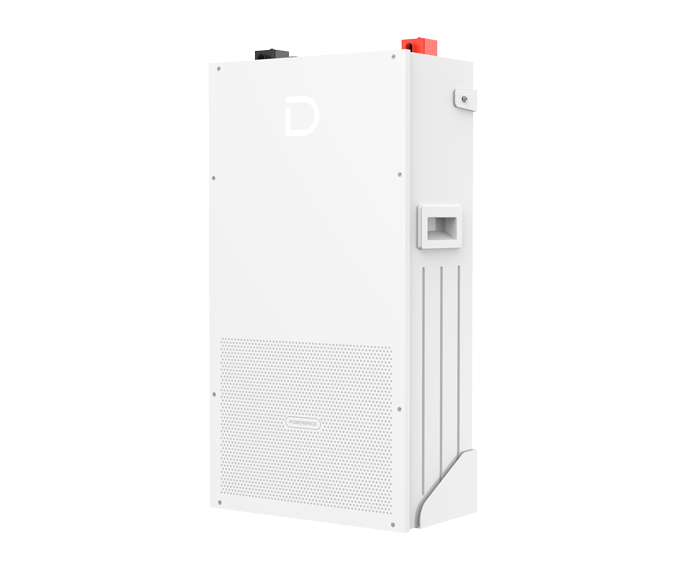
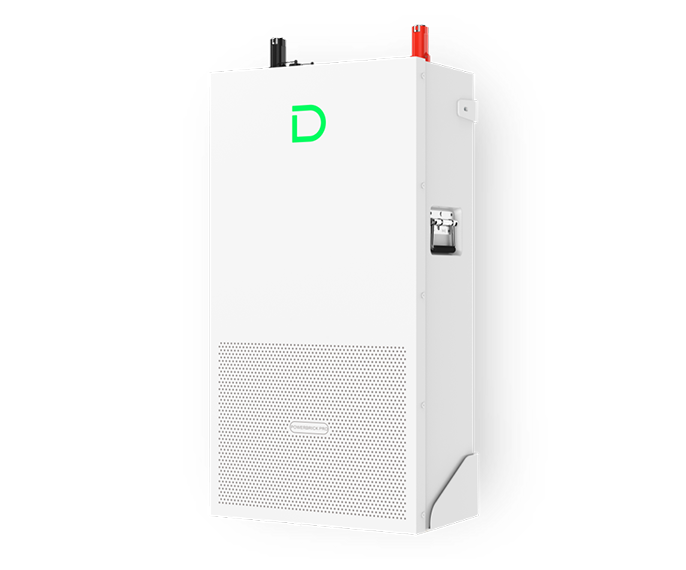
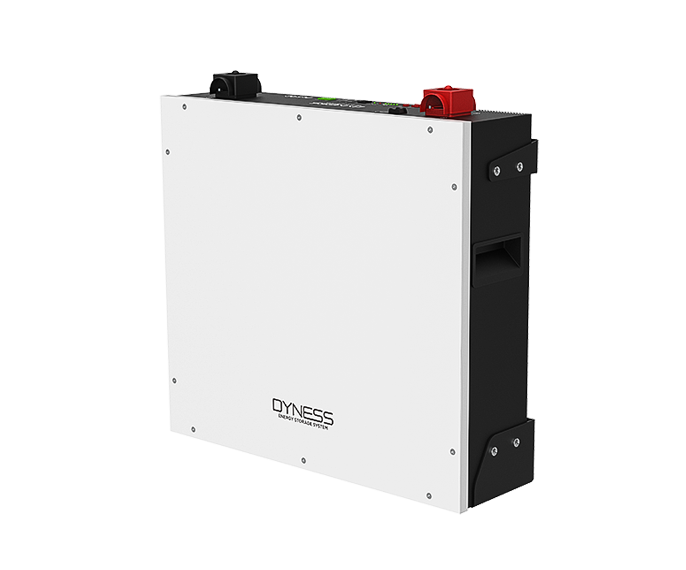
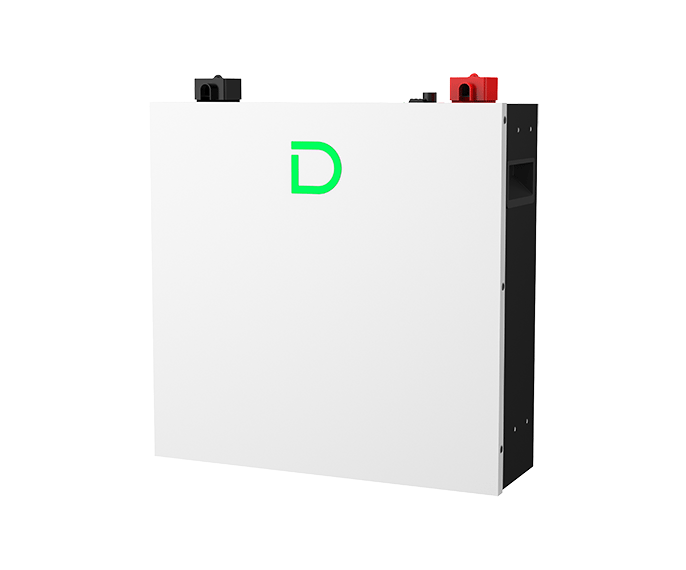
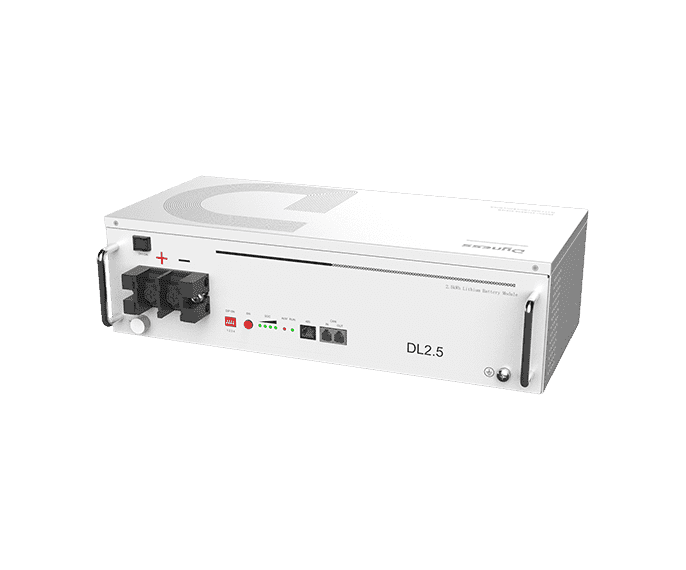
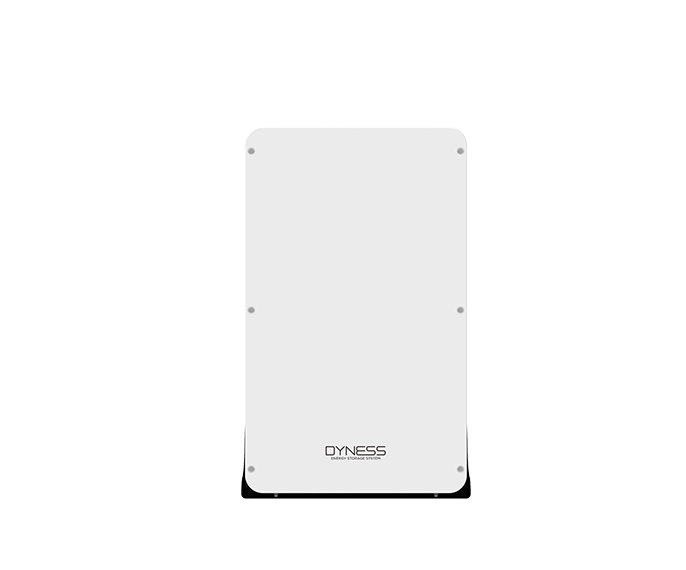
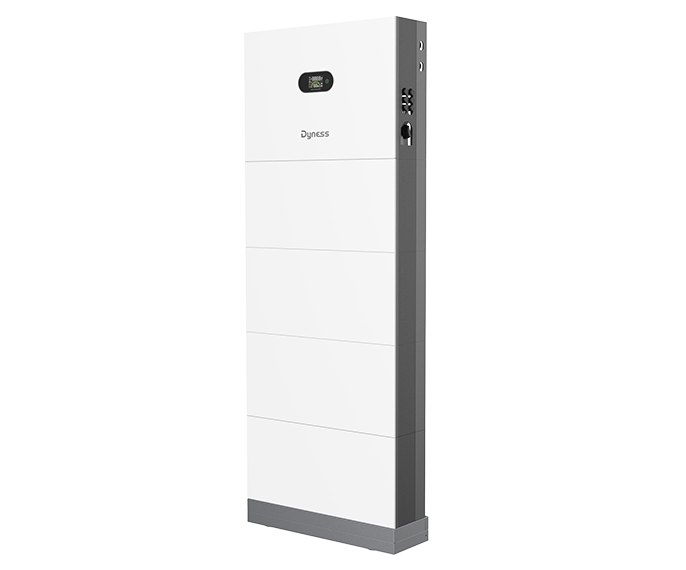
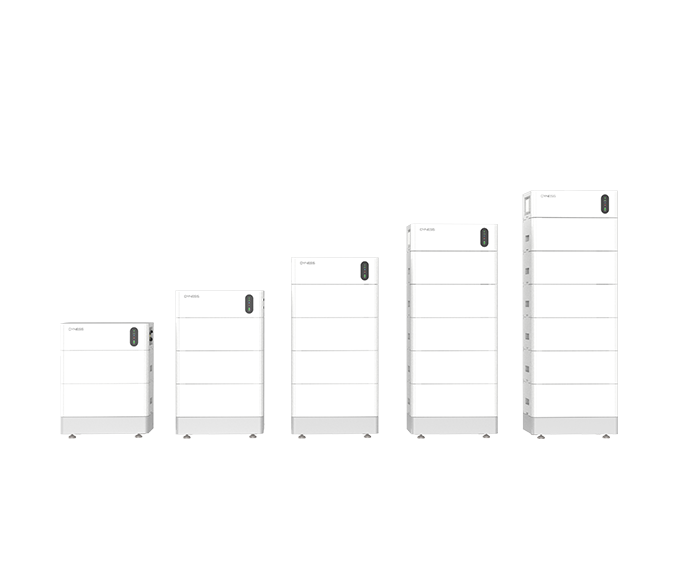
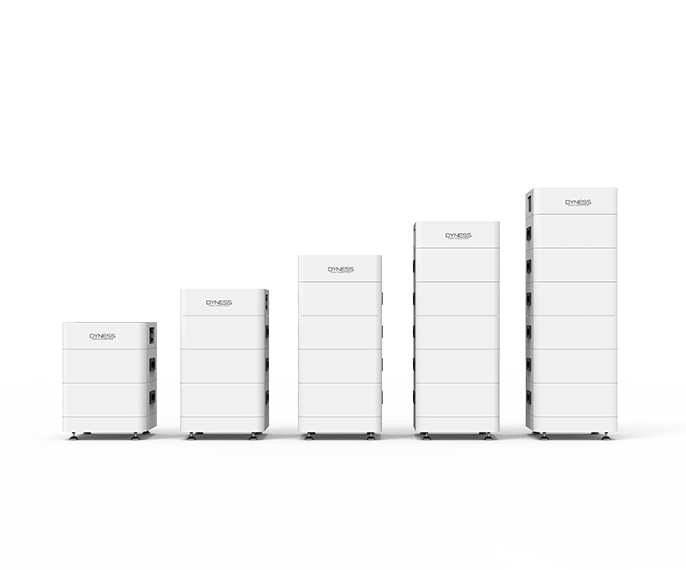
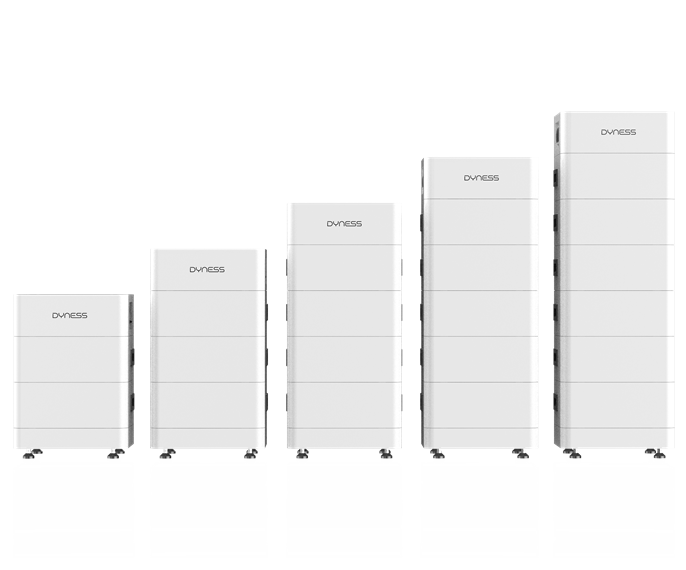
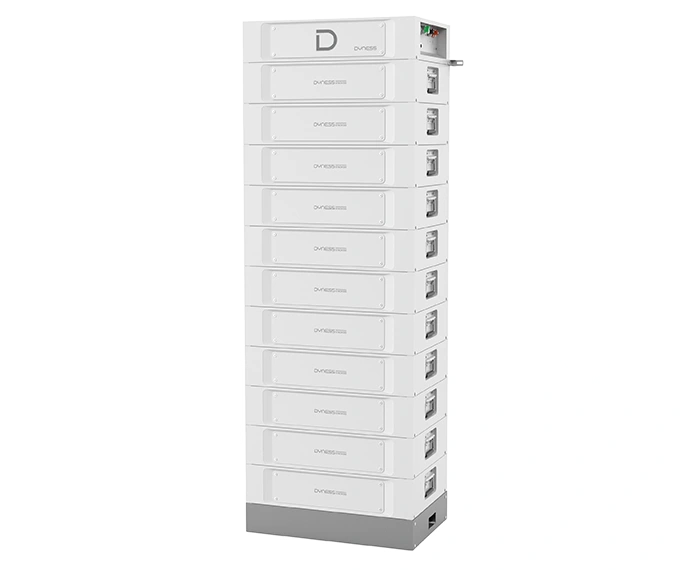
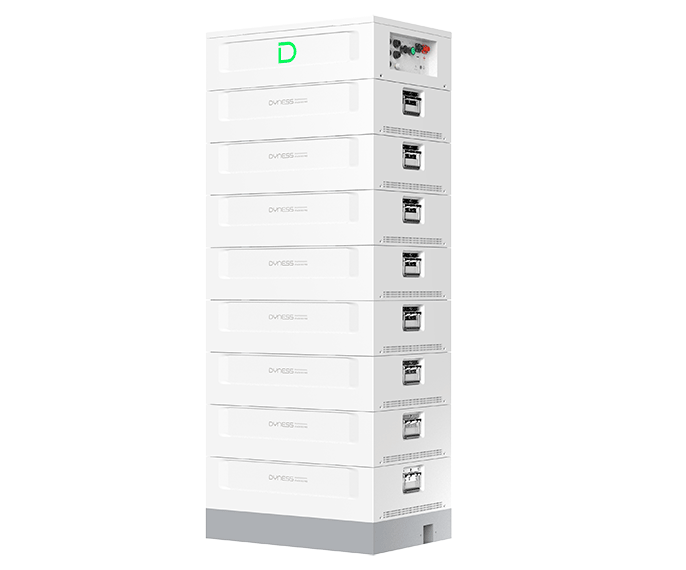
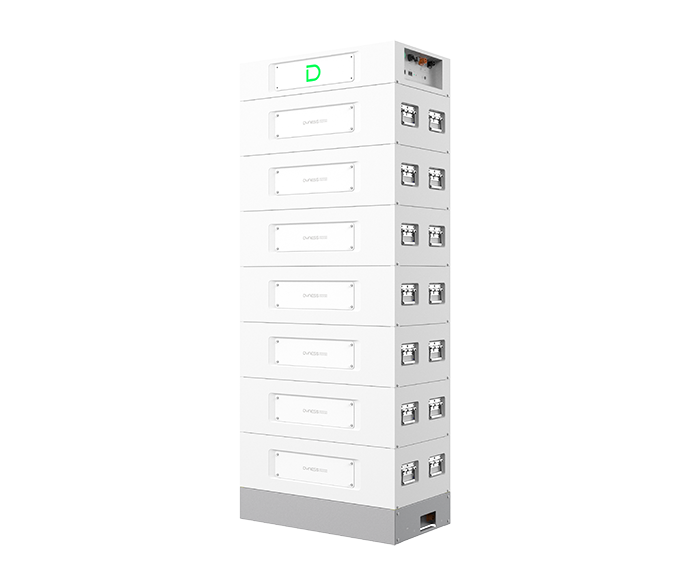
AquaVolt, as a plug-in all-in-one ESS, is designed to coordinate PV generation, battery storage, and household electricity use in an integrated system. SolarCube 2, as a plug-in stackable ESS, supports flexible battery capacity expansion for households whose energy demand may increase over time.
What Determines How Much Stored Solar Power You Use at Night
The share of nighttime electricity supplied by stored solar energy depends on how much surplus PV power is available during the day and how much electricity the household uses after sunset.
| Key Factor | Why It Matters |
|---|---|
| Daily PV generation | More solar generation usually creates more opportunity to store surplus energy for nighttime use. |
| Daytime household consumption | If much of the solar power is used immediately during the day, less energy remains available for battery charging. |
| Battery capacity | The battery size determines the maximum amount of surplus solar energy that can be stored. |
| Nighttime electricity demand | Stored energy only creates value when the home has enough evening or nighttime demand to use it. |
| Weather and season | Sunny summer days may provide more stored energy, while cloudy days or winter conditions may reduce charging opportunities. |
For most households, a properly sized balcony battery helps increase the share of self-generated solar electricity used at night. But the result will vary from day to day because solar generation and household demand are not fixed.

How to Estimate Your Nighttime Solar Share
A simple way to understand nighttime solar use is to compare three values: surplus solar energy during the day, usable battery capacity, and nighttime electricity demand.
Stored solar energy for night use ≈ daytime solar surplus stored in the battery
If your balcony PV system produces more energy than your home uses during the day, the surplus can charge the battery. At night, the battery can discharge that stored energy until the stored amount is used up or the battery reaches its discharge limit.
| Scenario | Likely Nighttime Result |
|---|---|
| High daytime surplus + suitable battery capacity + high evening demand | A higher share of nighttime electricity can come from stored solar energy. |
| High daytime consumption + little surplus solar energy | Less energy is stored, so nighttime grid use may remain higher. |
| Small battery + high solar surplus | The battery may fill up quickly, leaving some surplus solar energy unstored. |
| Large battery + low solar surplus | Part of the battery capacity may remain unused because there is not enough surplus energy to charge it. |
This is why the best balcony storage system is not always the largest one. The ideal system should match solar generation, daily surplus, nighttime demand, and future capacity needs.
Common Misunderstandings About Nighttime Stored Energy
Myth 1: All nighttime electricity comes from energy stored during the day.
Not necessarily. Only the electricity stored in the battery can be used at night. Once the stored energy is depleted, the household will draw electricity from the grid.
Myth 2: After installing a plug-in balcony ESS, there will be no electricity bills.
A plug-in balcony energy storage system can improve the use of PV-generated electricity, but grid electricity may still be needed when solar generation is low, battery capacity is insufficient, or household demand is high.
Myth 3: A larger battery always means more nighttime solar use.
A larger battery only helps if there is enough surplus PV energy during the day to charge it and enough nighttime demand to use it. Otherwise, part of the capacity may remain unused.
Myth 4: No electricity can be stored on cloudy days or in winter.
As long as the PV system generates electricity and there is surplus energy available, the battery can still charge. However, the amount stored is usually lower under cloudy weather or shorter winter sunlight conditions.
Who Benefits Most from Balcony Energy Storage?
Balcony energy storage is especially useful for households that produce solar power during the day but use more electricity in the evening.
| Household Profile | Why Balcony Storage Helps |
|---|---|
| Apartment users with balcony solar | Storage helps make better use of limited balcony solar generation. |
| Households away during the day | Surplus daytime solar power can be stored instead of being underused. |
| Homes with higher evening demand | Stored energy can support lighting, routers, entertainment devices, small appliances, and other evening loads. |
| Users with very low nighttime consumption | Storage may offer less value if there is little evening demand to use the stored energy. |
Before choosing a balcony storage system, users should estimate daytime surplus generation, evening electricity use, battery capacity needs, installation space, local grid rules, and system compatibility.
Final Takeaway
There is no fixed answer to how much nighttime electricity comes from energy stored during the day. The actual share depends on solar generation, daytime consumption, battery capacity, weather, season, and nighttime electricity demand.
If your household generates meaningful surplus PV energy during the day and uses more electricity in the evening, a plug-in balcony energy storage system can help store more self-generated electricity and reduce nighttime grid dependence.
For users who want a simple integrated solution, AquaVolt can support plug-in balcony storage with coordinated PV and battery management. For users who expect future growth in electricity demand, SolarCube 2 can provide a modular and stackable storage path.
The most effective approach is to choose a battery capacity that matches your real energy pattern and supports future expansion when needed.
FAQ
-
Q: Is all the electricity used at night always stored during the day?

A: Not necessarily. When there is stored energy in the battery, the system can use that energy first. If the stored electricity is not enough, the household will still draw power from the grid.
-
Q: How can I increase the proportion of stored solar electricity used at night?
A: You can increase the nighttime share by choosing a battery capacity that matches your daytime surplus solar generation and evening electricity demand. Reducing unnecessary daytime consumption or improving PV generation can also help create more energy available for storage.
-
Q: Is the balcony battery fully charged every day?
A: Not always. Whether the battery can be fully charged depends on daily PV generation, daytime household consumption, weather conditions, battery capacity, and current battery state of charge.
Learn More