
























How Is the Electricity Generated by Balcony Solar Used at Home?


Get notified about new updates, products, tips and tutorials. No spam.
Electricity generated by a balcony solar system is usually used first by household appliances that are running at the same time, such as refrigerators, routers, computers, or standby loads. This is called self-consumption.
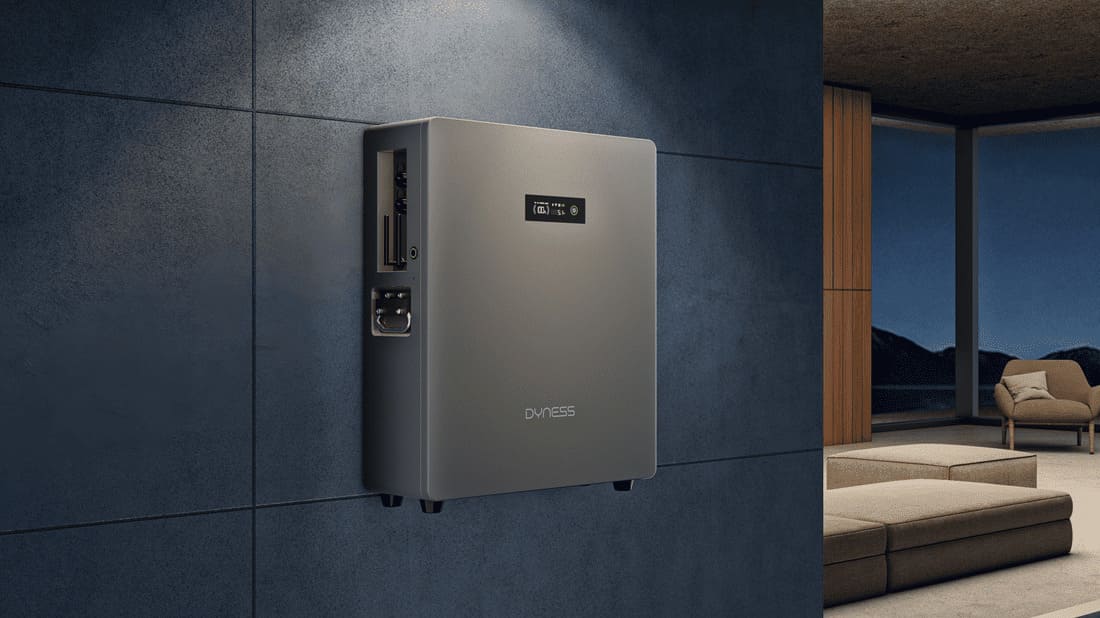
However, balcony solar power is not automatically stored unless a battery is installed. When solar generation is higher than real-time household demand, surplus energy may flow back to the grid or be limited by the system. A balcony energy storage system can store excess daytime power and make it available later in the evening or at night.

1. How Balcony Solar Power Flows Inside the Home
A balcony solar system generates electricity during the day through photovoltaic modules. The electricity is converted by a microinverter or inverter and then supplied to the household circuit.
Once the power enters the home electrical system, it is normally consumed first by appliances that are already running. These may include a refrigerator, Wi-Fi router, computer, lighting, washing machine, or other household loads.
This is why balcony solar is often described as a self-consumption system. The electricity is most valuable when it can directly offset the power that the home would otherwise draw from the grid.
However, the key point is timing. Balcony solar power is used most efficiently when generation and household demand happen at the same time. If solar production is high but home electricity demand is low, not all generated power can be used immediately.
2. Why Not All Balcony Solar Electricity Is Used Directly
Many users assume that all electricity generated by a balcony solar system will automatically be used by the home. In reality, only the portion that matches real-time household demand is directly consumed.
For example, if the balcony solar system is producing power during the afternoon but most family members are away and only a few base-load appliances are running, household demand may be lower than solar generation.
Without a battery, the surplus power is not automatically saved for later. Depending on the local grid rules and system configuration, excess electricity may be fed into the public grid, limited by the system, or have limited financial value for the user.
This is the reason some users feel that their balcony solar system generates electricity, but their electricity bill does not decrease as much as expected. The issue is not only how much power the system produces, but how much of that power can be consumed at the right time.
3. How Balcony Energy Storage Improves Self-Consumption
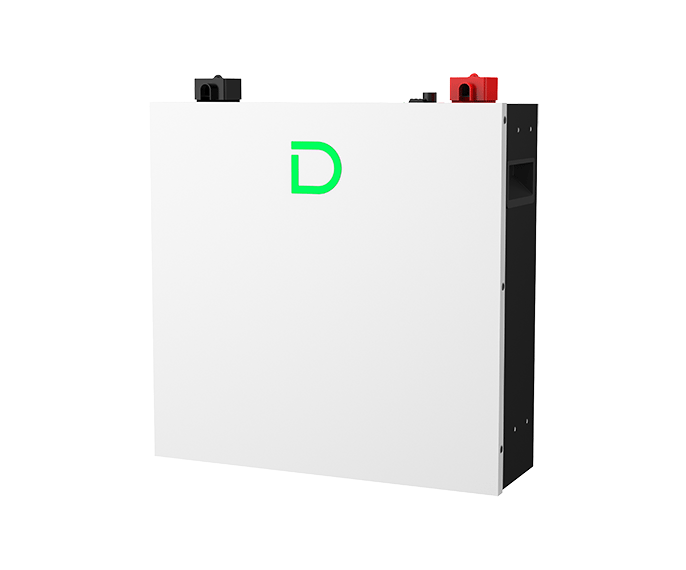
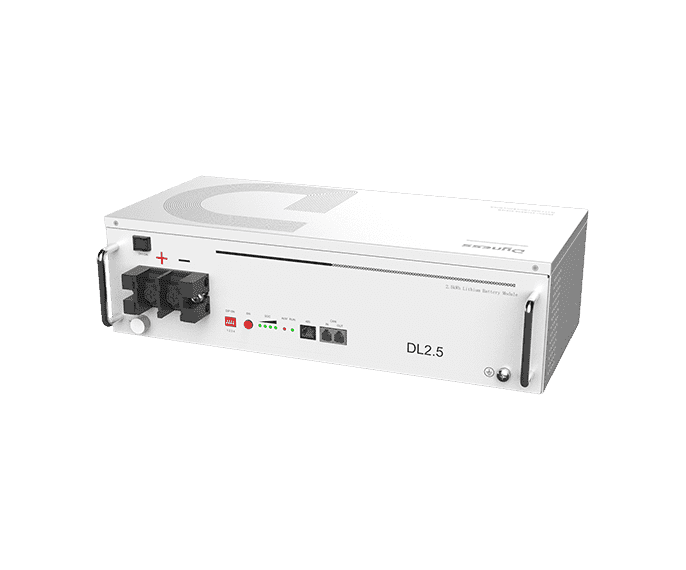
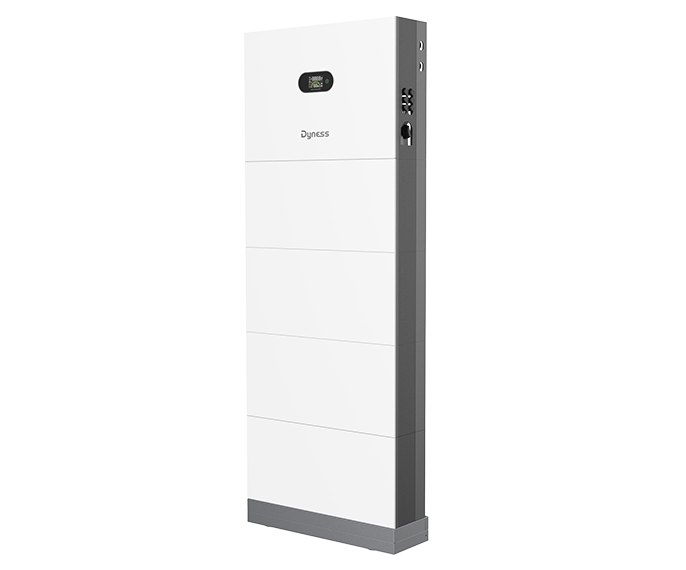
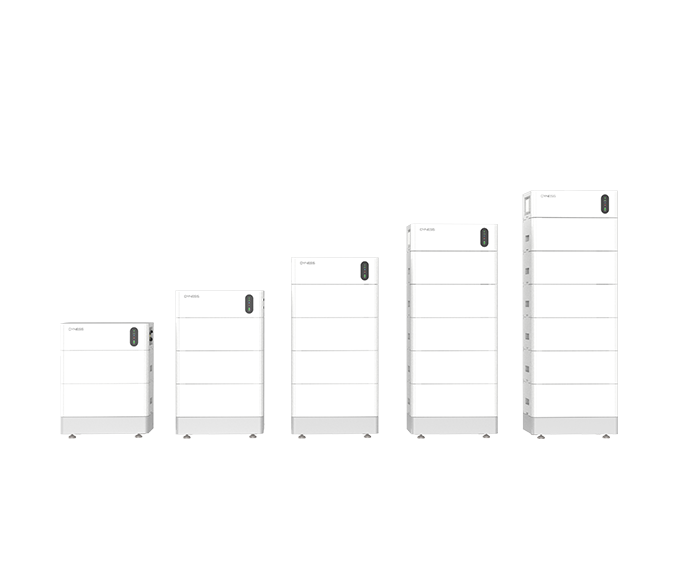
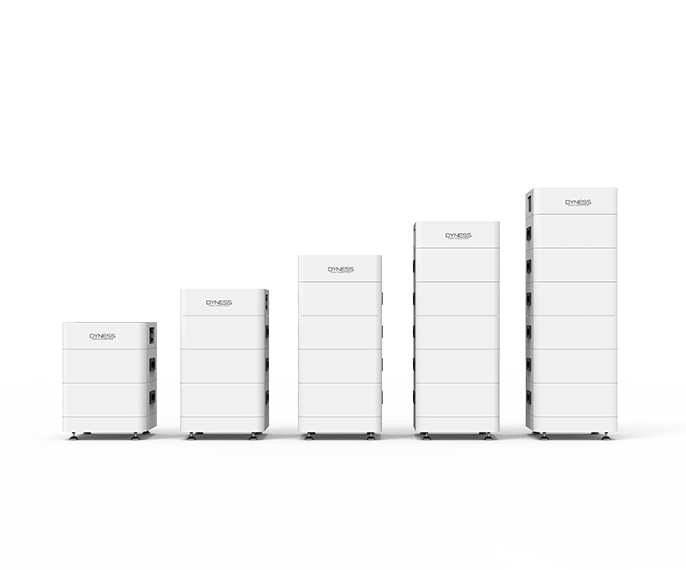
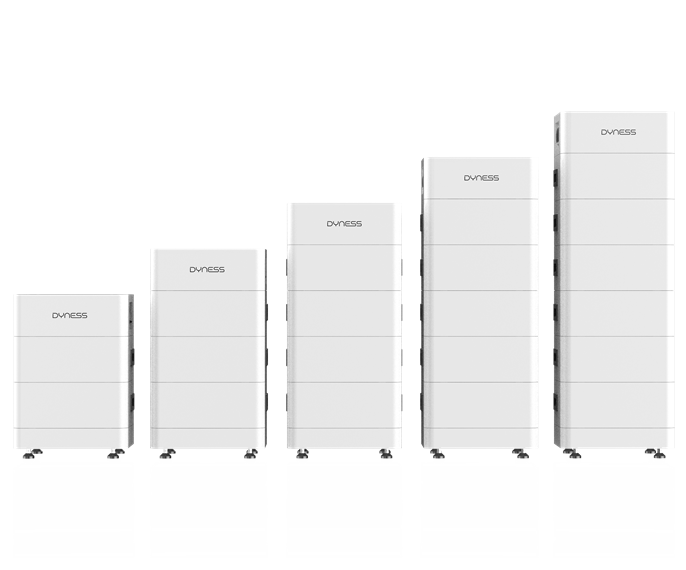
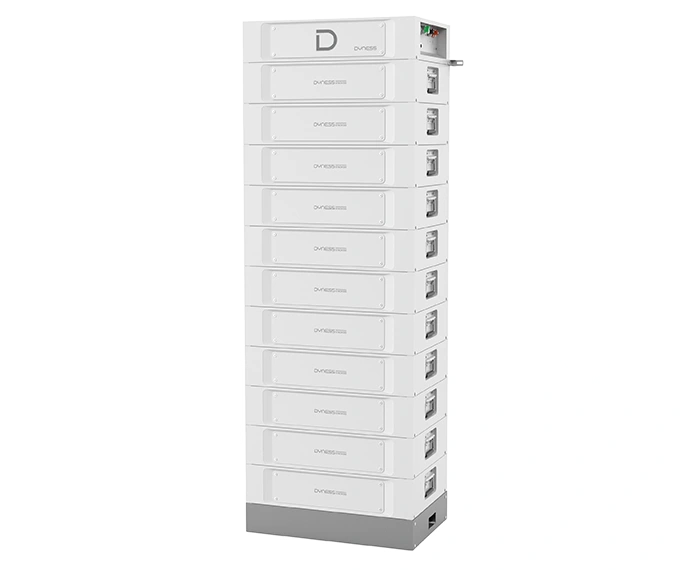
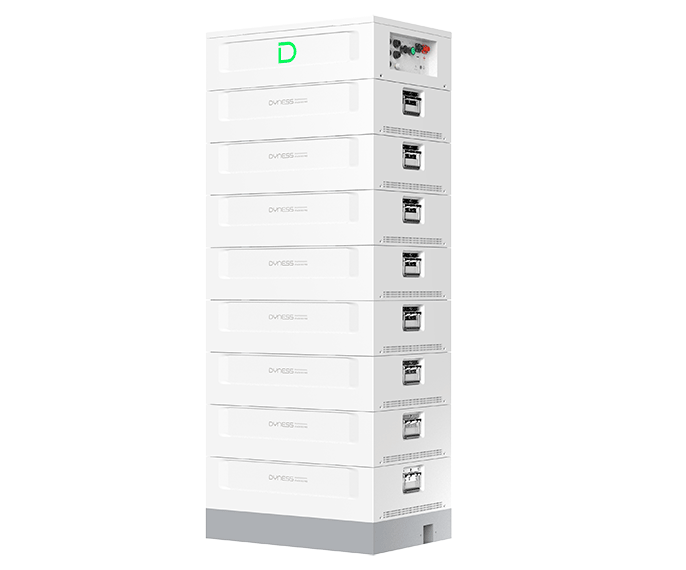
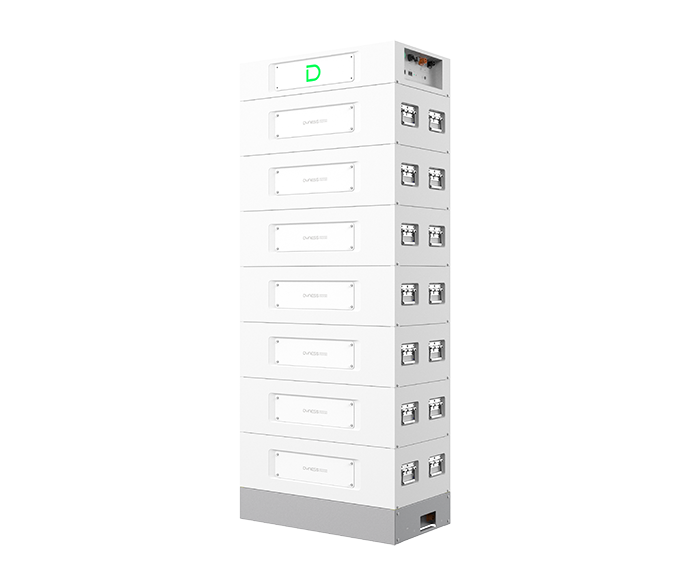
A balcony energy storage system can improve solar self-consumption by storing surplus daytime electricity and releasing it later when the home needs power.
This process is often called energy time-shifting. Instead of losing the value of excess midday generation, users can store the power and use it during the evening, at night, or during higher electricity price periods, depending on the system configuration and local electricity rules.
For example, a balcony solar system may generate more electricity at noon than the home can consume immediately. With battery storage, part of this surplus energy can be stored and later used for lighting, routers, entertainment devices, small appliances, or other evening loads.
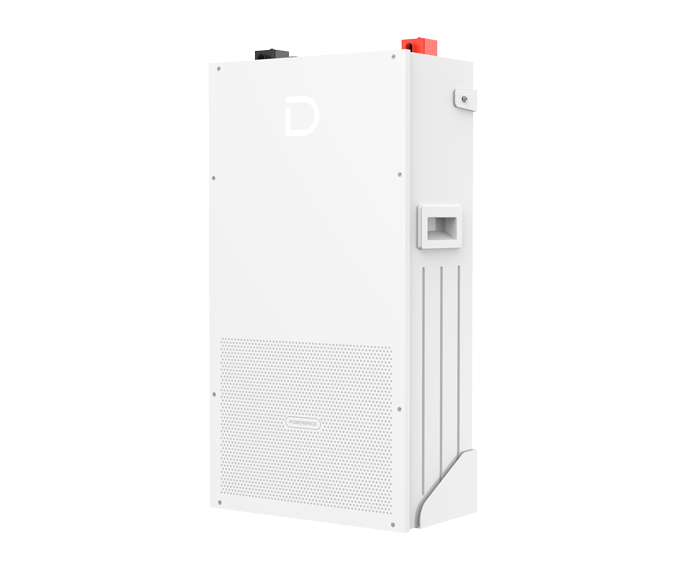
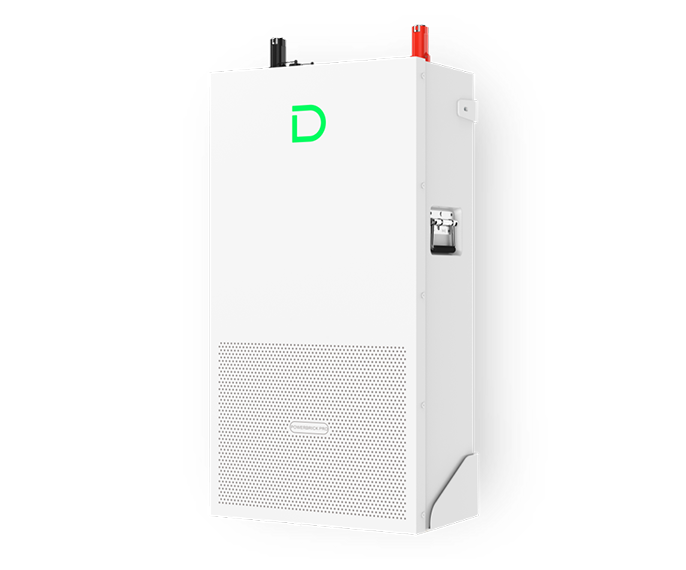
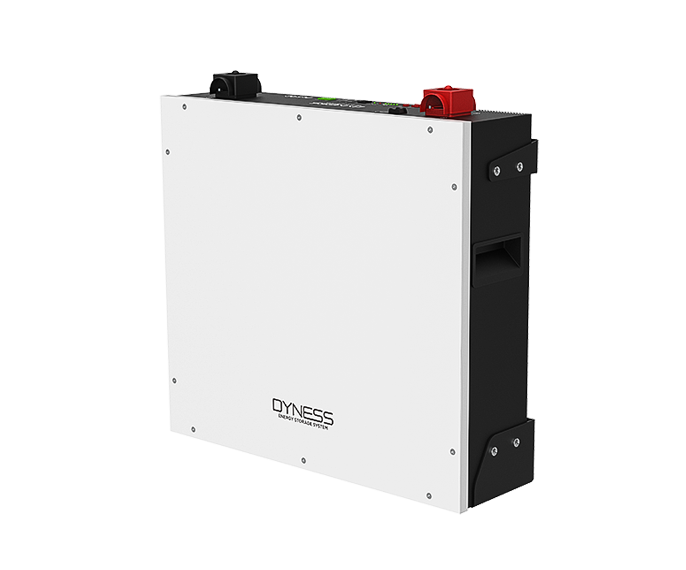
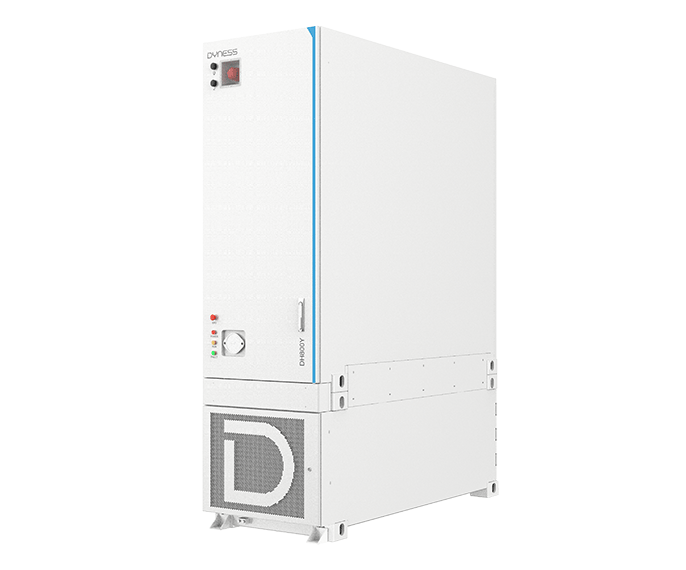
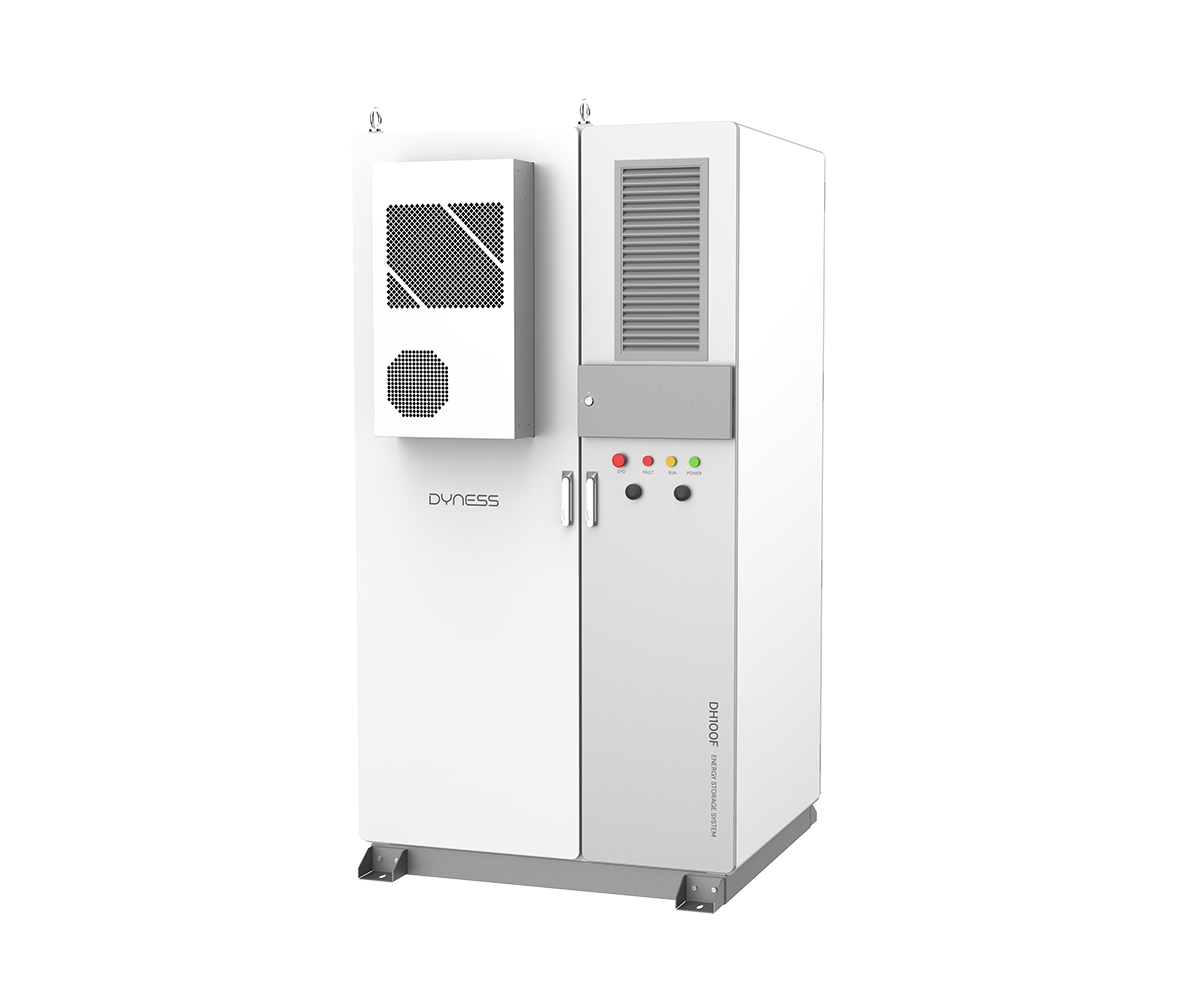
Solutions such as balcony solar storage systems are especially useful for users whose daytime electricity consumption is low but whose evening electricity demand is higher.
The final self-consumption improvement depends on solar generation, battery capacity, household load pattern, inverter settings, local regulations, and energy management strategy.
4. Key Factors That Affect Balcony Solar Self-Consumption
The efficiency of a balcony solar system depends not only on the size of the solar panels, but also on how well generation matches household electricity use.
| Factor | How It Affects Electricity Use |
|---|---|
| Usage timing | If household electricity use is low during the day, more solar power may become surplus. |
| Base load level | Constant loads such as refrigerators, routers, and standby devices can directly consume part of the generated power. |
| Battery configuration | A suitable battery can store surplus daytime power and improve evening or nighttime use. |
| System matching | Solar panel size, inverter output, battery capacity, and household demand should be matched carefully. |
| Weather conditions | Sunny days may create concentrated generation, while cloudy days reduce available solar power. |
For the best result, users should think beyond panel wattage. The more important question is whether the electricity can be used when it is produced, or stored for later use when demand is higher.
5. Common Myths About Balcony Solar Power Flow
Myth 1: All balcony solar electricity is automatically used by the home.
Only the portion that matches real-time household demand is used directly. If generation exceeds demand and there is no storage system, the surplus may flow back to the grid or be limited by the system.
Myth 2: More solar generation always means more savings.
More generation can help, but savings depend heavily on self-consumption. A system that produces a lot of power at the wrong time may not reduce electricity bills as much as expected.
Myth 3: A battery means 100% of all solar power will be used.
A battery can improve utilization, but total use still depends on battery capacity, household load, system control strategy, charging limits, and daily solar production.
Myth 4: All nighttime electricity comes from daytime solar.
Only the energy stored in the battery can be used later. If nighttime demand exceeds the stored amount, the home will still draw electricity from the grid.
6. Recommended and Not Ideal Use Scenarios
Balcony solar and balcony energy storage are especially suitable for users who want to improve daily solar self-consumption in homes or apartments with limited rooftop space.
| Scenario | Why It Fits or Does Not Fit |
|---|---|
| Apartment or balcony users | Suitable when users have limited rooftop space but want to use solar energy for daily household loads. |
| Homes with low daytime consumption | A battery can help store surplus daytime generation for evening or nighttime use. |
| Users with stable base loads | Devices such as routers, refrigerators, and standby loads can directly consume part of the solar power during the day. |
| Users expecting full off-grid backup | Not ideal if the expectation is to power the whole home independently. Balcony systems are usually designed for partial self-consumption rather than whole-home backup. |
Before choosing a balcony solar storage system, users should check local regulations, installation rules, grid-connection requirements, balcony orientation, available sunlight, inverter output limits, and battery capacity.
7. Final Takeaway
The electricity generated by a balcony solar system is used first by household appliances that are running at the same time. This makes real-time self-consumption the most important factor in how much value the system can create.
Without storage, surplus daytime generation may not be fully used by the home. With a balcony energy storage system, users can store excess solar power and use it later, especially in the evening or at night.
For most users, the core question is not only how much electricity balcony solar can generate, but how much of that electricity can be consumed at the right time. A well-matched balcony solar storage system can help improve energy efficiency, reduce grid dependence, and make everyday solar use more practical.

FAQ
-
How is electricity from a balcony solar system used at home?

Electricity from a balcony solar system is usually used first by household appliances that are running at the same time. This may include refrigerators, routers, computers, lighting, or other base-load devices. This direct use is called self-consumption.
-
Is all balcony solar electricity automatically used by the home?
No. Only the part that matches real-time household demand is directly used. If solar generation is higher than current electricity use and there is no battery storage, surplus electricity may flow back to the grid or be limited by the system, depending on local rules and configuration.
-
Why do some users see limited electricity bill savings from balcony solar?
Balcony solar savings depend on self-consumption. If most solar power is generated during the day but the household uses more electricity in the evening, a large part of the generation may not be used directly. This timing mismatch can reduce the actual savings.
Learn More