




















How Does Home PV + Dyness Storage Improve Solar Self-Consumption?


Get notified about new updates, products, tips and tutorials. No spam.
A home PV system combined with Dyness energy storage can improve solar self-consumption by storing surplus solar energy during the day and using it later when household demand increases, such as in the evening, at night, or during low solar production periods.
Instead of exporting unused solar power to the grid, homeowners can store more of their own renewable energy, reduce grid dependency, and make better use of every kilowatt-hour generated by their PV system. The actual improvement depends on PV size, household load profile, battery capacity, inverter compatibility, system settings, and local regulations.

Why PV Alone Often Leaves Solar Energy Underused
Home PV systems usually generate the most electricity during daytime hours, while many households consume more electricity in the morning, evening, or at night.
Without battery storage, solar power is used by household loads first. If PV generation is higher than real-time demand, the excess electricity may be exported to the grid, limited by the system, or used with lower economic value depending on local policies.
This is the core reason why self-consumption can remain limited in a PV-only system. The home may generate clean electricity, but not always at the same time the household needs it most.
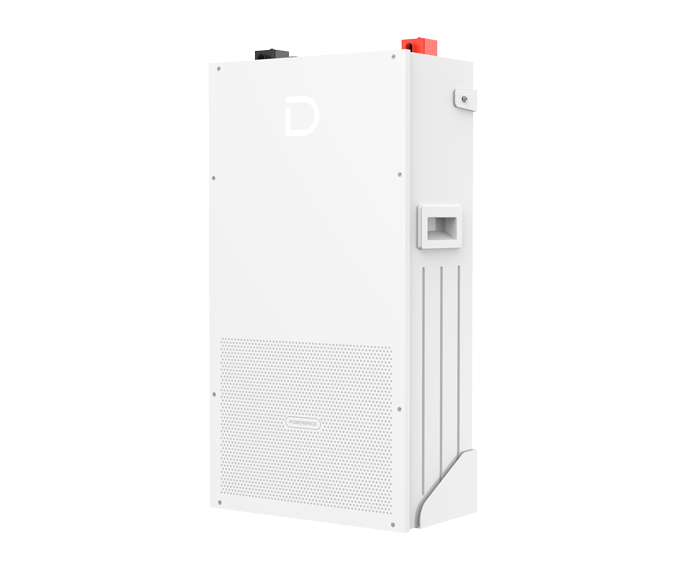
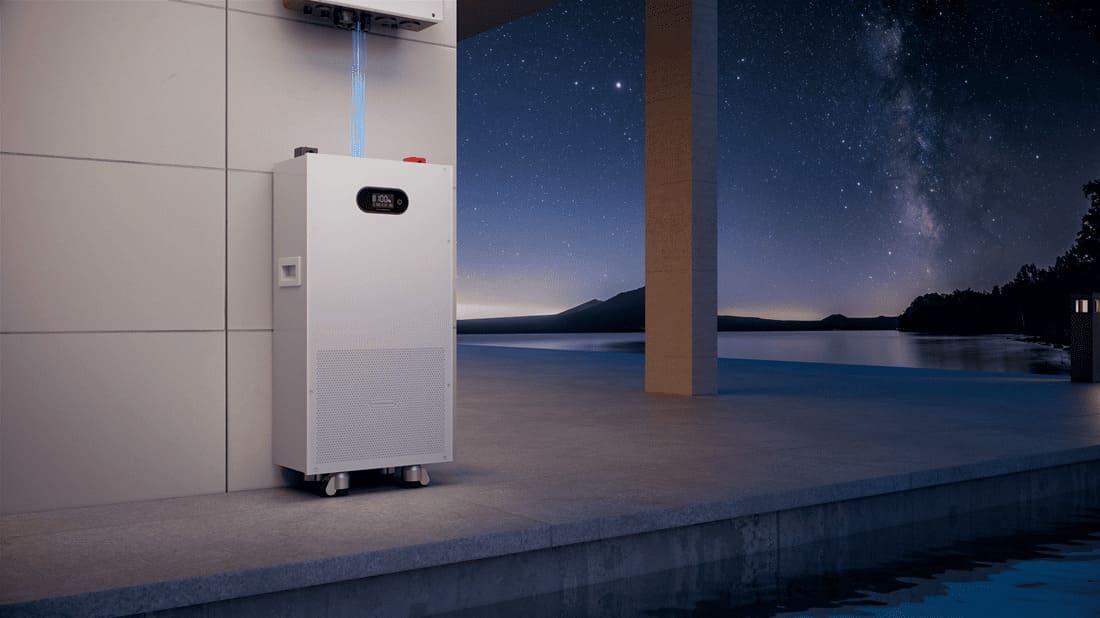
Adding Dyness energy storage helps solve this timing mismatch. The battery stores surplus solar energy during the day and releases it later when PV generation decreases and household demand increases.
How Dyness Storage Improves Solar Self-Consumption
In a typical home PV + Dyness storage system, energy flow is managed according to household demand, solar generation, battery status, inverter settings, and grid conditions.
The basic operating logic is simple: solar power supplies home loads first, surplus solar energy charges the battery, and stored energy is used later when the home needs electricity.
| System Stage | How Energy Is Used | Value for Self-Consumption |
|---|---|---|
| Daytime PV generation | Solar power first supports household loads that are running at the same time. | Reduces direct grid electricity purchases during the day. |
| Surplus solar production | Excess PV energy can be stored in the Dyness battery instead of being immediately exported or underused. | Captures more self-generated electricity for later use. |
| Evening or nighttime use | The battery discharges stored solar energy to support household loads. | Increases the share of solar electricity used by the home. |
| Low solar production periods | Stored energy can supplement household demand when PV output drops. | Improves solar value across more hours of the day. |
For users, the result is a more flexible PV system. Solar power is no longer limited to real-time daytime use; it can be shifted to the periods when the home actually needs it.
Why Battery Scalability Matters for Long-Term PV Value
Solar self-consumption is not fixed forever. A battery system that matches today’s electricity usage may not fully match future household demand.
Over time, homeowners may add EV charging, heat pumps, additional appliances, larger PV systems, or longer backup requirements. These changes can increase evening electricity demand and create a stronger need for storage capacity.
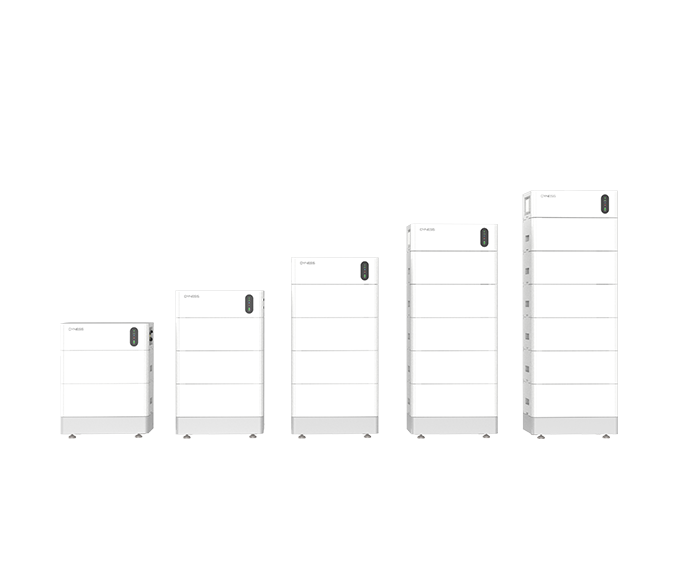
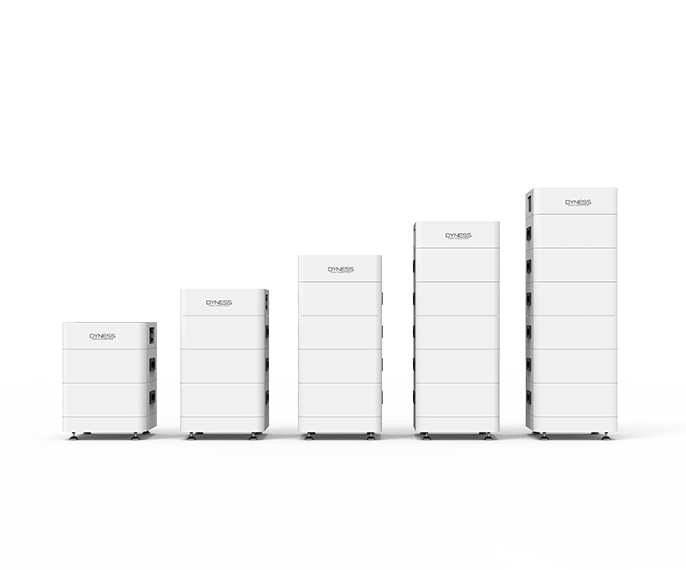
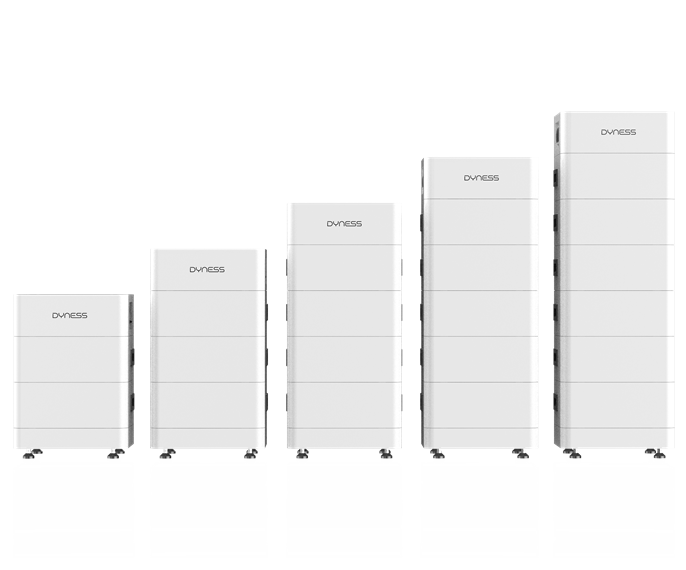
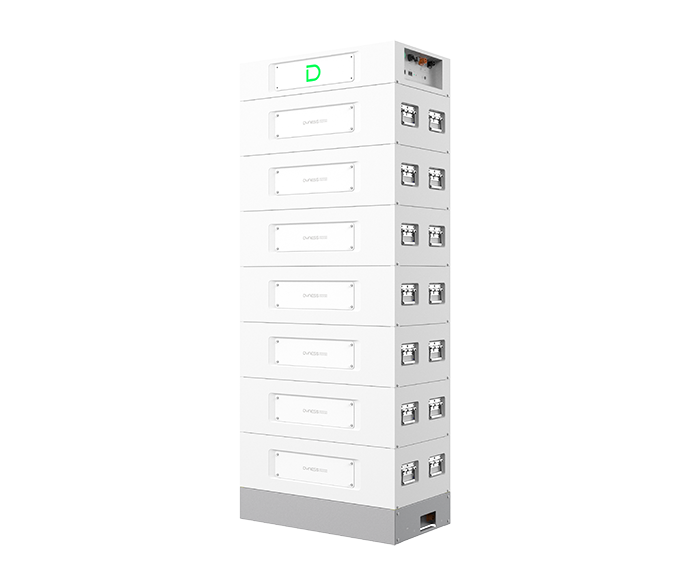
This is why an expandable battery system can be valuable. Instead of replacing the entire system later, users may be able to increase capacity within approved product and inverter configuration limits.
| Expansion Direction | Typical Fit | Application Value |
|---|---|---|
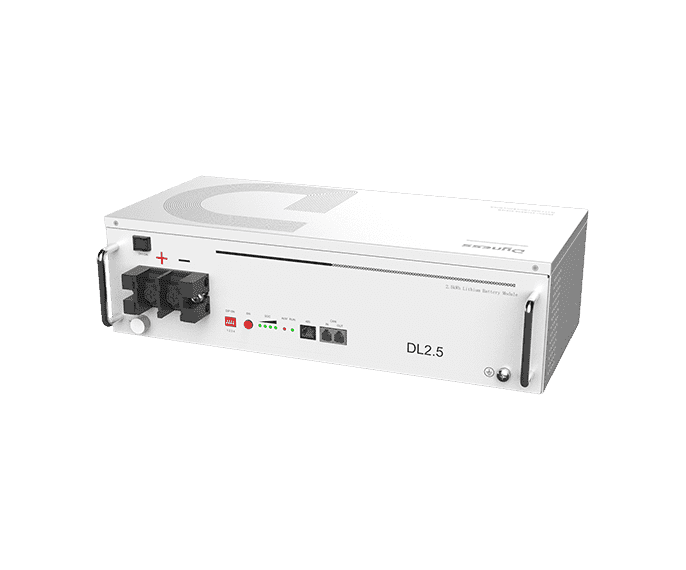
| Low-voltage parallel expansion | Standard residential solar storage and gradual capacity upgrades. | Helps users increase storage capacity as household demand grows. |
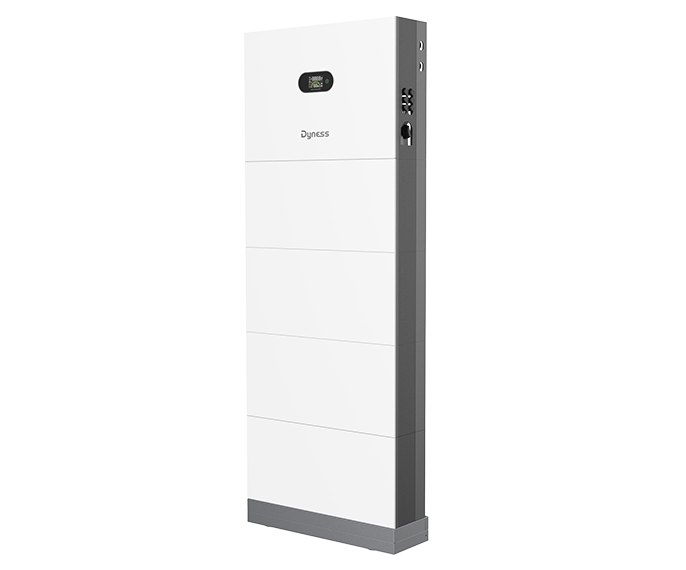
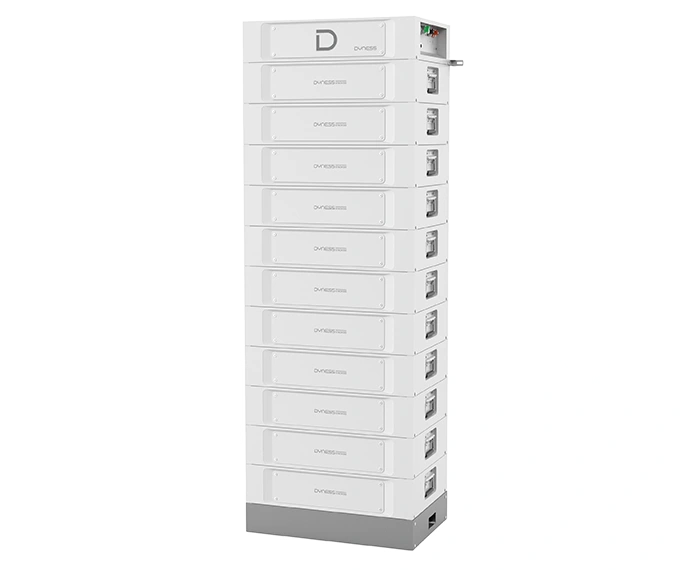
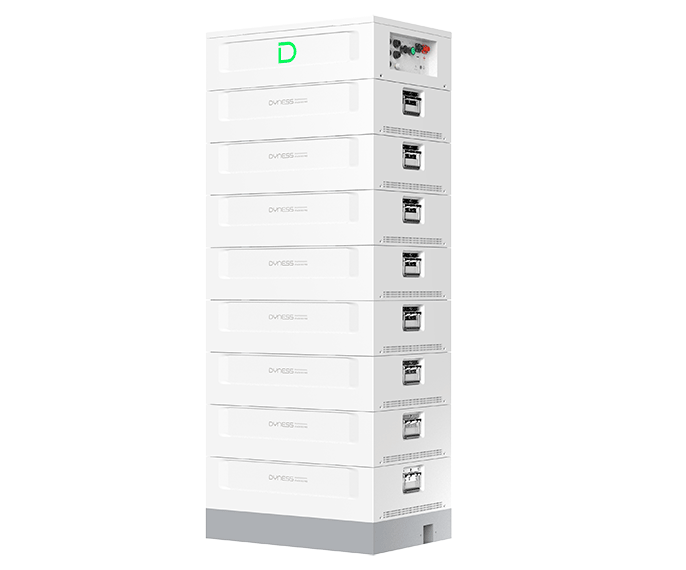
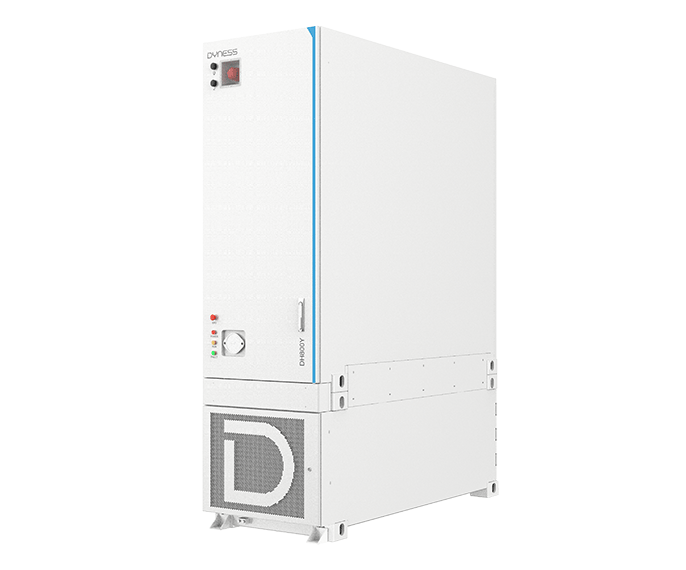
| High-voltage modular expansion | Larger homes, higher power requirements, and advanced residential energy systems. | Supports stronger power output and larger solar-plus-storage configurations. |
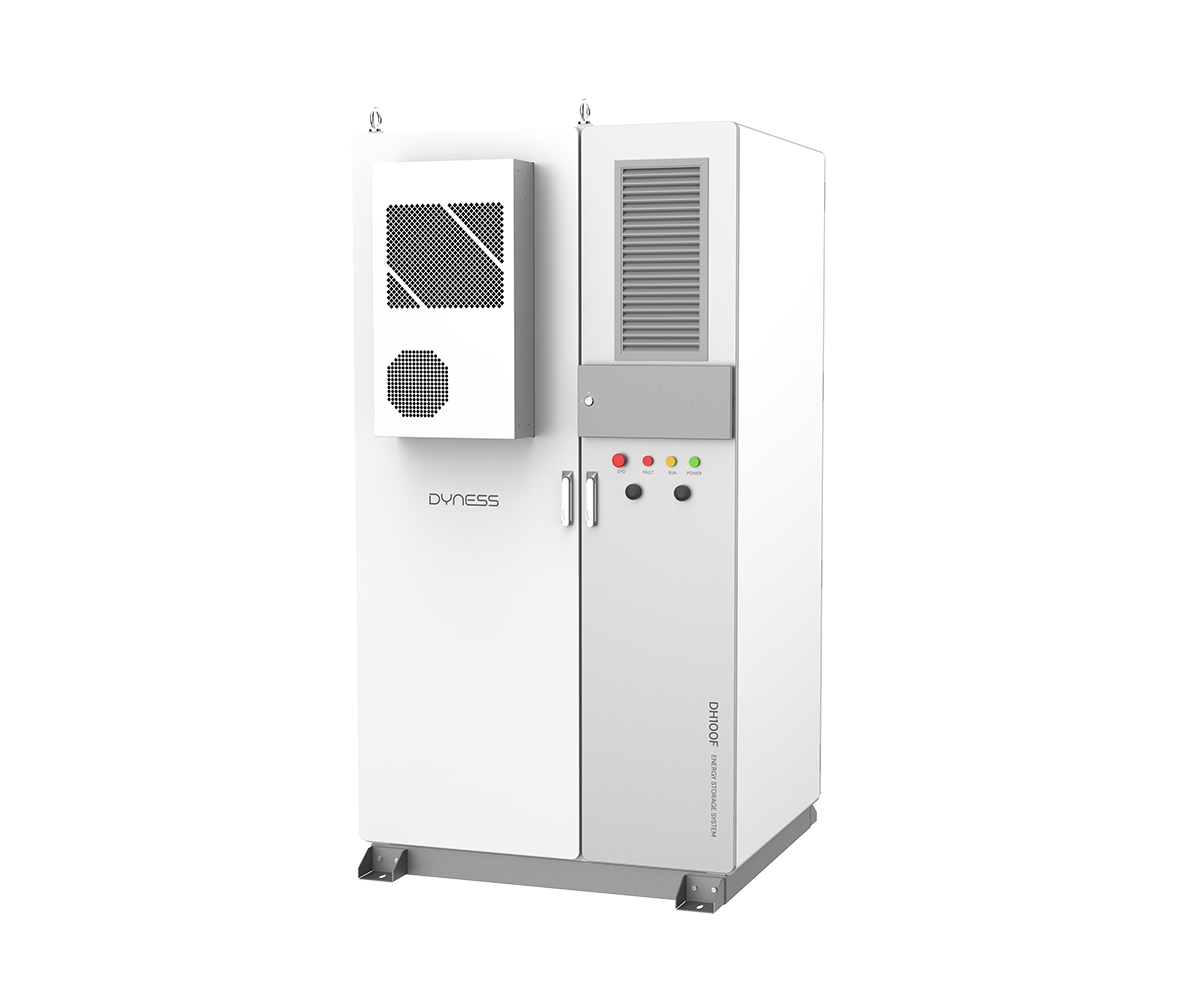
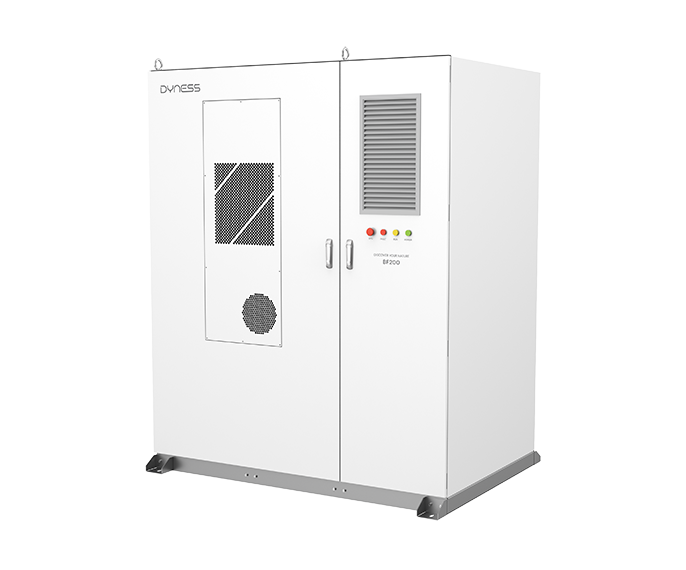
| Multi-cluster expansion | Larger energy requirements, subject to approved product platform and system design. | Provides a path for higher-capacity projects when technically supported. |
The final expansion design should always follow Dyness technical documentation, inverter compatibility requirements, installation standards, and professional installer assessment.
What to Check Before Sizing or Expanding the System
Improving solar self-consumption is not only about adding more battery capacity. A suitable system design must balance PV generation, household demand, battery capacity, inverter limits, and future energy needs.
| Check Item | Why It Matters |
|---|---|
| PV system size | The PV system must generate enough surplus energy to charge the battery meaningfully. |
| Household load profile | Evening and nighttime demand determine how much stored solar energy can actually be used. |
| Battery capacity | The battery should store a useful amount of surplus solar energy without remaining underused for long periods. |
| Inverter compatibility | Battery performance, charging power, backup function, and communication depend on approved inverter matching. |
| Future loads | EV charging, heat pumps, or additional appliances may increase future storage demand. |
| Local rules | Grid export rules, battery charging permissions, installation requirements, and subsidy conditions may affect system design. |
Users should also avoid common mistakes such as mixing incompatible battery models, adding new batteries to very old systems without evaluation, oversizing without enough solar input, or ignoring inverter limits.
Final Takeaway
Home PV + Dyness storage improves self-consumption by storing surplus solar energy during the day and using it later when household demand increases.
This helps users reduce grid dependency, improve the value of their PV system, and make solar power available beyond daylight hours.
For the best result, the system should be designed around real PV generation, daytime surplus, evening electricity use, battery capacity, inverter compatibility, and future energy growth.
An expandable Dyness battery platform can also help homeowners start with a suitable capacity today and increase storage later as energy needs change. The right choice should always be confirmed with the latest Dyness datasheets, approved inverter compatibility lists, local installation standards, and professional installer evaluation.
FAQ
-
Q: How does Dyness storage improve solar self-consumption?

A: Dyness storage improves solar self-consumption by storing surplus PV energy during the day and releasing it later when household demand increases, such as in the evening, at night, or during low solar production periods.
-
Q: Does adding a battery mean all solar power will be used by the home?
A: Not always. The amount of solar power used by the home depends on PV generation, battery capacity, household load, battery state of charge, inverter settings, and local grid rules. Storage can improve self-consumption, but it does not guarantee 100% solar use in every situation.
-
Q: Can I expand my home battery system later?
A: Some Dyness systems support future expansion. Expansion depends on the battery model, voltage platform, inverter compatibility, system age, BMS communication, installation space, and approved configuration limits.
Learn More