
























Can Balcony Energy Storage Systems Be Plugged in and Used Directly? Are They Convenient for Daily Use?


Get notified about new updates, products, tips and tutorials. No spam.
Balcony energy storage systems are designed to make solar storage easier for apartments and homes with limited installation space. Compared with traditional residential energy storage systems, many balcony storage solutions use a plug-in or simplified connection design, helping users reduce installation complexity.
In daily use, a balcony energy storage system can automatically store surplus solar power and release it when household demand increases. With built-in energy management logic, products such as AquaVolt and SolarCube are designed to support a more convenient, appliance-like energy experience. Actual installation requirements still depend on local outlet standards, grid rules, system power limits, and product configuration.

From Complex Energy Storage to Plug-in Home Energy Use
Traditional home energy storage systems often require professional wiring, inverter matching, switchboard work, and site-specific electrical design. For apartment users or households with limited installation space, this can make energy storage feel difficult to access.
Balcony energy storage systems are designed to lower this barrier. Many systems use a plug-in or simplified installation structure, allowing users to connect the system more easily where local electrical rules and product specifications allow.
The purpose is to make solar storage closer to a household appliance experience. After basic setup, the system can work in the background by monitoring solar generation, battery status, and household electricity demand.
For users, this means balcony storage is not only about storing electricity. It is about making small-scale solar energy easier to use in daily life without major home renovation.
How Balcony Storage Works After Setup
Once a balcony energy storage system is installed and configured, daily operation is usually highly automated. The system can store surplus solar power when generation is higher than household demand and discharge stored energy later when the home needs power.
This automatic process is managed by the system’s energy management logic. Users do not need to manually decide every day when the battery should charge or discharge.
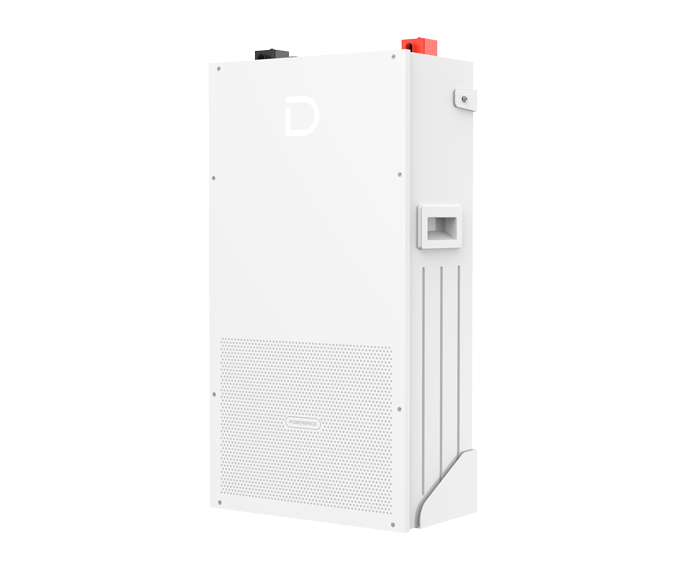
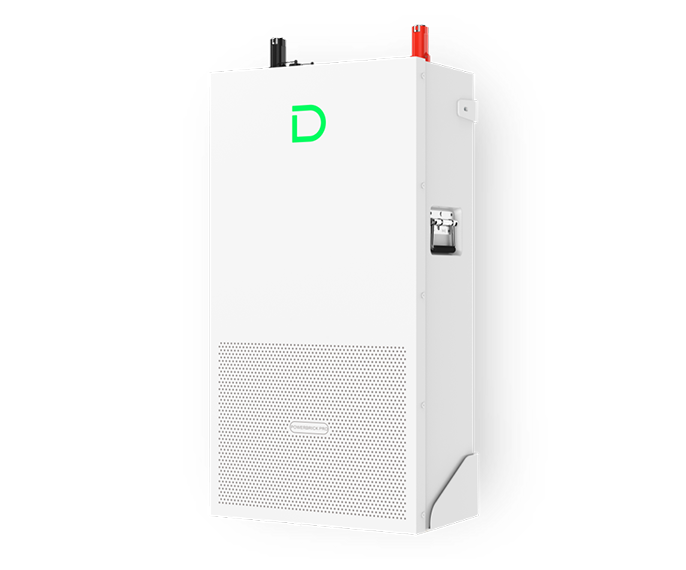
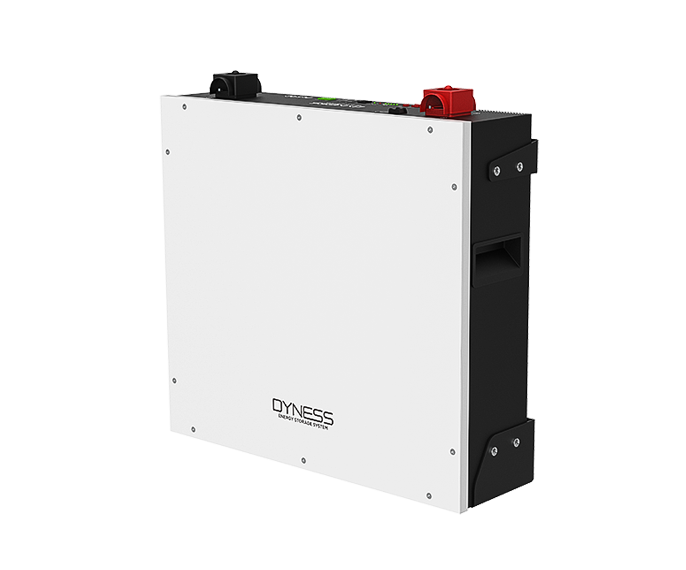
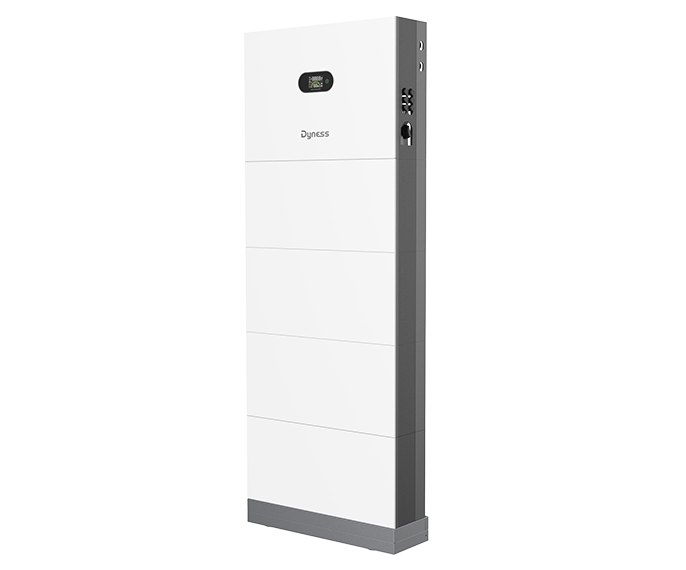
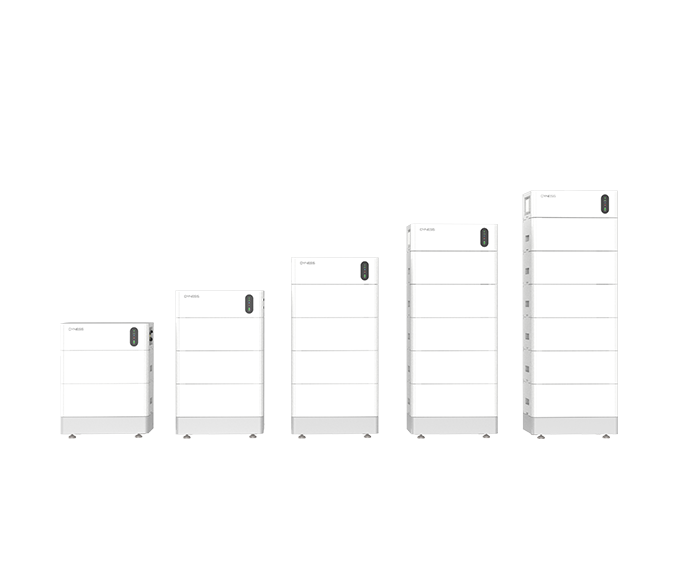
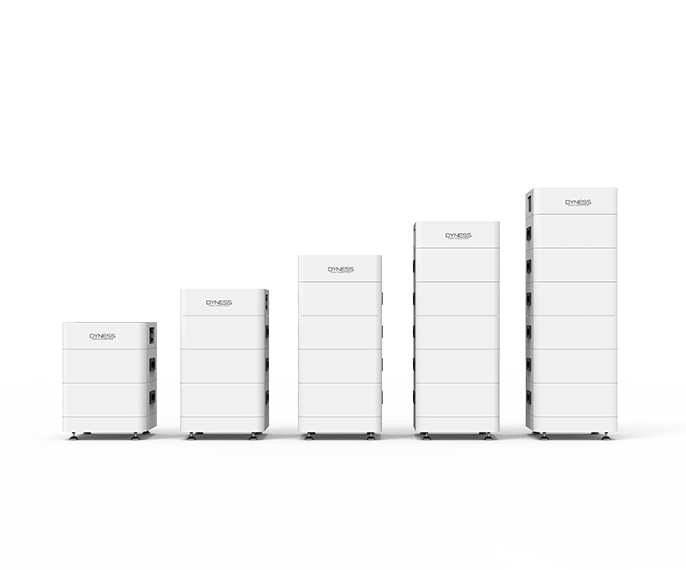
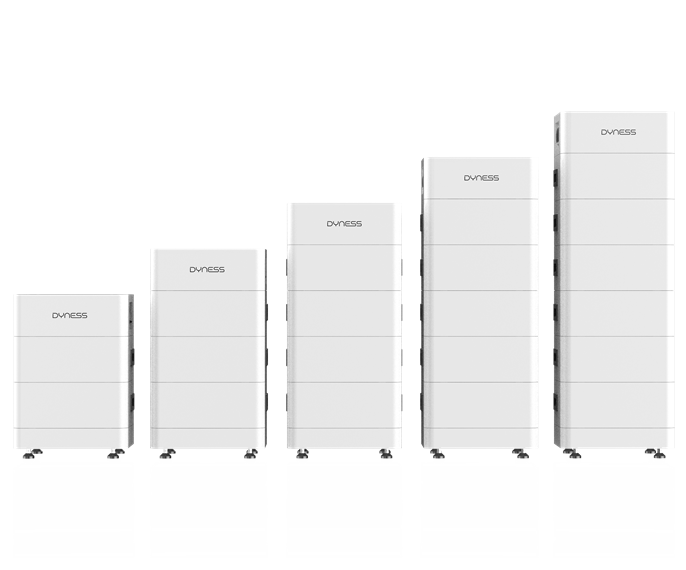
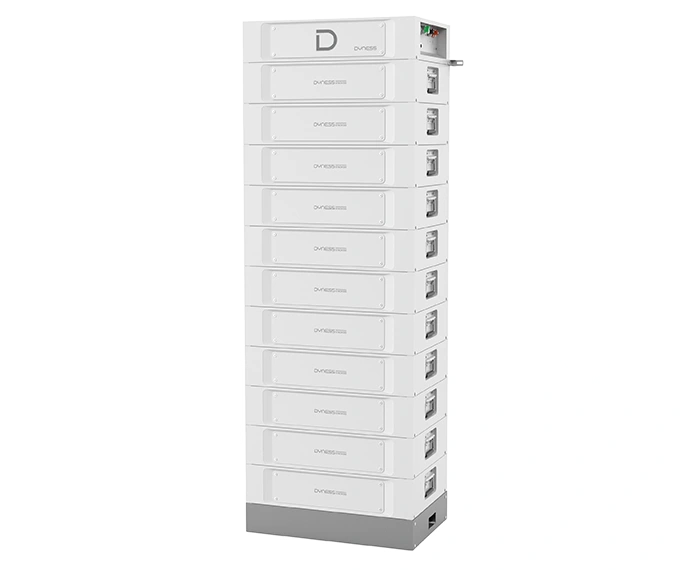
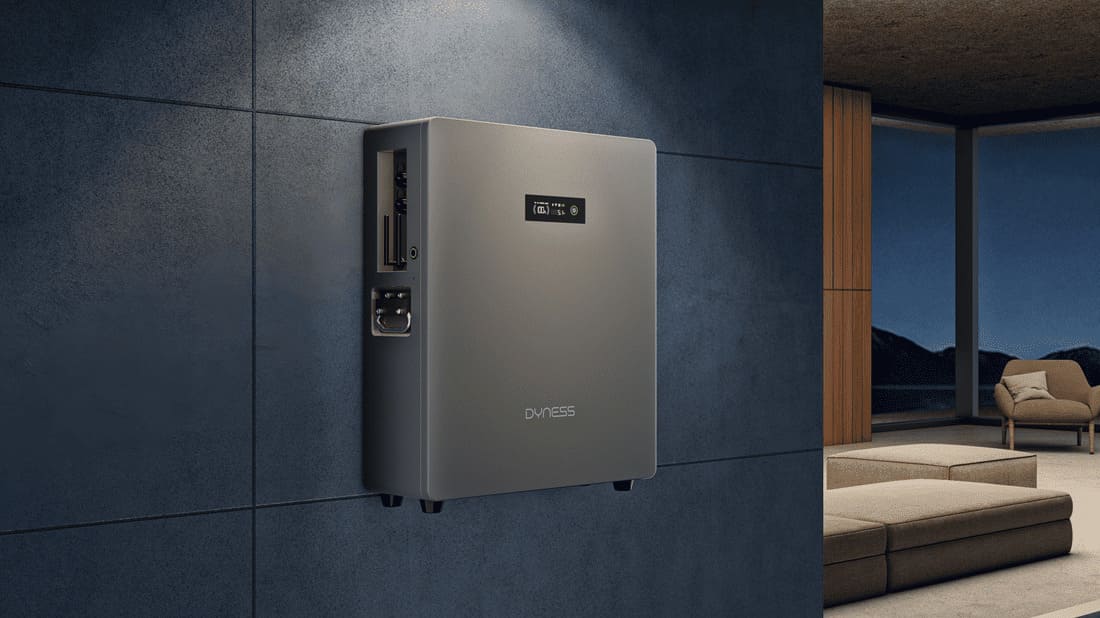
For example, AquaVolt can be used as a plug-in all-in-one balcony storage solution for users who want to improve the value of balcony solar generation. SolarCube can support a modular, stackable energy storage direction for users who need more flexible balcony solar storage capacity.
The exact operating behavior depends on product model, PV input, battery capacity, outlet standard, inverter or microinverter configuration, app settings, and local grid-connection requirements.

Key Factors That Affect Convenience and Installation
Whether a balcony energy storage system is truly convenient depends on more than whether it can be plugged in. Users should also consider local rules, system power level, installation location, and how the system matches their actual energy use.
| Key Factor | Why It Matters |
|---|---|
| Outlet standards | Plug type, outlet rating, and national electrical standards determine how the system can connect safely. |
| System power level | Higher-power systems may be subject to local limits or may require professional installation support. |
| Existing balcony solar setup | Adding storage to an existing balcony PV system may require different wiring logic from installing a new integrated system. |
| EMS automation | A smarter energy management system can reduce daily manual operation and improve solar self-consumption. |
| Installation location | Balcony, indoor, or utility-room placement affects ventilation, moisture protection, accessibility, and user experience. |
Before installation, users should check local balcony solar rules, maximum plug-in power limits, outlet requirements, landlord or building restrictions where applicable, and official product installation guidance.
Common Misunderstandings About Plug-in Balcony Storage
Myth 1: Balcony storage is as complicated as traditional home energy storage.
Balcony energy storage is usually designed for simpler deployment and easier daily use. However, users still need to follow product instructions, local electrical standards, and grid-connection rules.
Myth 2: Energy storage requires daily manual operation.
In most modern balcony storage systems, daily charging and discharging can be managed automatically. Users may check the app to view generation, savings, or battery status, but routine manual control is usually not required.
Myth 3: Plugging in the system automatically guarantees the best savings.
Convenient installation does not automatically mean maximum return. Savings still depend on solar generation, battery capacity, household base load, electricity tariff, system settings, and whether stored energy is used at the right time.
Myth 4: Every balcony storage system requires zero professional support.
Compact systems may be easier to deploy, but higher-capacity or higher-power systems may still need professional checking to ensure safety, compliance, and correct connection.
Final Takeaway
Balcony energy storage systems are designed to make solar storage more convenient for everyday users. Compared with traditional residential energy storage, they can reduce installation complexity and support a more plug-in, appliance-like experience where local rules allow.
In daily use, the system can automatically manage charging and discharging, helping users store surplus balcony solar power and use it later without frequent manual operation.
For users who want to improve balcony solar self-consumption, reduce wasted daytime generation, and avoid major electrical modifications, solutions such as AquaVolt and SolarCube can provide a practical path. The final choice should always consider local regulations, outlet standards, installation location, PV capacity, battery size, and official Dyness product guidance.
FAQ
-
Q: Can balcony energy storage systems really be plugged in directly?

A: Many balcony energy storage systems are designed for plug-in or simplified connection, but whether they can be plugged in directly depends on local outlet standards, grid rules, maximum power limits, and product configuration. Users should always follow official installation guidance and local regulations.
-
Q: Does a balcony energy storage system require daily manual operation?
A: Usually not. Modern balcony storage systems are designed with automatic energy management. After setup, the system can manage charging and discharging based on solar generation, household demand, battery status, and selected operating mode.
-
Q: Do I need an electrician to install a balcony energy storage system?
A: Some compact plug-in balcony storage systems are designed for easier installation. However, if the system has higher power, larger capacity, special wiring needs, or local grid requirements, professional installer or electrician support is recommended.
Learn More