


























Industrial Energy Storage Systems for Peak Shaving: 3 Configurations


Get notified about new updates, products, tips and tutorials. No spam.
Industrial energy storage systems can reduce electricity costs by discharging during periods of high facility demand and charging when demand or electricity prices are lower. This peak-shaving strategy is particularly valuable for industrial sites subject to demand charges, where short-duration power peaks can significantly affect monthly electricity costs.
This article explains three common energy storage configurations for industrial peak shaving—behind-the-meter battery storage, solar-plus-storage, and modular parallel systems—and outlines how load profiles, tariffs, battery power, energy capacity, and expansion requirements influence system selection.

Why Do Industrial Facilities Use Energy Storage for Peak Shaving?
Industrial facilities use energy storage for peak shaving because short periods of high electricity demand can significantly increase electricity costs, particularly when utility tariffs include demand charges based on maximum power rather than total energy consumption.
Production equipment, HVAC systems, electric heating, compressors, pumps, and other high-power loads can create recurring demand peaks. Even when overall monthly energy consumption remains relatively stable, a brief load spike may influence the facility's demand charge for the entire billing period.
| Demand-Charge Challenge | Energy-Storage Response |
| Short load spikes create high monthly peaks | Discharge the battery when facility demand approaches a predefined grid-import threshold |
| High demand charges increase operating costs | Reduce grid-supplied power during targeted peak periods |
| Production schedules create predictable peaks | Use an energy management strategy to anticipate and manage recurring demand |
| Solar generation does not always match peak demand | Store available solar energy and discharge it when site demand increases |
The objective is not simply to install the largest battery possible. Effective peak shaving requires sufficient discharge power to reduce the targeted peak and enough usable energy to sustain that output for the required duration.
The facility's load profile therefore becomes one of the most important inputs when determining the appropriate battery power, usable energy capacity, operating strategy, and expected financial value.
Three Industrial Energy Storage System Configurations for Peak Shaving
Different industrial facilities have different load profiles, electricity tariffs, renewable-energy resources, and expansion requirements. As a result, peak-shaving projects can use different storage architectures depending on the site's operating objectives.
Three common configurations are behind-the-meter battery storage, solar-plus-storage, and modular parallel storage. These approaches are not mutually exclusive and can be combined when the electrical design and operating strategy support it.
Configuration 1: Behind-the-Meter Battery Peak Shaving
A behind-the-meter battery is one of the most direct approaches to industrial peak shaving. The battery is installed on the customer's side of the utility meter and discharges when facility demand approaches a predefined grid-import threshold.
This configuration is particularly suitable for facilities with identifiable demand spikes caused by equipment start-up, HVAC loads, production cycles, or other predictable high-power processes.
The main objective is to reduce the amount of peak power drawn from the grid without disrupting normal facility operations.
Configuration 2: Solar-Plus-Storage Load Shifting
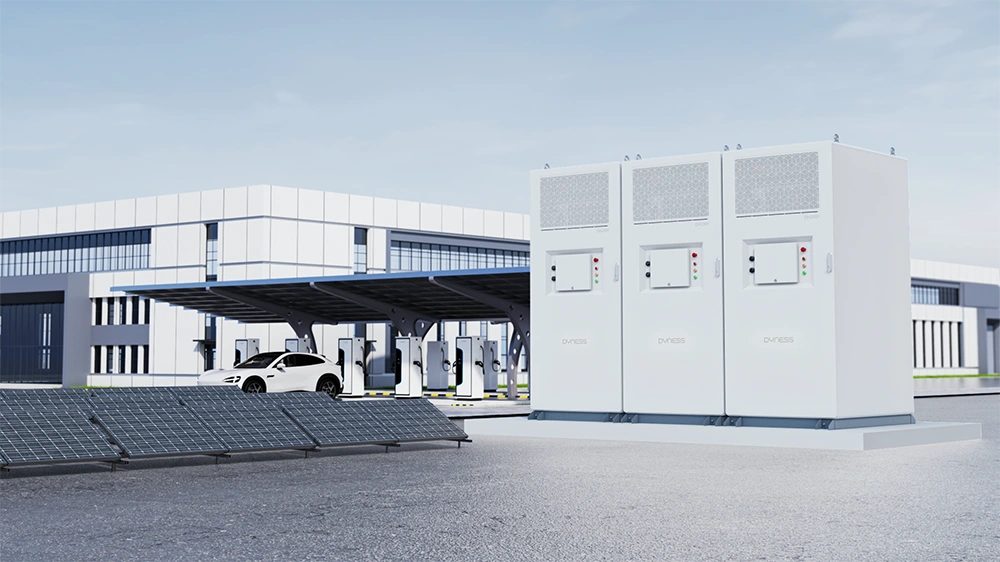
Solar-plus-storage combines on-site photovoltaic generation with battery energy storage. Excess or available solar energy can be stored and used later when facility demand is higher or when electricity prices are less favorable.
For example, an industrial facility may produce significant solar energy around midday but experience its highest net demand later in the afternoon. Battery storage can shift part of the available solar energy into this higher-demand period.
This configuration can therefore combine peak shaving, renewable-energy utilization, load shifting, and energy-cost optimization within the same system.
Configuration 3: Modular Parallel Storage for Higher-Demand Facilities
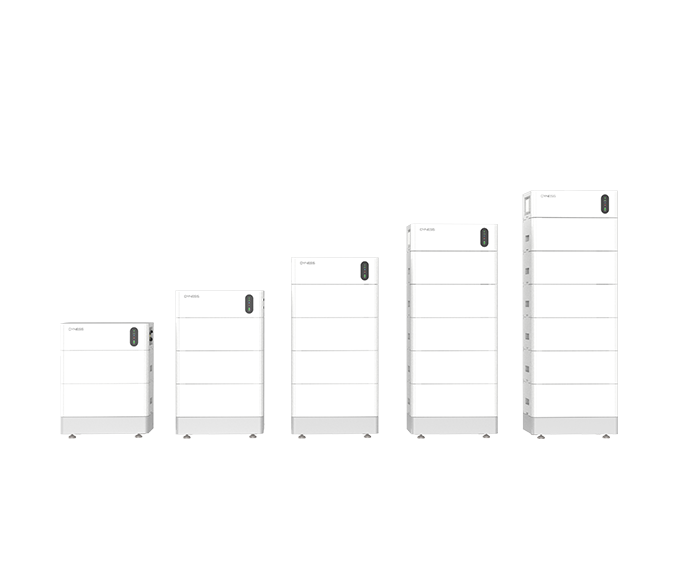
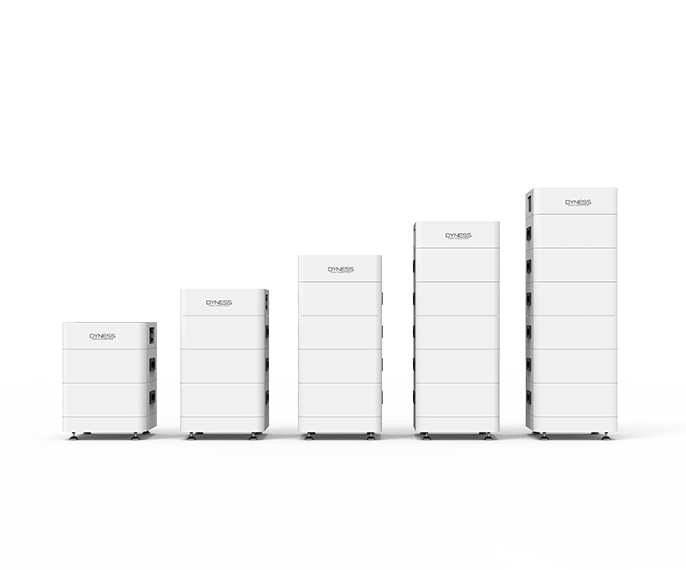
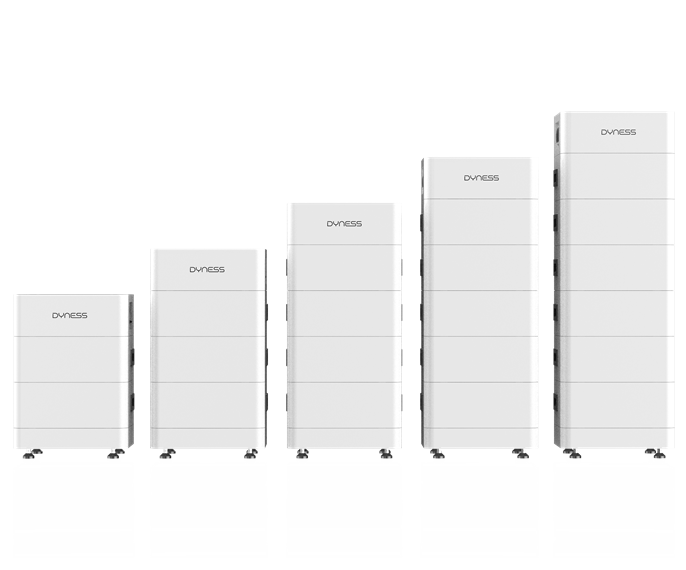
Modular parallel storage uses multiple energy storage units operating together when the required power or energy capacity exceeds the capability of a single unit.
This approach is particularly relevant for larger industrial facilities or sites where electricity demand may increase over time as production expands.
However, expansion should not be based only on the number of battery units that can technically be connected. Electrical infrastructure, protection design, transformer capacity, available installation space, communications, control strategy, and future operating requirements must also be evaluated.
How Does the Dyness DH200Y-C260 Support Peak-Shaving Applications?
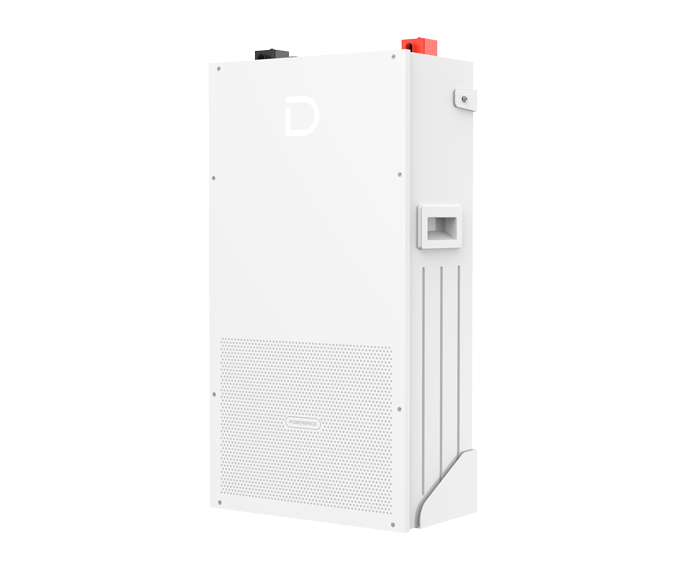
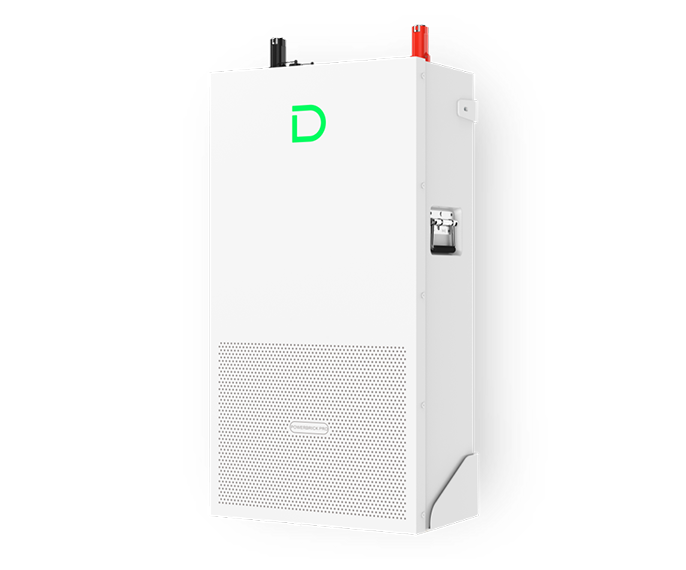
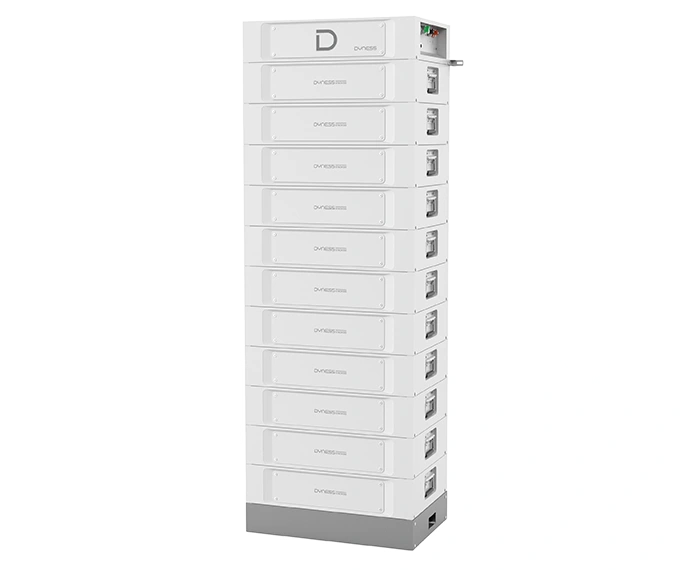
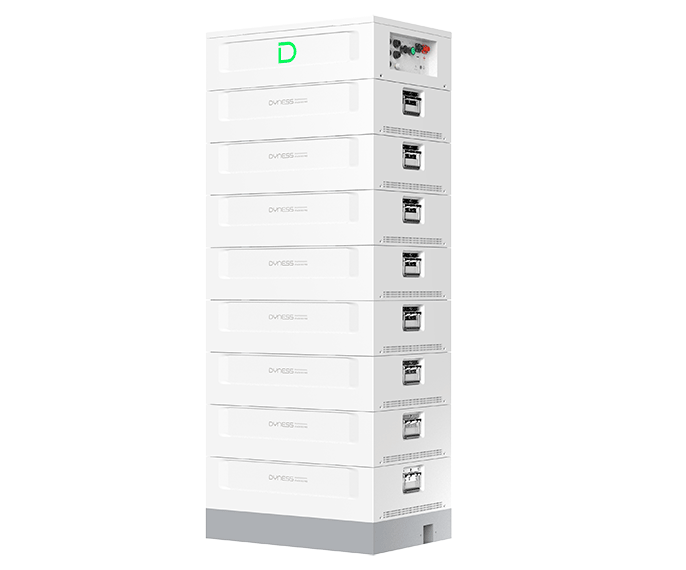
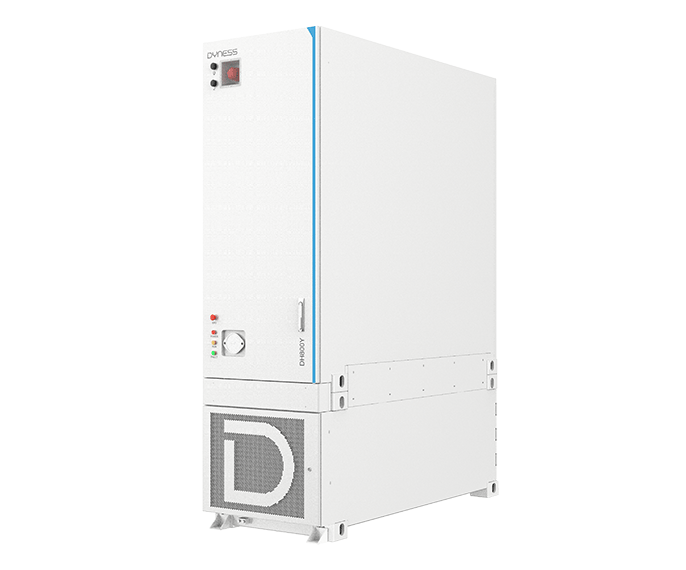
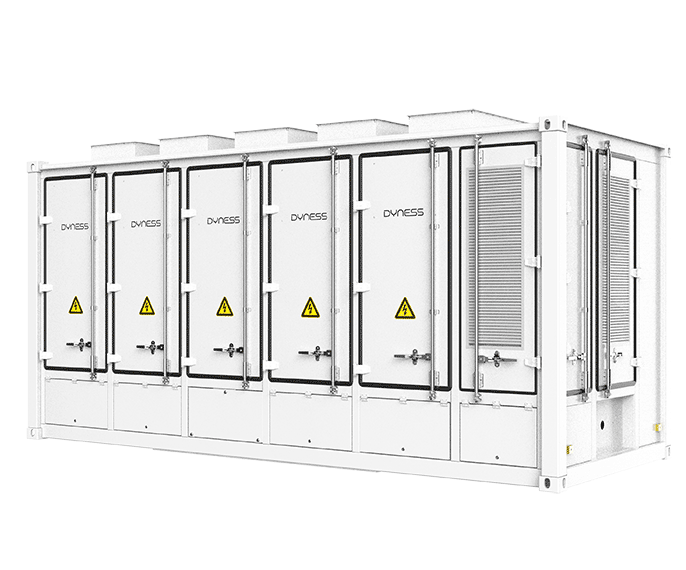
The Dyness DH200Y-C260 is a commercial and industrial all-in-one energy storage system designed for applications including peak shaving, demand-charge reduction, load shifting, backup power, and renewable-energy integration.
Its 125 kW rated power and 261 kWh nominal energy represent two different parts of the peak-shaving sizing equation. Power determines how much facility demand can be reduced at a given moment, while usable energy, together with operating limits and system efficiency, influences how long the system can sustain the required discharge output.
| Nominal Energy | 261 kWh |
| Rated Power | 125 kW |
| Battery Chemistry | LiFePO4 |
| Cooling | Liquid Cooling |
| Parallel Expansion | Up to 20 Units in AC Parallel |
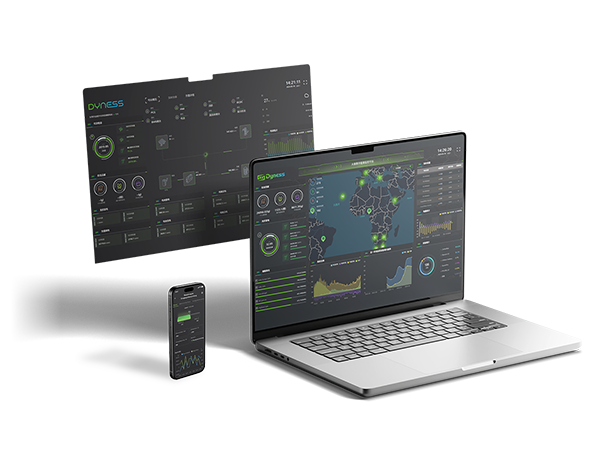
| Communication | 4G / Ethernet / RS485 |
The liquid-cooling architecture supports thermal management, while modular AC parallel expansion provides additional flexibility for industrial sites with larger or growing storage requirements.
Actual system suitability should always be evaluated according to the site's load profile, tariff structure, electrical infrastructure, required peak reduction, discharge duration, and future expansion plans.

How Should Businesses Select the Right Peak-Shaving Configuration?
Selecting the right industrial energy storage configuration starts with the facility's actual operating data rather than battery capacity alone. Businesses should first understand when demand peaks occur, how long they last, how often they occur, and how electricity tariffs are calculated.
Load curve: Identify the timing, frequency, magnitude, and duration of demand peaks.
Demand-charge structure: Determine whether charges are based on monthly peak demand, time-of-use demand periods, seasonal peaks, system peaks, or ratchet mechanisms.
Energy-price structure: Evaluate whether time-of-use pricing or other tariff differences create additional opportunities for load shifting or energy arbitrage.
Power requirement: Battery power should correspond to the amount of peak demand that needs to be reduced.
Energy requirement: Usable battery energy should be sufficient to sustain the required discharge throughout the targeted peak period.
Solar generation: Facilities with on-site PV should compare solar production with the load curve to determine whether solar-plus-storage can improve self-consumption and peak management.
Expansion requirements: Future production growth, electrification, EV charging, or additional equipment may increase energy demand and should be considered during system design.
Financial performance: Expected savings should be compared with equipment, installation, financing, maintenance, and lifecycle costs rather than relying on a universal payback assumption.
The optimal solution is therefore site-specific. A technically larger storage system is not necessarily more economical if its power, duration, and operating strategy do not match the facility's load profile and tariff structure.
Match Storage Configuration to the Facility Load Profile
Peak-shaving performance depends on how closely the energy storage system matches the facility's actual demand profile and electricity tariff.
A behind-the-meter battery can directly target recurring demand peaks. Solar-plus-storage can combine peak management with renewable-energy shifting and improved solar utilization. Modular parallel storage can provide a flexible expansion path for facilities with larger or growing power requirements.
For industrial users, the most important starting point is therefore not the battery itself, but the facility's load curve and tariff structure. These determine the required power, discharge duration, control strategy, system capacity, and potential economic value.
Industrial energy storage systems should ultimately be evaluated as part of the facility's overall energy and operating strategy rather than simply by their nominal battery capacity.