



























How Can Home Energy Storage Save Money Under Time-of-Use Electricity Tariffs?


Get notified about new updates, products, tips and tutorials. No spam.
Electricity bills are not only about how much power a home uses, but also when that power is used. In regions with significant peak and off-peak electricity price differences, a Dyness home energy storage system can help shift electricity use from expensive periods to lower-cost periods.
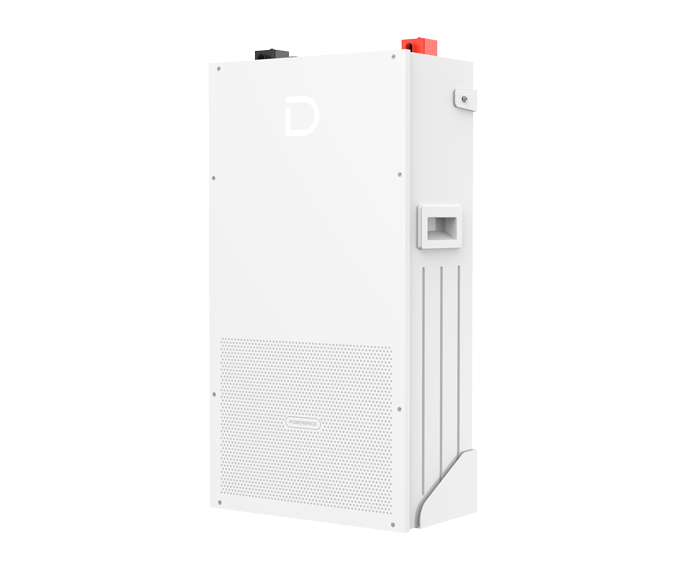
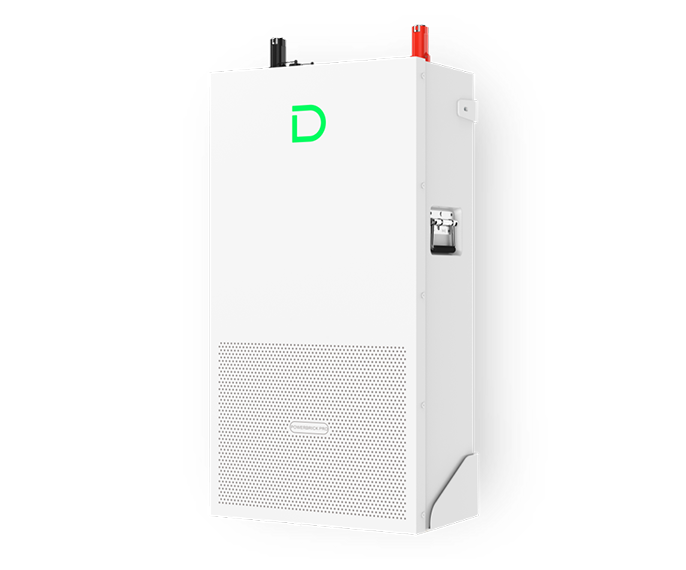
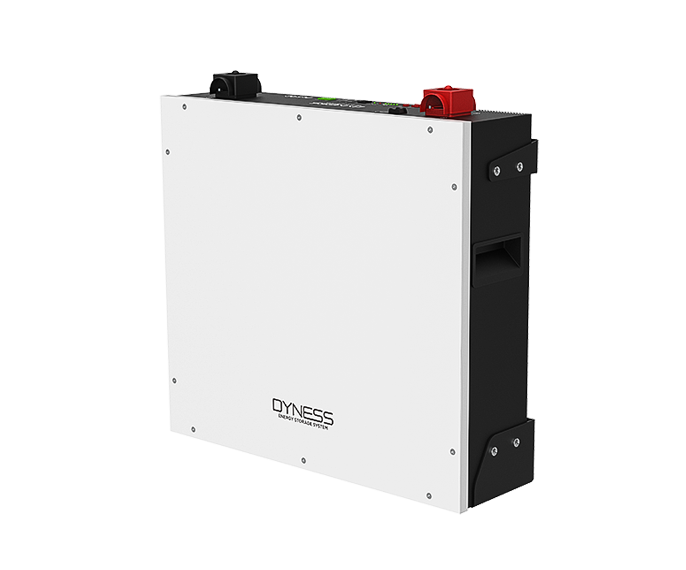
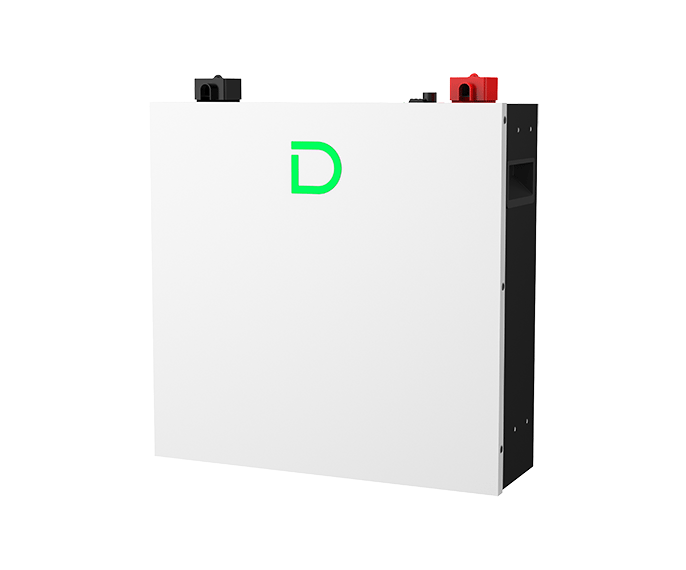
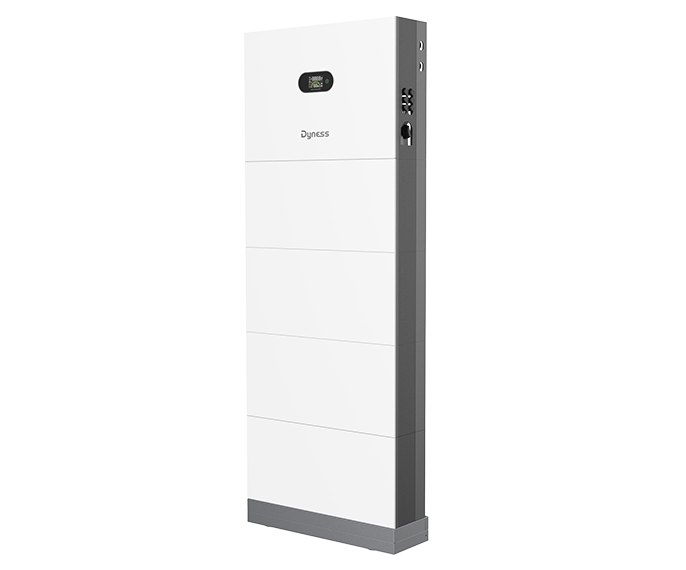
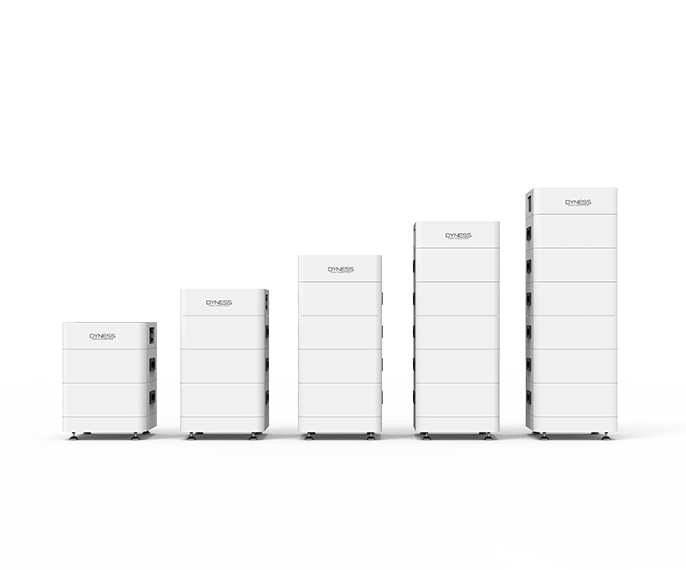
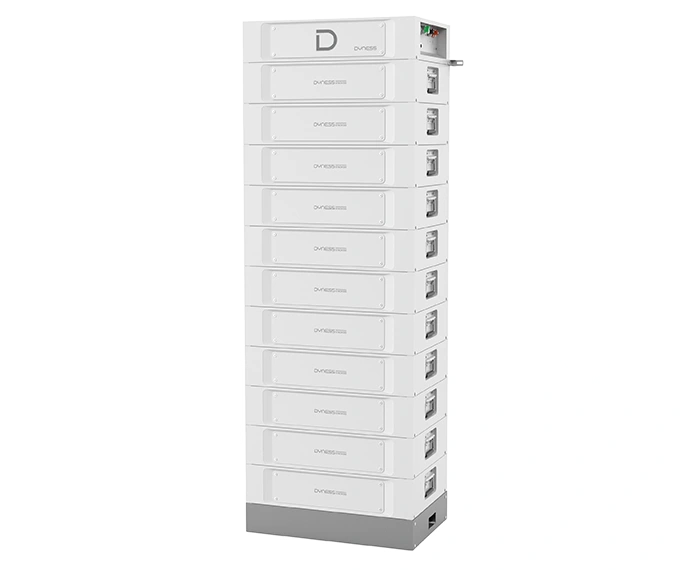
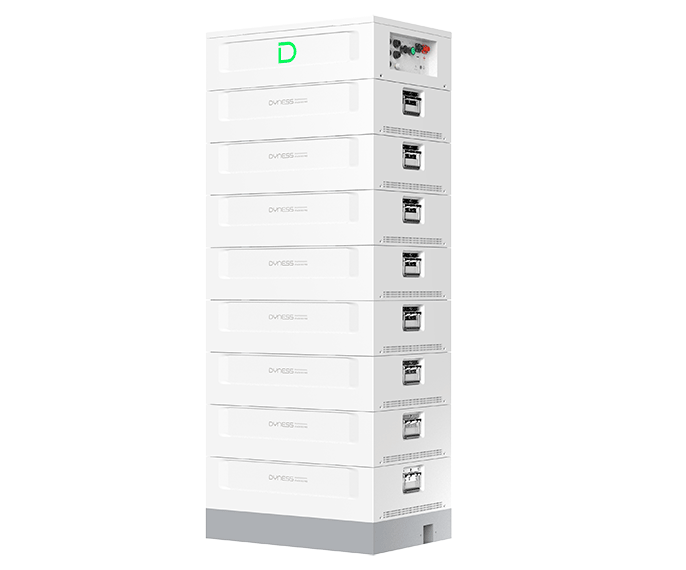
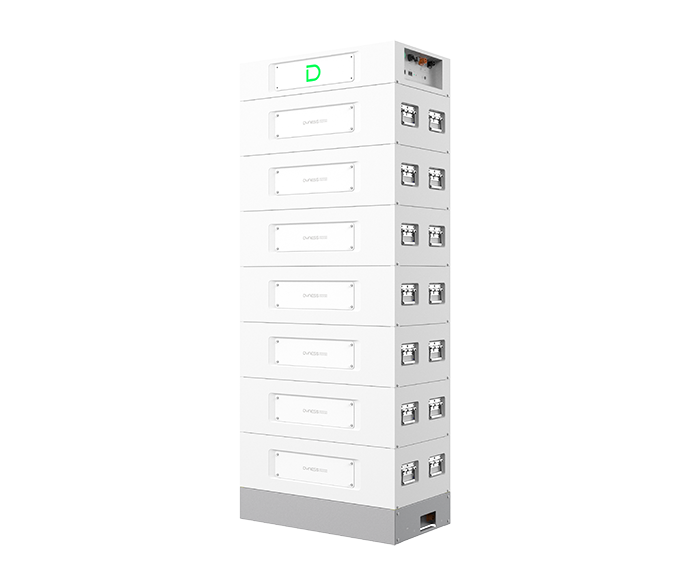
By charging the battery during low-price hours or storing surplus solar power during the day, and then discharging during peak-price periods, systems such as PowerBox G2 or PowerBrick Plus can help users reduce grid electricity purchases, improve energy cost control, and turn time-of-use tariffs into a more manageable household energy strategy.

Why Time-of-Use Tariffs Make Battery Storage Valuable
Under traditional electricity use, households usually consume power whenever they need it and pay according to the tariff at that moment. This means users may have to buy electricity during expensive peak hours, even if lower-cost electricity was available earlier in the day.
Time-of-use electricity tariffs change this logic. When electricity is cheaper during off-peak periods and more expensive during peak periods, the timing of energy use becomes a financial factor.
A Dyness home energy storage system can help users manage this timing difference. The battery acts as an energy buffer, storing electricity when it is cheaper or more available, and releasing it when grid electricity is more expensive.
This does not reduce electricity consumption by itself. Instead, it changes the time structure of electricity use, helping users reduce the cost of each usable kilowatt-hour when the system is properly configured.
How Dyness Storage Turns Price Gaps into Savings
The basic money-saving logic is simple: charge when electricity is cheaper, discharge when electricity is more expensive. In solar homes, the system can also store surplus solar power and use it later during evening or peak-price periods.
For example, if a household has a low-price electricity period at night and a high-price period in the evening, the battery can be scheduled to charge during the low-price window and discharge when electricity becomes more expensive.
When paired with a compatible inverter and properly configured operating mode, Dyness batteries can help support peak shaving, valley filling, solar self-consumption, and time-based energy management.
| Operating Strategy | How It Saves Money |
|---|---|
| Off-peak charging | Stores lower-cost grid electricity for later use during peak-price periods. |
| Peak-time discharging | Reduces the amount of high-price electricity purchased from the grid. |
| Solar self-consumption | Stores surplus solar power and uses it when household demand or grid prices are higher. |
| Backup reserve setting | Keeps part of the battery available for outages while still allowing cost optimization. |
The final savings depend on local tariff rules, battery capacity, system efficiency, electricity use habits, solar generation, and whether the system is allowed to charge from the grid.
A Practical Battery Savings Calculation
To estimate potential savings, users can start with a simple formula:
Daily savings ≈ optimized energy per day × peak-valley price difference × system efficiency
For example, assume a home uses a Dyness battery configuration around the 10 kWh level, and about 7–9 kWh of energy is shifted each day from low-price periods to high-price periods. If the peak-valley price difference is $0.20/kWh and the system round-trip efficiency is around 90%, the estimated daily savings may be:
| Calculation Item | Example Value |
|---|---|
| Optimized energy per day | 7–9 kWh |
| Peak-valley price difference | $0.20/kWh |
| Round-trip efficiency | Around 90%, depending on system configuration |
| Estimated daily savings | About $1.3–$1.6 |
| Estimated annual savings | About $450–$600 |
If the price difference increases to around $0.30/kWh, annual savings may rise significantly, potentially reaching about $700–$900 or more in suitable usage conditions.
This is only a simplified model. Actual savings depend on local electricity tariffs, charging and discharging permissions, solar generation, household load profile, battery usable capacity, inverter efficiency, and operating mode settings.
How to Set the System for Better Savings
To improve savings under time-of-use tariffs, users should avoid letting the battery discharge too early. If the battery is depleted before the most expensive peak period begins, the home may still need to buy high-price electricity from the grid.
A better approach is to align the charging and discharging schedule with the local tariff window. For example, the battery can charge during the lowest-price period and reserve enough energy for the most expensive evening hours.
| Setting Method | Purpose |
|---|---|
| Set charging during off-peak periods | Uses lower-cost electricity or surplus solar energy to charge the battery. |
| Reserve battery energy for peak hours | Prevents the battery from being emptied before the most expensive tariff period. |
| Match battery capacity with peak load | Ensures the battery can cover the most expensive usage window without excessive oversizing. |
| Keep a backup reserve if needed | Balances cost savings with outage protection for essential loads. |
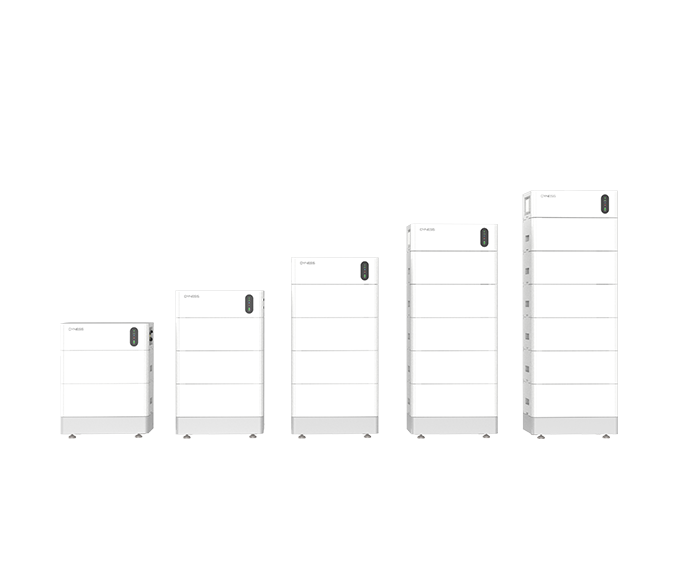
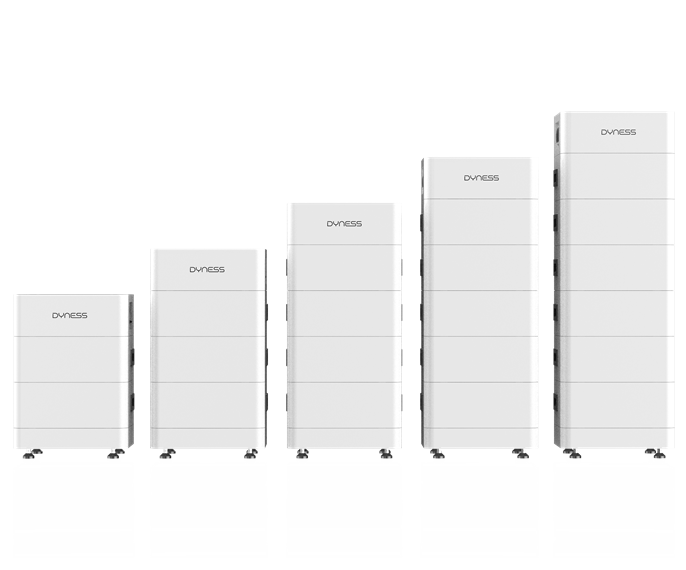
For homes with larger evening loads or future energy growth, modular solutions such as PowerBrick Plus may allow users to expand capacity over time. This can help avoid both under-coverage during peak hours and unnecessary oversizing at the beginning.
Users should confirm the available operating modes, app settings, inverter compatibility, and local grid rules with a qualified installer before relying on a time-of-use strategy.


Final Takeaway
Under time-of-use electricity tariffs, a Dyness home energy storage system can help reduce electricity costs by shifting energy from lower-price periods to higher-price periods.
The amount saved depends not only on the battery hardware, but also on tariff structure, peak-valley spread, usable capacity, system efficiency, household load timing, and how well the charging and discharging schedule is configured.
In regions with large price differences, Dyness energy storage can become a practical home energy management tool. It helps users move from passive electricity payment to active energy scheduling, making each kilowatt-hour more valuable when used at the right time.
FAQ
-
Q: Why are my actual savings lower than the estimated battery savings?

A: This often happens because of scheduling mismatch. If the battery discharges before the most expensive peak period, the home may still need to buy high-price electricity from the grid. Adjusting discharge timing, backup reserve, and peak-hour settings through the system app or inverter settings can help improve savings.
-
Q: Can adding more battery modules, such as expanding PowerBrick Plus, shorten the payback period?
A: It may help if your peak-period electricity demand is higher than the current battery can cover. Additional capacity can increase the amount of energy shifted away from expensive periods. However, expansion only improves payback when the extra capacity is actually used. Users should compare the added module cost with the expected additional savings.
-
Q: What is the basic formula for calculating savings under time-of-use tariffs?
A: A simple estimate is: daily savings ≈ optimized energy per day × peak-valley price difference × system efficiency. For example, shifting 7–9 kWh per day with a $0.20/kWh price difference and around 90% efficiency may save about $1.3–$1.6 per day.
Learn More