

























How BESS Solutions Reduce Energy Costs for Businesses


Get notified about new updates, products, tips and tutorials. No spam.
Energy costs are quietly eating into your bottom line. Many B2B clients we speak with tell us the same thing—electricity bills have become unpredictable, and the demand charges alone can account for a huge chunk of monthly operating expenses. So why are businesses turning to battery energy storage solutions? The answer is straightforward: battery energy storage system manufacturer partners like us help you turn a fixed cost into a manageable one. Below, we break down how bess solutions actually work on the ground, with real numbers and practical scenarios.

Slash Demand Charges with Peak Shaving
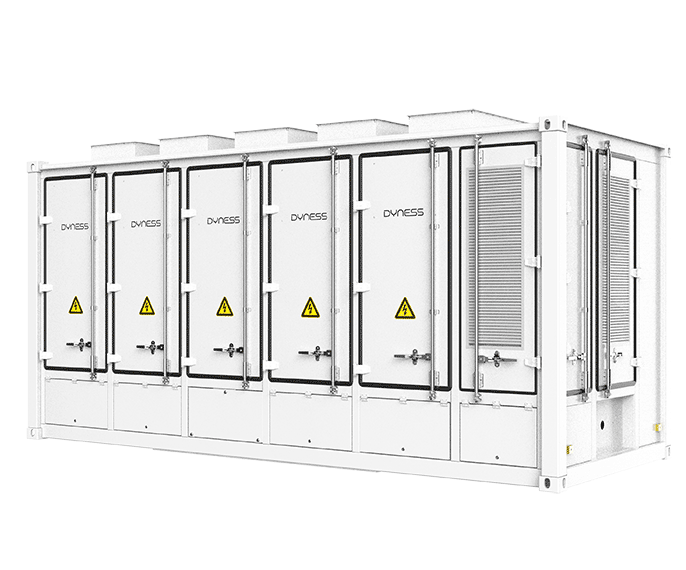
Let’s get real about demand charges. Many commercial electricity tariffs include fees based on your facility’s highest power draw during a billing cycle—not just total consumption. A short spike from equipment start-up can lock in elevated charges for an entire month. That’s where bess solutions step in. By discharging stored energy during those heavy load spikes, you flatten your demand profile and cut those punitive charges. A well-sized battery energy storage system manufacturer system, for instance a 1MW / 2MWh unit, can typically shave 20–30% off peak demand. For a factory spending $50,000 monthly on electricity, that’s $7,500 to $12,500 in monthly savings just from peak shaving alone. We’ve seen this play out repeatedly with our C&I clients—once the system is installed, the savings show up on the very next bill.

Turn Time-of-Use Tariffs to Your Advantage
Electricity prices vary throughout the day. Midday tends to be cheaper due to abundant solar generation feeding the grid, while late afternoon and evening rates spike as demand surges. A battery energy storage system manufacturer solution charges during those low-cost off-peak hours and discharges when rates are high—a strategy called time-of-use arbitrage. This isn’t theoretical; it’s how bess solutions deliver day-one returns. In Mexico, for example, peak-hour rates can hit $0.15/kWh while off-peak rates drop to $0.08/kWh. That spread directly translates to savings. And when you combine storage with existing solar PV, the numbers get even better—potential reductions of 50% off electricity bills are well within reach. For businesses running energy-intensive operations, this predictable cost control is a game changer.
Maximize Value with Multi-Layer Optimization
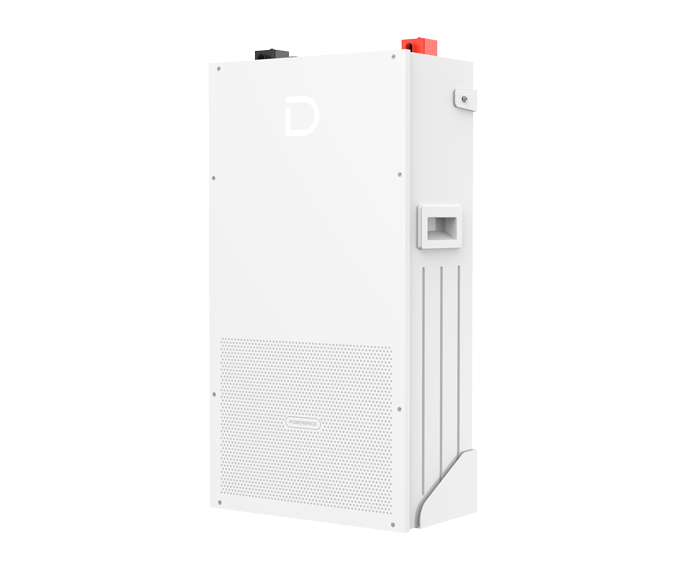
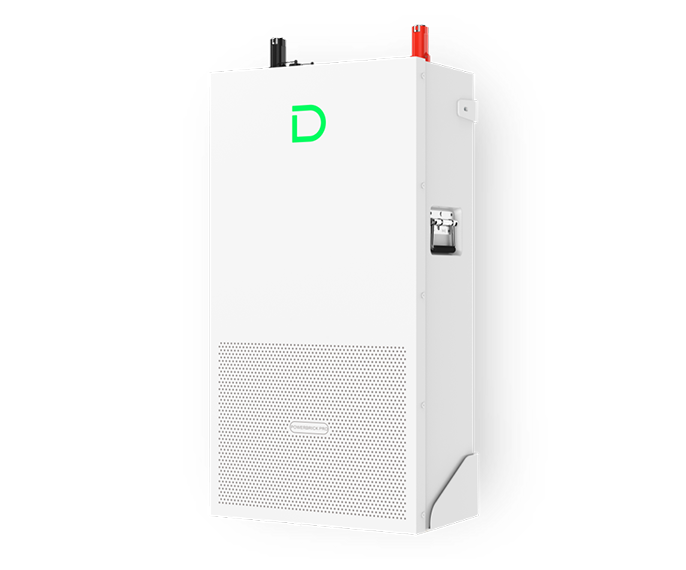
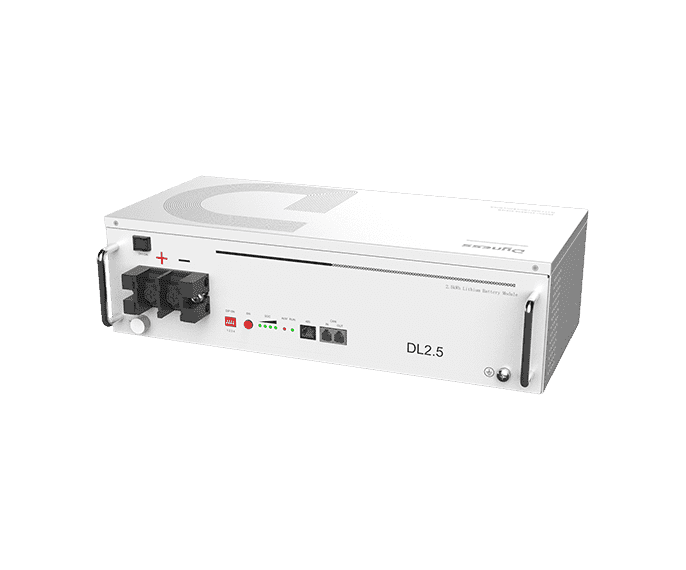
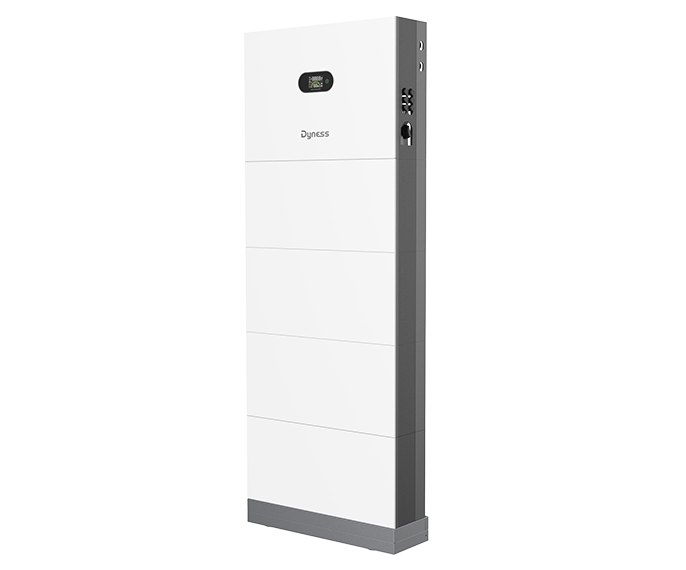
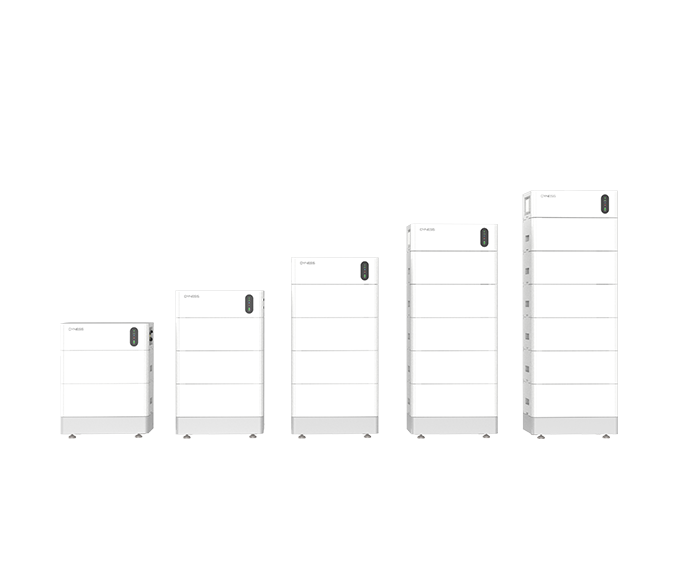
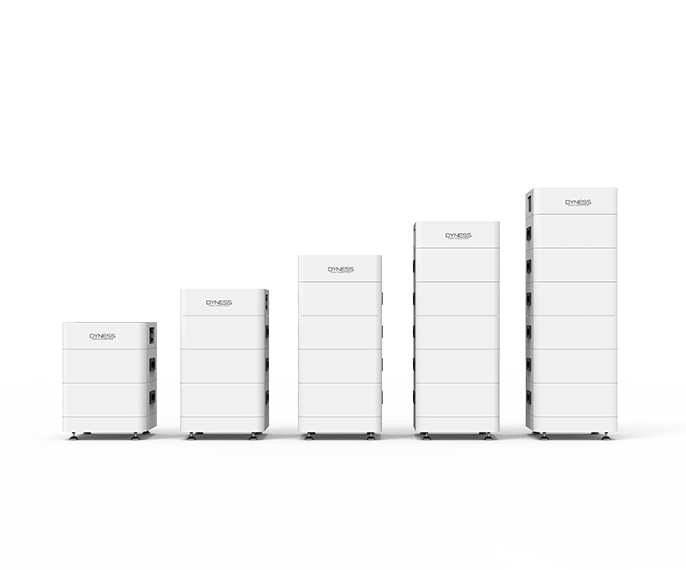
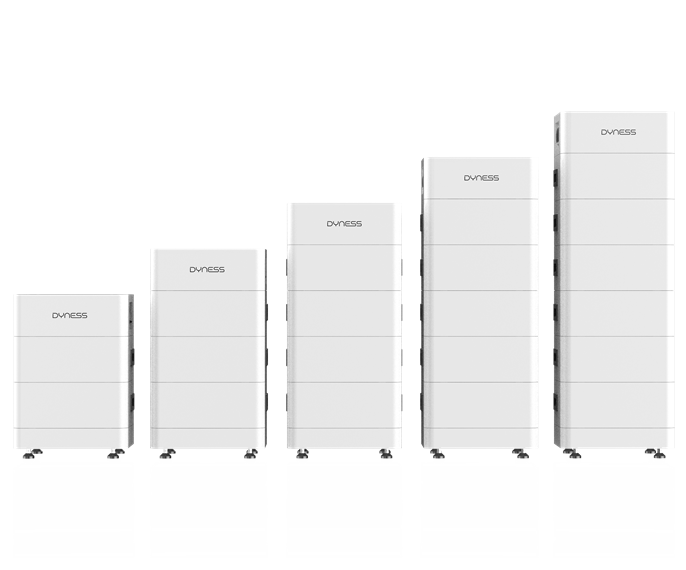
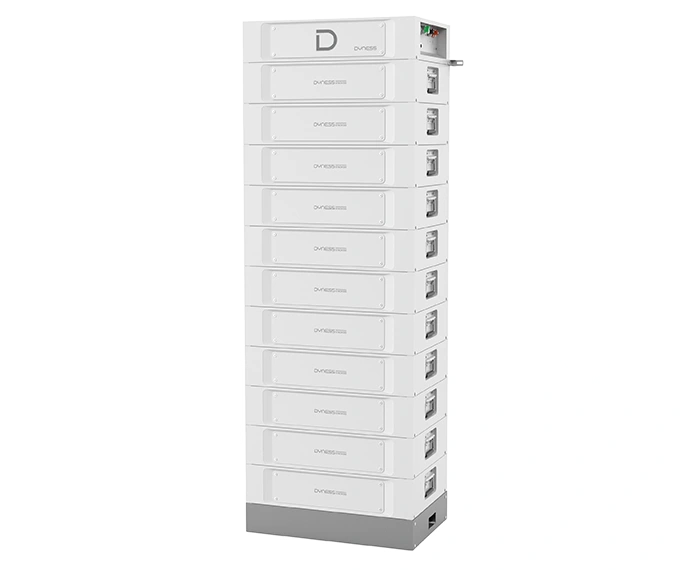
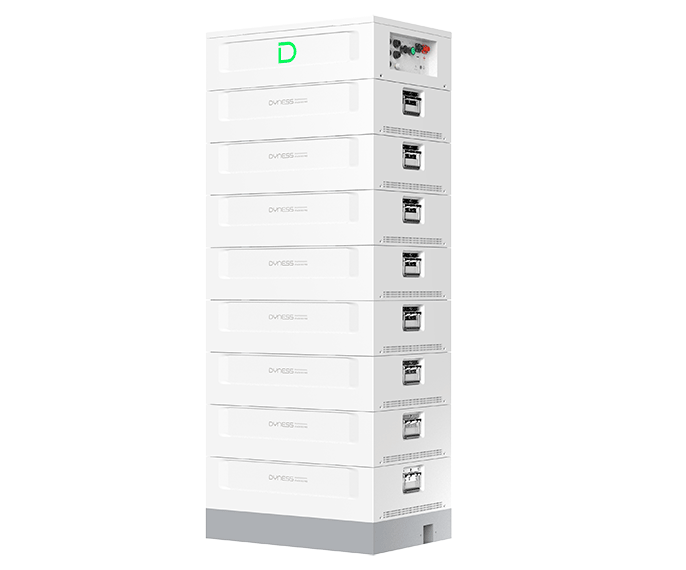
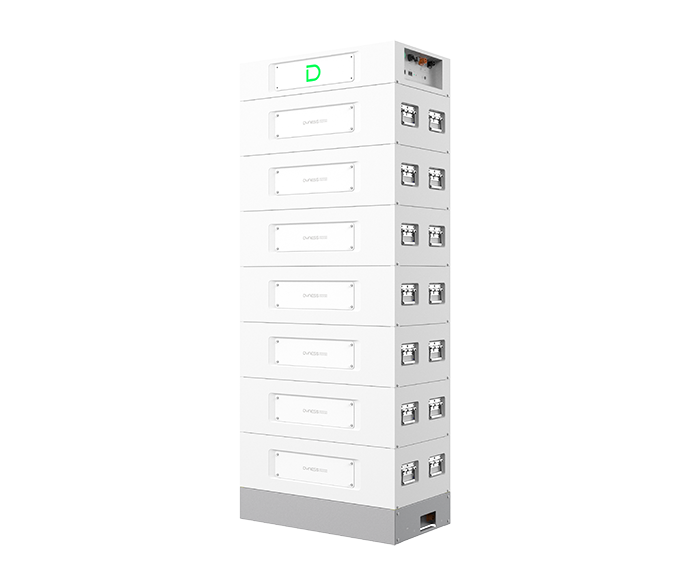
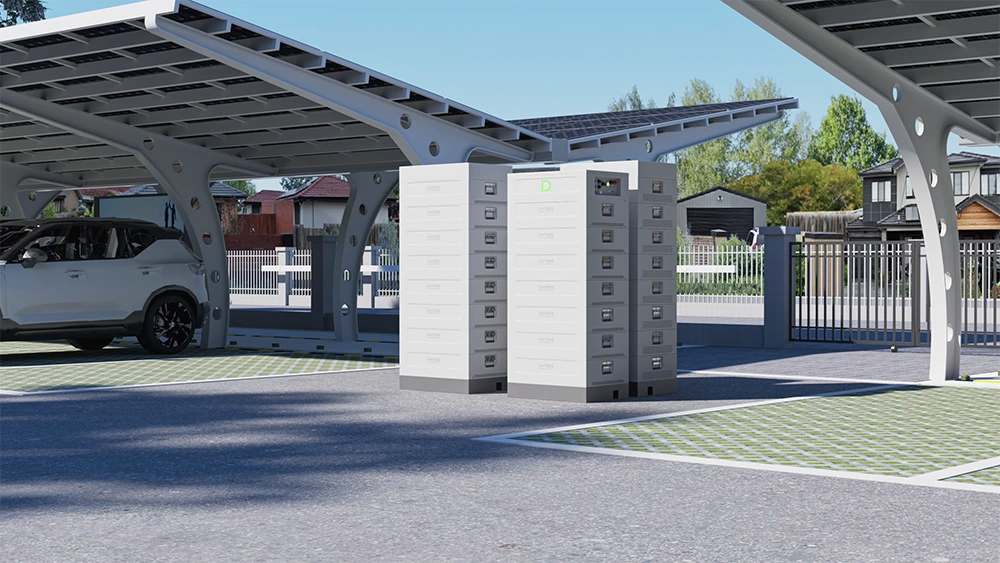
A modern bess solutions system doesn’t just do one thing—it stacks value across multiple revenue streams. Beyond peak shaving and arbitrage, your system can participate in demand response programs, provide backup power during outages, and even sell excess energy back to wholesale markets. The underlying logic of global industrial and commercial energy storage is upgrading from a “single electricity cost-saving tool” to core zero-carbon equipment for enterprises. As a battery energy storage system manufacturer, we design our systems with this value stack in mind. Our STACK100 model, for instance, scales up to 921kWh and supports fast charge/discharge, making it suitable for grid frequency regulation and other ancillary services. That means your storage asset keeps working for you long after the sun goes down.
Adopting battery energy storage isn’t about chasing the next green trend—it’s about protecting your margins. From cutting demand charges to capturing price spreads and unlocking new revenue, bess solutions deliver measurable financial returns from day one. At Dyness, we help B2B clients navigate this space with reliable OEM and ODM services tailored to real-world operations. Visit our website to explore how our battery energy storage system manufacturer expertise can transform your energy costs into a competitive advantage.
FAQ
-
Q: How can BESS solutions reduce commercial electricity costs?

A: BESS solutions reduce commercial electricity costs by storing electricity during low-cost periods and discharging during expensive peak periods. They help businesses reduce demand charges, optimize electricity consumption, and improve control over energy expenses.
-
Q: What is peak shaving and how does it save businesses money?
A: Peak shaving uses battery energy storage systems to discharge stored energy when electricity demand reaches high levels. By reducing the highest power draw from the grid, businesses can lower demand charges and reduce monthly electricity costs.
-
Q: How does time-of-use optimization work with battery energy storage?
A: Time-of-use optimization allows battery systems to charge when electricity prices are low and discharge when prices are high. This strategy helps businesses take advantage of electricity price differences and improve energy cost efficiency.
-
Q: Can commercial battery storage work together with solar PV systems?
A: Yes. When combined with solar PV, commercial battery storage can capture excess solar generation and use it when energy demand is higher. This improves renewable energy utilization, reduces grid dependency, and increases overall savings.
-
Q: Which Dyness products support commercial energy cost optimization?
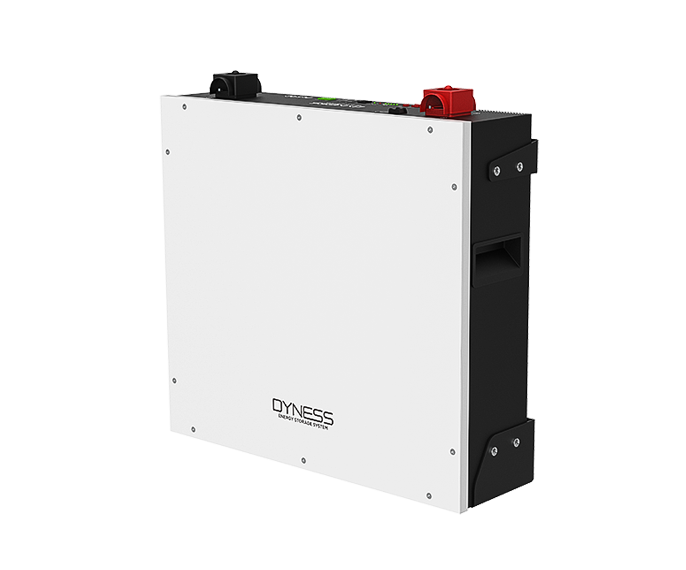
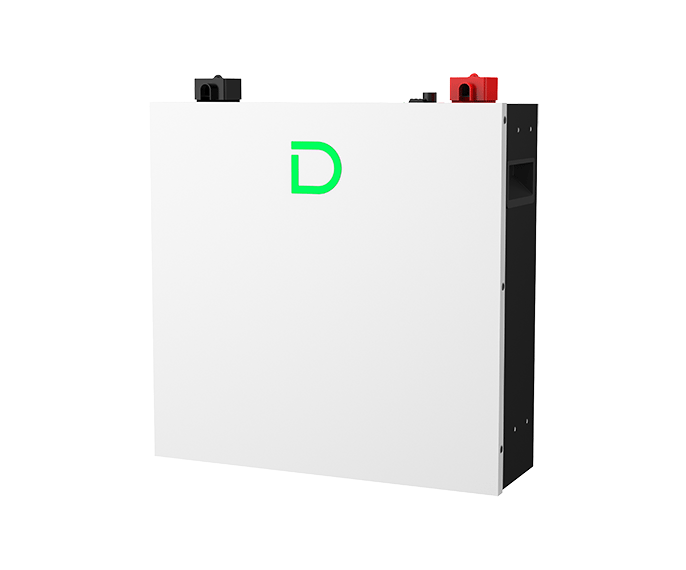
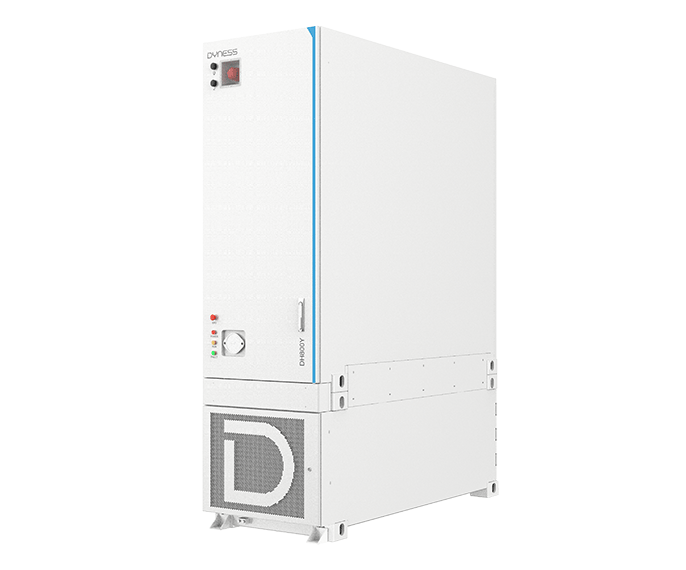
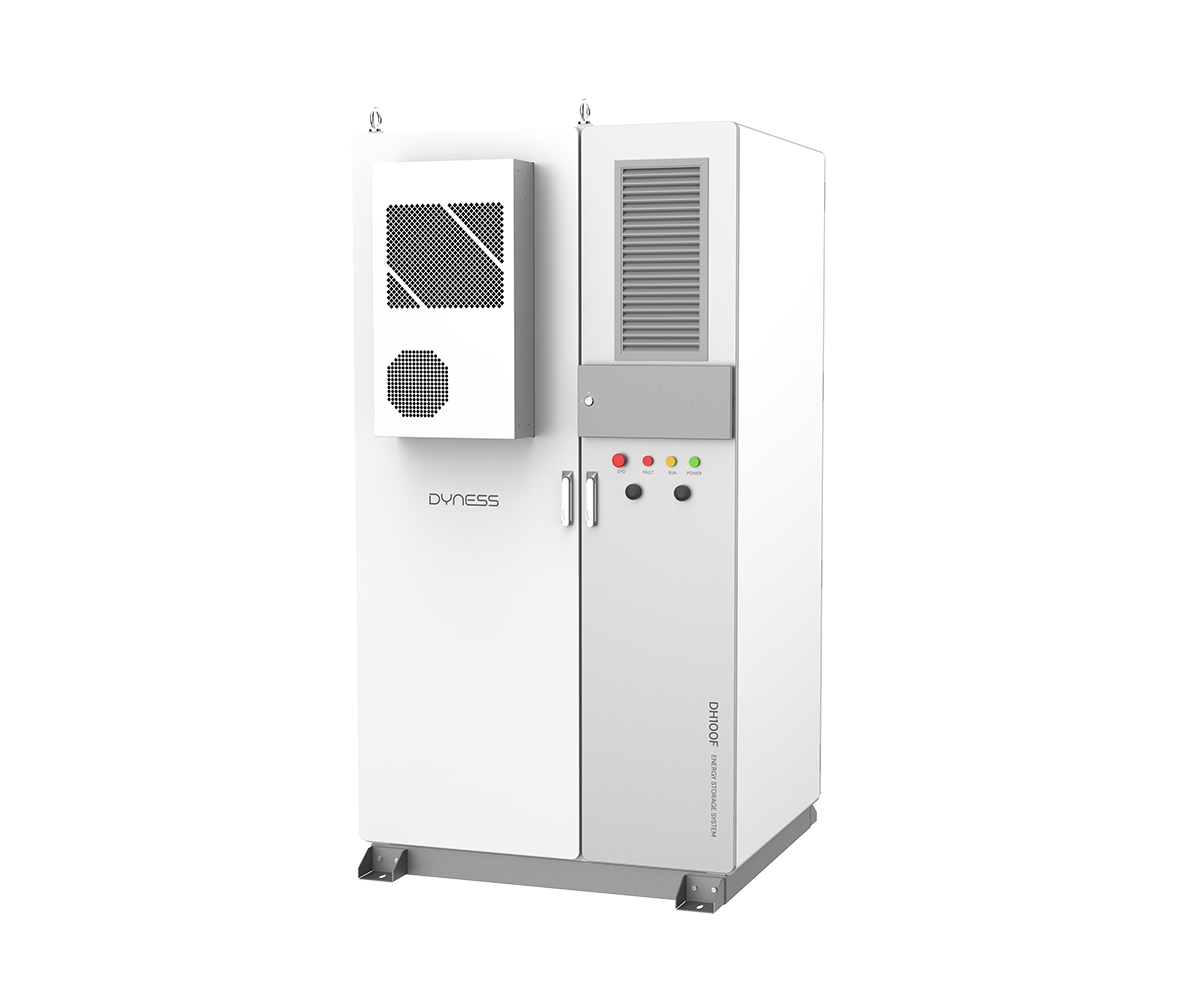
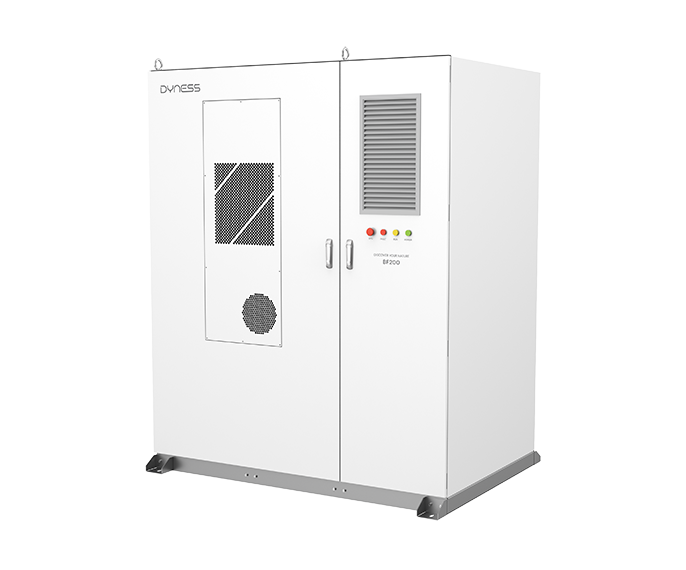
A: Dyness STACK100 Pro and DH200F/DH200Y are designed for commercial and industrial energy storage applications. They support flexible capacity expansion, intelligent energy management, peak shaving, backup power, and optimized energy operation.
Learn More