





















Residential Solar Battery Storage for Homeowners


Get notified about new updates, products, tips and tutorials. No spam.
Solar production and household electricity demand rarely follow the same schedule. Residential solar panels typically generate the most electricity during daylight hours, while household consumption often increases in the evening when lighting, cooking, and other appliances are in use. Residential solar battery storage addresses this mismatch by storing excess solar generation for later consumption, helping homeowners improve solar self-consumption and reduce reliance on grid electricity. Understanding daily generation patterns, household load profiles, and available charging opportunities is essential for designing an effective home energy storage system that delivers practical value throughout the year.

Understanding Daily Energy Consumption & Battery Sizing
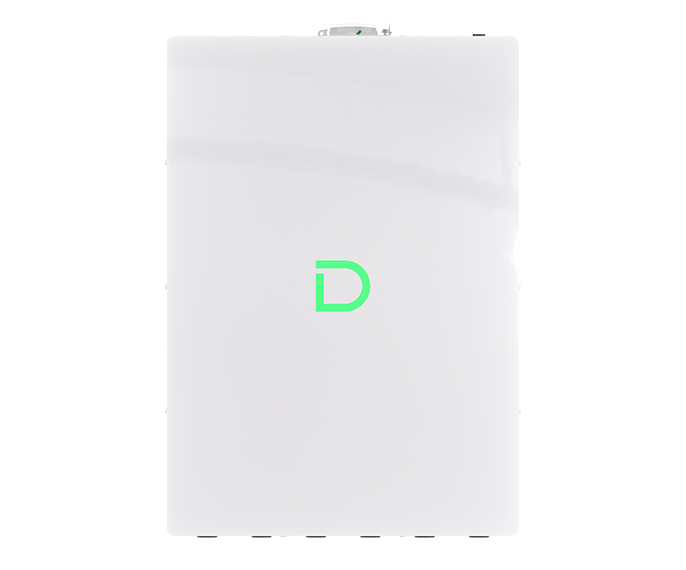
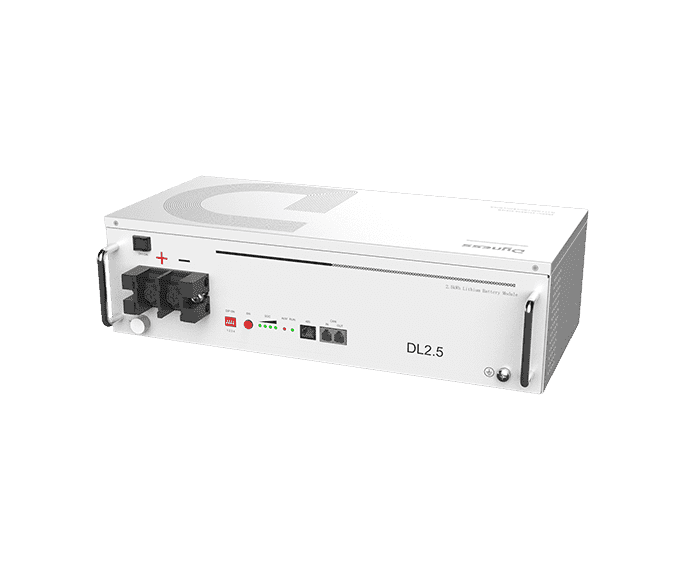
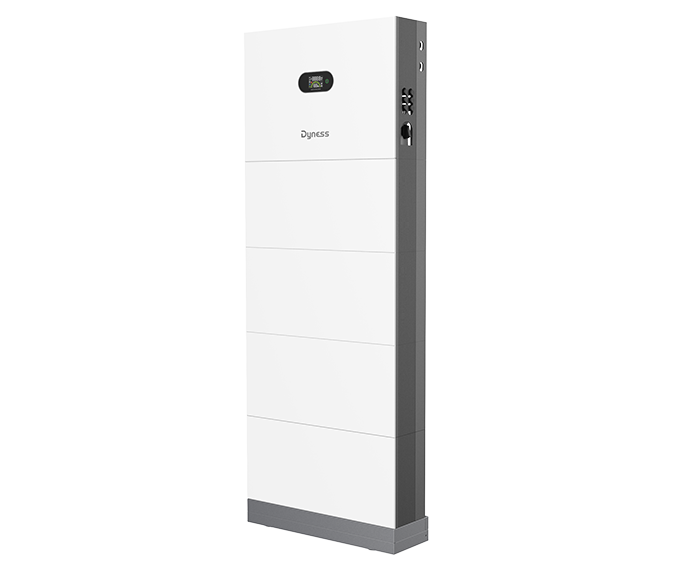
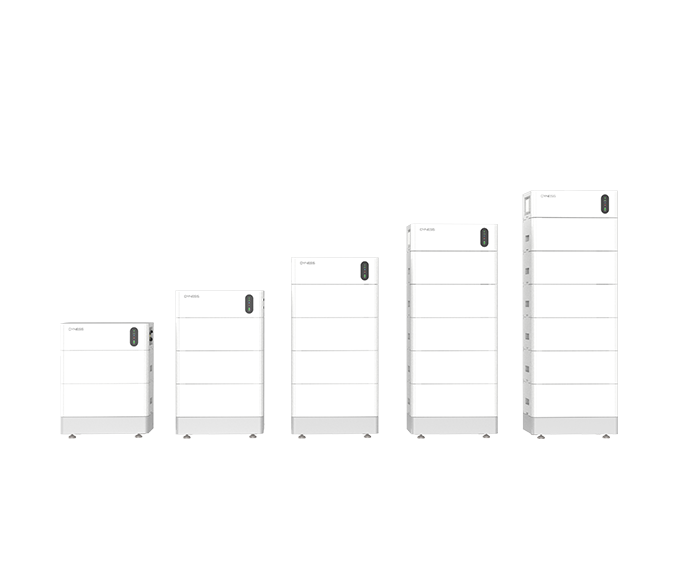
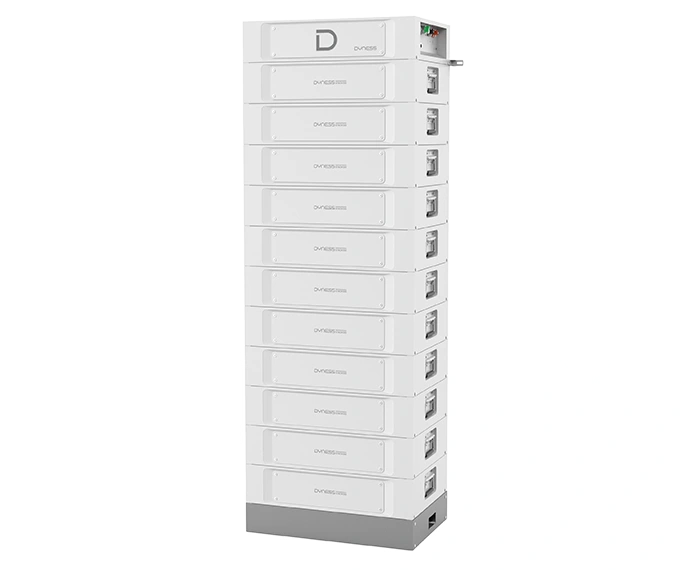
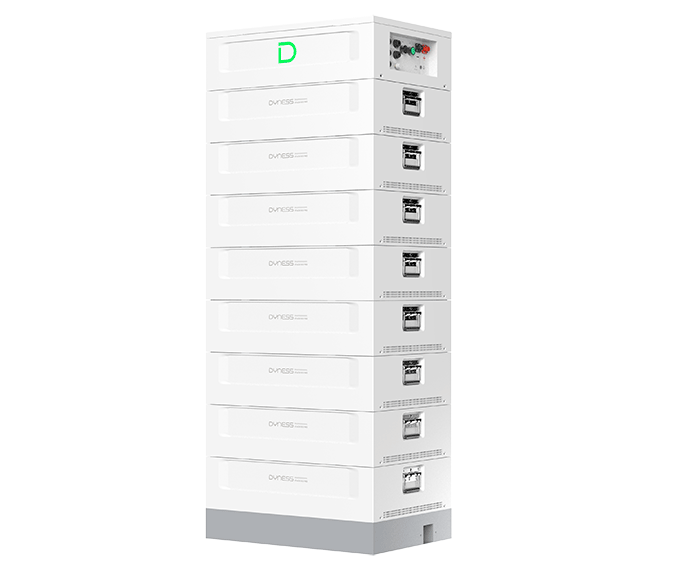
Choosing the right battery capacity starts with comparing household electricity consumption against available solar generation throughout the day. Morning and afternoon energy records help identify when surplus electricity is available for charging and how much stored energy is needed to support evening demand. Battery sizing should also account for usable capacity, conversion losses, reserved energy, and the output power required by simultaneously operating appliances. The Dyness PowerDepot G2 is a LiFePO4 battery offering 5.12 kWh per unit, with support for up to 50 parallel units and a total energy capacity range of 5.12–256 kWh. This modular architecture provides flexible residential solar battery storage configurations, allowing installers to match system capacity to actual household requirements rather than simply maximizing installed storage.
Installation Location & Environmental Adaptability
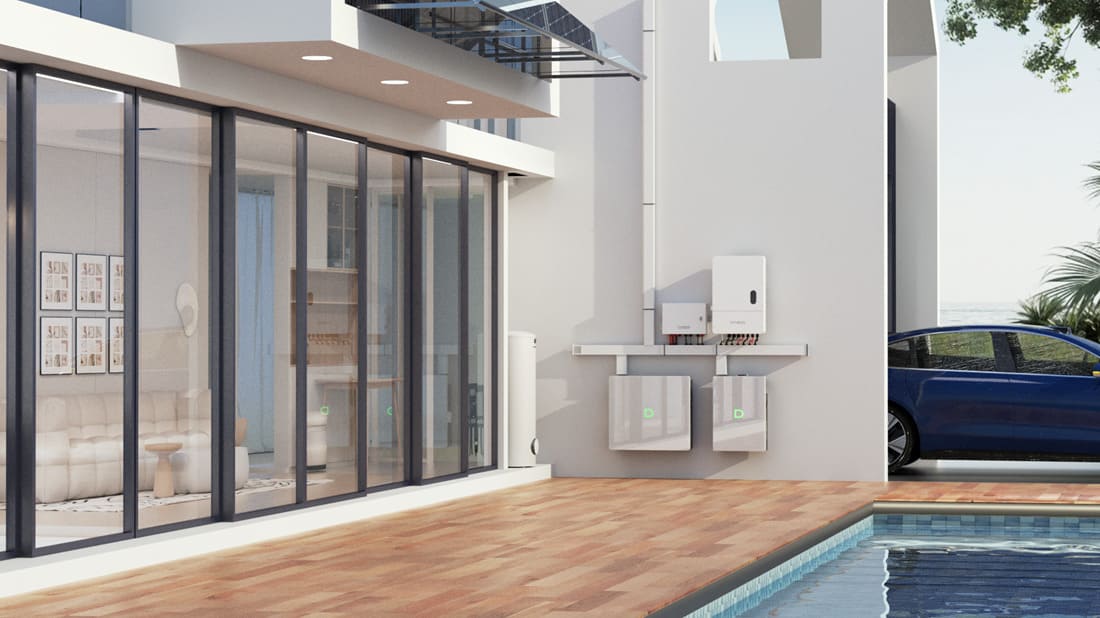
Installation conditions are another important consideration when selecting a residential battery storage system. The Dyness PowerDepot G2 supports both wall-mounted and floor-standing installation, as well as indoor and outdoor deployment, with an IP66 protection rating. Each battery unit weighs 54.4 kg and measures 450 × 165 × 660 mm, making structural support, installation clearance, and maintenance access important factors during site planning. The system also incorporates integrated aerosol fire protection, while its optional self-heating configuration supports operation from −20°C to 55°C. These features provide installation flexibility across different residential environments. However, product availability must also be confirmed before project planning, as PowerDepot G2 sales coverage excludes North America, Australia, Ukraine, and South Africa.
Real-World Applications & Residential Energy Management
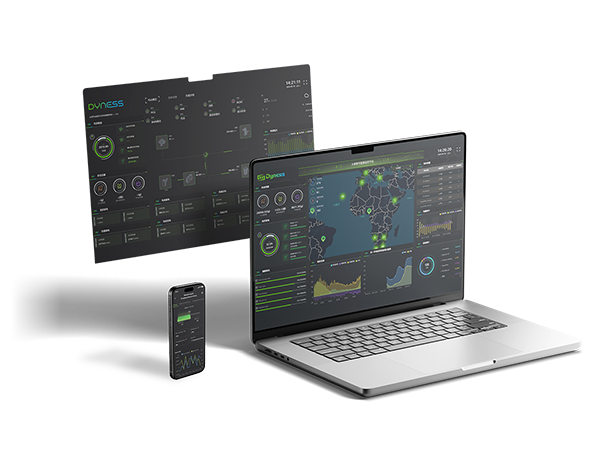
Residential installations demonstrate how battery storage can improve the utilization of solar generation under different household conditions. In a 2026 Italian project, a Dyness PowerBox G2 system was installed in an attic outside the main living area, working with inverter and control equipment to store daytime photovoltaic generation for evening household consumption. Wi-Fi connectivity and app access provide visibility into system operation. In a March 2026 Belgian project, PowerBox G2 batteries were integrated with Victron and Solis inverters across two homes to increase solar self-consumption and reduce grid dependence. These examples illustrate specific project configurations rather than universal inverter compatibility or guaranteed savings. Together with energy-management functions that support charging during lower-tariff periods and supplying loads during peak periods, battery monitoring helps homeowners understand energy flows and optimize daily consumption schedules.

Monitoring, Scheduling & Long-Term Optimization
Effective household energy storage requires continuous attention to actual operating conditions after installation. Monitoring battery energy, current, charging, discharging, and household consumption helps identify whether the system is meeting its original energy requirements. Historical operating records can reveal unused capacity, insufficient charging opportunities, or changes in household demand. Homeowners and installers can use these insights to adjust charging and discharging schedules according to local electricity tariffs, seasonal solar generation, and changing appliance usage. A larger battery does not automatically guarantee greater savings if insufficient surplus solar energy is available to charge it. Regularly reviewing operating data ensures that residential solar battery storage remains aligned with the household's real energy consumption patterns.
Final Takeaway
Choosing the right residential solar battery storage system involves balancing daily electricity consumption, available solar generation, battery capacity, installation conditions, and intelligent energy management. Modular solutions such as the Dyness PowerDepot G2, with 5.12 kWh per unit and expansion support up to 256 kWh, provide flexible configurations for different household requirements. By combining appropriate system sizing, reliable installation, and continuous energy monitoring, homeowners can make better use of solar generation, improve energy independence, and manage electricity consumption more effectively. At Dyness, we remain committed to developing adaptable residential energy storage solutions that support smarter and more sustainable household energy management.
FAQ
-
Q: How do I choose the right residential solar battery storage capacity for my home?

Start by analyzing daily household electricity consumption, available excess solar generation, and the amount of energy needed during evening or peak-demand periods. Also consider usable battery capacity, conversion losses, reserved energy, and inverter output limitations. The right residential solar battery storage capacity should match your actual energy requirements.
-
Q. Can the Dyness PowerDepot G2 be installed outdoors?
Yes. The Dyness PowerDepot G2 supports indoor and outdoor installation, with an IP66-rated enclosure. It supports both wall-mounted and floor-standing configurations. The optional self-heating version supports operation from −20°C to 55°C, subject to the applicable product configuration and installation requirements.
-
Q. How many Dyness PowerDepot G2 batteries can be connected in parallel?
The Dyness PowerDepot G2 supports up to 50 units in parallel. Each unit provides 5.12 kWh of nominal energy capacity, allowing the system to scale from 5.12 kWh to a maximum of 256 kWh, subject to the applicable system configuration and installation requirements.
Learn More