





















Does a Balcony Energy Storage System Require Daily Operation,or Is It Fully Automatic?


Get notified about new updates, products, tips and tutorials. No spam.
When considering a Plug-in Balcony ESS, many users wonder whether daily operation is complicated: must they switch it on and off or set charging and discharging manually?
The level of user intervention mainly depends on whether the product supports automatic energy management and whether initial setup has been completed.

Core Explanation
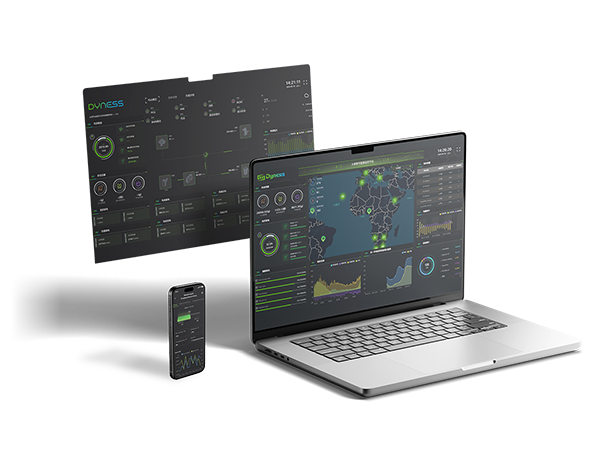
A Plug-in Balcony ESS with automatic energy management can adjust charging and discharging based on PV generation, household consumption, and battery status, reducing daily manual intervention.
When surplus PV energy is available during the day, the system can store some of it. When PV generation decreases but the household still needs electricity, stored energy can be discharged according to the product's operating strategy. Functions vary by product, so consult its documentation.
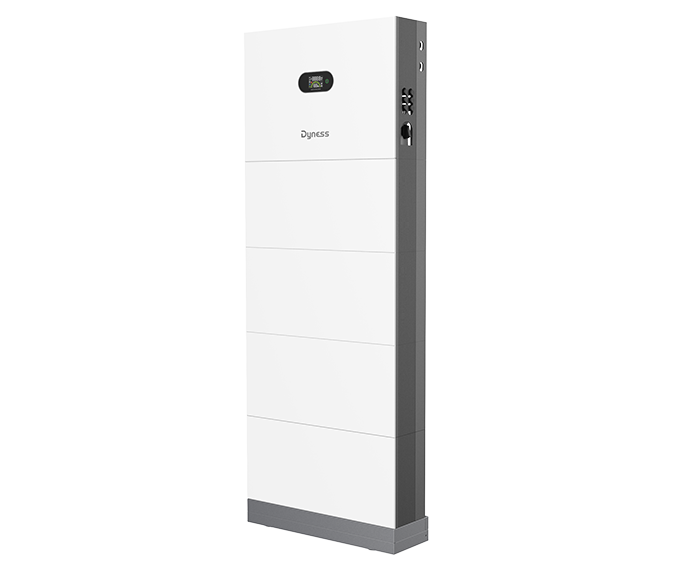
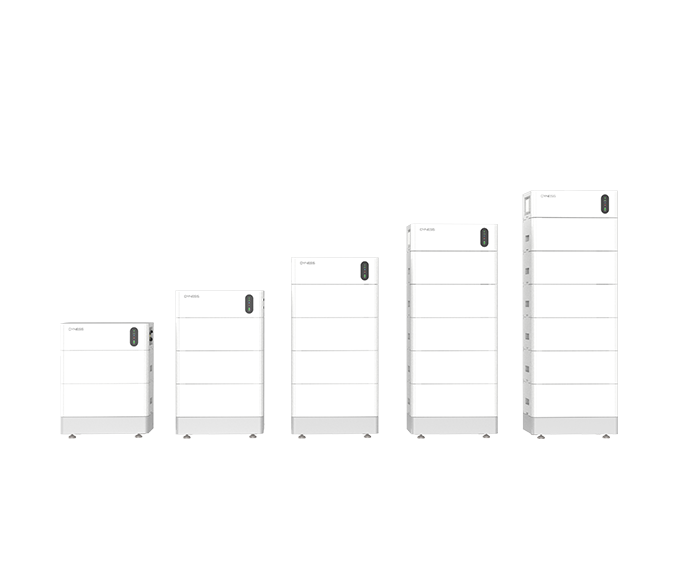
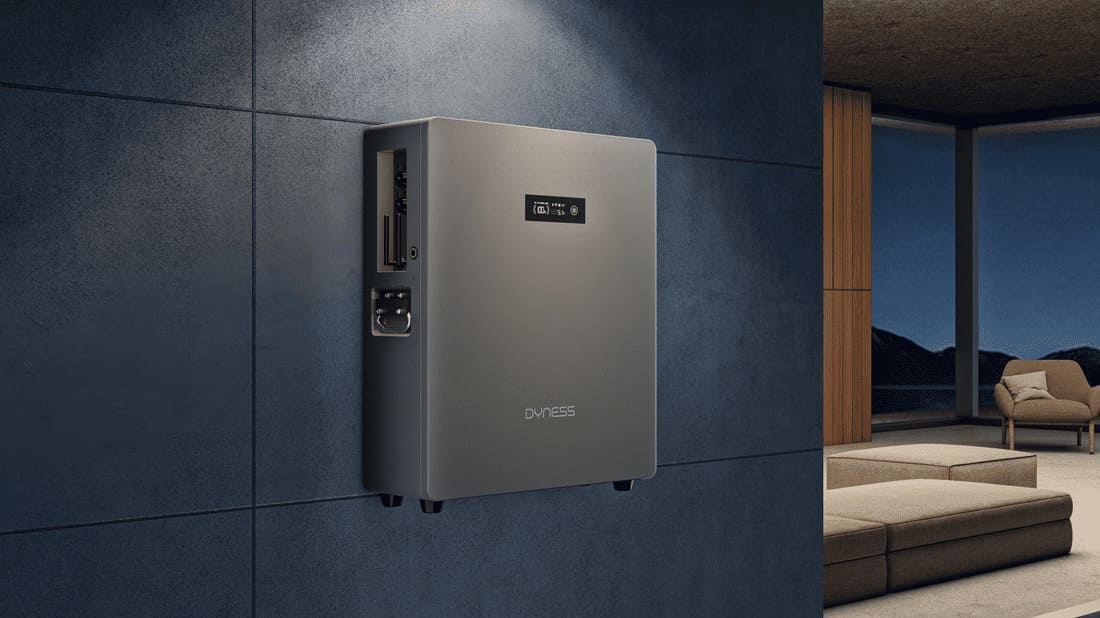
AquaVolt is a Plug-in All-in-one ESS with an integrated design, while SolarCube 2 is a Plug-in Stackable ESS with a modular design. Daily operation depends on the energy management functions each product supports.
Key Factors
- Whether automatic charging and discharging is supported
- Whether network setup, configuration, and operational checks are complete
- Whether schedules or other operating strategies have been set
- Real-time changes in PV generation, household loads, and battery state of charge

Misconceptions / Edge Cases
Misconception: A Plug-in Balcony ESS is always fully automatic
→ Reality: Products offer different levels of automation. Check supported control modes and setup requirements.
Misconception: No attention is needed after installation
→ Reality: Even with automated operation, users should occasionally check system status and alerts.
Misconception: Charging and discharging must be switched manually every day
→ Reality: Products with automatic management can generally control charging and discharging without daily switching.
Suitability & Unsuitability
Suitable scenarios:
- Households seeking to reduce daily manual operation
- Users who want to make use of surplus balcony PV energy automatically
- Households that want to manage energy use through preset strategies
Not suitable scenarios:
- Products that do not support the required automatic controls
- Homes where network, electrical connection, or site conditions fail product requirements
- Energy management needs beyond the product's supported functions
Conclusion
A Plug-in Balcony ESS does not necessarily require daily operation. After initial setup, products with automatic energy management can adjust charging and discharging according to system conditions.
When choosing a product, check its automatic operating modes, whether additional metering devices are required, and whether it provides the backup capability you need.
FAQ
-
Q: Can all generated electricity be stored?

A: No. Whether electricity can be saved depends entirely on your battery capacity, current state of charge, and overall system configuration.
-
Q: How can I increase the proportion of stored solar electricity used at night?
A: You can increase the nighttime share by choosing a battery capacity that matches your daytime surplus solar generation and evening electricity demand. Reducing unnecessary daytime consumption or improving PV generation can also help create more energy available for storage.
-
Q: How does Dyness storage improve solar self-consumption?
A: Dyness storage improves solar self-consumption by storing surplus PV energy during the day and releasing it later when household demand increases, such as in the evening, at night, or during low solar production periods.
Learn More