



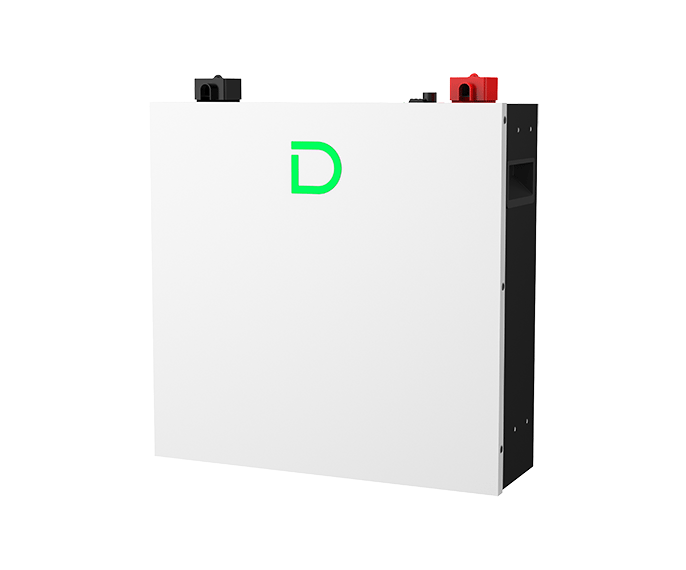
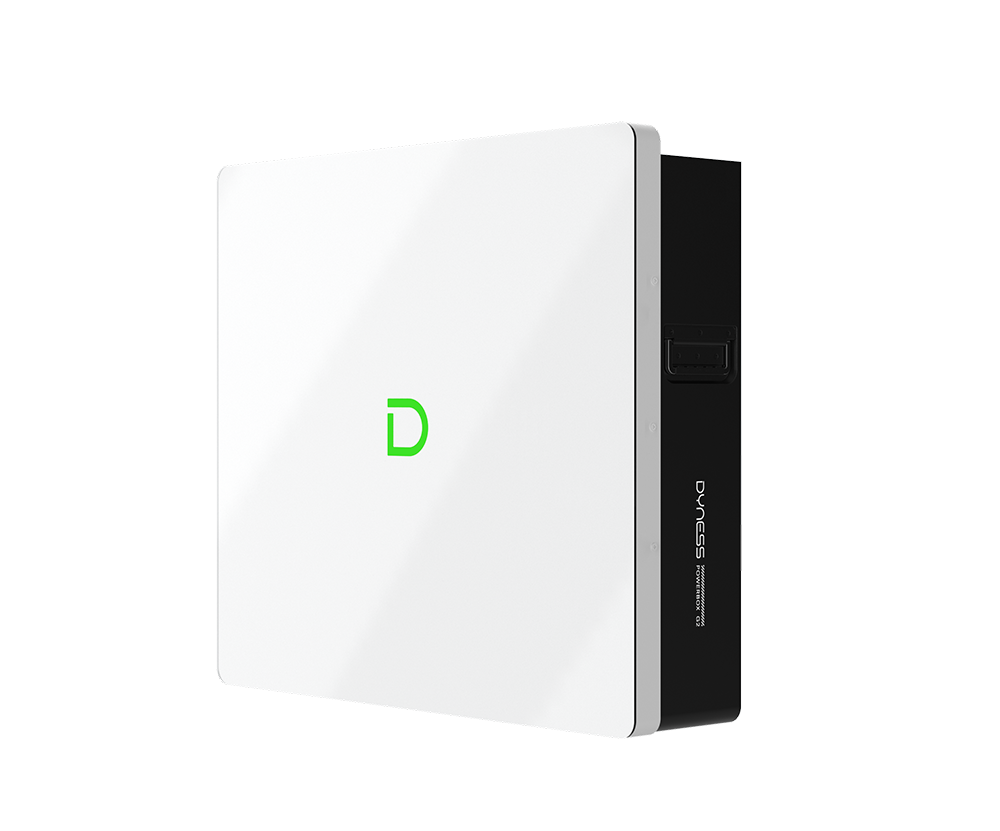


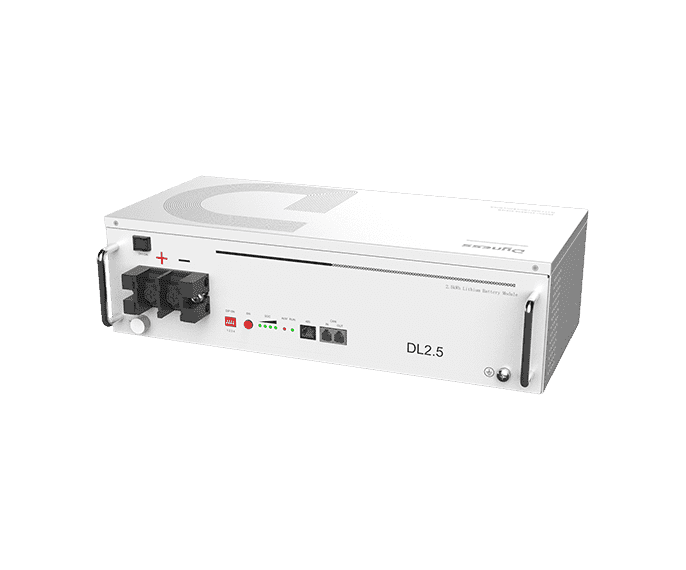

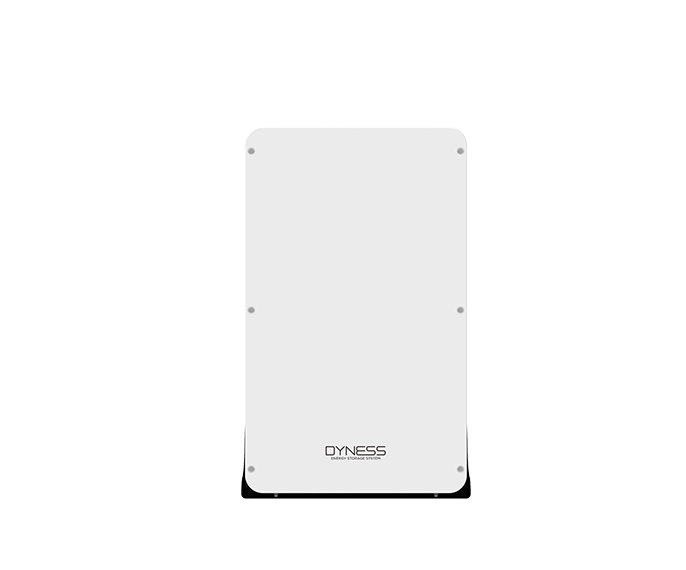



















Dyness Knowledge | From battery cell to the entire substation, four safety checkpoints—this is how Dyness prevents thermal runaway
-
Technical Blog
-
 2026-07-03
 -
 Dyness

Against the backdrop of an accelerating global energy transition, lithium-ion battery energy storage systems have become a crucial infrastructure for building new power systems. However, as energy storage power plants expand from MWh to GWh, system safety, especially the risk of thermal runaway, has become a core concern for the industry.
In the complex electrochemical system of lithium batteries, thermal runaway is a process that accumulates gradually and eventually leads to qualitative failure. Runaway heat not only damages individual cells but can also spread cascadingly within the battery pack and even the entire energy storage system, ultimately threatening equipment assets and personnel safety. Therefore, effectively controlling temperature, suppressing heat diffusion, and preventing the spread of risk have become key issues in energy storage system design. Currently, thermal management technology in the energy storage industry is upgrading from traditional "cooling and heat dissipation" to "full lifecycle thermal safety management." Thermal runaway protection faces multi-level challenges.
• Cell level: Insufficient heat insulation; ordinary materials cannot effectively block heat, easily triggering a chain reaction of thermal runaway.
• Packet level: Traditional plastic casings are prone to failure at high temperatures, increasing the risk of fire.
• Cabinet level: Combustible gas accumulation may reach the explosive limit, causing deflagration accidents.
• System level: Manual inspections are lagging, faults are difficult to predict, and risk management is passive.
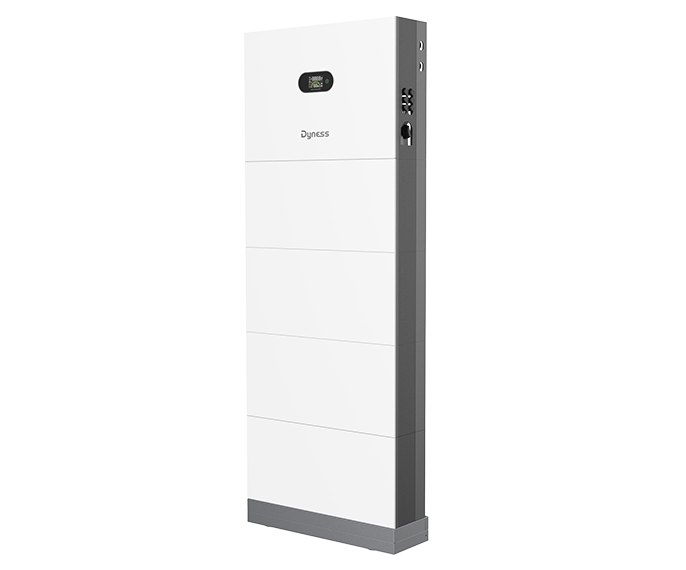
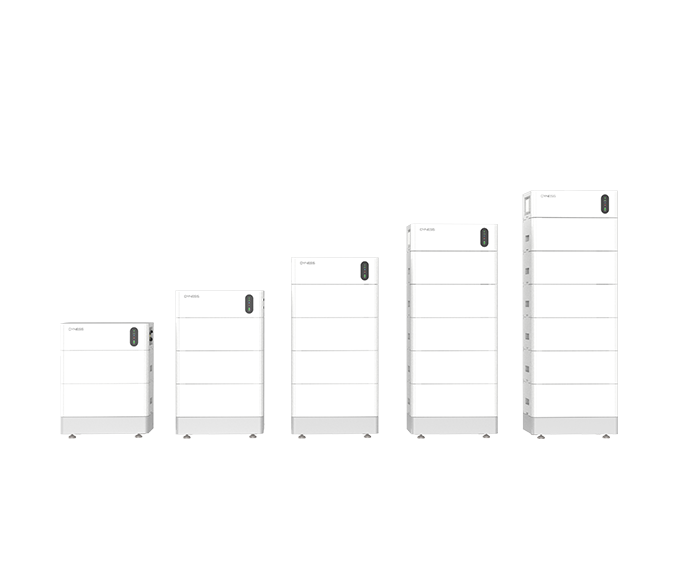
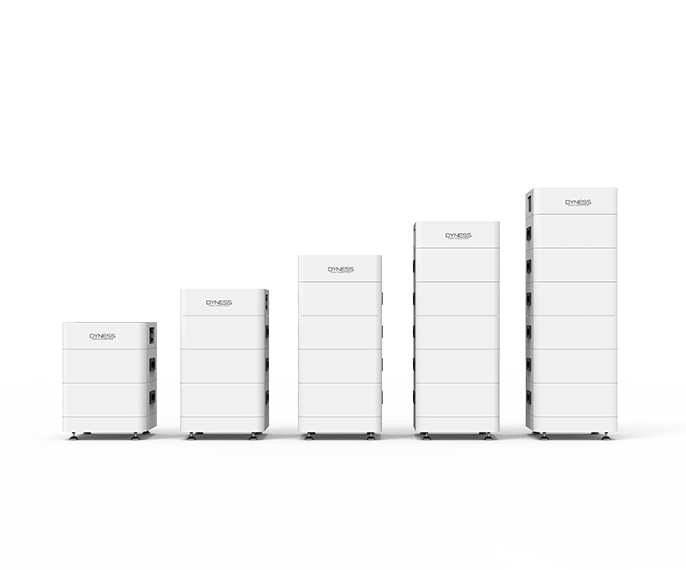
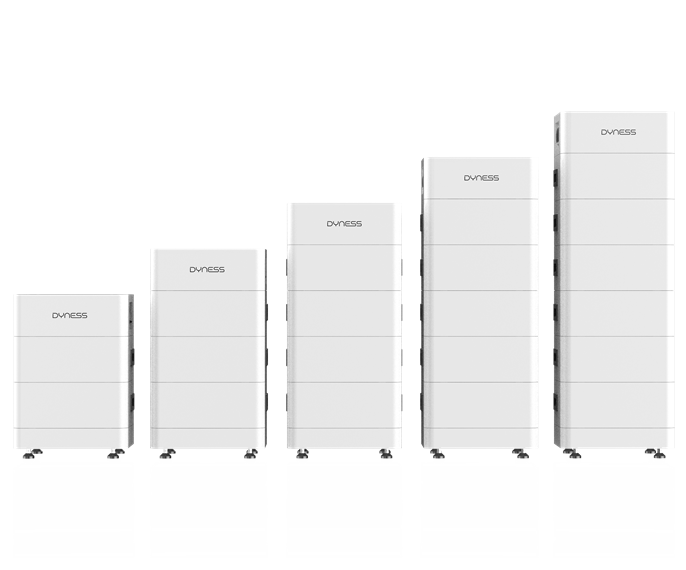
To address these challenges, Dyness has constructed a comprehensive security protection system across the entire value chain, from battery cells and PACKs to cabinets and system levels. This four-tiered security defense system enables precise control of thermal runaway risks, minimizing the risks of fire, spread, and explosion, and ensuring user benefits and personnel safety.
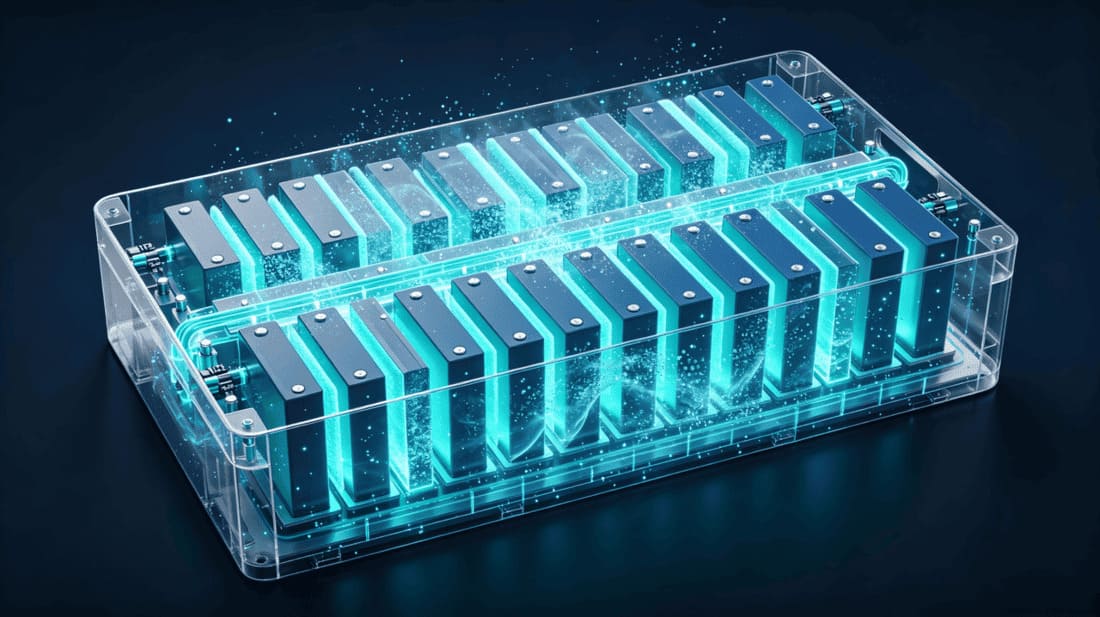
First line of defense - cell level: high-performance cell thermal insulation, precise temperature control, and ultra-high-density temperature monitoring network.
Dyness uses high-temperature resistant insulating materials, with long-term temperature resistance exceeding 350℃ and short-term temperature resistance up to 1000℃. This forms an efficient thermal barrier between the cells, effectively blocking heat conduction and preventing localized abnormal temperature rises from spreading to surrounding cells, thus reducing the risk of heat spread at its source. A high-efficiency liquid cooling plate heat dissipation solution is employed to achieve uniform heat exchange. Combined with the EMS energy management system, the liquid cooling operation is dynamically adjusted to keep the battery temperature difference within 3℃, ensuring that the cells always operate within their optimal temperature range. Furthermore, the temperature sampling density is further increased, with a temperature collection coverage exceeding 50%, achieving approximately one temperature monitoring point for every 1.5 cells. This allows for timely detection of localized hotspots and early abnormal temperature rises, enabling early identification and warning of thermal runaway risks.
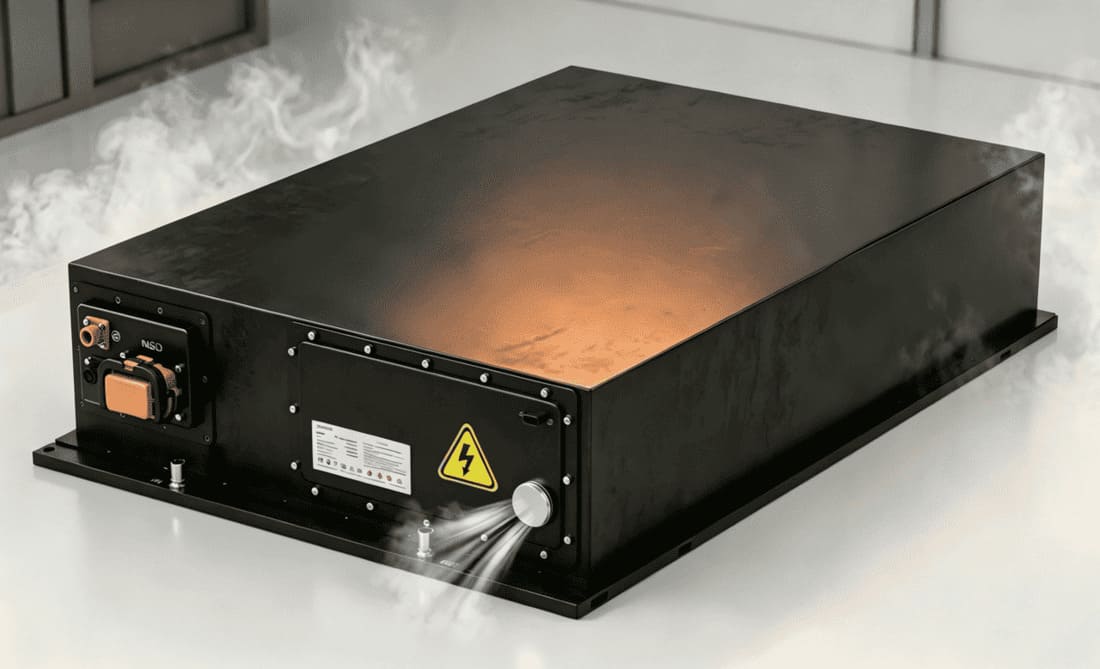
Second line of defense - PACK level: Explosion-proof structure and fire protection design PACK
The PACK structure is made of high-strength metal materials and internally equipped with highly reliable explosion-proof valves and passive fire suppression systems, featuring a fully sealed design. Compared to traditional plastic structures, high-strength metal materials possess superior high-temperature resistance and mechanical strength, effectively withstanding the high temperatures and pressure shocks generated by thermal runaway, preventing deformation, cracking, or structural failure. The explosion-proof valve automatically opens when the internal pressure of the PACK rises to a set threshold, rapidly releasing flammable gases and preventing structural damage due to internal overpressure. Simultaneously, when the internal temperature of the battery reaches the set threshold of the fire suppression system, it quickly activates, rapidly releasing extinguishing agents to suppress and extinguish initial fire sources, effectively preventing the fire from spreading and escalating into thermal runaway.
Third Line of Defense - Rack Level: Multi-layered Security Protection System
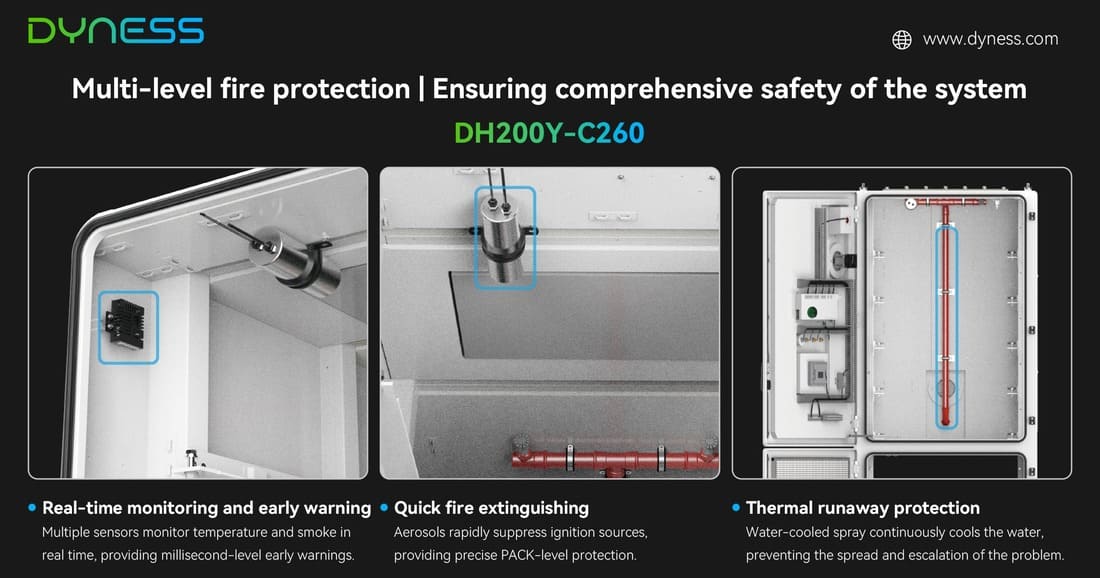
To address the traditional problem of thermal runaway, Dyness has established a multi-layered protection system consisting of "rack pressure relief valves + rack fire suppression + water fire suppression." When the internal pressure of the rack becomes unbalanced, the explosion-proof pressure relief valves located at the front and rear of the rack open, enabling the rapid and orderly release of flammable gases, preventing their accumulation inside the rack, and ensuring that the concentration remains below the lower explosive limit, thereby significantly reducing the risk of deflagration. When thermal runaway occurs in the rack, the built-in fire suppression system quickly activates to effectively suppress the runaway and prevent the spread of heat. If the rack-level fire suppression system cannot contain the fire or if the fire reignites, the extinguishing agent can be delivered to a designated area via external fire suppression equipment, enabling remote fire suppression, effectively reducing rescue risks, improving on-site emergency response efficiency, and buying valuable time for fire control and accident isolation.
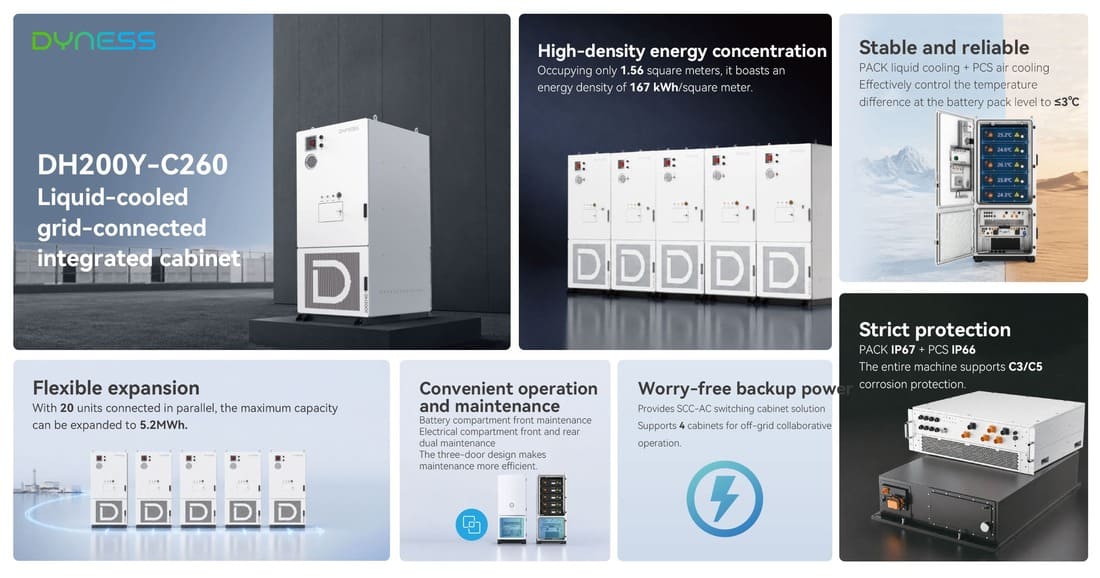
The fourth line of defense - system level: big data analysis and remote early warning
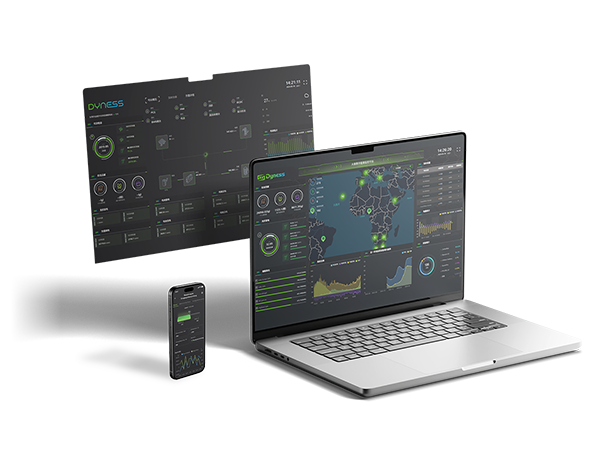
By accumulating massive amounts of on-site operational data in the cloud, an integrated monitoring and management platform covering the entire lifecycle of energy storage has been built. Relying on real-time data acquisition and multi-dimensional analysis capabilities, it monitors core operational indicators of energy storage in real time and dynamically perceives the system's operational status.
With the help of the AI health diagnosis model, we can deeply analyze the aging trend and performance degradation of battery cells to achieve early prediction of battery health status and identification of hidden dangers. Adhering to the core security concept of "early detection, early warning, and early isolation", multi-level early warnings are quickly triggered for various abnormal situations, and faulty units are automatically isolated and processed to block the spread of risks. Use active safety protection to replace traditional post-event maintenance, protect the safety of energy storage systems in all dimensions, significantly reduce the incidence of safety accidents, and improve the overall operational reliability of energy storage power stations.
Safety creates value, temperature control protects the future.
Dyness has conducted rigorous testing and verification covering the entire lifecycle of its systems. The systems have undergone extreme environmental testing ranging from -30℃ to 70℃, as well as multiple extreme safety tests including active thermal runaway induction, thermal propagation suppression, and pressure release. Each protection strategy has been repeatedly verified and optimized. This ensures that even under the most demanding operating conditions, the system can achieve rapid risk isolation and effective control, adhering to the safety bottom line of "no fire, no propagation." Dyness is safeguarding the safe and stable operation of global energy storage projects with its advanced thermal management technology and system-level safety design.
Dyness Digital Energy Technology Co., LTD
WhatsApp: +86 181 3643 0896 Email: info@dyness-tech.com
Address:7th–8th Floors, Building 3 No. 58 Nanhu Road Chengnan Subdistrict, Wuzhong District Suzhou, China
Dyness Website: https://www.dyness.com/
Dyness community: https://www.facebook.com/groups/73560020090