























Dyness DH200F Powers Austria’s Sommerhanf Farm, Unlocking a New Model for Smart Agricultural Energy
-
Company News
-
 2026-08-13
 -
 Dyness

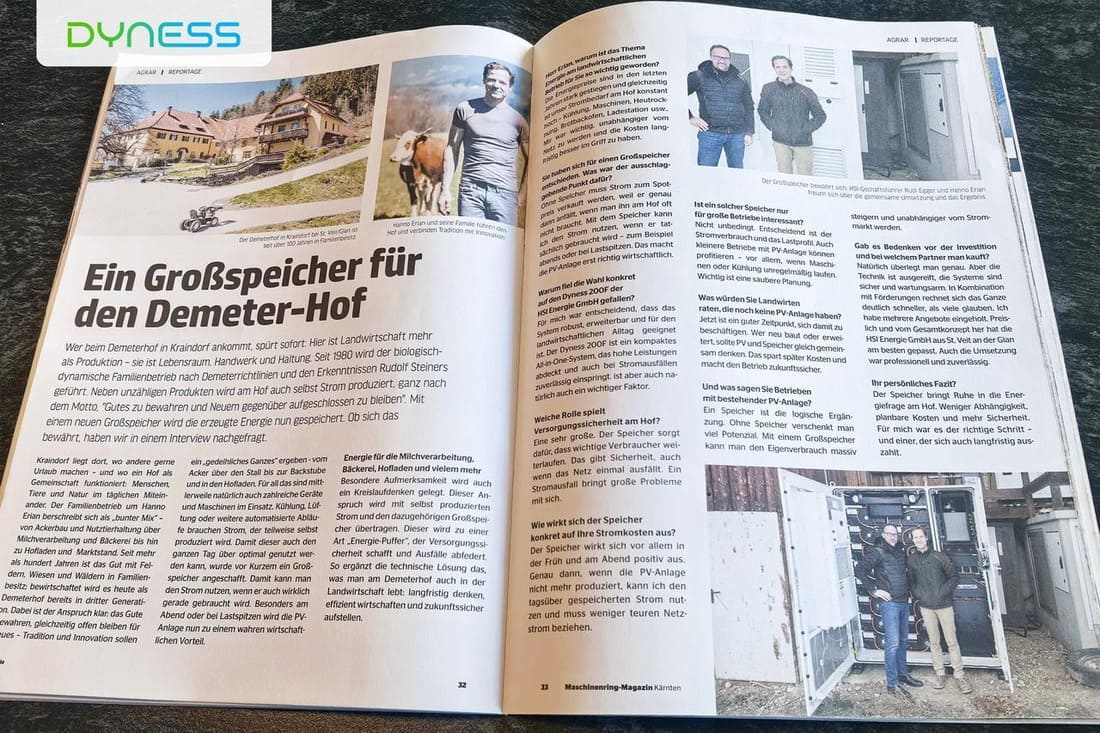
Driven by Europe’s energy transition and the push for sustainable agriculture, farms are facing an increasing need for efficient and reliable energy management. The Sommerhanf organic farm in Austria has adopted the Dyness DH200F commercial and industrial (C&I) energy storage system, building an integrated “PV + storage” solution that significantly improves energy efficiency while reducing operating costs. As a benchmark case of integrating organic farming with clean energy, the project was featured by Austria’s professional agricultural media outlet Maschinenring, highlighting the practical value of C&I energy storage in supporting Europe’s low-carbon agricultural transition.
PV + Storage Synergy: Building a Stable and Green Energy System for Organic Farming
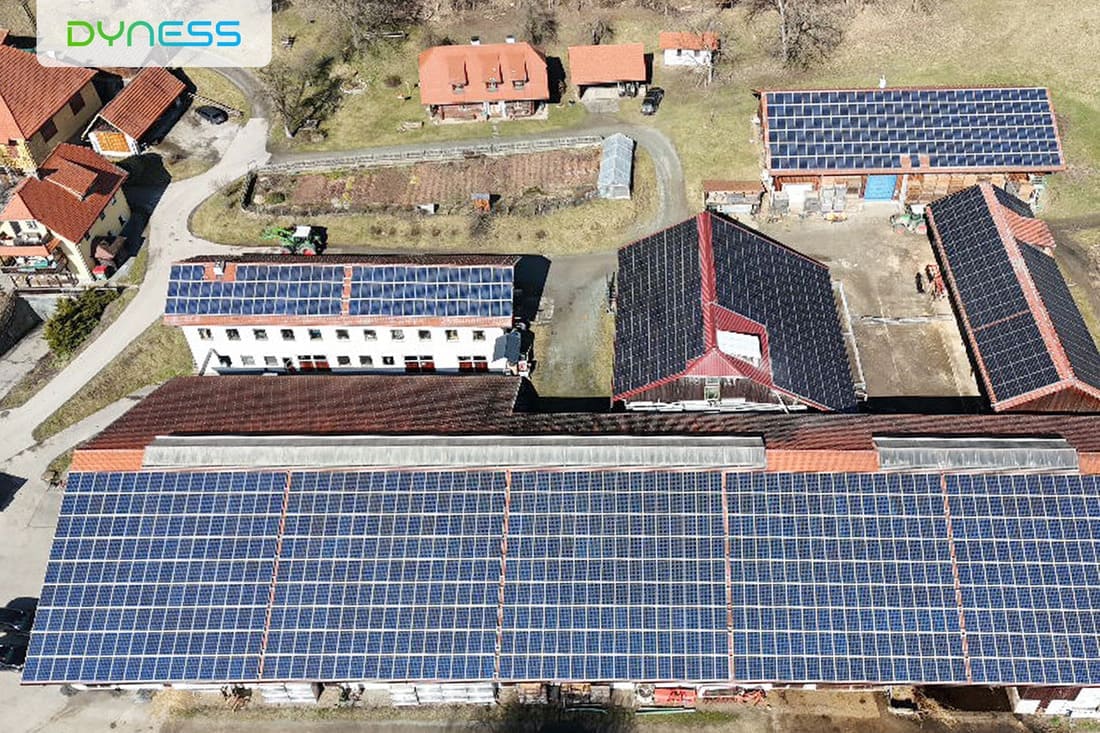
Located in Kraindorf, Austria, the Sommerhanf organic farm is a comprehensive agricultural operation combining crop cultivation and livestock farming. Its daily operations rely heavily on electricity, where power continuity and stability are critical to production safety. However, the local grid infrastructure is relatively weak, with frequent voltage fluctuations and outages. This created an urgent need for a new, resilient, and sustainable energy system.
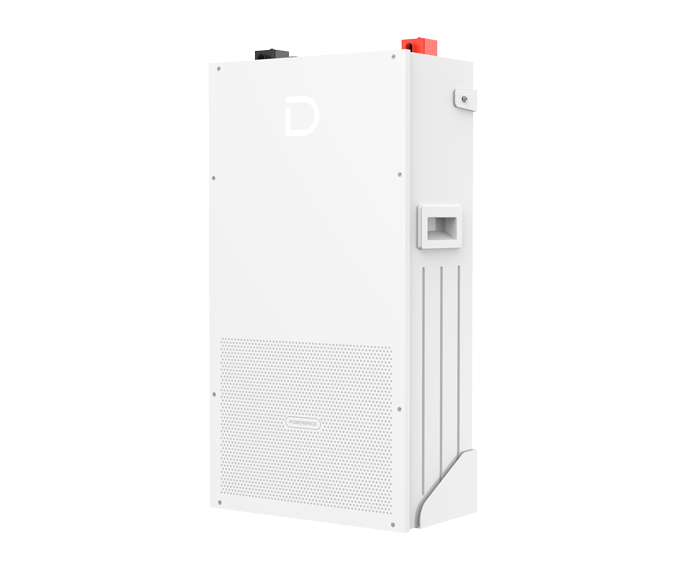
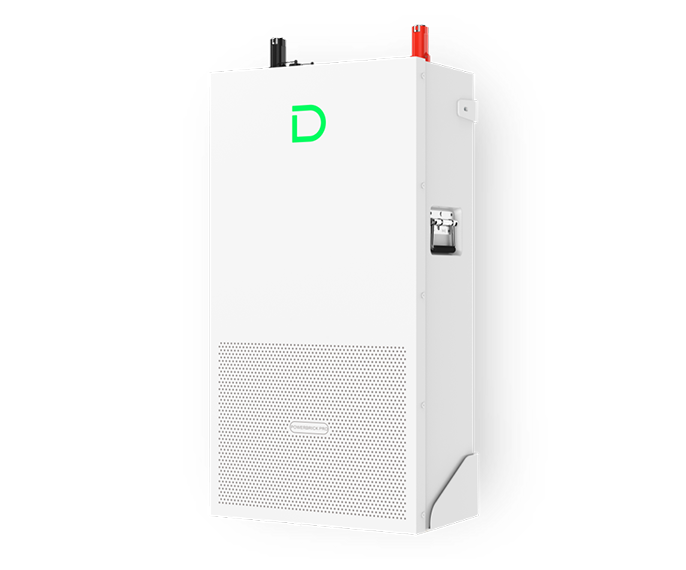
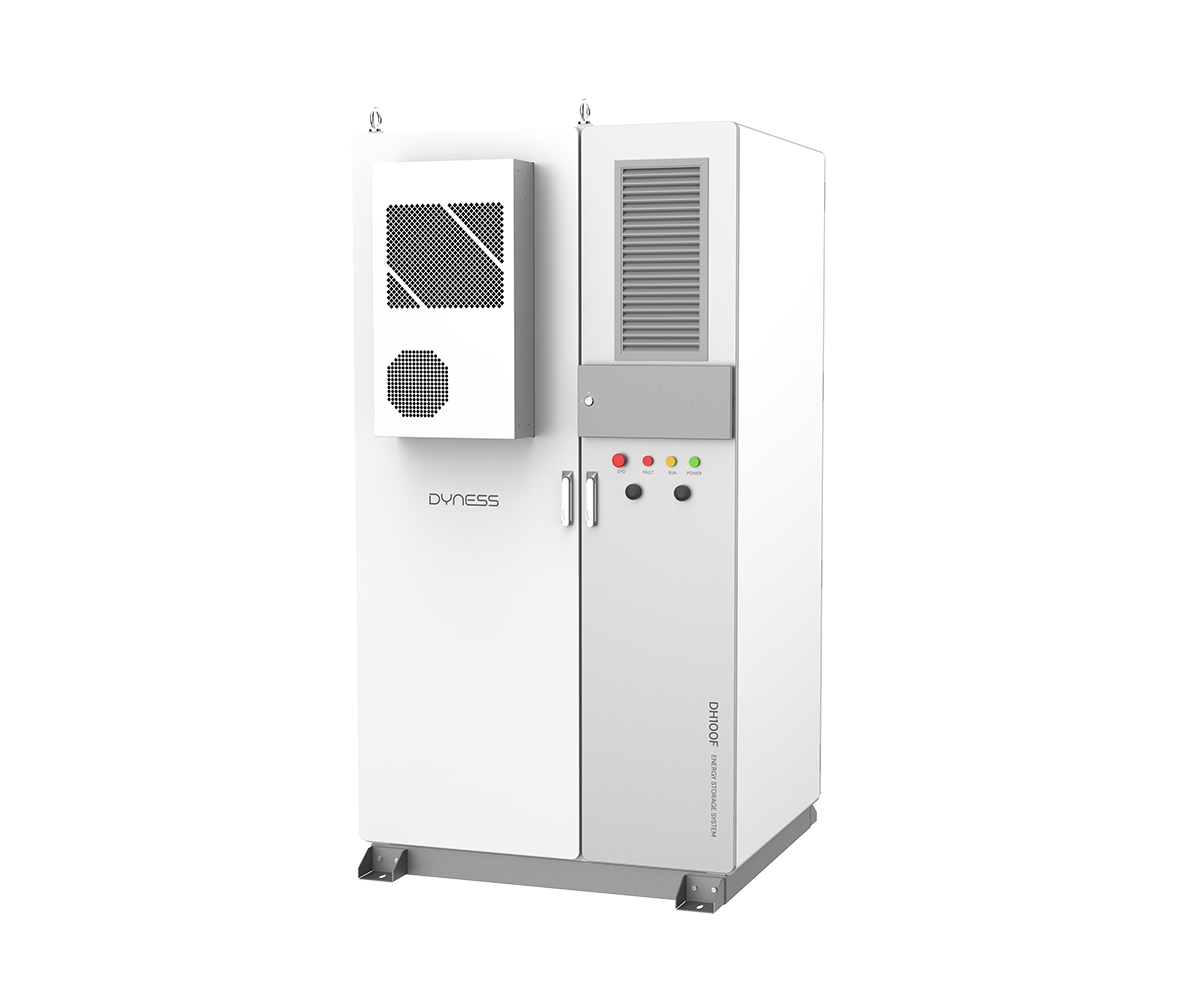
To address this, the farm deployed a 215 kWh Dyness DH200F all-in-one C&I energy storage cabinet, integrated with its existing photovoltaic system. The solution combines solar generation, energy storage, and backup power into a unified system. After commissioning, the farm significantly increased its renewable energy utilization and energy independence.
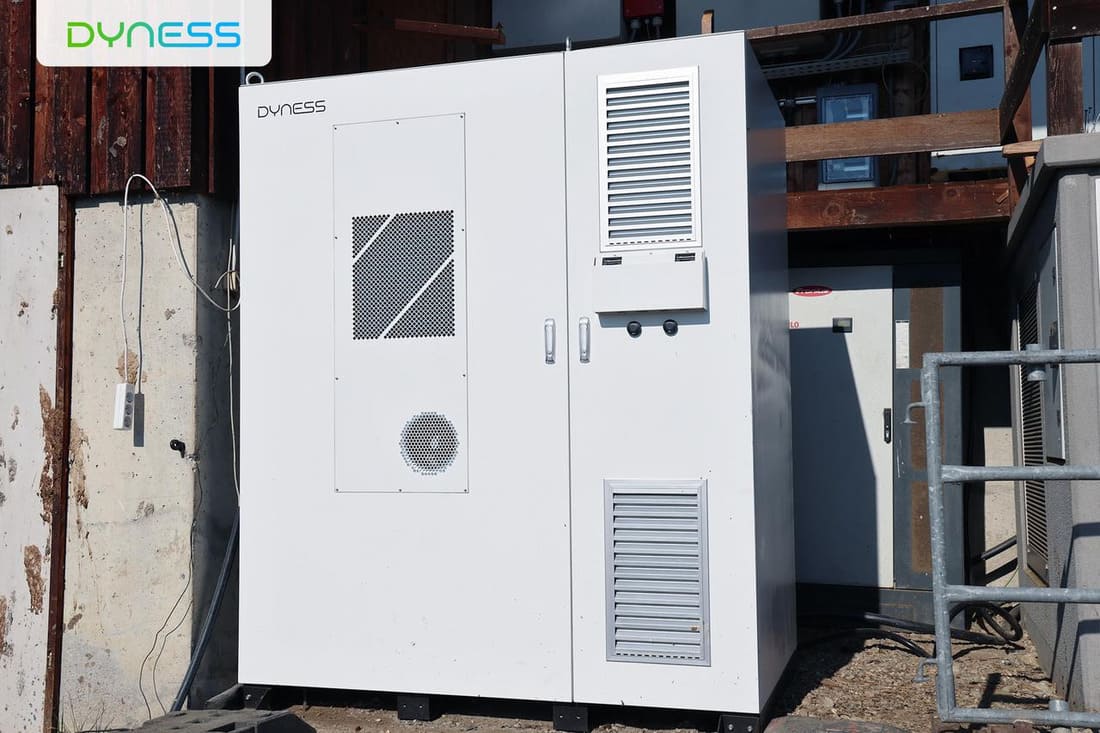
In the event of grid instability, the system enables seamless on/off-grid switching within milliseconds, ensuring uninterrupted power supply to critical loads. Meanwhile, intelligent energy management optimizes energy usage, improves efficiency, and reduces operational costs—supporting the farm’s transition toward a more sustainable and efficient energy model.
DH200F Integrated Design: A High-Performance Energy Core for Agriculture
Agricultural environments present complex energy demands, long operating hours, and high requirements for system continuity. Therefore, energy storage systems must deliver not only capacity but also flexibility and reliability.
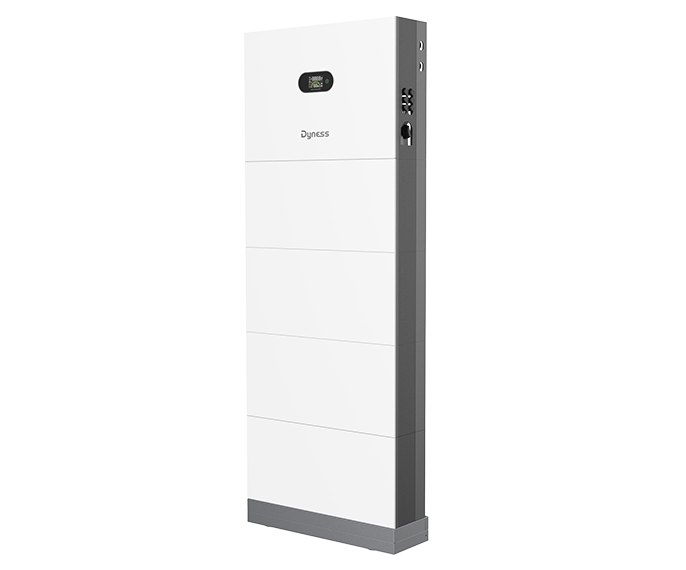
The Dyness DH200F adopts a highly integrated design, combining battery, PCS (Power Conversion System), and control system into a single unit. This reduces system complexity and simplifies deployment, offering a more convenient solution for agricultural, industrial, and commercial users.
1. Flexible scalability for diverse applications
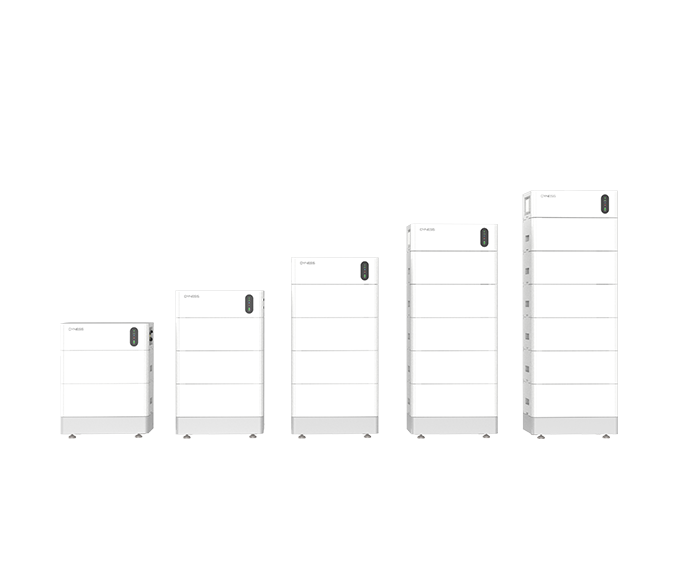
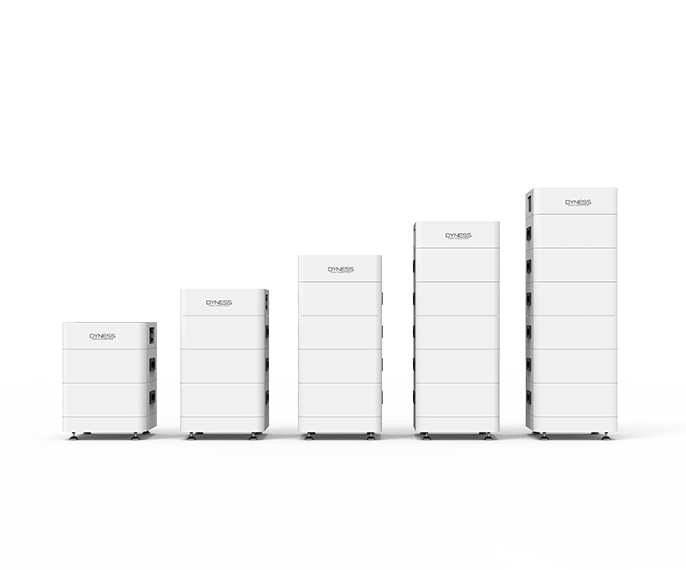
The system supports up to 12 units in AC parallel, with total capacity expandable up to 2.58 MWh. This makes it suitable for farms, industrial parks, and other large-scale applications, allowing flexible expansion based on future energy needs.
2. PV-storage integration for higher efficiency
Solar generation is inherently intermittent, while agricultural energy demand does not always align with generation peaks. The DH200F utilizes a PV DC-coupled architecture, reducing energy conversion losses, improving PV utilization, and lowering overall system costs.
3. Fast response for reliable power supply
Even short outages can disrupt agricultural operations. Equipped with an intelligent Static Transfer Switch (STS), the DH200F achieves on/off-grid switching in less than 20 ms, ensuring a continuous power supply to critical equipment and enhancing energy resilience.
4. Multi-mode operation for optimized energy management
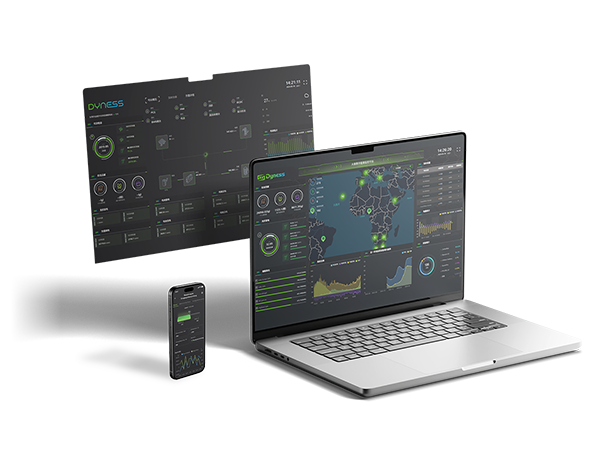
The system supports multiple operating modes, including peak shaving, grid dispatch, backup power, and off-grid operation. Through the cloud platform and mobile app, users can monitor energy data in real time, track system performance, and optimize charge/discharge strategies—enabling refined energy management and greater operational flexibility.
Additionally, the system supports three-phase unbalanced output to accommodate uneven single-phase loads commonly found in agricultural settings. With IP55 protection and C3 anti-corrosion rating, it ensures long-term stable operation in harsh outdoor environments.
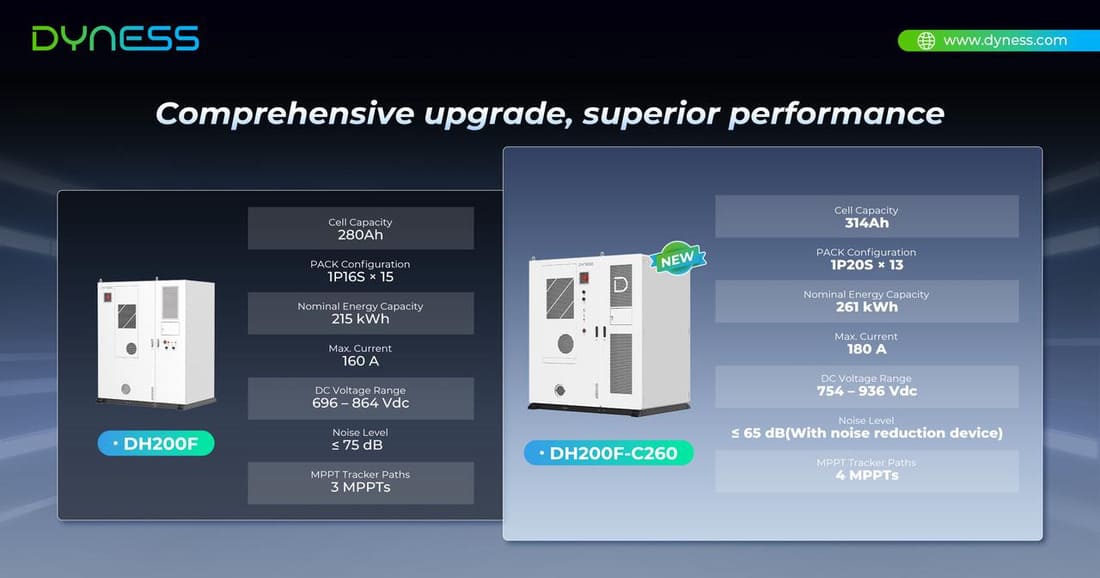
With ongoing technological advancements, the DH200F has been upgraded to the DH200F-C260, featuring 314 Ah battery cells and an increased single-unit capacity of 261 kWh. This upgrade enhances safety, response speed, and system architecture, making it even more suitable for large-scale and integrated energy projects.
Enhancing Energy Independence and Driving Low-Carbon Agriculture
The Sommerhanf project is a vivid example of the “PV + storage + agriculture” model in action, demonstrating the tangible value of energy storage in agricultural applications.
By deploying an integrated solar and storage system, the farm has significantly increased its renewable energy usage while strengthening its ability to cope with energy price volatility and grid instability. Key benefits include:
- Improved energy independence: Peak shaving reduces electricity costs, while reliable backup power ensures continuity and stability in operations.
- Accelerated low-carbon transition: Reduced reliance on traditional energy sources lowers carbon emissions, enabling a synergistic development of clean energy and sustainable agriculture.
Toward a Smarter Agricultural Energy Ecosystem
The Sommerhanf case highlights how C&I energy storage is expanding beyond industrial applications into agriculture and community settings, becoming a vital component of modern green energy infrastructure. Looking ahead, agricultural energy systems will continue evolving toward integrated solutions combining solar generation, energy storage, and intelligent management.
Dyness remains committed to advancing the global C&I energy storage market with safe, reliable, and intelligent solutions. By empowering agricultural, industrial, and commercial users, Dyness helps achieve greater energy independence and sustainability.
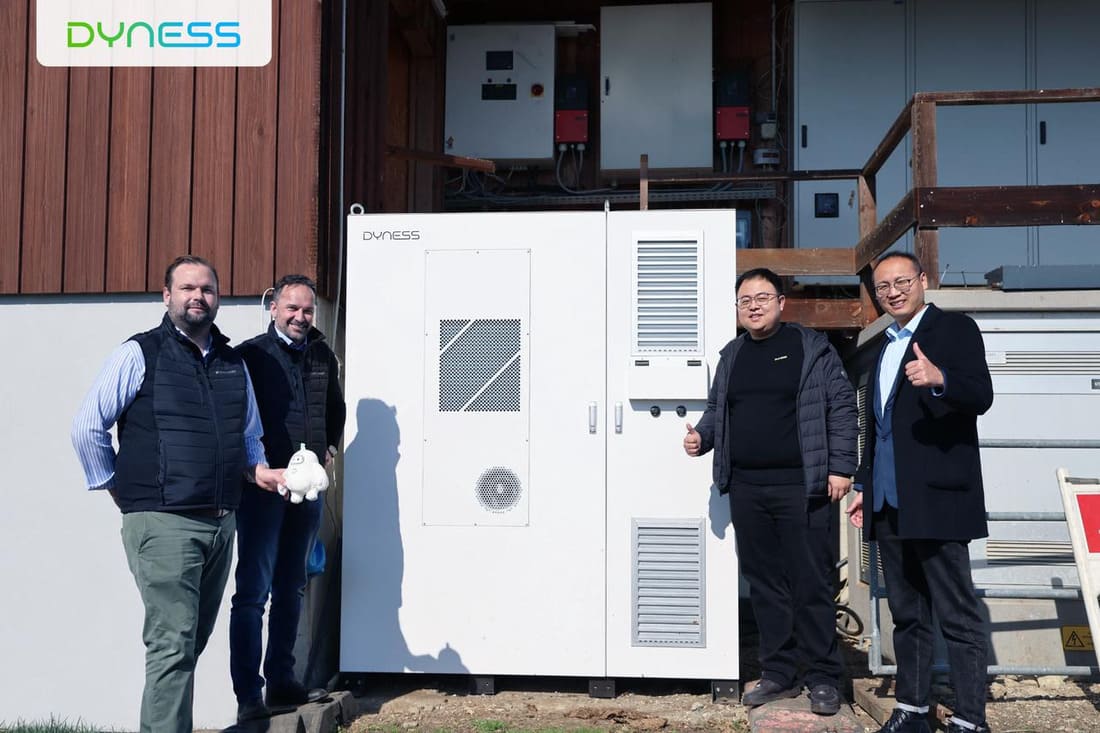
From the Sommerhanf farm in Austria to more green projects across Europe, Dyness continues to connect a sustainable future through energy storage—supporting the transition to greener agriculture and enabling clean energy to truly serve both production and everyday life.