
























Stackable Home Energy Storage System: Key Features & Benefits


Get notified about new updates, products, tips and tutorials. No spam.
A Stackable Home Energy Storage System helps buyers start with a practical battery size and expand when electricity demand changes. Energy profiles often change as homes, small businesses, farms, and light commercial sites add PV systems, backup loads, or new electrical equipment.
PV adoption, peak pricing, backup needs, and new electrical equipment can all change storage requirements after installation. Therefore, stackable design reduces the risk of buying too little capacity or paying for unused capacity too early.

Modular storage solves changing energy needs
Modular storage solves the sizing problem by dividing the battery system into repeatable units. Instead of treating storage as one fixed cabinet, buyers can plan capacity in stages.
| Buyer scenario | Common problem | Stackable system value |
| Residential PV user | Backup time changes | Add capacity in stages |
| Small business | Seasonal peak load | Match operating patterns |
| Farm or warehouse | Equipment demand grows | Expand without redesigning the system |
| Installer or distributor | Site needs vary | Use one product logic |
Fixed-capacity batteries create sizing risk because the buyer must decide the full capacity at the beginning. If the system is too small, backup time may be short. If the system is too large, cash is tied up in capacity that may not be used.
A Stackable Home Energy Storage System gives buyers a more flexible path. They can begin with a base configuration, review real performance data, and add capacity when the site actually needs it.
Staged expansion also supports long-term planning. Each added module becomes part of a larger system, unlike separate battery systems that may need more space, wiring, and compatibility checks.
Dyness STACK Series supports residential and small C&I planning
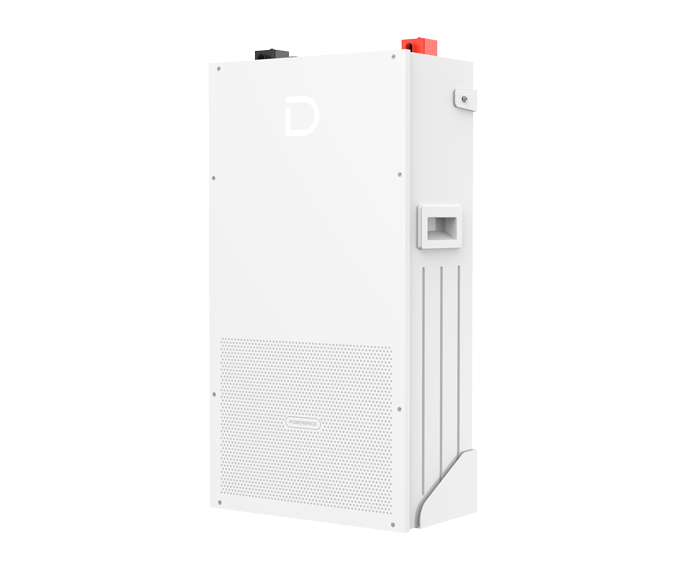
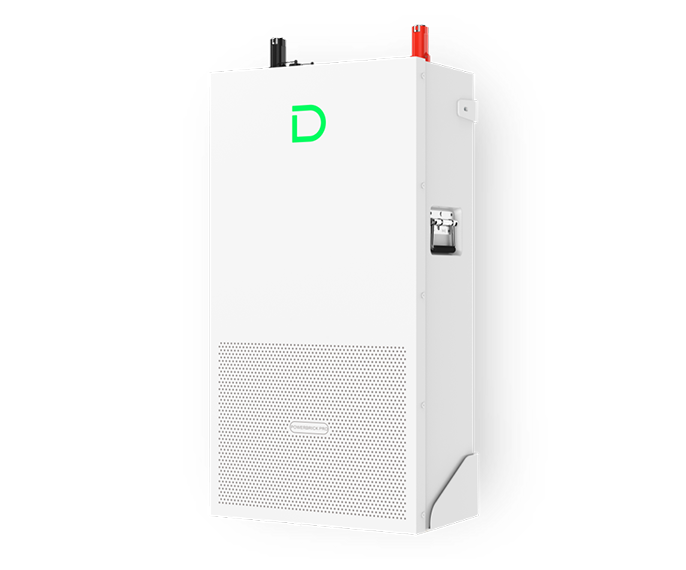
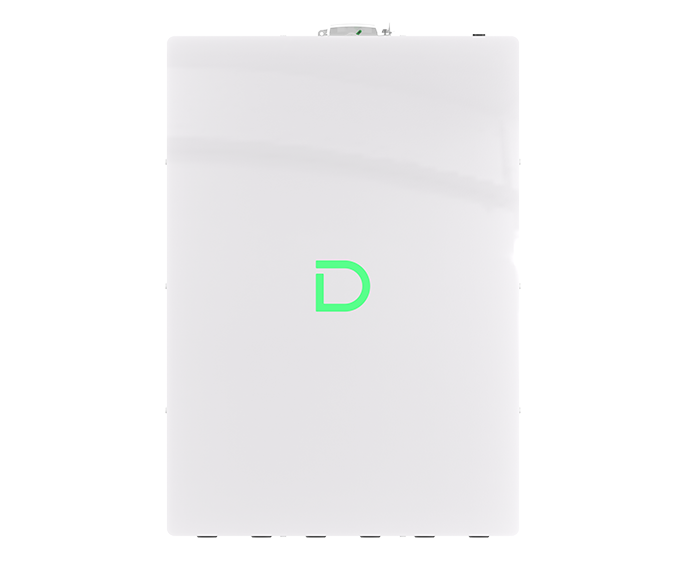
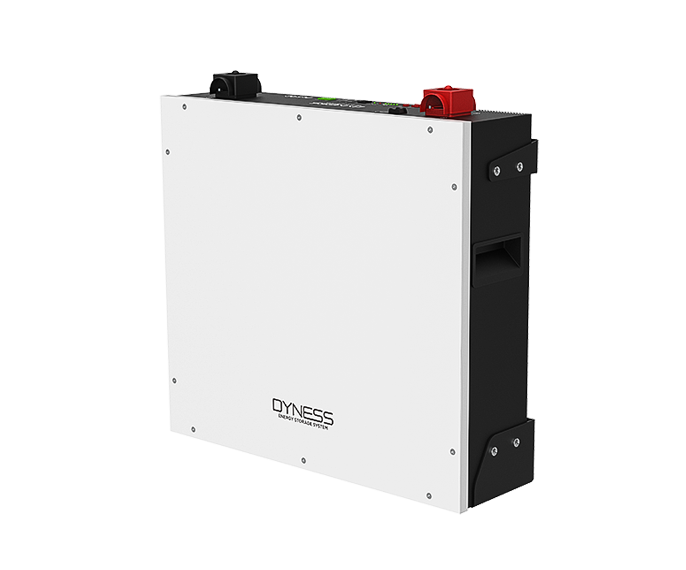
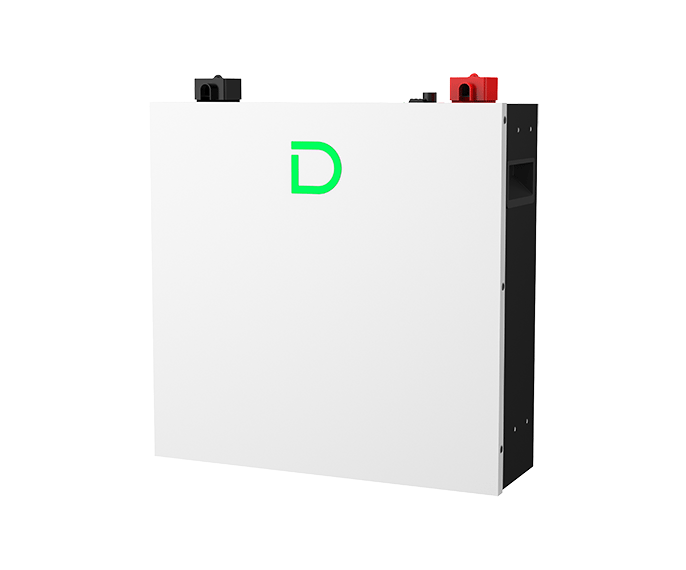
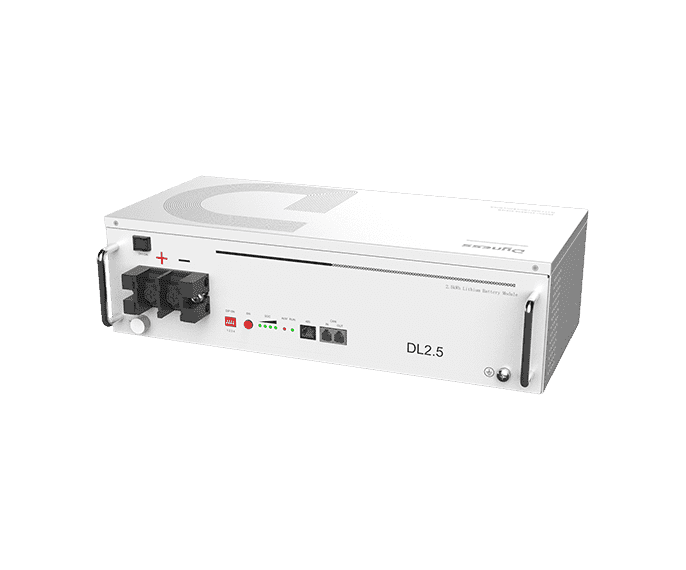
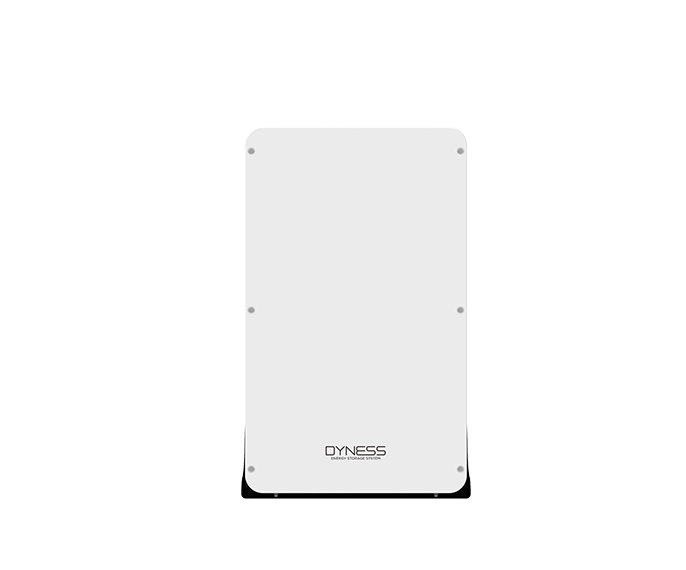
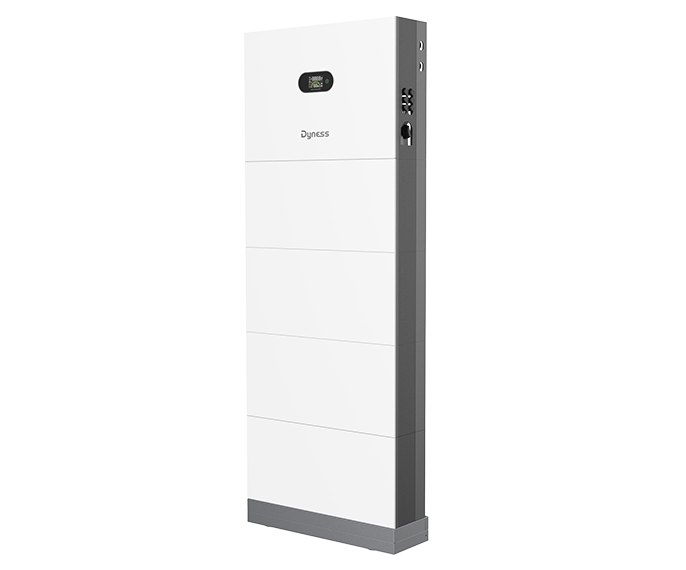
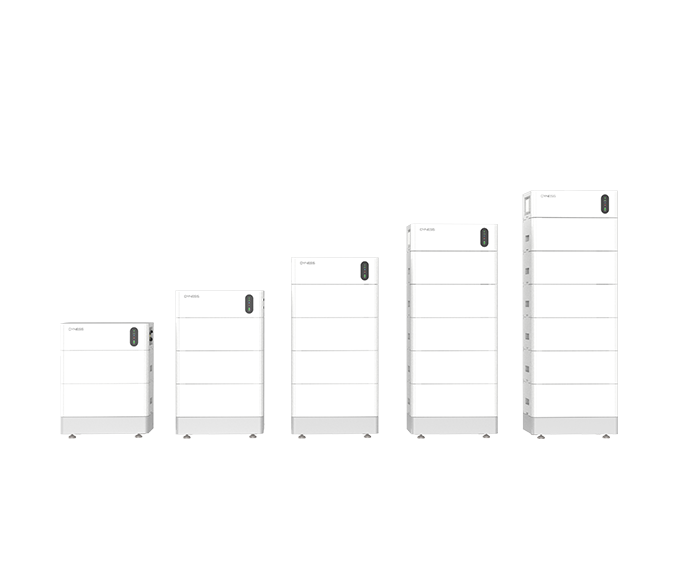
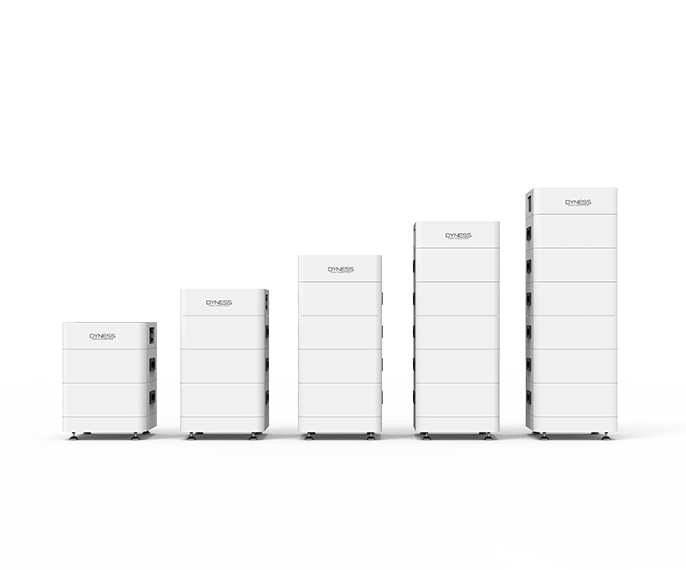
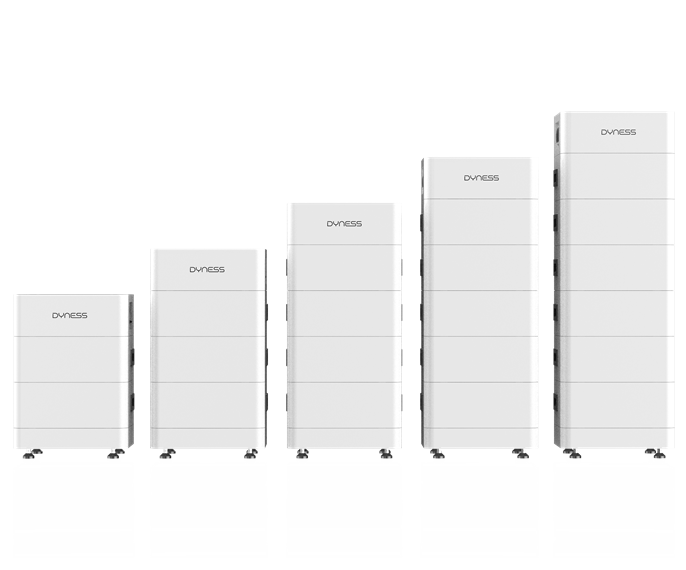
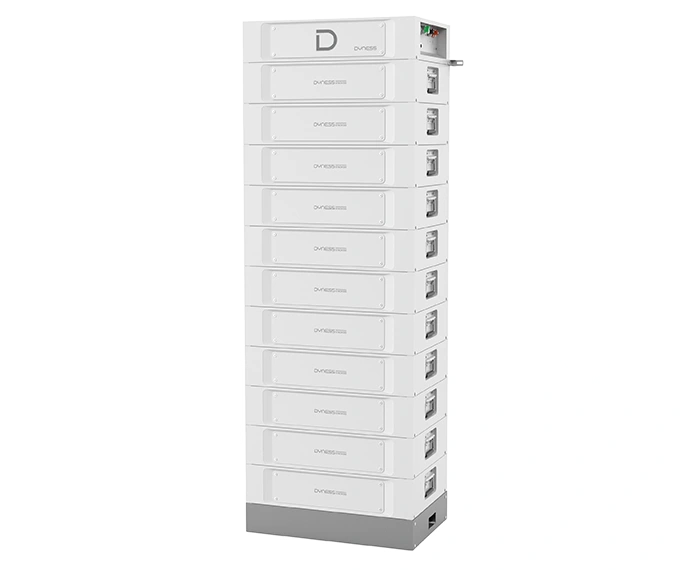
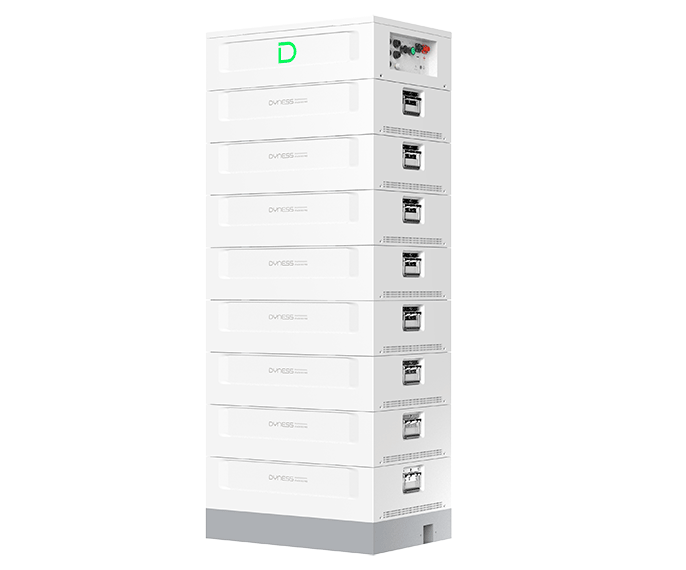
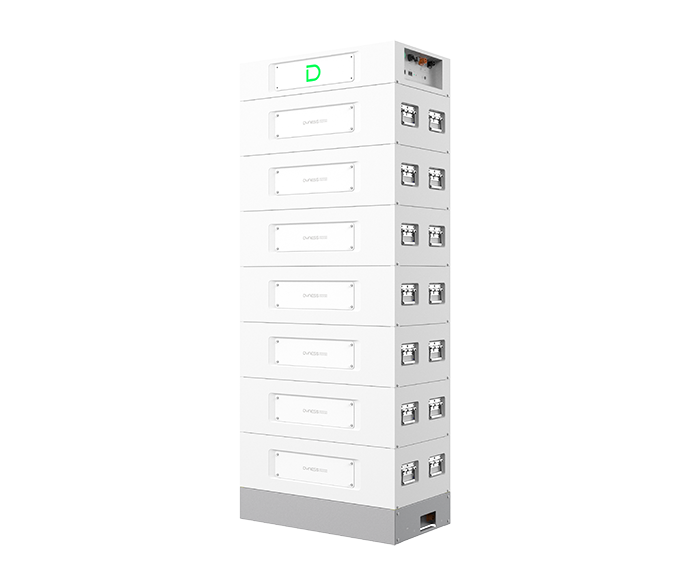
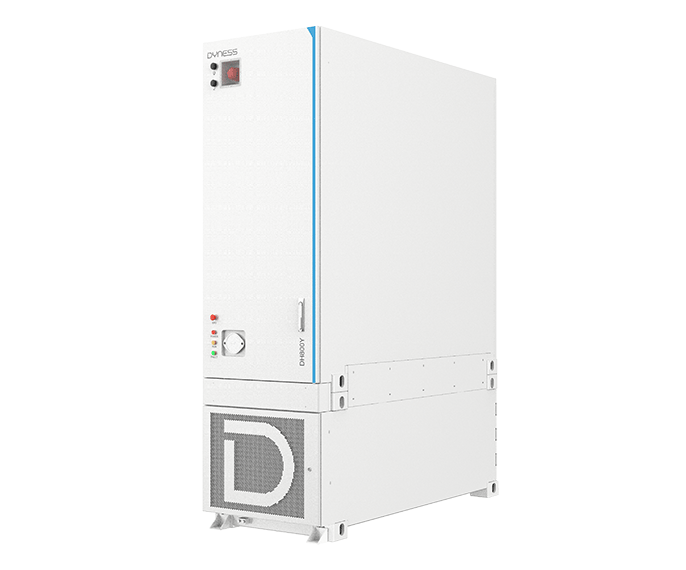
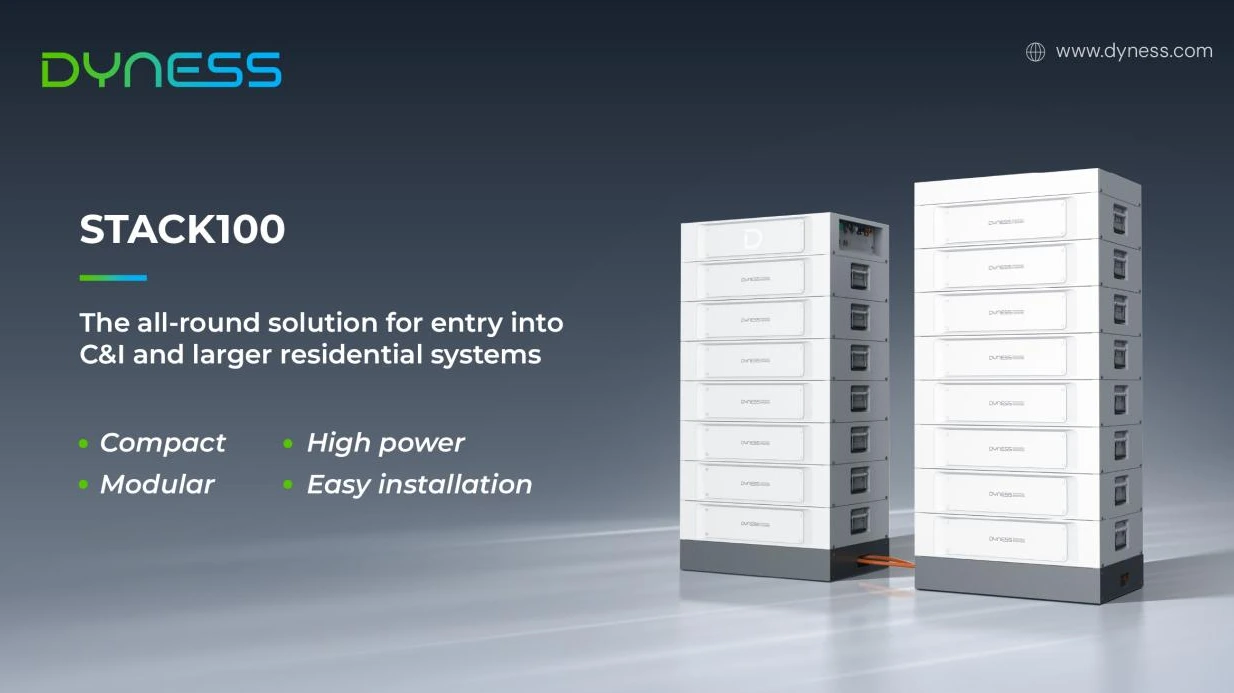
Our STACK Series includes three stackable options for different project sizes. STACK100 uses 51.2V/100Ah modules, while STACK100 Pro has a 5.12 kWh nominal battery energy. Both support 15.36–76.8 kWh, fitting residential, light commercial, and staged expansion projects. STACK314 uses larger 314Ah batteries and covers 48.228–241.14 kWh per stack, suiting higher-demand C&I sites.
This product-family view helps buyers avoid treating every project as the same battery problem. A home or small shop may need modular backup and PV self-consumption. A farm, warehouse, or production site may need stronger scalability, faster charge/discharge performance, and easier service access.
By comparing the STACK series together, procurement teams can match capacity, protection level, installation requirements, and expansion room to the real application.
| Specification | STACK100 | STACK100 Pro | STACK314 |
| Battery capacity | 100Ah | 100Ah | 314Ah |
| Energy / module | 5.12kWh | 5.12kWh | 16.076kWh |
| Max charge/discharge rate | 1C | 1C | 0.64C |
| Breaker | 125A | 125A | 250A |
| Protection level | IP20 | IP66 | IP20 |
| Size reference (W*D*H) | 591*390*(233+133*n) | 657*460*(292+191*n) | 770*425*(293+230*n) |
| Cooling method | Air cooling | Natural cooling | Air cooling |
| Base requirement | Expansion base required | Expansion base required | No base required |
| Stacking height | Up to 15 units | Up to 15 units | Up to 8 units |
| Main markets | Global except North America and Australia | Global except North America and Australia | Europe, Germany, Asia-Pacific, Africa, Middle East, Latin America |


Plug-and-play installation mechanisms reduce on-site work
Plug-and-play installation mechanisms reduce on-site work by allowing battery modules and the battery distribution unit to be stacked directly without additional internal wiring between units. This shortens the path from mechanical placement to inverter connection.
Rackless stacking reduces mechanical complexity because the system is designed to stack without a separate rack structure. Dyness also highlights a built-in square steel frame for load-bearing and stability.
Zero internal wiring reduces connection errors because fewer internal cable steps mean fewer places for misrouting or misconnection. The STACK100 FAQ states that modules and the battery distribution unit can be directly stacked without additional internal wiring between units.
However, plug-and-play does not mean skipping professional checks. Installers still need to confirm inverter compatibility, local electrical rules, communication settings, grounding, ventilation, and startup procedures.
For buyers, faster installation can reduce on-site labor requirements, shorten site disruption, and make project scheduling easier.
Capacity scaling logic turns one stack into a larger system
Capacity scaling logic turns one stack into a larger system by building upward from 5.12 kWh battery modules. Since the official module specification is 51.2V and 100Ah, one module equals 5.12 kWh by calculation.
The system energy range of 15.36–76.8kWh shows that one cluster can be configured with multiple modules. With up to 12 clusters in parallel, STACK100 can reach 921.6kWh maximum expansion.
| Configuration logic | Capacity result |
| 1 module | 5.12 kWh |
| 3 modules | 15.36kWh |
| 15 modules in one cluster | 76.8kWh |
| 12 clusters in parallel | Up to 921.6kWh |
Single-module energy creates clear planning units because every added module represents another 5.12 kWh. This makes customer discussions easier because expansion can be connected to backup time, PV self-consumption, or peak-load reduction.
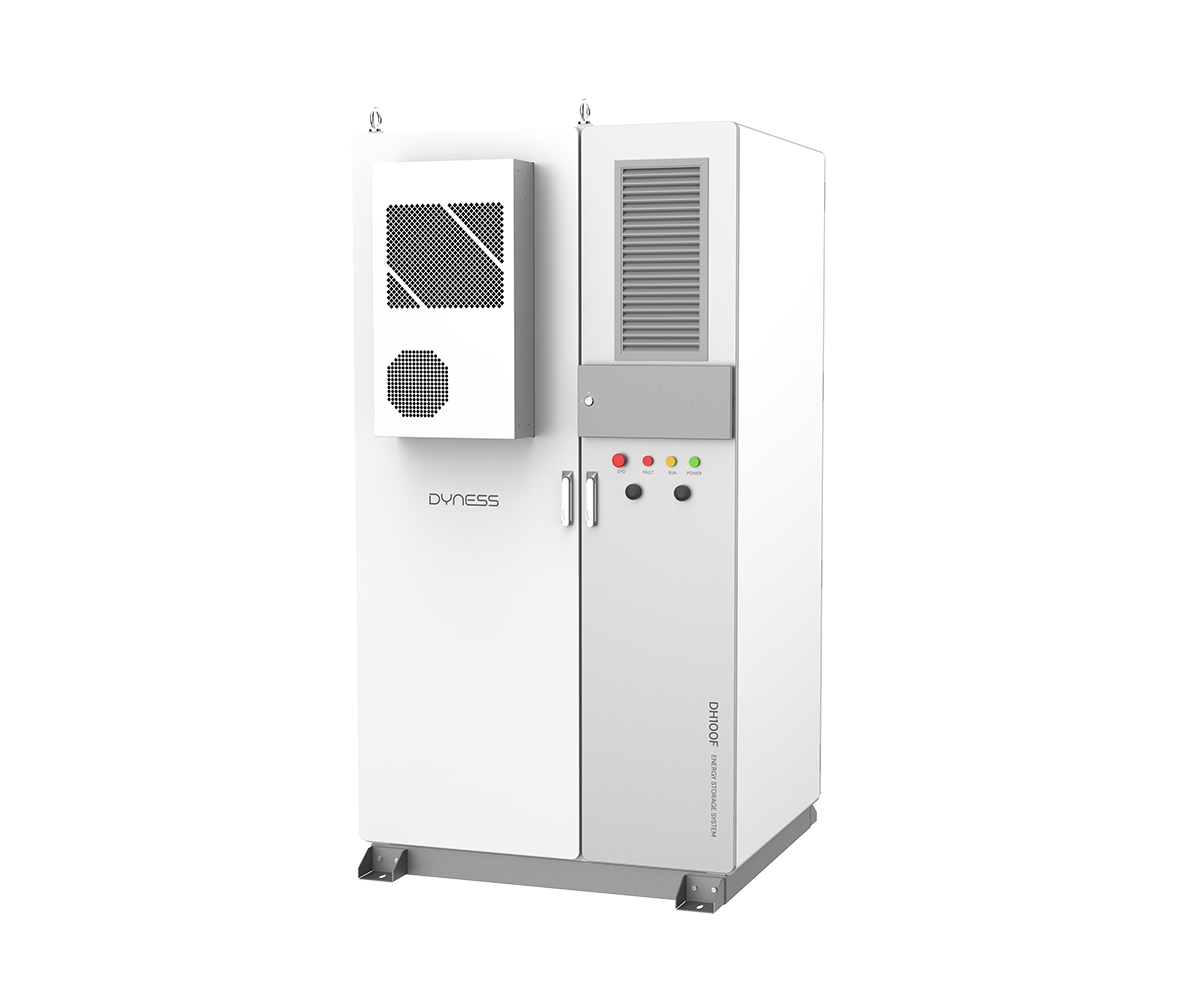
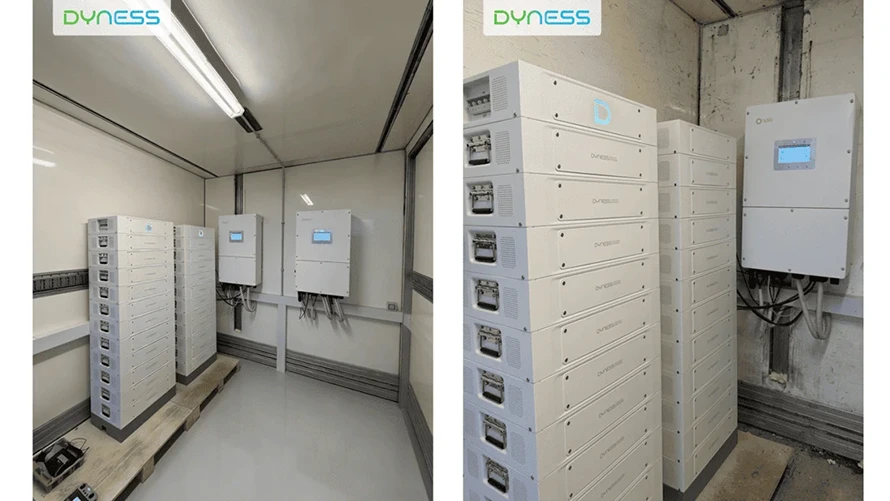
A Dyness STACK100 project in Rome shows stackable storage beyond home backup. A dairy farm paired STACK100 with 150 kW solar PV and two Solis 50 kW inverters to build a 110 kWh system, supporting milking, refrigeration, automated feeding, solar self-consumption, and power release during higher farm demand.
This case supports the main argument of the article: stackable design is useful because energy demand changes over time. The farm benefited from rack-free, plug-and-play deployment, lower peak-grid consumption, higher PV self-consumption, and a system architecture that can be expanded as operations grow.
For buyers, this example makes the benefit more concrete. STACK100 is not just a modular product form; it can support real load-management tasks where power stability, operating continuity, and electricity-cost control are all important.
Maintenance and module replacement become easier with modular design
Maintenance and module replacement become easier with modular design because technicians can inspect, monitor, and service the system at the module or cluster level. This is different from managing the whole battery system as a single service unit.
Dyness also highlights front-mounted battery management system (BMS) maintenance access, real-time monitoring, diagnostics, and visible status indicators. These details matter because service access affects long-term operating cost.
- Monitor state of charge, battery health, and system alarms.
- Check inverter communication and compatibility records.
- Keep ventilation and installation clearance aligned with project requirements.
- Follow authorized service procedures before replacing modules.
- Record every expansion or replacement for future maintenance.
Monitoring supports earlier fault response because storage performance changes over time. If operators can see system status, alarms, and battery health information, they can respond before a minor issue becomes downtime.
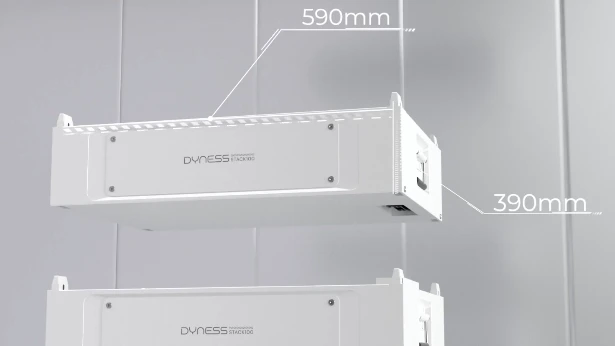
Module-level service can also reduce replacement waste because a modular system may allow targeted service instead of full-system replacement. The exact replacement process should follow Dyness guidance and local service requirements.
stackable design helps buyers match storage to real demand
A Stackable Home Energy Storage System is valuable because it helps buyers match storage capacity to real demand instead of guessing the full requirement on day one. That is the core benefit for residential, commercial, and industrial users.
Dyness STACK100, STACK100 Pro, and STACK314 show how stackable design can move from residential backup to small C&I energy planning. Buyers should compare module capacity, IP protection, expansion height, cooling method, and target market before selecting a model.
Choose a storage system that matches current loads, leaves room for future expansion, and gives installers a clear path for deployment and maintenance. In that context, stackable design becomes more than a form factor. It becomes a practical planning strategy.
FAQ
-
Q: What is a stackable home energy storage system?

A: A stackable home energy storage system uses modular battery units that can be combined to increase system capacity as energy demand changes. This allows users to start with a smaller configuration and expand later when more backup capacity, solar storage, or load support is required.
-
Q: What are the main benefits of a stackable battery system?
A: The main benefits include flexible capacity expansion, easier installation, reduced upfront oversizing, modular maintenance, and the ability to adapt the battery system as household or business electricity demand changes.
-
Q: Can stackable battery storage be used with solar PV?
A: Yes. Stackable battery systems can store available solar energy for later use, supporting higher PV self-consumption, backup power, and energy management when solar generation and electricity demand occur at different times.
-
Q: Can a stackable energy storage system be expanded later?
A: Many modular systems are designed for staged expansion, but compatibility, battery condition, inverter requirements, communication settings, and manufacturer expansion procedures should be checked before additional modules or clusters are added.
-
Q: Is STACK100 suitable for both residential and C&I applications?
A: Dyness positions STACK100 for residential and commercial and industrial applications. Its modular architecture supports 15.36–76.8 kWh per cluster and up to 12 clusters in parallel, allowing the system to scale according to project requirements.
Learn More