






















Essential Certifications Required for Battery Energy Storage Solution Providers


Get notified about new updates, products, tips and tutorials. No spam.
Battery energy storage procurement involves more than comparing capacity, price, and application scenarios. Buyers also need to confirm whether the proposed battery cells, modules, complete systems, transport documentation, and installation configuration have been tested or assessed against the requirements of the target market.
This guide explains three major compliance layers buyers should review: battery-level safety, system-level fire and integration safety, and transportation and market-access documentation. It also explains why certificate scope, model numbers, tested configurations, and local installation requirements must be verified before procurement approval.

Why Should Certification Review Start Before Battery Storage Procurement?
Selecting a battery energy storage solution provider is not only a question of price, capacity, or application fit. Procurement teams also need evidence that the proposed battery cells, modules, complete systems, transport pathways, and installation configurations meet the relevant safety and market-access requirements.
Certification review should therefore begin before quotation comparison. Appropriate documentation can help reduce approval delays, logistics issues, insurance concerns, fire-safety questions, and project redesign later in the procurement process.
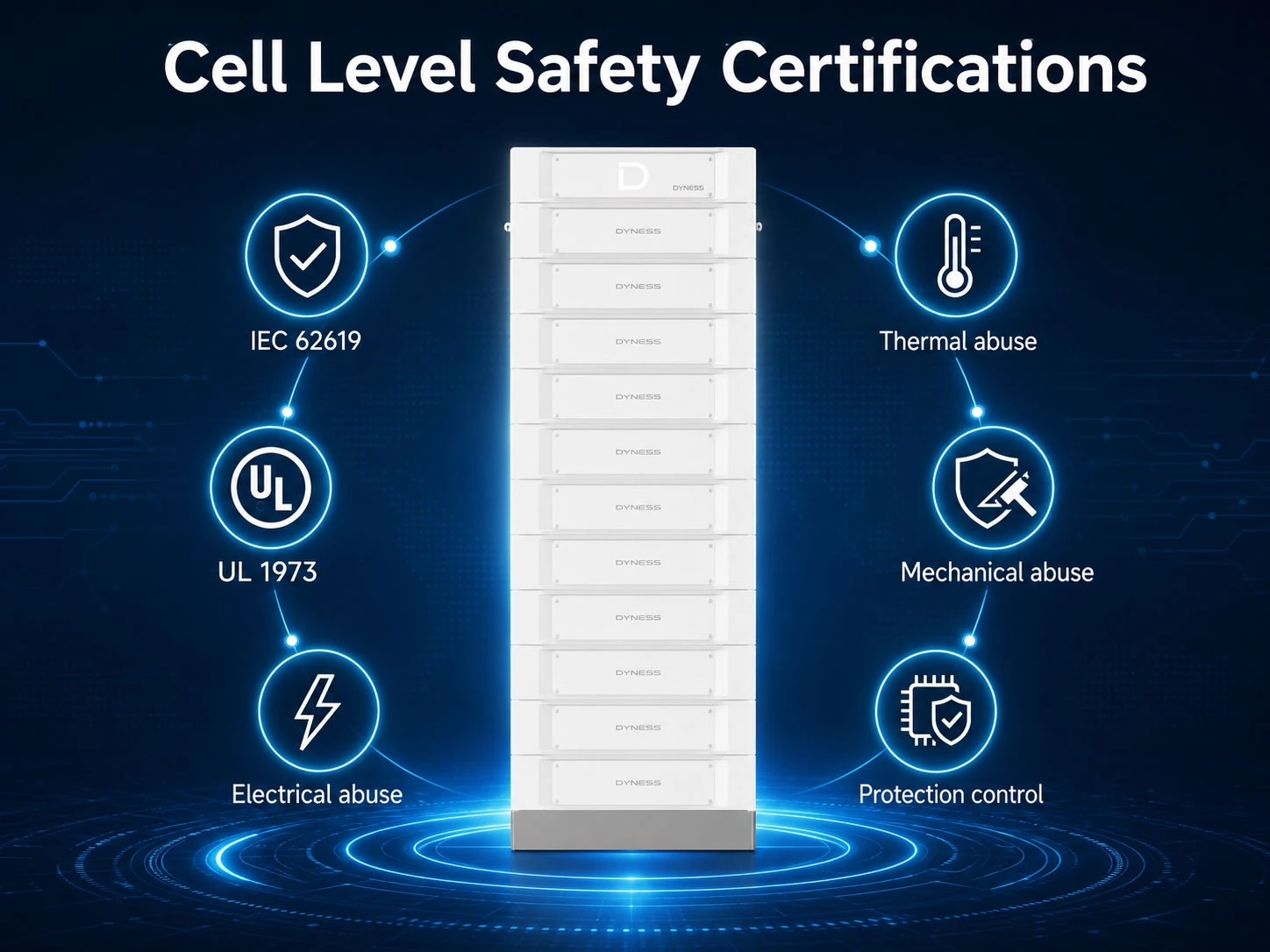
A product brochure may explain energy capacity, power rating, chemistry, and application scenarios. Certification and test documentation provide a different type of information: whether a specific product or configuration has been evaluated against defined electrical, thermal, mechanical, system, transport, or regulatory requirements.
For buyers, the most important principle is scope verification. A certificate should be matched to the exact model, certificate holder, voltage class, capacity range, tested configuration, installation environment, and target market before it is treated as project-ready evidence.
Cell and Battery-Level Safety Certifications
Cell-and battery-level safety documentation helps buyers understand whether lithium cells, battery modules, or battery systems have been evaluated against relevant electrical, thermal, and mechanical abuse conditions.
These assessments are important because battery safety depends not only on chemistry, but also on cell design, protection logic, battery management, enclosure design, and response under abnormal operating conditions.
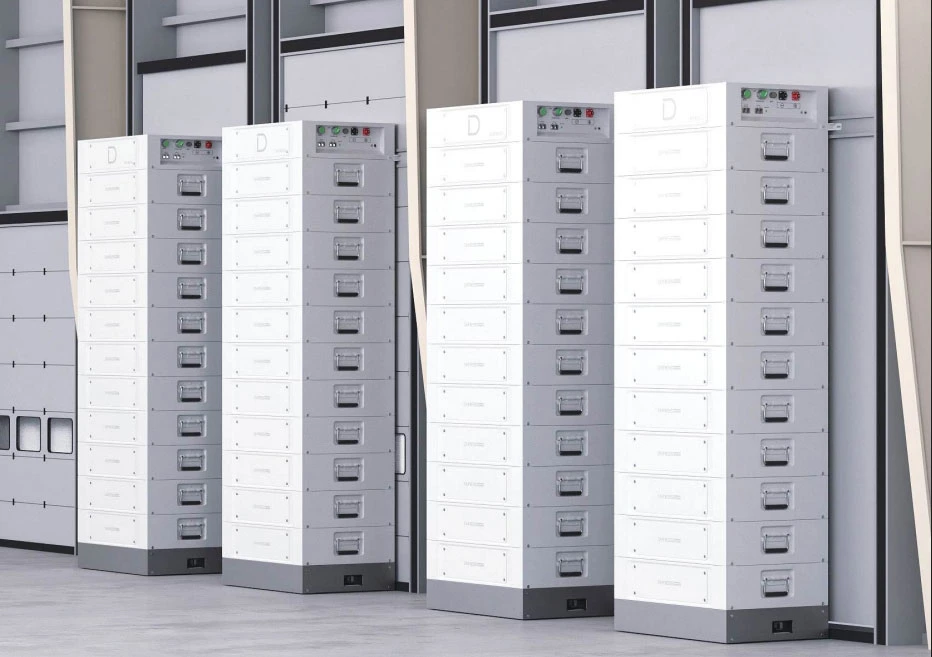
IEC 62619 for Industrial and Stationary Lithium Batteries
IEC 62619 applies to secondary lithium cells and batteries used in industrial applications, including stationary energy storage. For energy storage buyers, the standard provides an important reference for assessing battery safety before the battery becomes part of a larger cabinet, rack, or containerized system.
Relevant evaluation areas can include electrical abuse conditions, thermal behavior, mechanical stress, and protection functions under abnormal operating scenarios.
| Electrical Safety | Short circuit, overcharge and other abnormal electrical conditions |
| Thermal Safety | Battery behavior under abnormal temperatures and thermal stress |
| Mechanical Safety | Response to mechanical stress such as impact, vibration or crush conditions |
| Protection Functions | Battery protection and control behavior under abnormal operating conditions |
UL 1973 for Stationary Battery Systems
UL 1973 applies to batteries used in stationary applications and certain auxiliary power applications. It evaluates aspects of battery construction, electrical safety, protection, mechanical stress, and thermal behavior.
For procurement teams, the existence of a UL 1973 certificate should not be checked in isolation. Buyers should verify the certificate holder, exact model number, rated voltage, chemistry, supported capacity range, and any installation limitations that apply to the tested product.
Transportation and Market-Access Documentation
Battery compliance does not end with product safety. Lithium batteries must also meet applicable transportation requirements and market-access rules before they can be shipped, imported, installed, and placed into service.
UN38.3 for Lithium Battery Transportation
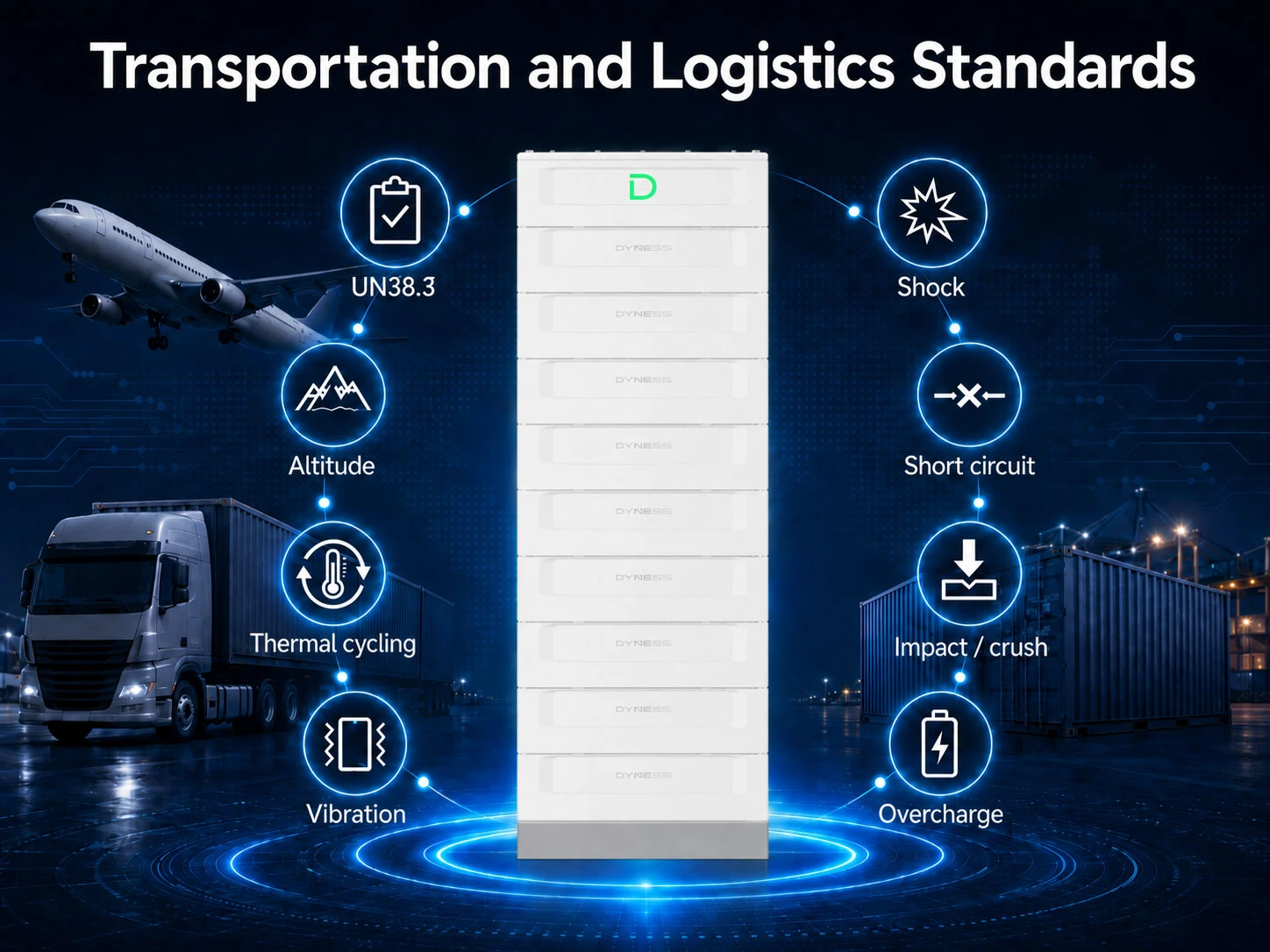
UN38.3 testing is required for lithium batteries transported through common logistics channels. The test sequence is designed to evaluate battery behavior under transport-related environmental and abuse conditions.
| Altitude and Thermal Cycling | Simulates changes associated with air transport and temperature variation |
| Vibration and Shock | Evaluates transport and handling-related mechanical stress |
| External Short Circuit | Evaluates battery response under an electrical fault condition |
| Impact / Crush / Overcharge / Forced Discharge | Assesses severe abnormal operating and transport conditions |
Procurement teams should request the applicable UN38.3 test summary rather than relying only on a supplier statement. Freight forwarders, customs teams, distributors, and project owners may require this documentation during shipment and import procedures.
EU Battery Regulation and CE Market-Access Requirements
For products placed on the European market, buyers should also review the applicable CE conformity requirements and Regulation (EU) 2023/1542. The EU Battery Regulation extends battery compliance beyond product safety to areas including conformity documentation, labelling, traceability, sustainability, and lifecycle responsibilities.
Compliance evidence should always be reviewed at model level. Buyers should check whether the product name, certificate or conformity document, regulatory scope, and proposed installation configuration match the equipment being purchased.

How Should Buyers Review Dyness Energy Storage Certification?
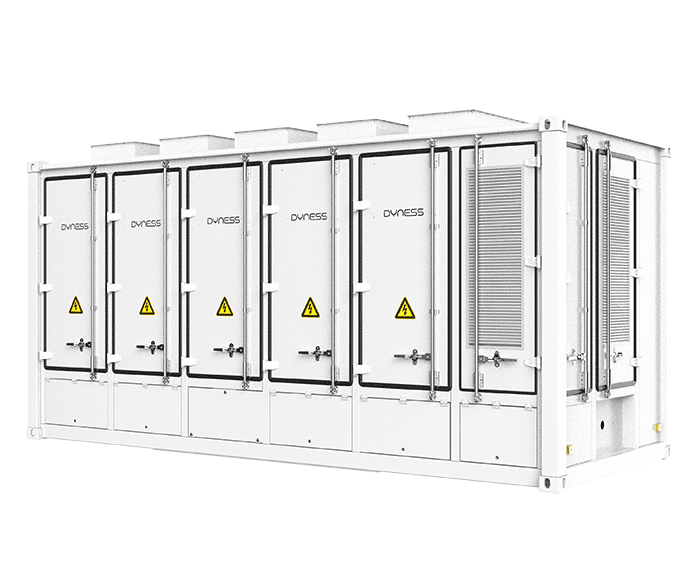
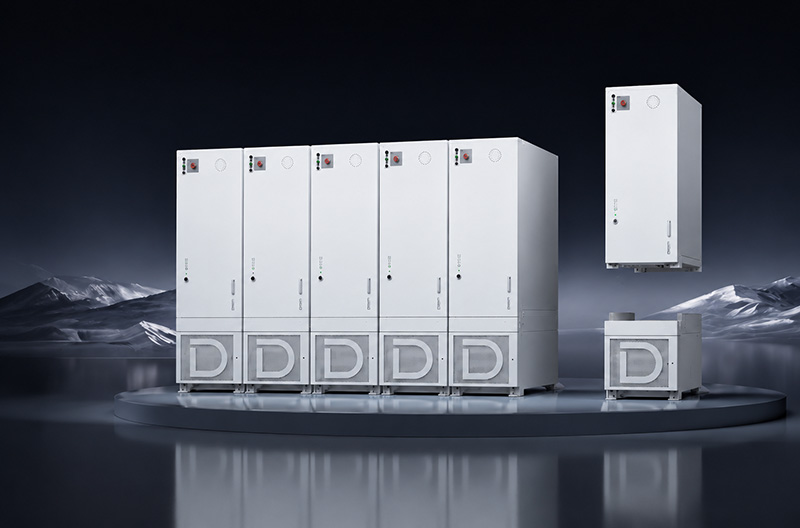
Dyness provides energy storage solutions across residential, commercial and industrial, and larger-scale energy applications. Because these products serve different markets and operating environments, certification evidence should always be reviewed according to the exact product model and target project.
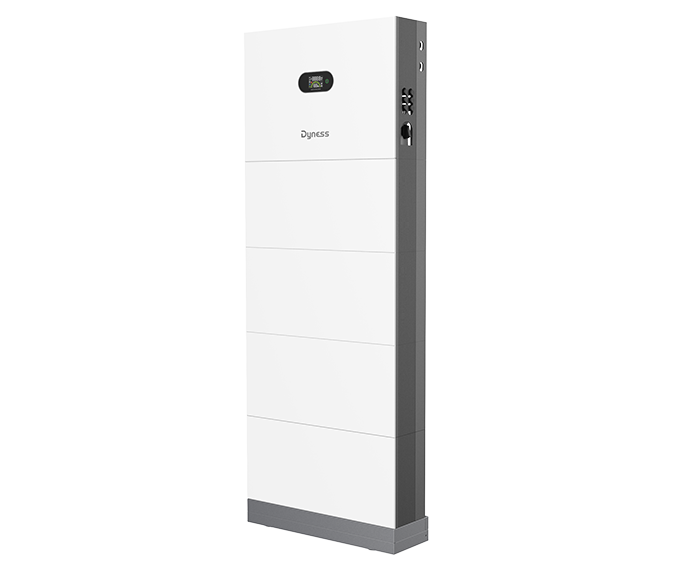
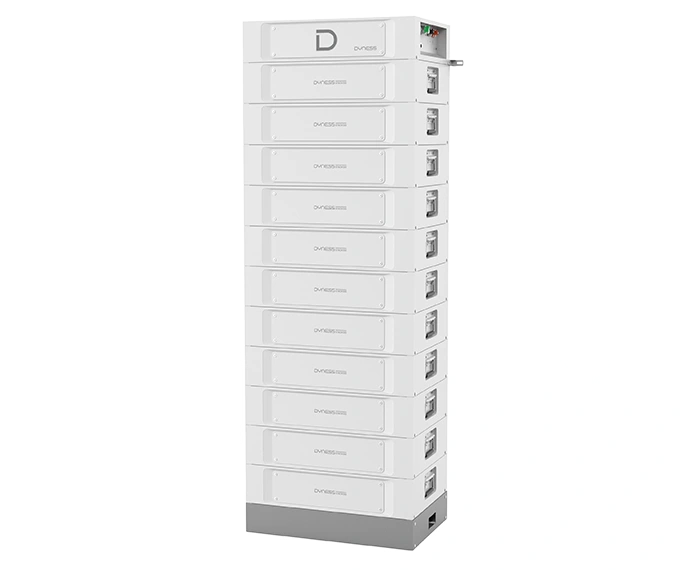
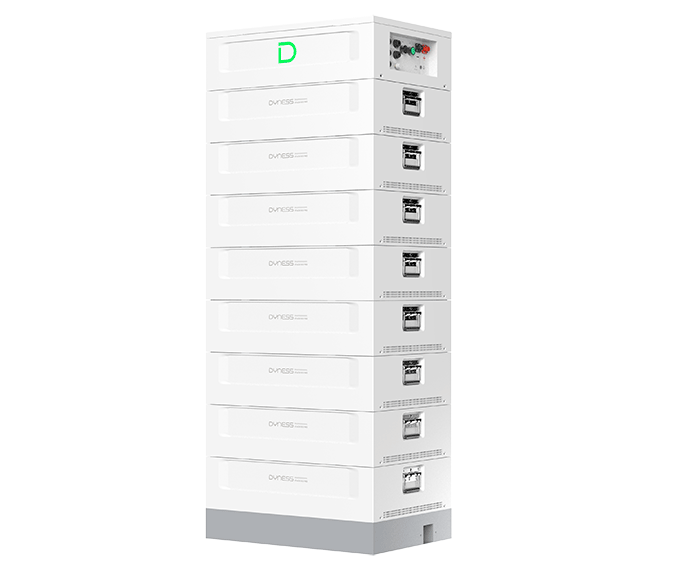
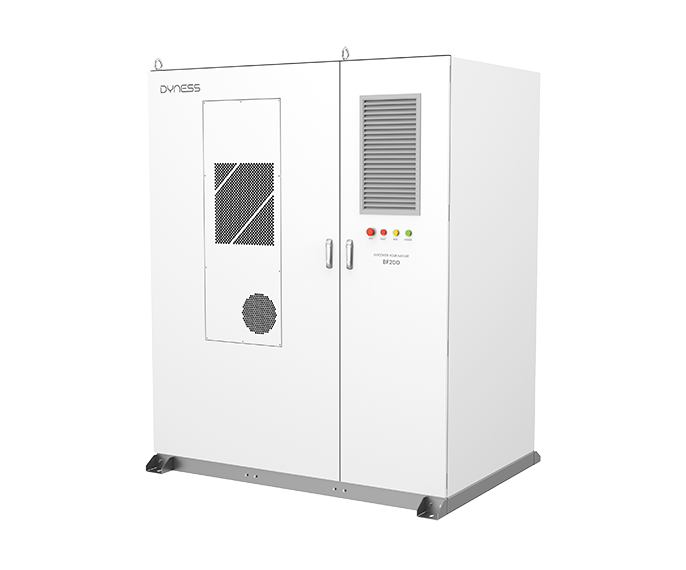
PowerDepot G2 can be referenced when reviewing European residential energy storage compliance, while STACK100 Pro-US provides an example of a North American commercial and industrial energy storage product with market-specific certification documentation.
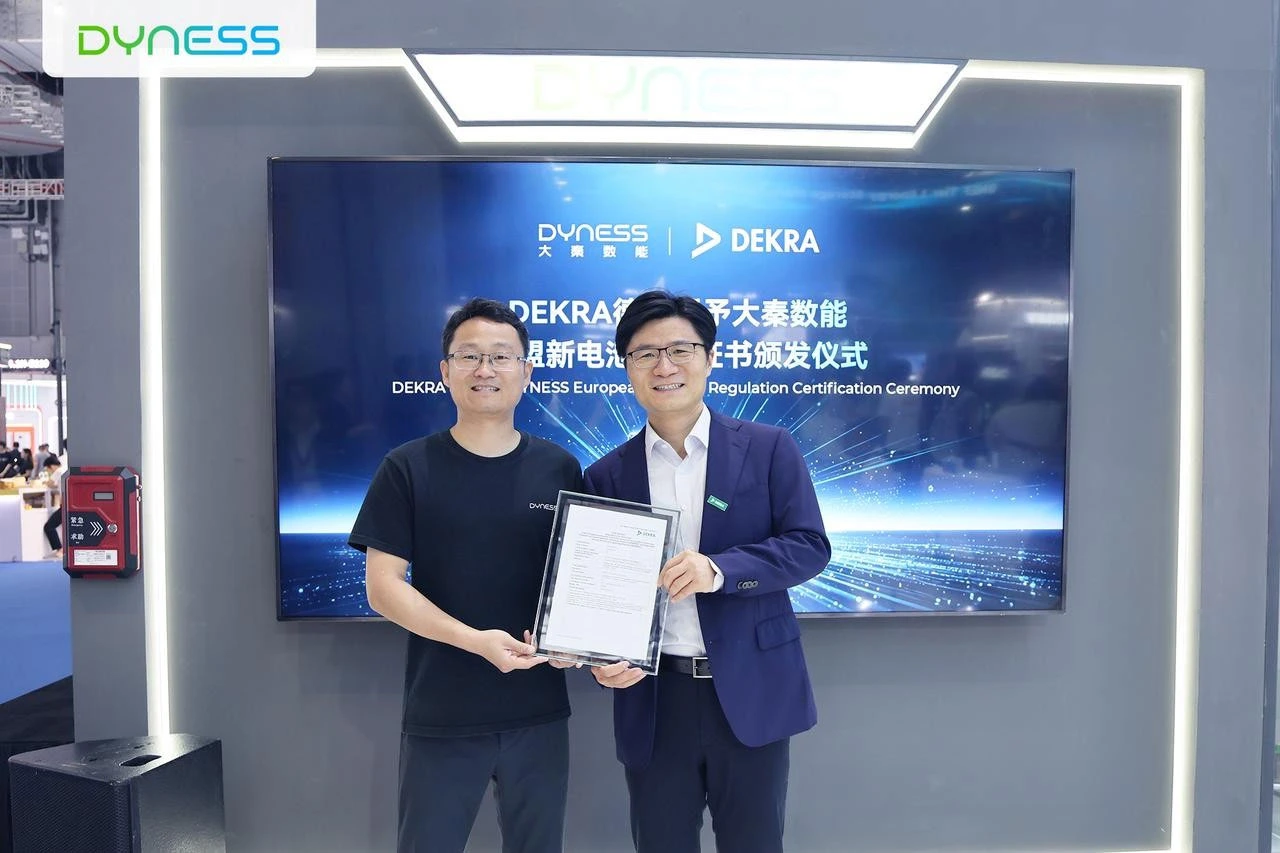
The important principle is scope control. Buyers should verify the certificate holder, exact product model, voltage class, capacity range, applicable standard, installation environment, and target country before treating a certification document as valid evidence for a specific project.
| Residential Backup Power | Battery safety, inverter compatibility, market conformity and local installation approval |
| C&I Peak Shaving | System safety, fire testing, electrical integration, scalability and monitoring |
| Large Energy Storage Projects | System configuration, grid connection, fire safety, emergency planning and project-specific requirements |
| Logistics and Export | UN38.3, packaging, shipping and import documentation |
This model-specific approach is particularly important for distributors and EPC companies managing mixed product portfolios. Residential batteries, C&I cabinets, and larger energy storage systems may operate at different voltage levels, installation conditions, and regulatory environments, so one certification package should not automatically be assumed to cover every product or project.

Certification Evidence Should Match the Actual Project
Energy storage procurement should compare compliance evidence rather than certification claims alone. Battery-level safety, complete-system safety, transport documentation, market access, and local installation requirements all need to be reviewed before a project moves forward.
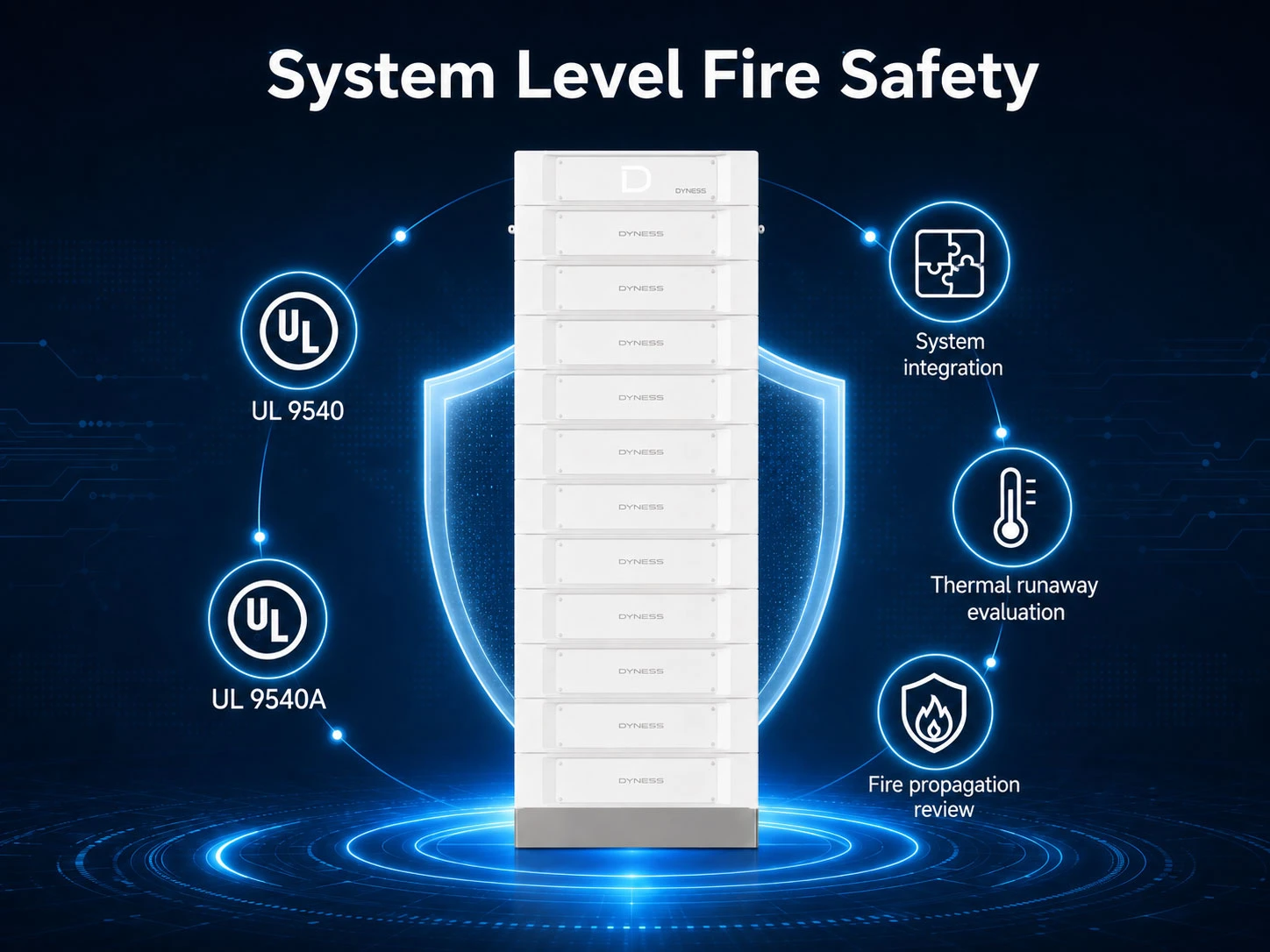
IEC 62619 and UL 1973 can support battery-level safety evaluation, while UL 9540 and UL 9540A address broader system integration and thermal runaway considerations. UN38.3 supports lithium battery transportation, while CE conformity and market-specific regulations such as the EU Battery Regulation affect product access and compliance in different regions.
A residential backup system, a C&I peak-shaving project, and a large energy storage installation do not have identical compliance requirements. Strong battery energy storage solution providers should therefore provide traceable, model-specific documentation and help project teams understand whether the tested configuration matches the actual equipment, installation environment, and target market.
FAQ
-
Q: What certifications should battery energy storage buyers check?

A: Certification requirements depend on the product, market, and installation. Common references include IEC 62619 or UL 1973 for battery safety, UL 9540 and UL 9540A for system-level safety and thermal runaway evaluation, and UN38.3 for lithium battery transportation.
-
Q: Is UL 9540A the same as UL 9540 certification?
A: No. UL 9540 is a system-level safety standard for energy storage systems and equipment, while UL 9540A is a test method used to evaluate thermal runaway characteristics and propagation behavior.
-
Q: Does a battery certificate mean the complete energy storage system is certified?
A: Not necessarily. Battery-level certification applies to a defined battery product or configuration. Complete systems may require additional evaluation covering power conversion equipment, controls, communications, enclosures, protection systems, and installation conditions.
-
Q: Why is UN38.3 important for battery energy storage systems?
A: UN38.3 provides evidence that lithium batteries have passed a defined series of transport-related tests. The test summary is commonly required during logistics, freight forwarding, customs, and battery shipment processes.
-
Q: What should buyers check on an energy storage certificate?
A: Buyers should verify the certificate holder, exact model, applicable standard, voltage and capacity range, tested configuration, installation limitations, target market, and whether the certificate remains applicable to the proposed project.
Learn More