
























Why Lithium Battery Storage Works for Solar and Wind Integration


Get notified about new updates, products, tips and tutorials. No spam.
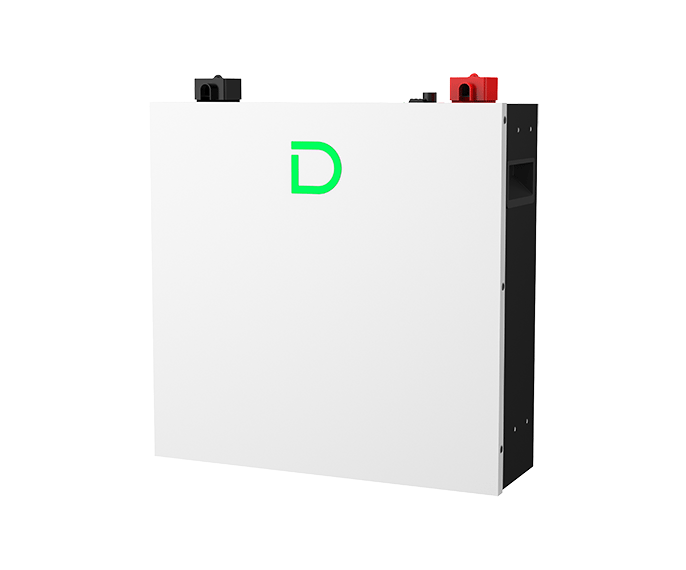
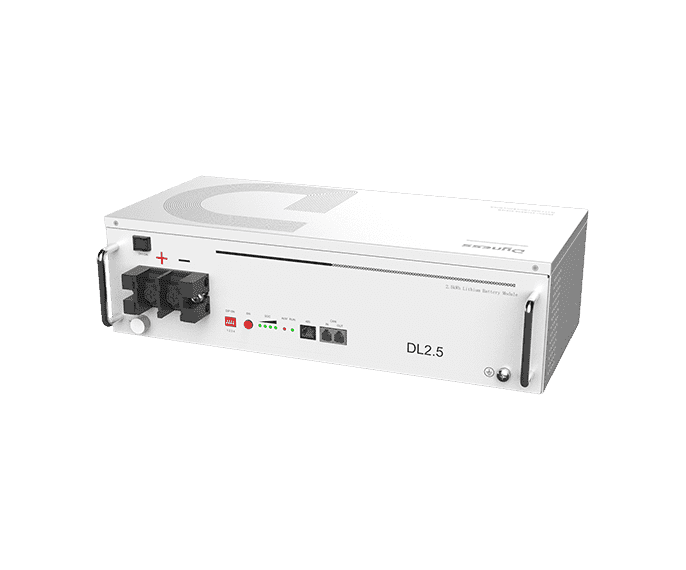
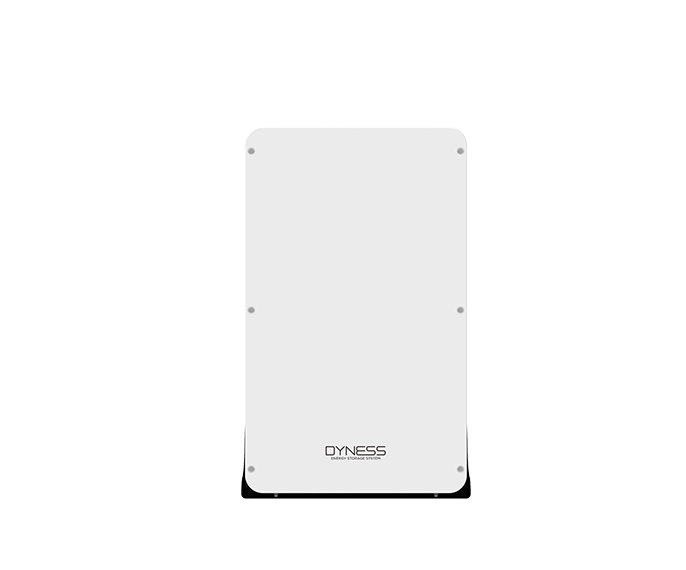
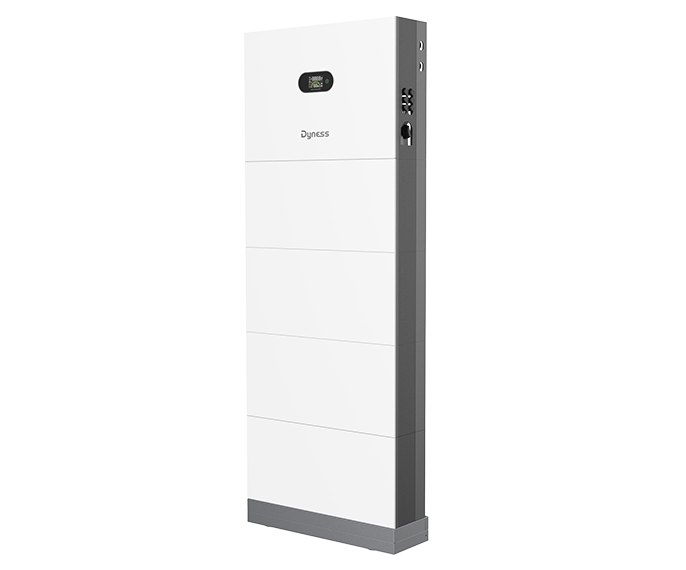
Many project developers ask us how to pair solar or wind farms with storage. The answer lies in the chemistry and control logic inside each cabinet. As a battery energy storage system manufacturer focused on commercial and industrial applications, we at Dyness have deployed our lithium battery energy storage system across dozens of renewable projects. Unlike lead-acid or simple grid-tied setups, a lithium battery energy storage system responds quickly, cycles deeply, and handles the unpredictable nature of wind and solar. Below, we walk through the actual working process—from charging to discharging—based on field experience.
Capturing Fluctuating Renewable Output
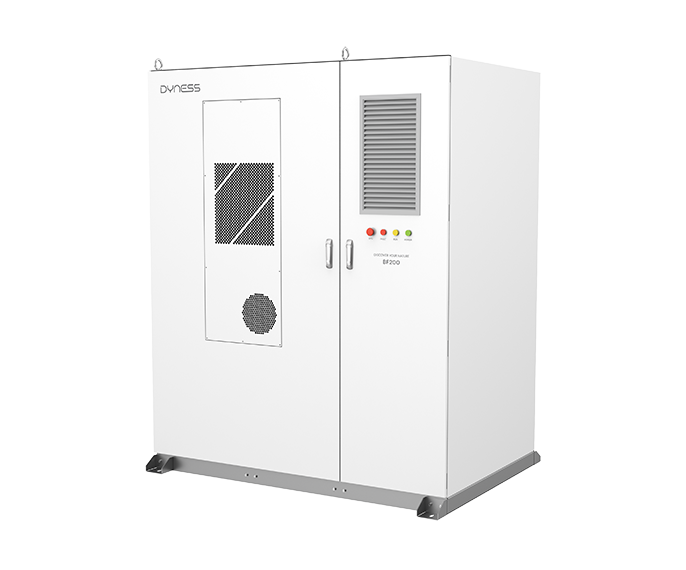
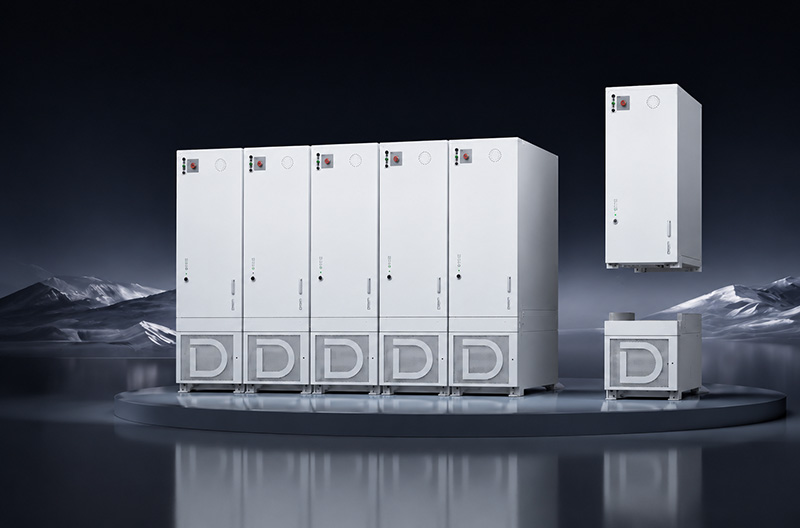
Solar irradiance changes with clouds; wind speed changes with weather fronts. A lithium battery energy storage system smooths those fluctuations. Here’s how it works in practice: solar panels or wind turbines produce DC power. That DC power goes through a charge controller or hybrid inverter, which adjusts voltage to match the battery’s requirements. Dyness energy storage systems use lithium iron phosphate (LiFePO4) battery technology, selected for its strong thermal stability, long cycle life, and suitability for frequent renewable energy charging and discharging. For a 1MW wind-solar hybrid site in Southeast Asia, we supplied a battery energy storage system manufacturer’s standard 200kWh cabinets. When wind output suddenly dropped from 80% to 30% within ten minutes, the lithium battery energy storage system discharged stored energy to fill the gap. The grid saw a steady output curve. As a battery energy storage system manufacturer, we program the battery management system (BMS) to accept charge rates up to 1C, so even rapid solar spikes from passing clouds get captured without waste.

Managing State of Charge for Daily Cycles
Renewable integration isn't just about instant response—it's about daily rhythm. A lithium battery energy storage system typically follows a two-cycle pattern: charge during sunny or windy hours, then discharge during evening peak or calm periods. We learned this from a utility-scale solar farm we partnered with. They originally used a smaller lead-acid bank, but depth of discharge was limited to 50%. That meant half the capacity sat unused. After switching to our lithium battery energy storage system, they could discharge down to 90% depth safely. The working logic is simple: the BMS monitors each cell group. When solar generation exceeds load, excess energy flows into the lithium battery energy storage system. The BMS balances cells, prevents overvoltage, and logs temperature. When the sun sets, the inverter pulls from the battery. As a battery energy storage system manufacturer providing OEM and ODM services, we customize the charge/discharge algorithms. For wind-heavy sites, we set lower charge current thresholds to handle gusty conditions. For solar-heavy sites, we prioritize high cycle life—over 6,000 cycles at 80% depth.
Real Integration with Inverters and EMS
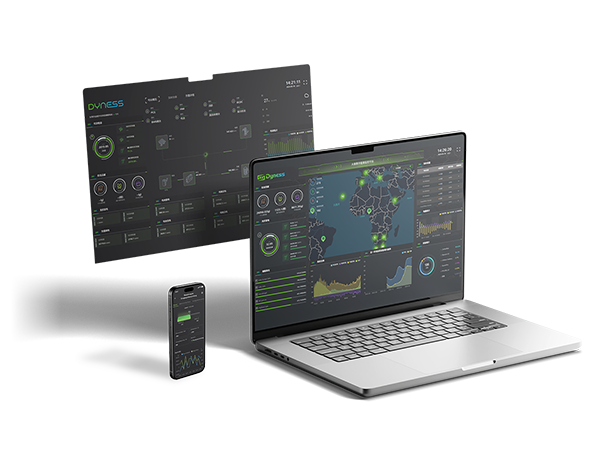
A lithium battery energy storage system does not work alone. It communicates with the energy management system (EMS) and inverters via CAN bus or Modbus. Here is a real example from a commercial building with rooftop solar and a small wind turbine. The facility manager wanted to reduce peak demand charges. We installed a 100kWh lithium battery energy storage system with a hybrid inverter. The EMS monitors grid import, solar production, wind output, and battery state every second. When solar plus wind exceeds the building’s load, the EMS signals the lithium battery energy storage system to charge. When load exceeds renewable generation, the EMS discharges the battery. If the battery runs low, the system seamlessly switches to grid. As a battery energy storage system manufacturer, we provide full protocol documentation so our B2B clients can integrate with any major EMS brand. One integrator told us they saved three weeks of development time because our lithium battery energy storage system came with pre-tested Modbus maps.
Lithium battery storage works with solar and wind by capturing variable output, managing daily charge cycles, and communicating with smart controls. From smoothing sudden cloud cover to shifting midday wind power to evening hours, a well-designed lithium battery energy storage system turns renewables into reliable power sources. As a battery energy storage system manufacturer, Dyness offers OEM and ODM solutions tailored to solar, wind, or hybrid projects. Contact our team to discuss how our lithium battery energy storage system can fit your next renewable integration project.
FAQ
-
Q: How does lithium battery storage support solar and wind integration?

A: Lithium battery storage absorbs excess solar or wind power when renewable generation is high and releases stored electricity when generation falls or demand increases. This helps smooth renewable output and create a more stable power supply.
-
Q: Why is LiFePO4 suitable for solar and wind energy storage?
A: LiFePO4 batteries provide high safety, strong thermal stability, long cycle life, and reliable performance under frequent charging and discharging, making them suitable for renewable energy storage projects.
-
Q: How does an EMS manage solar, wind, and battery storage?
A: An Energy Management System monitors renewable generation, facility demand, grid import, and battery state of charge. It then controls charging and discharging to improve renewable utilization, reduce grid consumption, and maintain stable system operation.
-
Q: What is the role of the BMS in a renewable energy storage system?
A: The Battery Management System monitors cell voltage, temperature, current, and state of charge. It balances cells and protects the battery from overcharging, over-discharging, overheating, and abnormal operating conditions.
-
Q: Can Dyness battery storage communicate with third-party inverters and EMS platforms?
A: Dyness energy storage systems support communication protocols such as CAN and Modbus for integration with compatible inverters and energy management platforms. Project compatibility should be confirmed using the latest Dyness compatibility documentation and technical guidance.
-
Q: Which Dyness products are suitable for solar and wind integration projects?
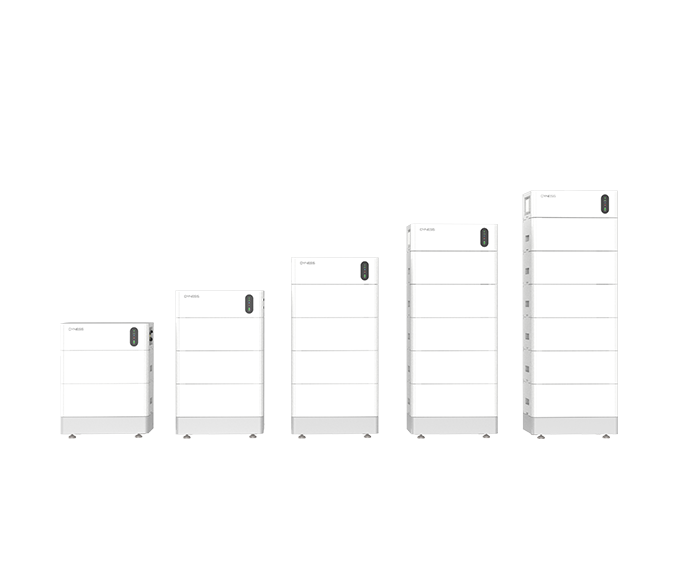
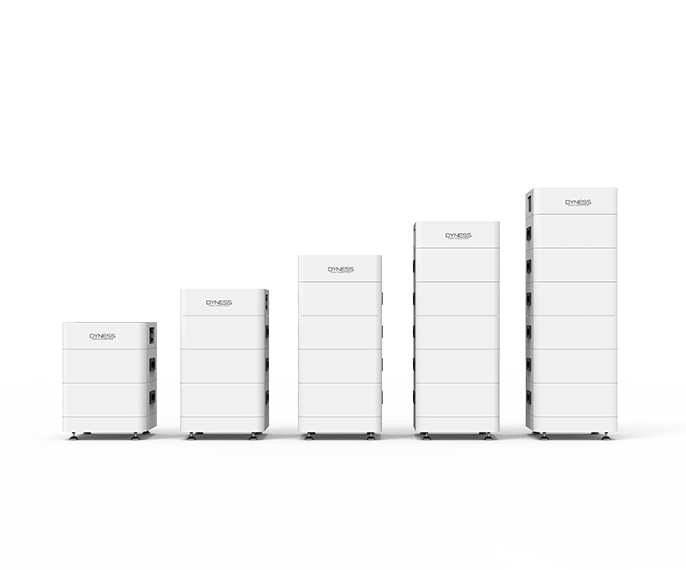
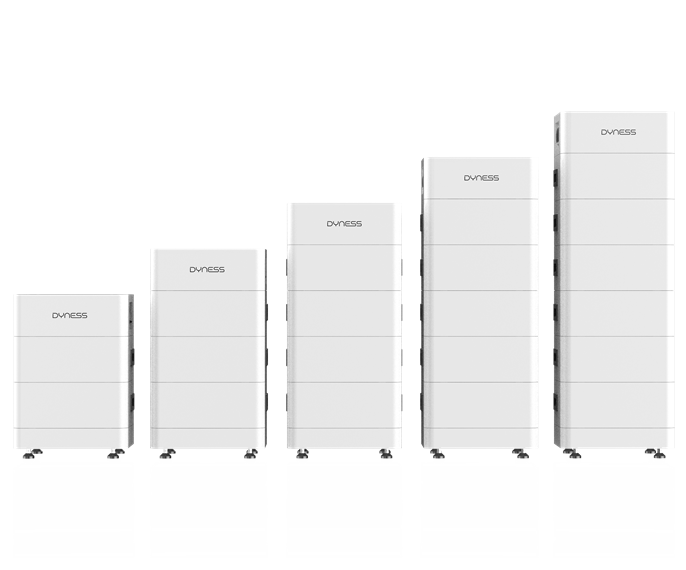
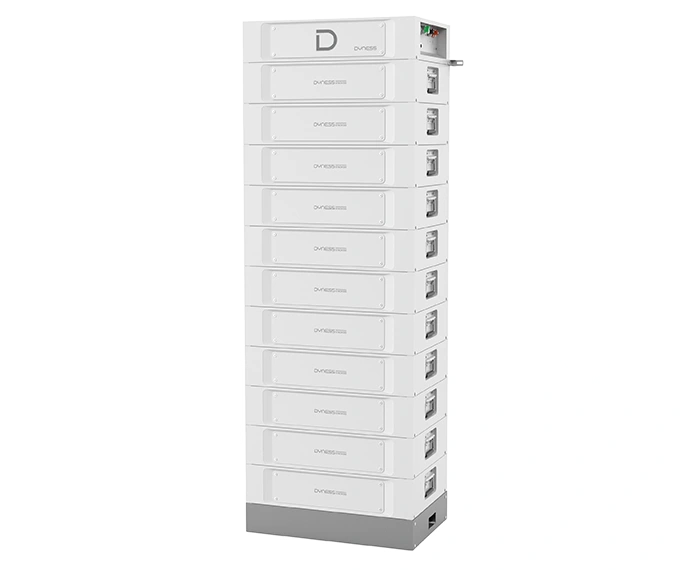
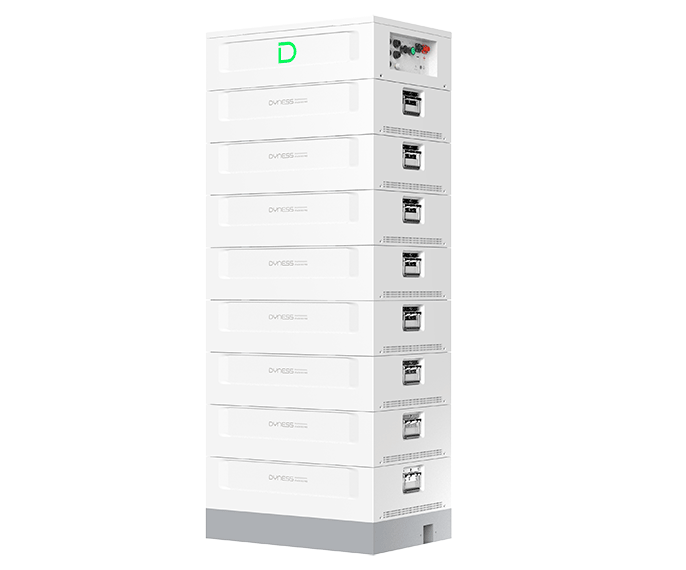
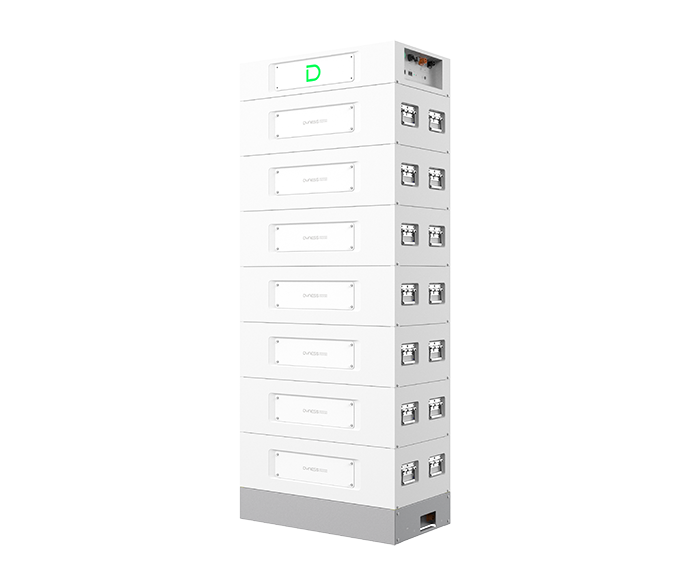
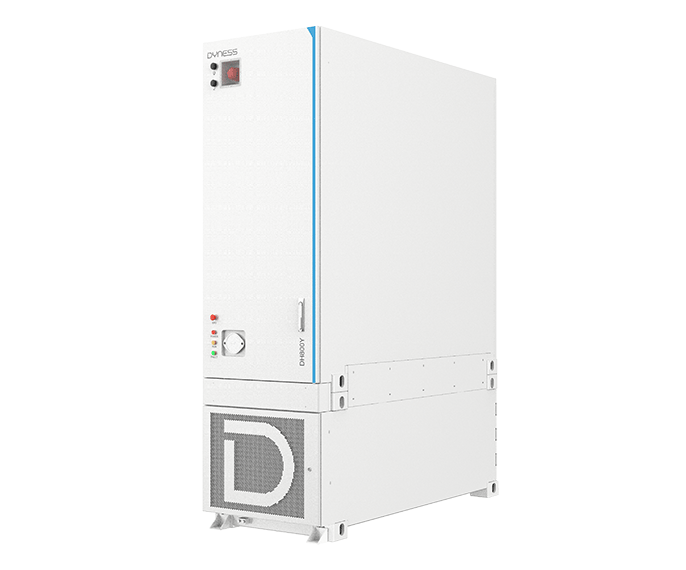
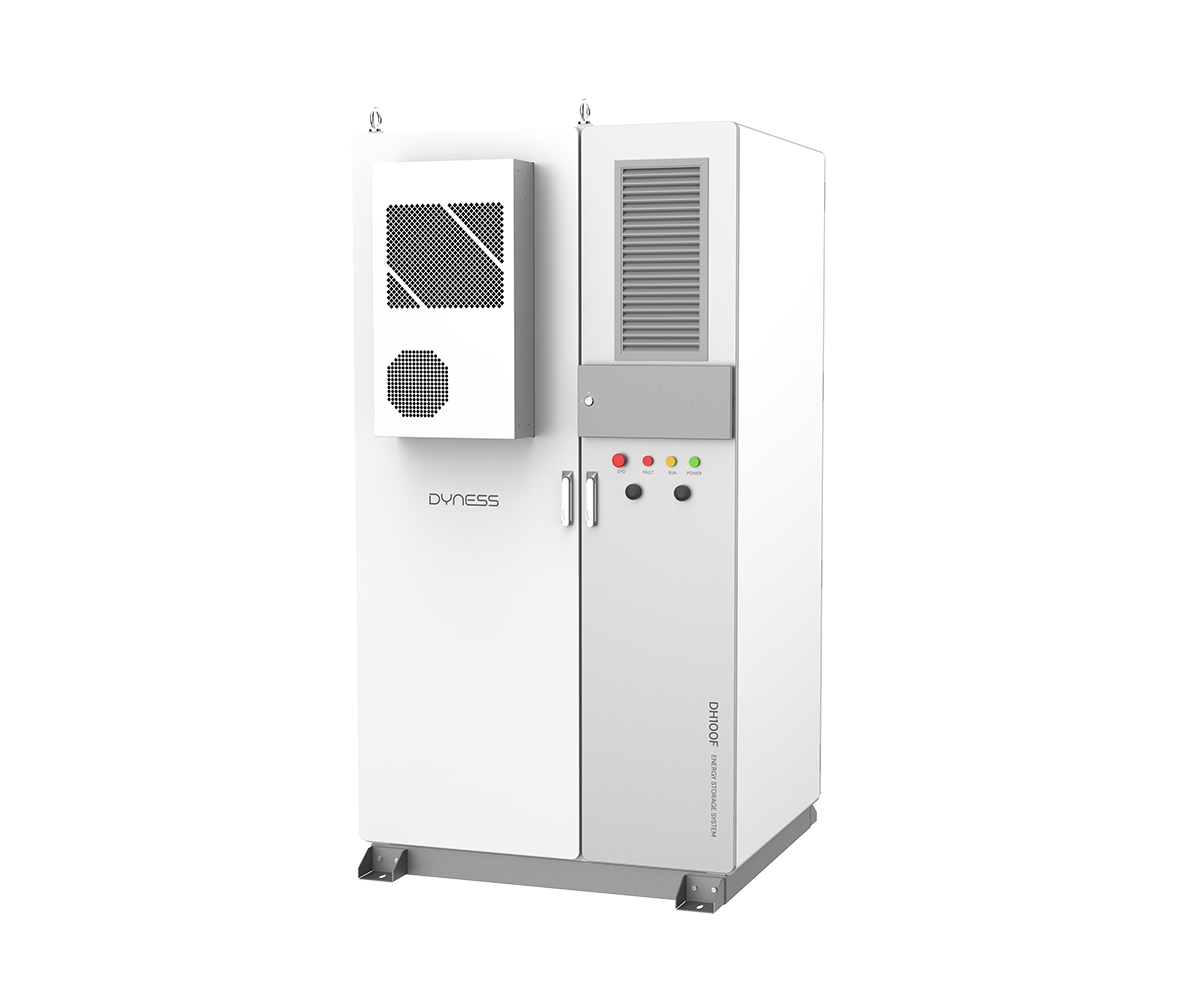
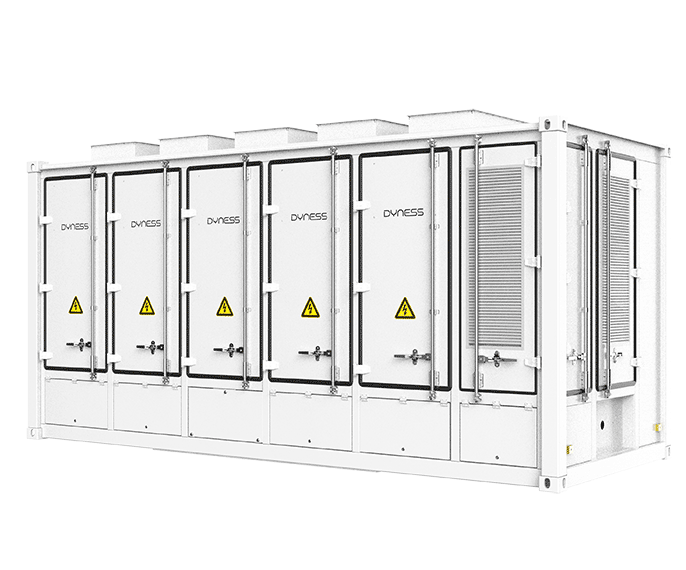
A: Dyness STACK100 Pro is suitable for modular commercial solar and hybrid energy projects. DH200F-C260 and DH200Y-C260 can support larger commercial and industrial applications, while DH800Y is better suited to high-capacity renewable integration and utility-scale projects.
Learn More