
























How Battery Storage Works Alongside Solar PV and Hybrid Systems


Get notified about new updates, products, tips and tutorials. No spam.
When businesses invest in solar PV, the real payoff comes from using every kilowatt-hour generated. But solar production peaks during the day, while most facilities need power around the clock. That gap is where battery energy storage system manufacturer Dyness steps in with practical BESS solutions. We help B2B clients capture excess solar energy and deploy it exactly when needed. Over the past years, we’ve seen hybrid energy systems grow from niche projects to standard setups. And the common thread? A reliable battery bank that bridges solar generation and actual consumption.
Matching Solar Generation with Energy Demand
Solar panels produce the most power around midday, yet many industrial operations see peak demand in early morning or evening. Without storage, you either sell extra solar back to the grid at low rates or let it go unused. As a battery energy storage system manufacturer, we design our systems to store that midday surplus automatically. For example, a manufacturing plant we worked with installed a 500kW solar array paired with Dyness BESS solutions. During sunny hours, batteries charged fully. After sunset, the same batteries powered conveyor belts and lighting for another four hours. The result? Grid draw dropped by nearly 40% during evening peak rates. That’s not theory—it’s daily operation.
Enhancing Hybrid System Performance
Hybrid energy systems combine solar, grid power, and sometimes diesel generators or wind. Battery storage acts as the traffic controller. When solar dips due to clouds, our BESS solutions instantly supply stored energy before the grid kicks in. If a generator runs, batteries can smooth its output and reduce fuel burn. We’ve learned from hundreds of OEM and ODM projects that hybrid setups without a battery energy storage system manufacturer’s input often suffer from poor coordination. For instance, a remote telecom tower used solar plus a diesel gen-set. The generator ran constantly at low load, wasting fuel. After integrating Dyness BESS solutions, the system stored solar energy during the day, powered the tower at night, and only started the generator once every three days. Fuel costs fell by 65%.

Real-World Integration with Dyness Products
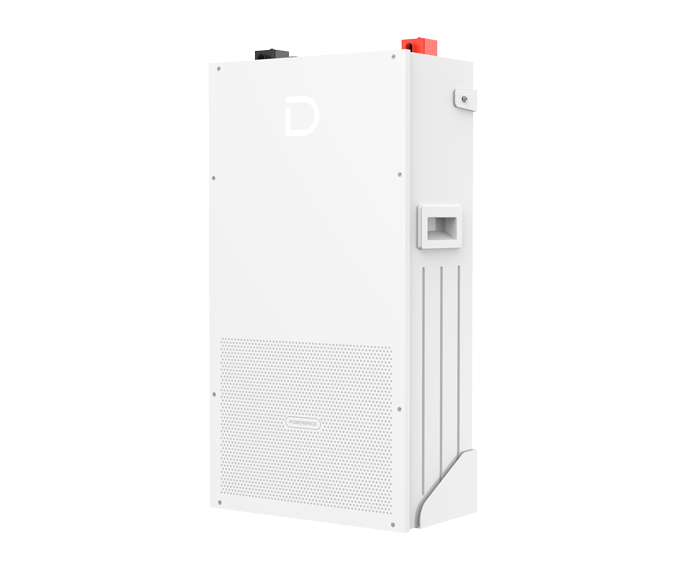
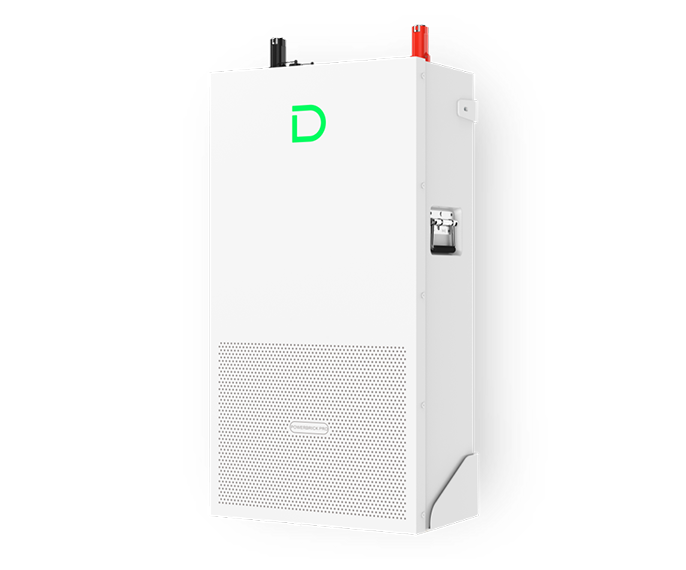
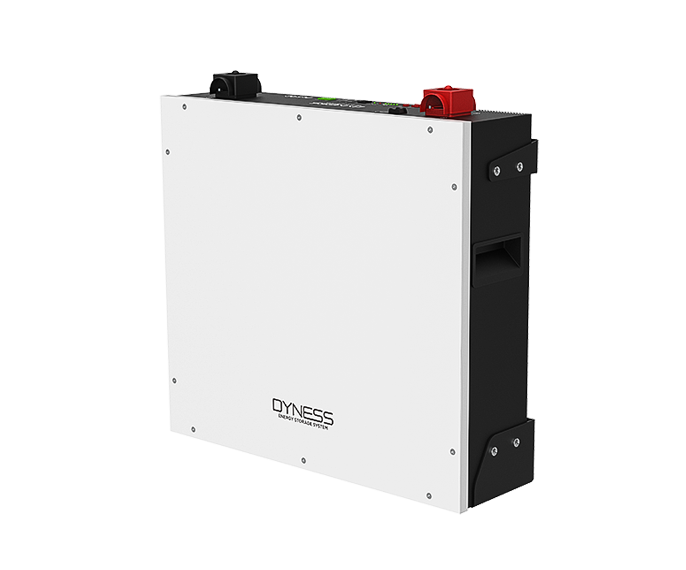
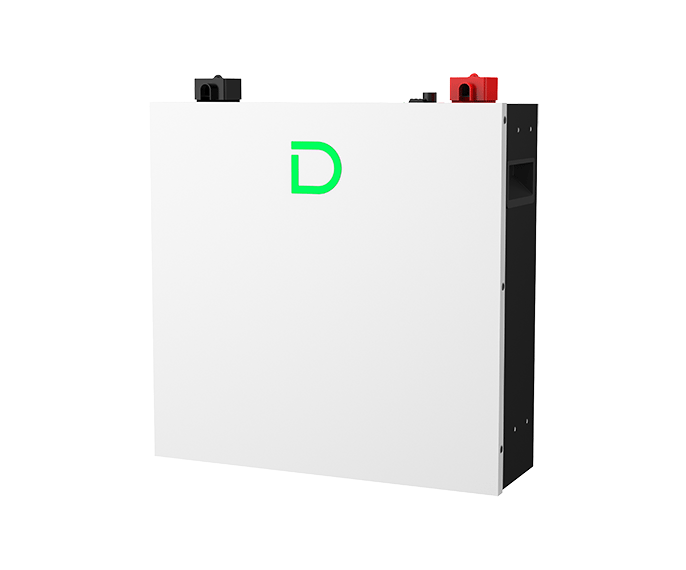
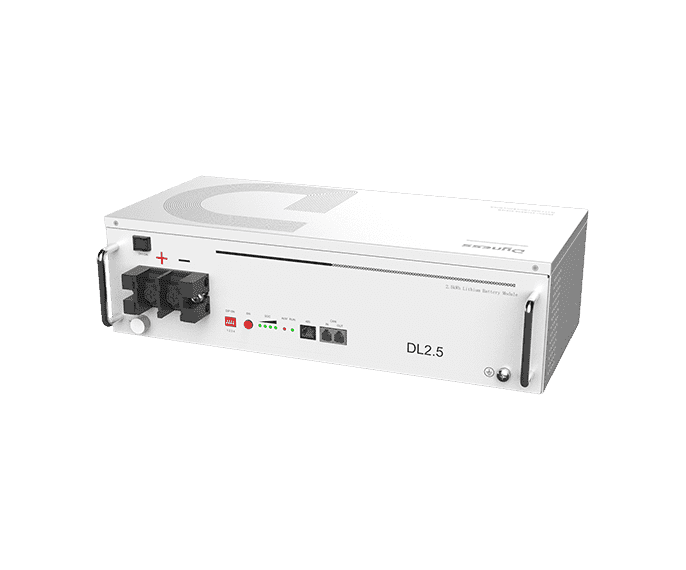
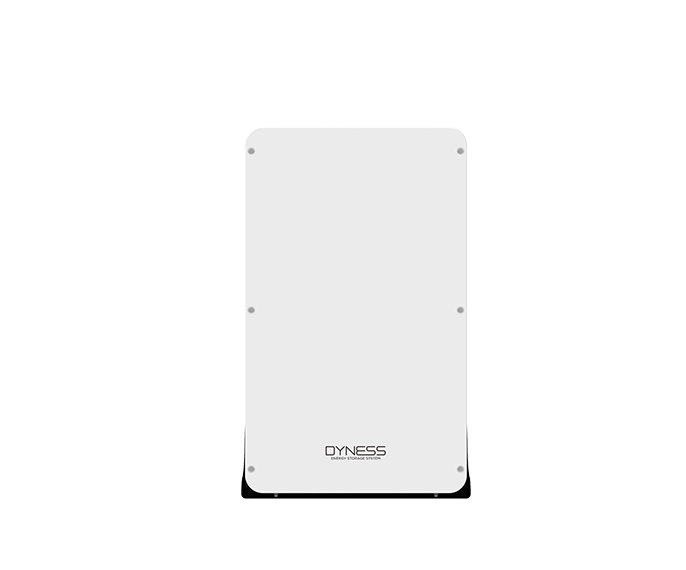
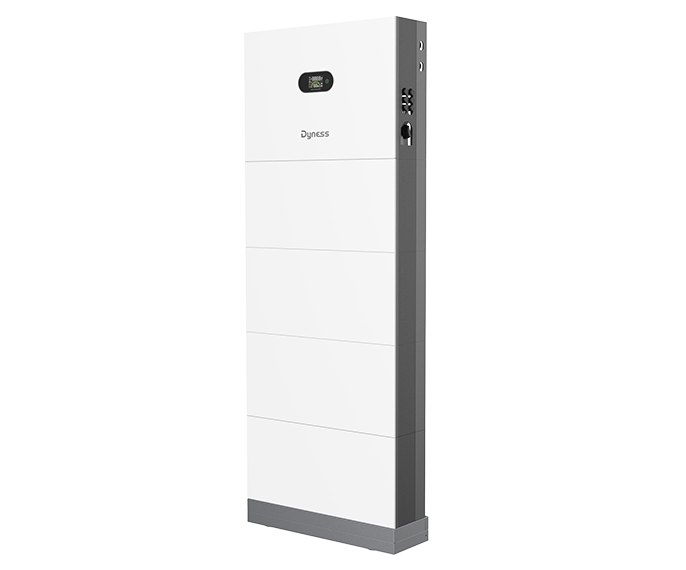
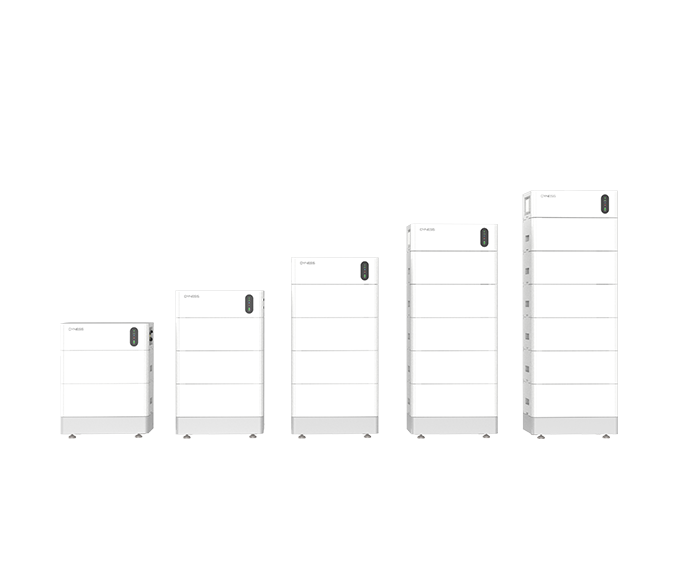
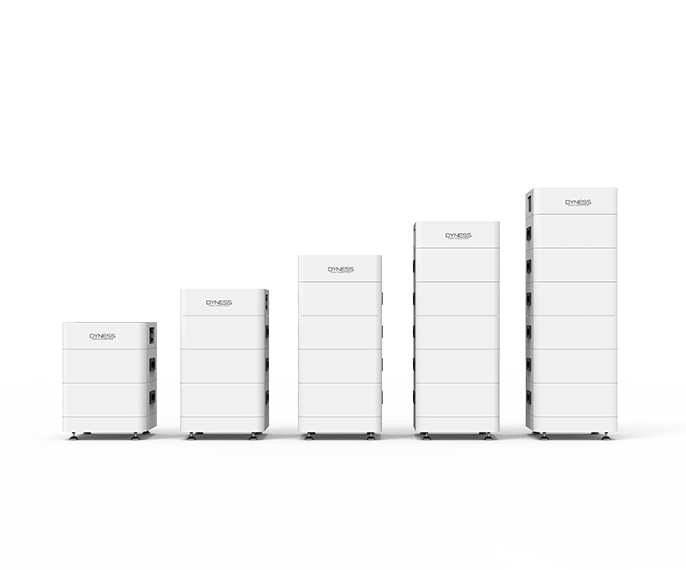
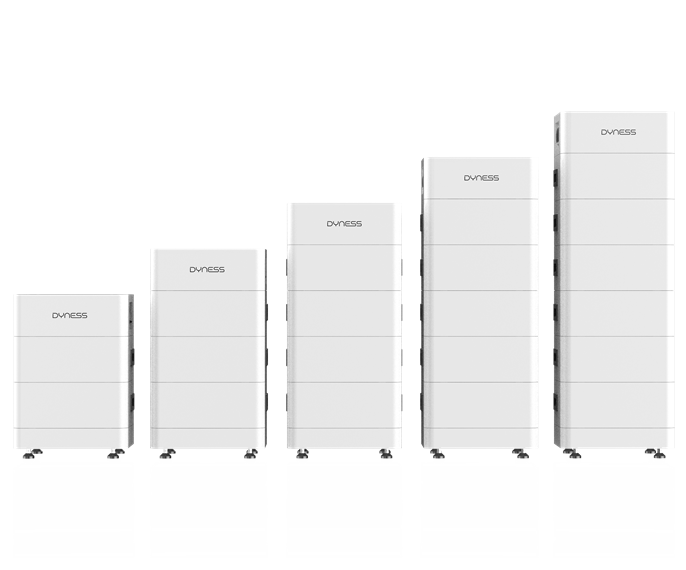
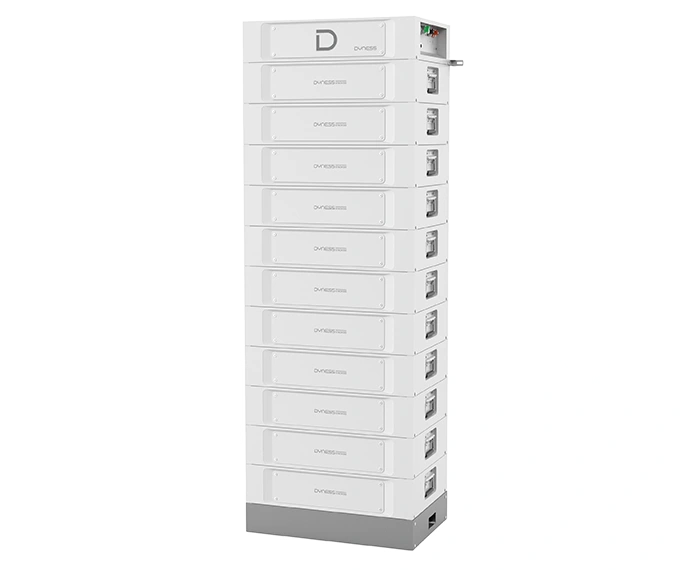
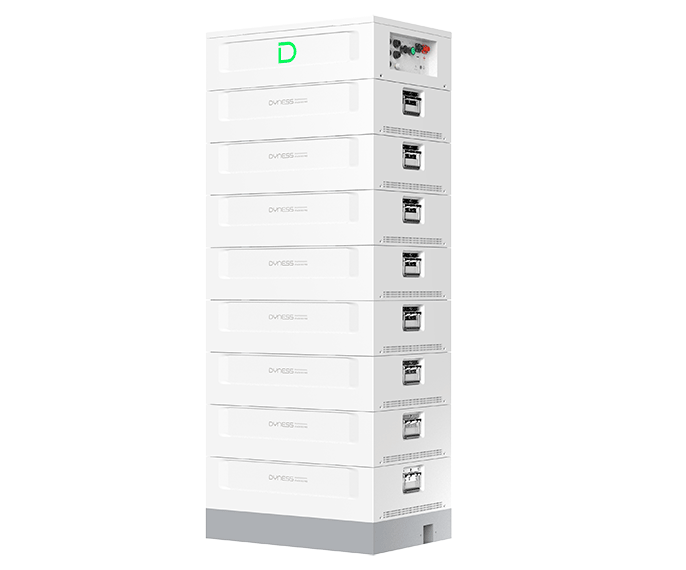
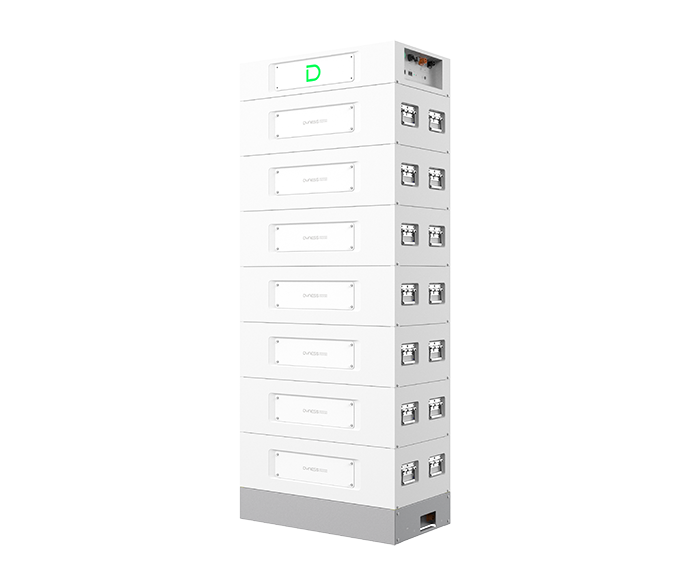
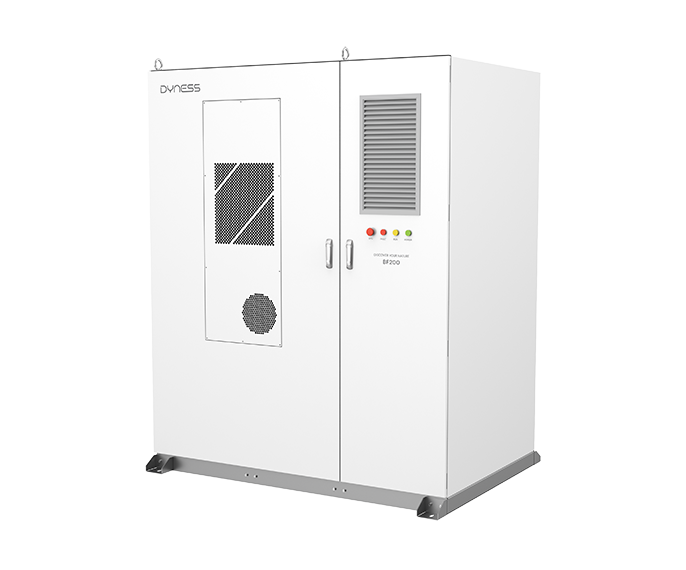
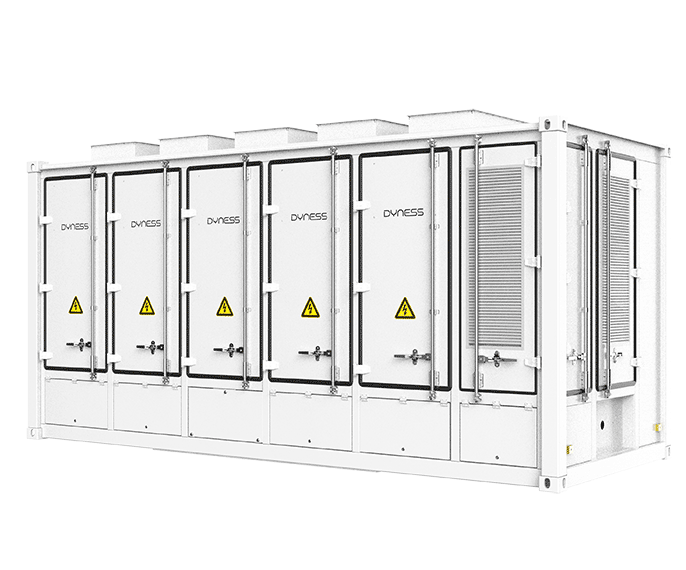
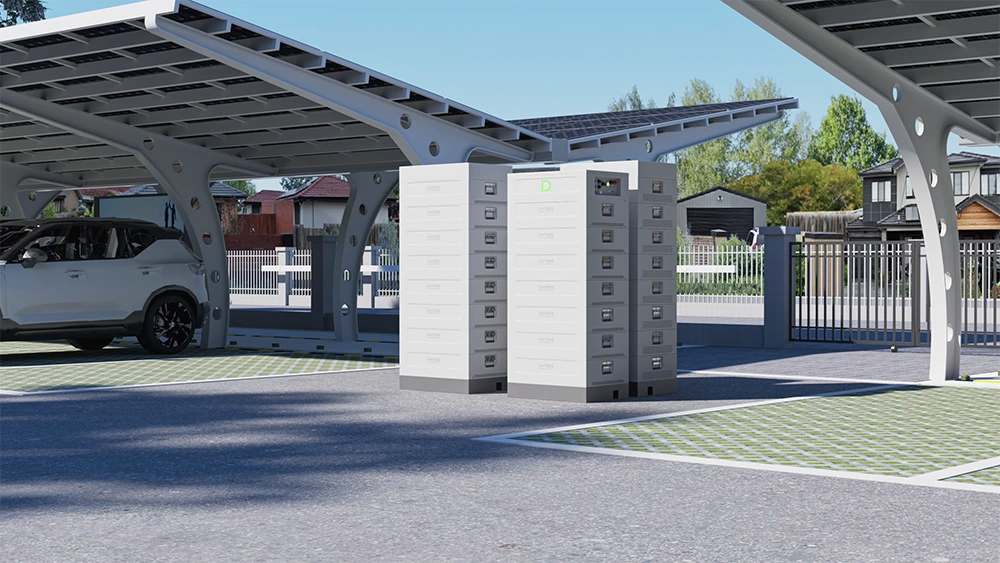
Our approach focuses on making integration straightforward for B2B partners. We supply modular battery cabinets and stackable packs that communicate with most solar inverters and hybrid controllers. One of our European integrators recently deployed Dyness BESS solutions for a hotel chain. Each location had existing rooftop solar but no storage. We provided a battery energy storage system manufacturer’s technical drawings and CAN bus protocols in advance, so their electricians handled wiring in half a day. Now, those hotels shift 70% of their solar power to evening hours, cutting grid purchases substantially. As a battery energy storage system manufacturer that prioritizes OEM and ODM flexibility, we customize voltage, capacity, and enclosure ratings to match specific hybrid setups. No generic black boxes—just plug-and-play compatibility with real field support.
Integrating battery storage with solar PV and hybrid energy systems turns intermittent renewable power into a reliable, 24/7 asset. From matching generation to demand, to smoothing hybrid operations, to practical field deployments, Dyness delivers BESS solutions that work. If you’re a B2B client looking for a battery energy storage system manufacturer that understands real-world energy challenges, visit our website to explore our OEM and ODM capabilities. Let’s build storage that actually fits your solar or hybrid project.
FAQ
-
Q: How does battery storage work with solar PV systems?

A: Battery storage works with solar PV systems by storing excess solar energy generated during the day and releasing it when solar production decreases or electricity demand increases. This improves solar self-consumption, reduces grid dependency, and increases energy availability.
-
Q: Why should businesses combine solar PV with battery energy storage?
A: Combining solar PV with battery energy storage allows businesses to use more of their own solar generation, reduce electricity purchases during peak periods, lower energy costs, and improve energy resilience.
-
Q: What is a hybrid energy system with battery storage?
A: A hybrid energy system combines multiple energy sources such as solar PV, grid power, diesel generators, or wind generation with battery storage. The battery system coordinates energy flow to improve efficiency, reliability, and renewable energy utilization.
-
Q: Can Dyness battery storage systems work with existing solar inverters?
A: Yes. Dyness battery storage solutions are designed to support integration with compatible solar inverters and hybrid energy systems through communication protocols such as CAN and RS485, enabling flexible system deployment.
-
Q: Which Dyness products are suitable for solar PV and hybrid energy systems?
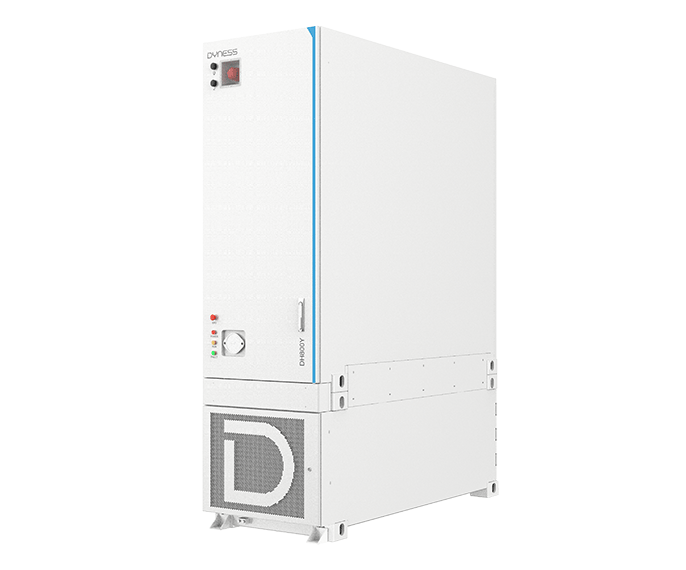
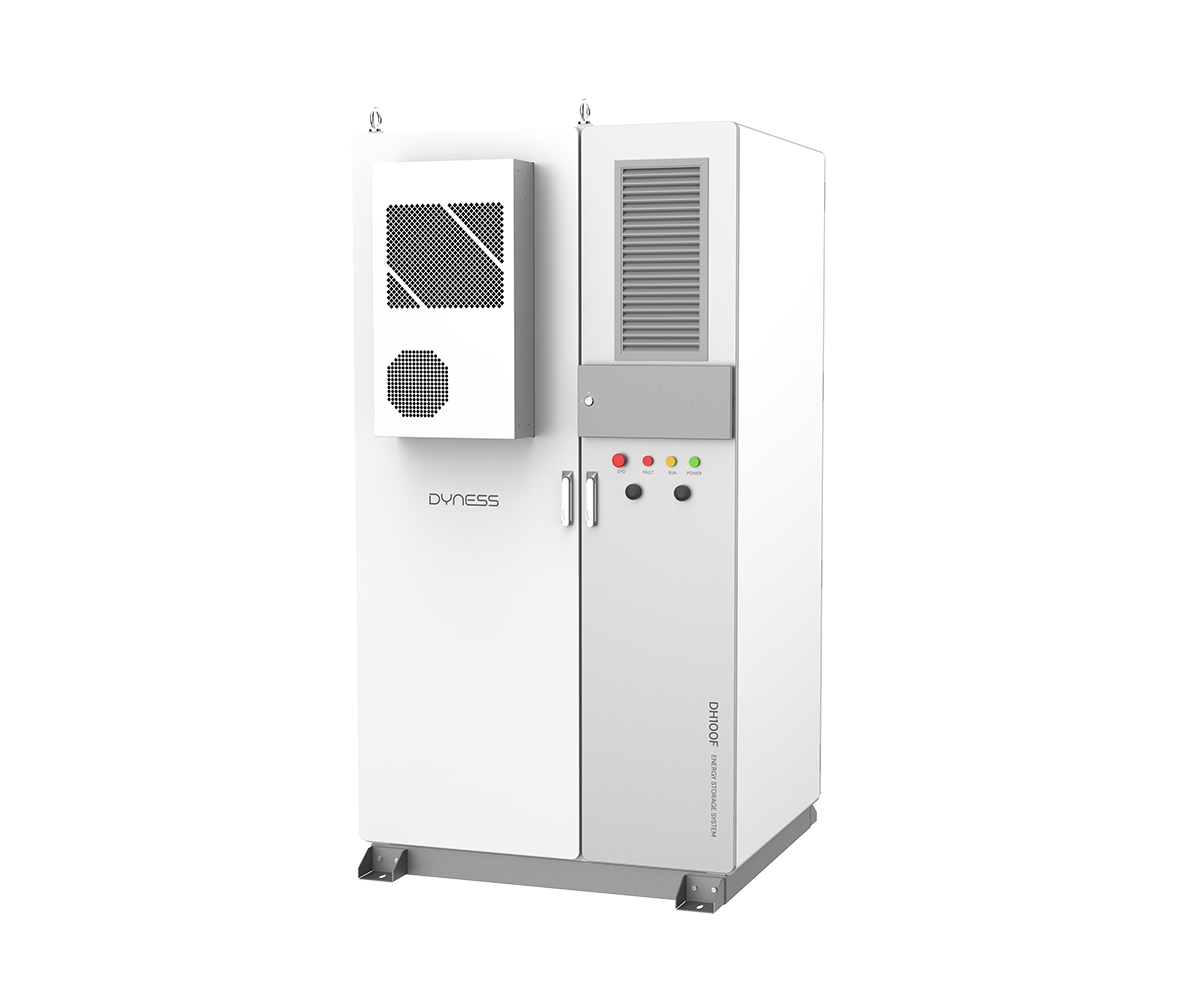
A: Dyness STACK100 Pro is suitable for commercial solar-plus-storage applications with modular expansion and flexible integration. For larger commercial projects, DH200F and DH200Y provide scalable capacity, advanced thermal management, and reliable energy storage performance.
Learn More