












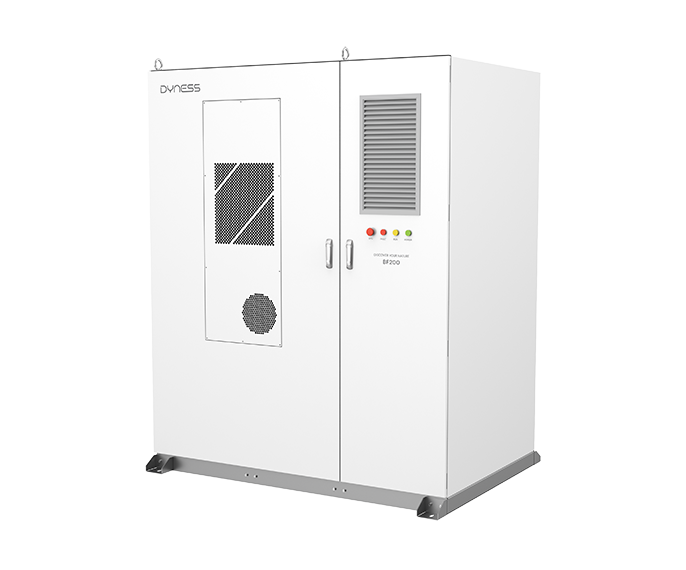

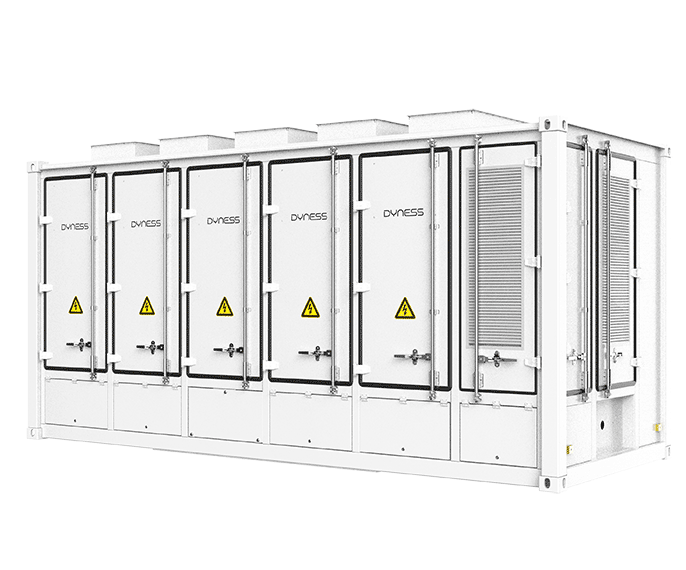
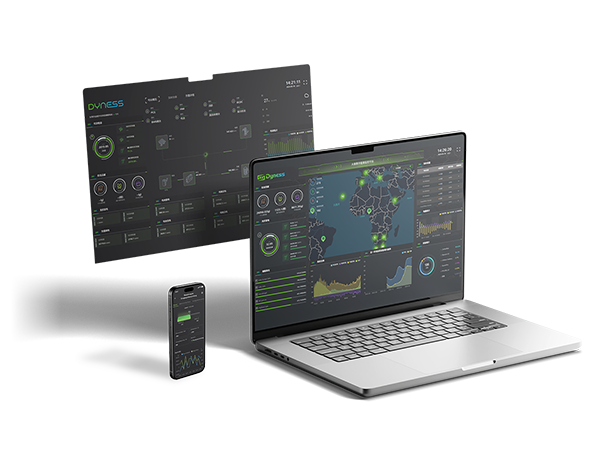












The Future of Grid Interaction for Utility-Scale Energy Storage Systems


Get notified about new updates, products, tips and tutorials. No spam.
Abstract: The future of the Utility-Scale Energy Storage System is shifting from simple energy shifting toward active grid interaction. As battery deployment grows, storage projects increasingly need to respond predictably to frequency, voltage, dispatch, and disturbance conditions while meeting interconnection and verification requirements. In the United States, cumulative utility-scale battery storage capacity exceeded 26 GW in 2024. Operators reported plans to add another 19.6 GW in 2025, compared with the EIA’s projection that 18.2 GW of utility-scale battery storage would actually be added during the year. (U.S. Energy Information Administration)

Why Is Grid Interaction Becoming Central to Utility-Scale Energy Storage Systems?
Utility-scale battery energy storage systems are increasingly expected to operate as controllable grid resources rather than simply as standalone energy reservoirs. As battery deployment and renewable generation continue to grow, storage plants must interact more actively with grid conditions, dispatch requirements, and system operators.
A modern utility-scale BESS may perform multiple functions within the same project, including energy shifting, frequency response, voltage support, renewable energy balancing, and emergency grid support. These functions depend not only on battery capacity, but also on how effectively the battery system, power conversion system, plant controller, protection architecture, communications, and point of interconnection operate together.
This changes the way developers and EPC teams evaluate storage projects. A higher energy rating does not automatically mean stronger grid-support capability. The complete system must be assessed according to its measurable operating functions, control architecture, interconnection requirements, monitoring capability, and verification procedures.
| Evaluation Area | Key Question |
| Power Capability | Can the system provide the required active and reactive power within its rated operating limits? |
| Controls | Can plant-level controls respond predictably to grid commands and changing operating conditions? |
| Modeling | Does the simulation model accurately represent the installed control behavior? |
| Communications | Can commands, measurements, alarms, and operating data be exchanged reliably? |
How Are Grid-Following and Grid-Forming Controls Changing Energy Storage?
Power-electronic controls are becoming one of the most important differentiators in modern battery energy storage systems. Unlike conventional synchronous generators, battery storage connects to the grid through inverter-based power conversion systems.
Grid-following inverters operate by referencing an existing grid voltage and frequency. Grid-forming inverters, by contrast, are designed to establish voltage and frequency characteristics and can provide specified system-support functions under appropriate operating conditions.
As inverter-based resources represent a larger share of the power system, grid operators are paying greater attention to capabilities such as voltage and frequency support, dynamic reactive-power response, active-power frequency control, and disturbance ride-through.
This means grid-forming capability should not be treated simply as a product label. Plant behavior needs to be clearly defined, modeled, tested, commissioned, and verified at system level. For project developers, the focus is therefore shifting from evaluating individual equipment specifications toward understanding how the complete plant behaves at the point of interconnection.
Why Do Model Validation and Interoperability Matter?
As battery energy storage systems take on more active grid-support functions, accurate system modeling becomes increasingly important. Grid planners and operators rely on simulation models to predict how storage plants will respond during frequency changes, voltage disturbances, dispatch events, and other dynamic grid conditions.
If the model does not accurately represent the installed control logic, the simulated response may differ from actual field performance. Model validation therefore becomes an important part of project design, commissioning, and ongoing grid compliance.
Interoperability is equally important. A utility-scale storage plant typically combines battery systems, PCS equipment, plant controllers, EMS platforms, protection systems, transformers, substations, and utility communication interfaces. Reliable operation requires these components to exchange commands and measurements consistently.
For EPC and procurement teams, interoperability should therefore be evaluated alongside energy capacity, power rating, safety, efficiency, and lifecycle performance.
What Does the Dyness DH200Y-C260 Illustrate About Integrated Storage Design?
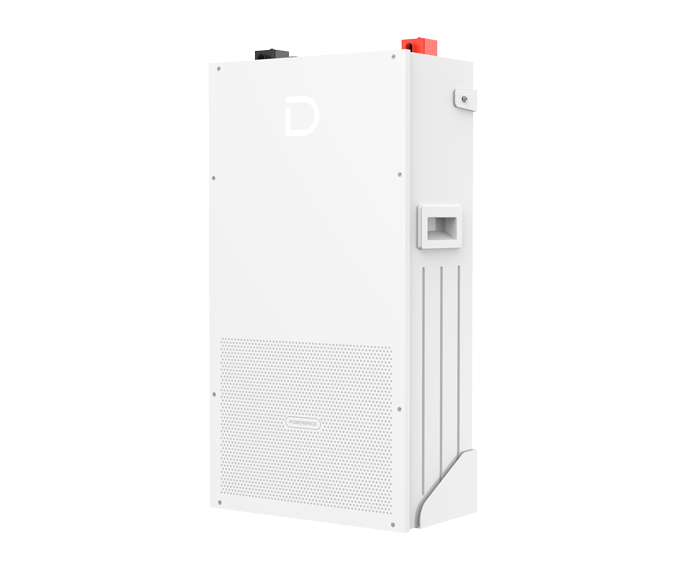
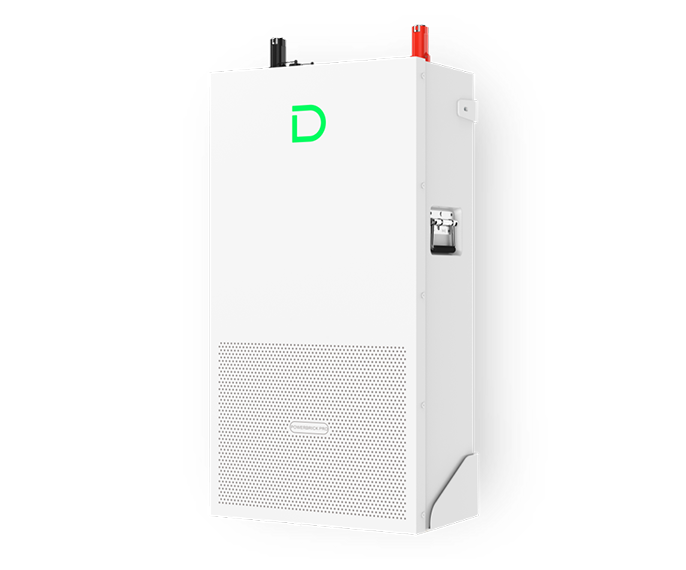
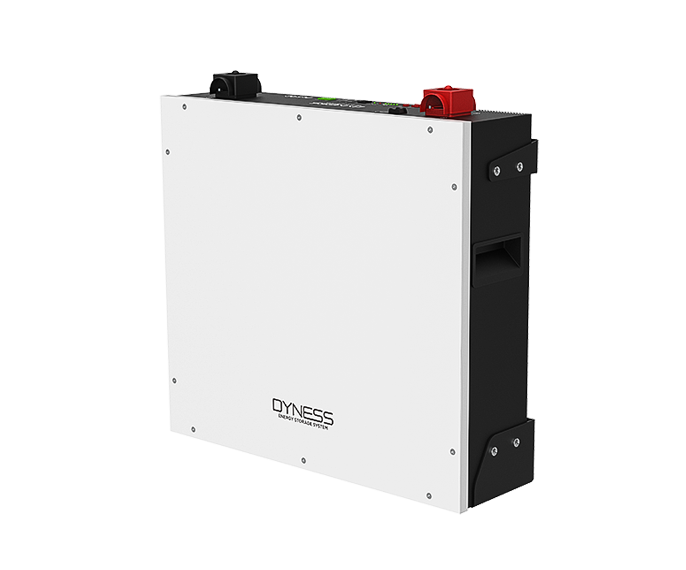
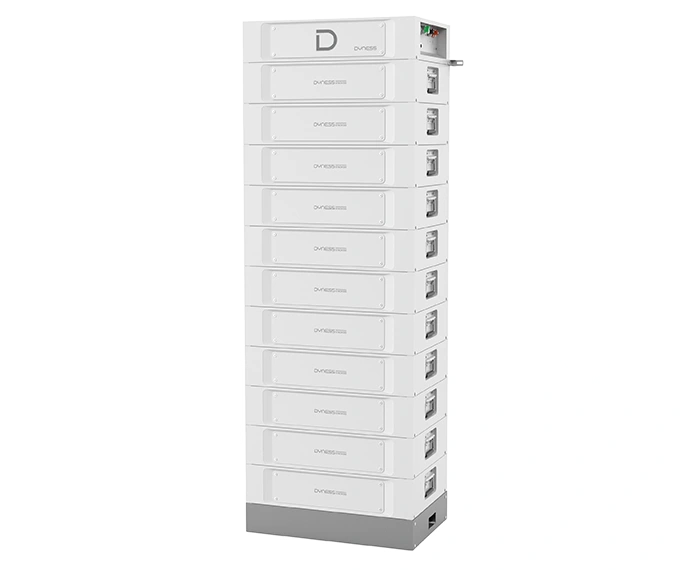
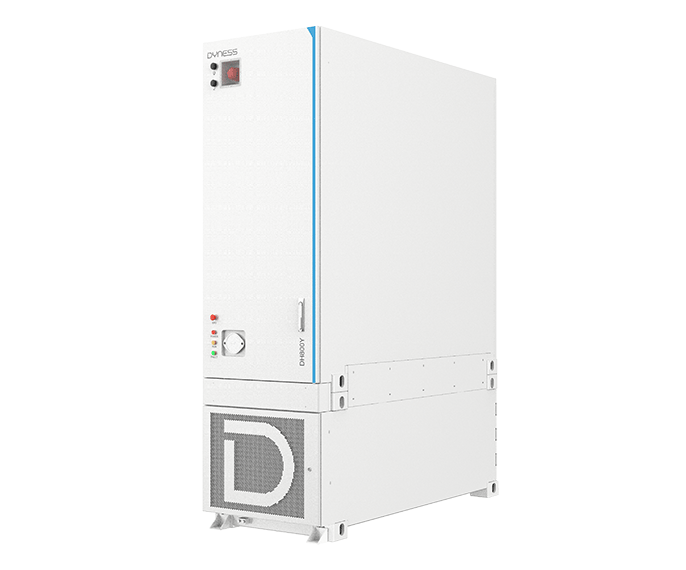
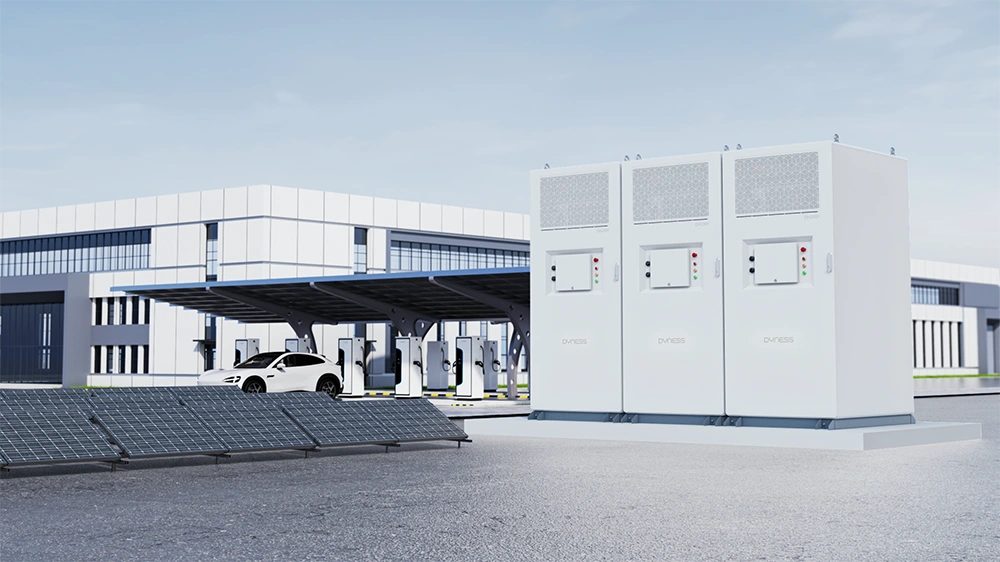
The Dyness DH200Y-C260 provides a commercial and industrial example of the broader trend toward integrated energy storage architecture. It is not positioned as a utility-scale grid-forming system, but its design illustrates several principles that are increasingly important across modern storage applications.
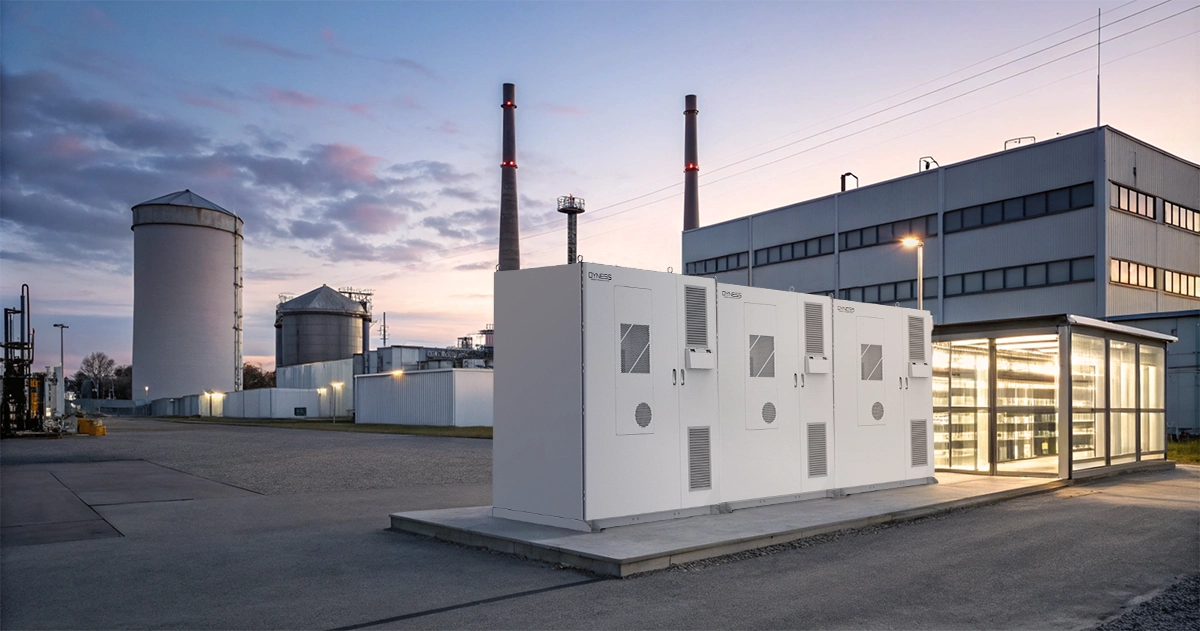
The DH200Y-C260 integrates a 261 kWh nominal energy capacity, 125 kW rated power, LiFePO4 battery technology, liquid cooling, communications, monitoring, and modular expansion within one C&I energy storage platform.
| Nominal Energy | 261 kWh |
| Rated Power | 125 kW |
| Battery Chemistry | LiFePO4 |
| Cooling | Liquid Cooling |
| Parallel Expansion | Up to 20 Units |
| Communication | 4G / Ethernet / RS485 |
These features demonstrate how thermal management, communications, monitoring, modular expansion, and multi-function operation are becoming increasingly important across different energy storage segments.
For B2B buyers, however, the distinction between C&I and utility-scale applications remains important. The two markets have different capacity ranges, interconnection requirements, operating models, grid-service expectations, and commercial objectives. The DH200Y-C260 should therefore be understood as an example of integrated system design rather than a utility-scale grid-forming product.

What Will Define the Next Generation of Utility-Scale BESS?
The next generation of utility-scale energy storage systems will be evaluated less by battery capacity alone and more by how predictably and reliably the complete plant interacts with the grid.
Key capabilities will include clearly defined grid-support functions, appropriate grid-following or grid-forming control strategies, validated simulation models, reliable plant communications, coordinated protection and control, and system architecture matched to interconnection requirements.
For utilities, developers, EPC companies, and energy storage suppliers, this represents an important change in project evaluation. The central question is no longer simply how much energy a battery can store, but how effectively the complete system can respond to grid conditions throughout its operating life.
As renewable penetration increases and power systems become more dependent on inverter-based resources, this system-level approach will become fundamental to the design, commissioning, and operation of utility-scale battery energy storage projects.
FAQ
-
Q: What is a utility-scale energy storage system?

A: A utility-scale energy storage system is a large battery energy storage solution connected to the power system to support applications such as energy shifting, renewable integration, frequency regulation, voltage support, grid balancing, and other grid services.
-
Q: What is the difference between grid-following and grid-forming energy storage?
A: Grid-following inverters operate using an existing grid voltage and frequency reference, while grid-forming inverters can establish voltage and frequency characteristics and provide specified grid-support functions under appropriate operating conditions.
-
Q: Why is grid interaction important for utility-scale BESS?
A: Grid interaction determines how effectively a battery energy storage system responds to dispatch commands, frequency changes, voltage conditions, renewable fluctuations, and grid disturbances. It therefore affects both system value and grid reliability.
-
Q: Why does model validation matter for utility-scale energy storage?
A: Model validation helps confirm that the simulated behavior of the battery storage plant accurately represents the installed equipment and control system. This is particularly important when the project provides grid-support functions.
-
Q: What should EPC teams evaluate beyond battery capacity?
A: EPC and procurement teams should also evaluate active and reactive power capability, PCS and plant controls, communications, protection systems, thermal management, system models, monitoring, testing provisions, and interconnection requirements.
-
Q: Does the Dyness DH200Y-C260 provide utility-scale grid-forming services?
A: The DH200Y-C260 is positioned as a commercial and industrial energy storage system. It illustrates integrated design principles such as liquid cooling, communications, monitoring, and modular expansion, but it should not be classified as a utility-scale grid-forming storage system unless explicitly specified for such an application.
Learn More