

























How Utility-Scale Battery Energy Storage Systems Are Reshaping the Future Grid


Get notified about new updates, products, tips and tutorials. No spam.
As renewable energy becomes a larger part of the global power mix, maintaining grid stability requires more flexible and intelligent energy solutions. Utility-scale battery energy storage systems (BESS) provide the critical link between variable renewable generation and reliable electricity supply by storing excess energy, balancing fluctuations, and supporting grid operations.
This article explains how utility-scale BESS systems work, their role in renewable energy integration, grid resilience, frequency regulation, and large-scale energy management. Discover how advanced battery technology, intelligent EMS control, and scalable storage solutions are helping build a more flexible and sustainable energy future.

The Growing Need for Utility-Scale Energy Storage in a Renewable Energy Era
The global energy system is undergoing a fundamental transformation. As solar and wind power become increasingly important sources of electricity, grid operators face a new challenge: renewable generation is clean and abundant, but it is also variable.
Solar power peaks during daylight hours, while electricity demand often rises in the evening. Wind generation can fluctuate significantly depending on weather conditions. Without sufficient energy storage capacity, this imbalance can lead to renewable energy curtailment, grid instability, and increased pressure on traditional power generation assets.
Utility-scale battery energy storage systems (BESS) are becoming a critical infrastructure component to solve this challenge. Unlike traditional power plants that require mechanical processes to adjust output, modern battery storage systems can respond within milliseconds, providing the flexibility required for future renewable-based grids.
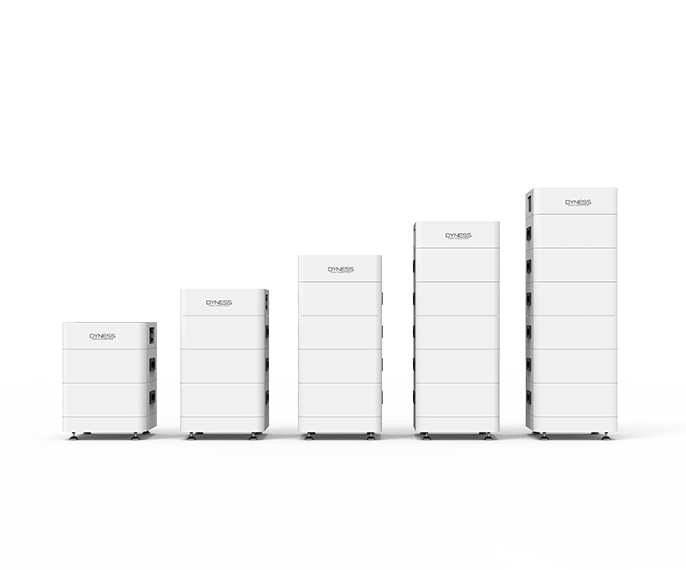
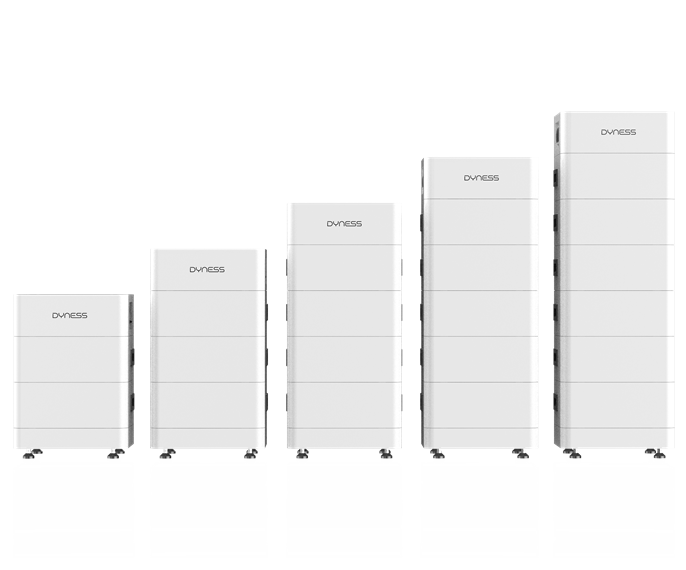
As a global battery energy storage system manufacturer, Dyness focuses on developing scalable and reliable storage solutions that enable utilities, renewable energy developers, and grid operators to build more resilient energy networks.
How Utility-Scale BESS Supports a More Flexible Power Grid
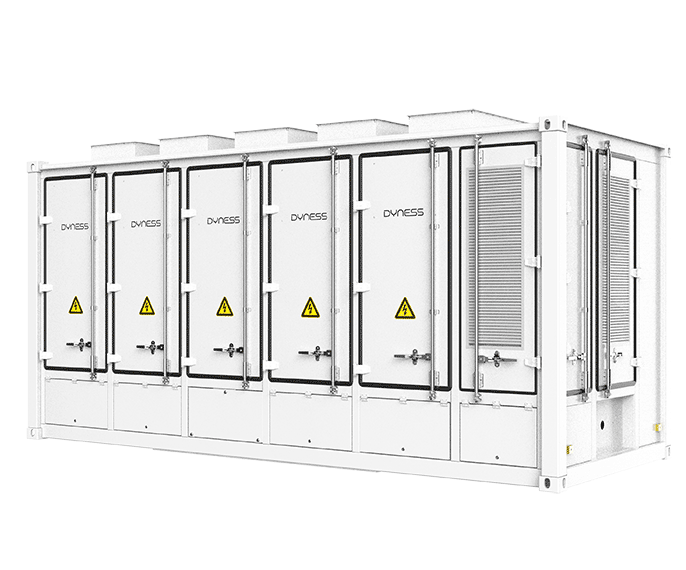
A utility-scale battery energy storage system is not simply a large battery bank. It is a complete energy infrastructure solution integrating battery modules, power conversion systems (PCS), energy management systems (EMS), thermal management, safety systems, and intelligent monitoring platforms.
The system operates by absorbing electricity when generation exceeds demand and releasing stored energy when the grid requires additional power.
Typical applications include:
Renewable energy smoothing
Peak load management
Frequency regulation
Voltage support
Grid balancing
Emergency backup
Black start capability
By providing both energy capacity and fast power response, utility-scale BESS acts as a flexible resource that helps stabilize modern electricity networks.
Enabling Renewable Energy Integration at Scale
One of the biggest challenges of renewable energy is intermittency.
A solar farm may produce maximum electricity at noon, while demand increases after sunset. A wind farm may experience significant output variations within minutes.
Utility-scale storage bridges this gap.
During periods of high renewable generation:
Excess electricity is stored in battery systems
Renewable curtailment is reduced
Clean energy utilization improves
During periods of high demand or reduced renewable output:
Stored energy is discharged
Grid pressure is reduced
Electricity supply becomes more predictable
For large renewable projects, battery storage transforms intermittent renewable resources into dispatchable energy assets.
This capability is essential for future power systems with higher renewable penetration.

The Importance of Advanced Battery Technology and Thermal Management
Large-scale energy storage projects operate under demanding conditions. Battery reliability, safety, and lifecycle performance directly influence project economics.
Dyness utility-scale solutions are built around advanced lithium iron phosphate (LiFePO4) technology, which provides:
High thermal stability
Long cycle life
Strong safety performance
Reliable operation under frequent charging and discharging
For large capacity applications, thermal management becomes increasingly important.
Advanced liquid cooling technology helps maintain consistent temperatures across battery clusters, reducing temperature differences between cells and improving:
Battery lifespan
System efficiency
Operational reliability
This is especially important for large-scale projects operating continuously in different climates and environments.
Modular Architecture for Flexible Utility Energy Projects
Modern energy projects require flexibility.
Grid requirements, renewable capacity, and electricity demand continue to evolve after initial deployment. A fixed storage system may limit future expansion.
Dyness focuses on modular system architecture that enables:
- Flexible capacity expansion
- Simplified installation
- Easier operation and maintenance
- Adaptation to different project requirements
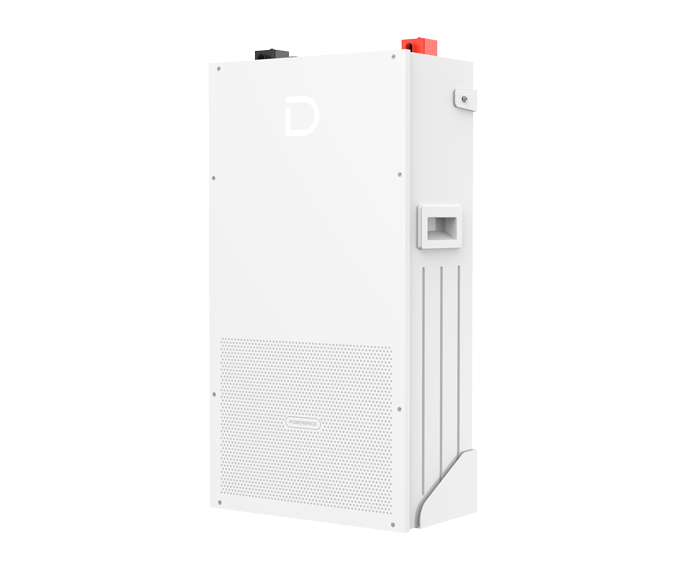
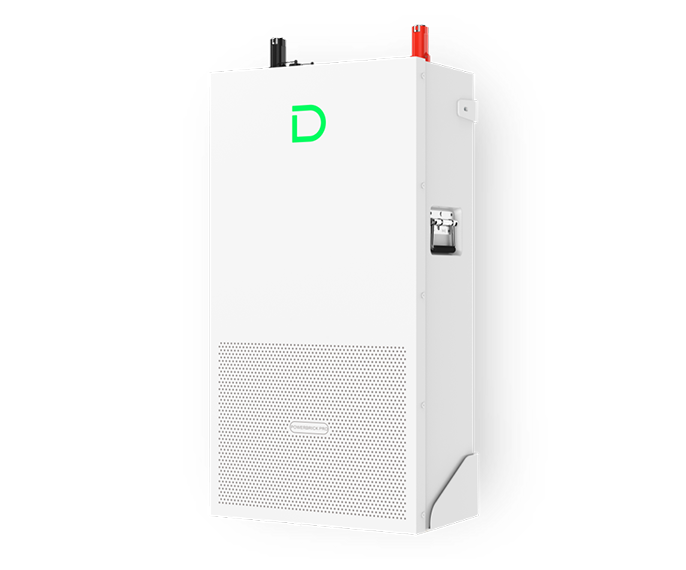
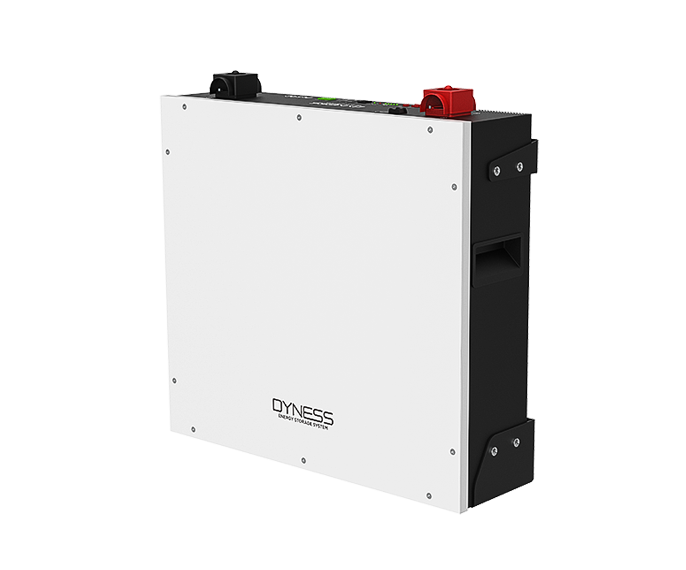
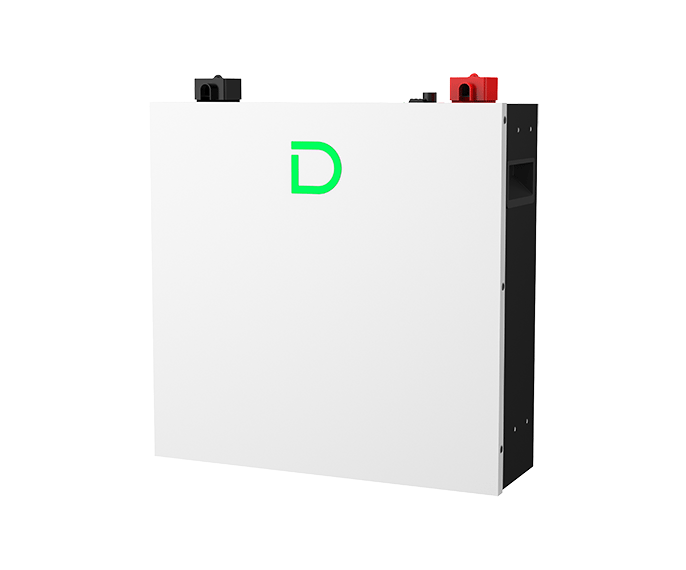
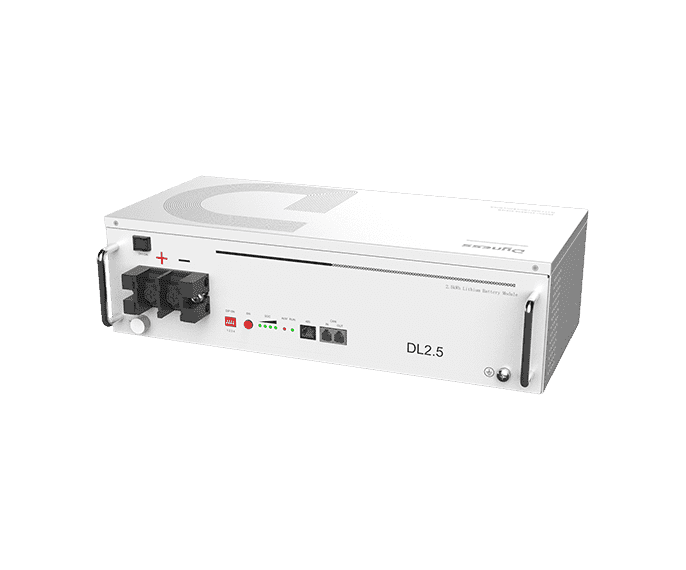
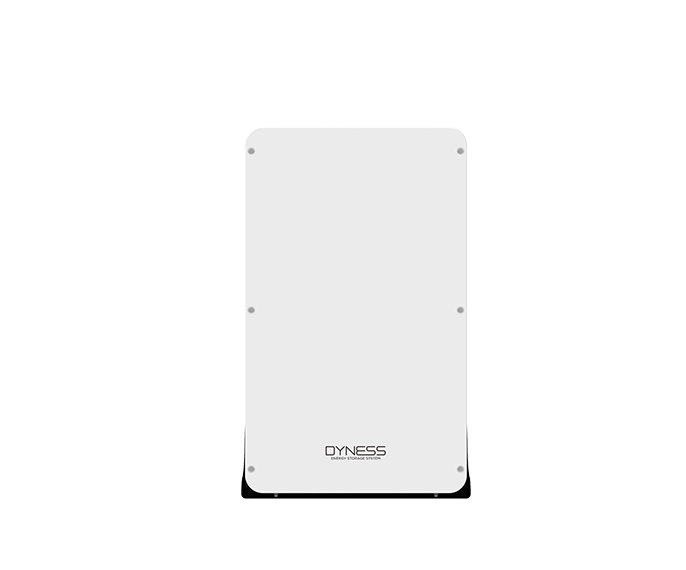
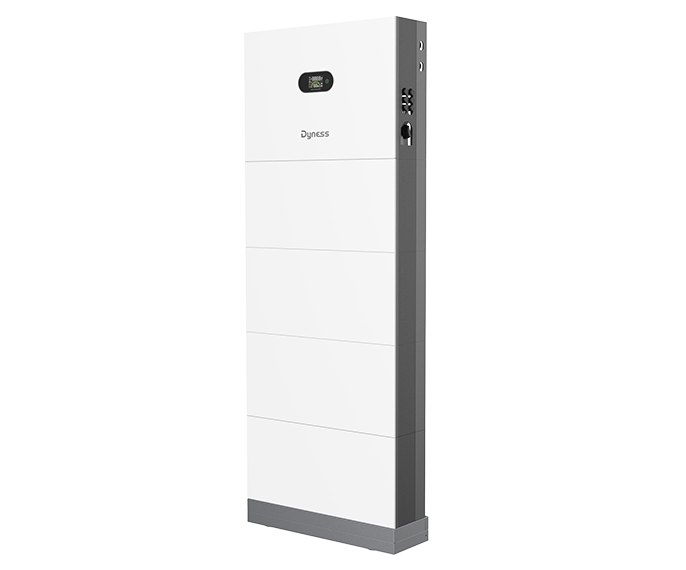
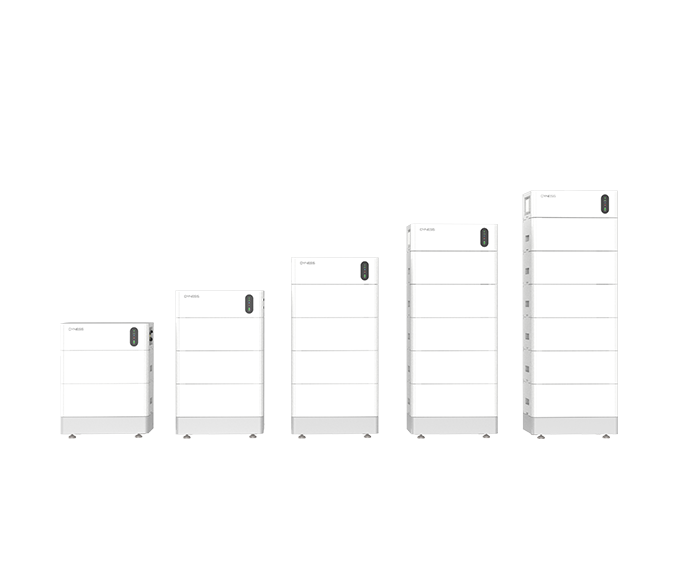
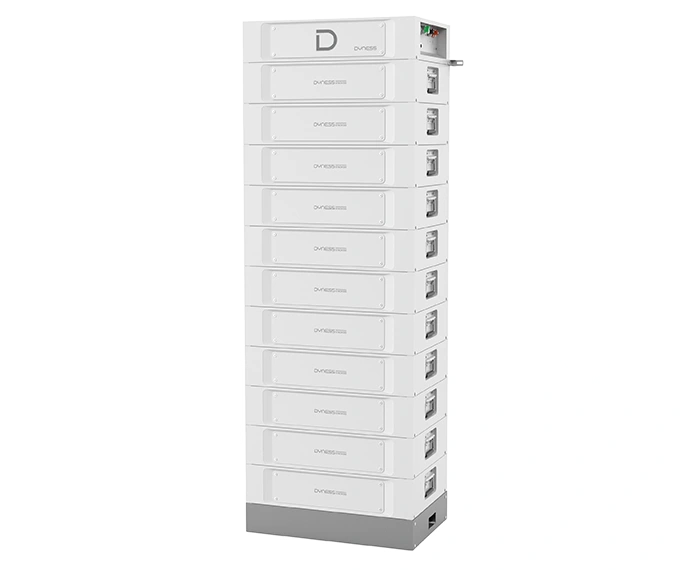
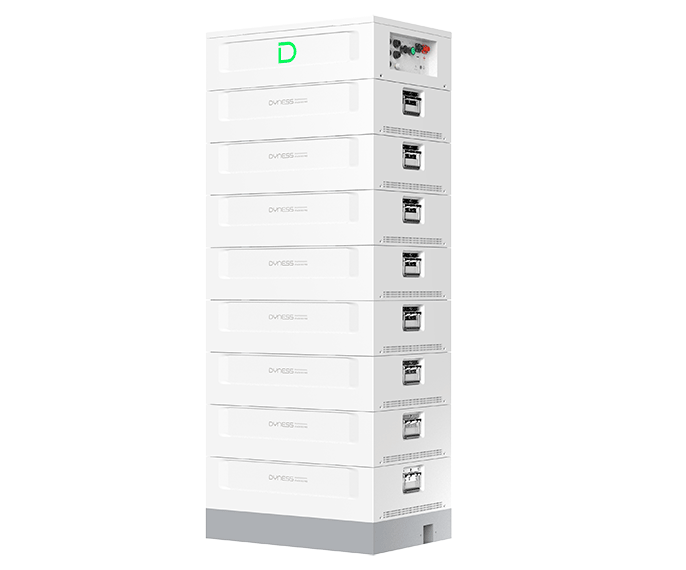
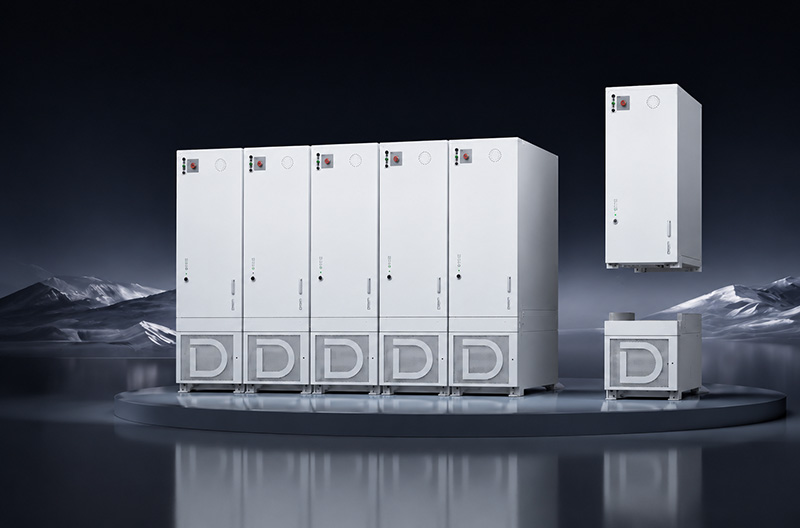
Solutions such as:
Supporting Grid Stability Beyond Energy Storage
The value of utility-scale BESS extends beyond storing electricity.
Modern grids require intelligent assets capable of actively participating in energy management.
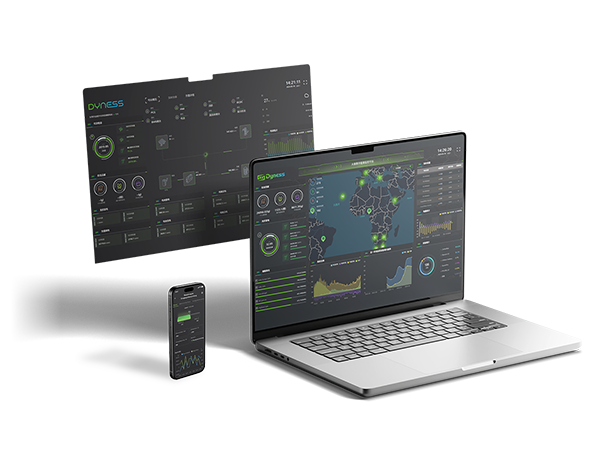
Through EMS integration, battery systems can support:
Frequency Regulation
Rapidly adjusting output to maintain grid frequency balance.
Peak Management
Reducing stress during periods of high electricity demand.
Renewable Balancing
Compensating for sudden changes in solar and wind generation.
Emergency Response
Providing backup power during unexpected grid events.
As renewable energy continues to expand, these grid services will become increasingly important for maintaining reliable electricity networks.
Dyness: Building the Infrastructure for the Future Energy Grid
The transition toward renewable energy requires more than additional generation capacity. It requires flexible, intelligent, and reliable energy storage infrastructure.
At Dyness, we combine advanced battery technology, intelligent energy management, and scalable manufacturing capabilities to support the global transition toward cleaner energy systems.
From renewable integration and grid stabilization to large-scale energy storage projects, Dyness utility-scale solutions help partners create stronger, smarter, and more resilient power networks.
The future grid will not only generate clean energy—it will intelligently store, manage, and distribute it. Utility-scale battery energy storage systems are becoming the foundation of this transformation.
FAQ
-
Q: What is a utility-scale battery energy storage system?

A: A utility-scale battery energy storage system is a large energy storage solution designed for power grids, renewable energy projects, and large electricity infrastructure. It stores electricity when supply exceeds demand and releases energy when the grid requires additional power.
-
Q: Why are utility-scale BESS systems important for renewable energy?
A: Utility-scale BESS systems help solve renewable energy intermittency by storing excess solar and wind power and releasing it when renewable generation decreases or electricity demand increases.
-
Q: What applications can utility-scale battery storage support?
A: Utility-scale battery storage can support renewable integration, frequency regulation, voltage support, peak management, emergency backup, and grid resilience applications.
-
Q: Why is liquid cooling important for large-scale battery storage systems?
A: Liquid cooling helps maintain consistent battery temperatures across large battery clusters, improving safety, efficiency, and long-term lifecycle performance.
-
Q: Which Dyness products are suitable for utility-scale energy storage projects?
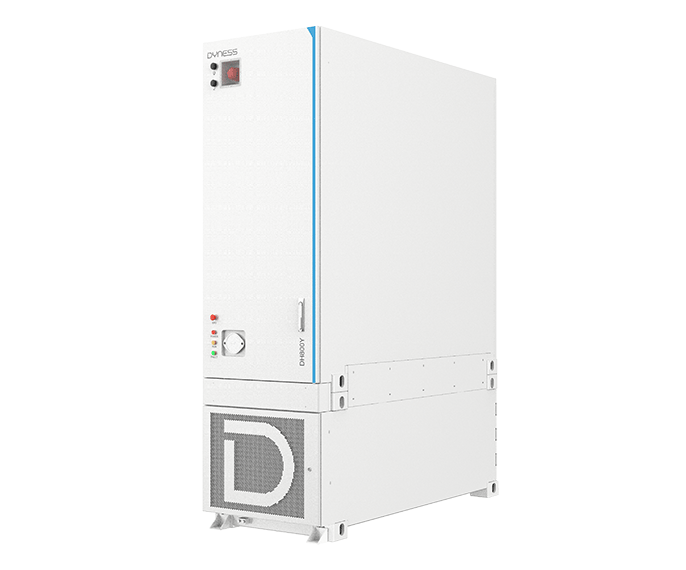
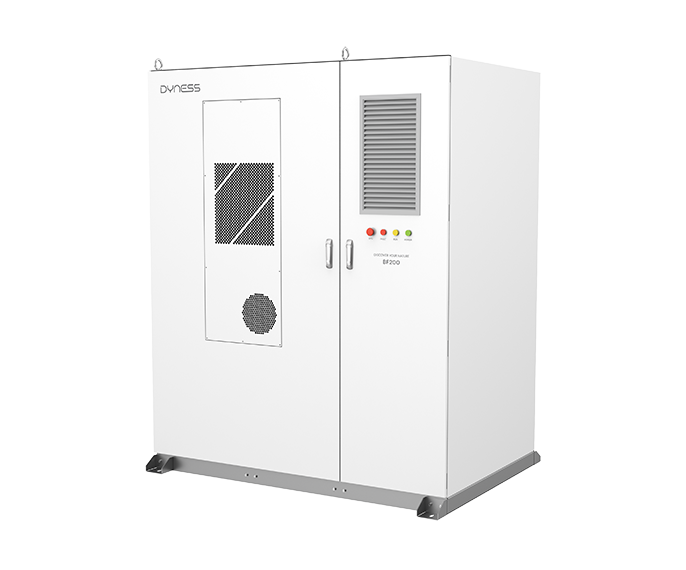
A: Dyness DH800Y and BF Series energy storage systems are designed for large-scale energy storage applications, supporting renewable integration, grid services, and flexible project deployment.
-
Q: How does battery storage improve grid resilience?
A: Battery storage improves grid resilience by providing rapid response power, balancing renewable generation fluctuations, supporting emergency situations, and reducing stress on electricity networks.
Learn More