






















How Long Does It Take to Set Up a Balcony Energy Storage System from Unboxing to Use?


Get notified about new updates, products, tips and tutorials. No spam.
When choosing a Plug-in Balcony ESS, many users care not only about energy performance, but also about how simple the installation process is and how quickly the system can start working. Compared with traditional residential energy storage systems, Plug-in Balcony ESS solutions are designed to simplify deployment through integrated designs, modular structures, and easier connection methods.
However, the actual setup process still depends on product design, installation conditions, electrical requirements, and whether additional commissioning is needed. A well-matched Plug-in Balcony ESS can provide a more accessible pathway for households to start using solar energy storage while maintaining safe and reliable operation.

Why Installation Simplicity Matters for Balcony Energy Storage
For many households, the biggest barrier to adopting energy storage is not only the investment cost, but also concerns about complicated installation procedures.
Traditional residential energy storage systems may involve complex electrical work, inverter configuration, and professional commissioning. Plug-in Balcony ESS solutions are designed to simplify this experience by reducing installation steps and improving user accessibility.
The goal is to make energy storage closer to a household appliance experience: easier deployment, simpler operation, and less daily interaction after setup.
However, simplicity does not mean skipping necessary safety checks. Proper installation, correct connections, and system configuration remain essential for long-term performance.
How the Dyness Balcony Energy Storage Setup Process Works
A Plug-in Balcony ESS installation process usually includes several key stages, from equipment preparation to final operation.
| Installation Stage | Main Tasks |
|---|---|
| 1. Unboxing and preparation | Check equipment condition, accessories, installation space, and required connection environment. |
| 2. Positioning and installation | Place the system in a suitable location according to ventilation, protection, and installation requirements. |
| 3. Electrical connection | Connect PV input, household electrical interface, communication connections, and related accessories depending on system design. |
| 4. Configuration and commissioning | Complete system settings, operating checks, and basic performance verification before daily use. |
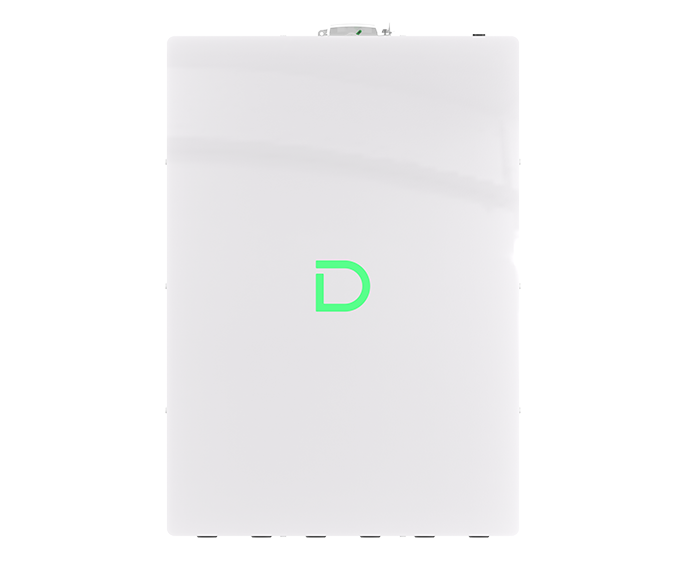
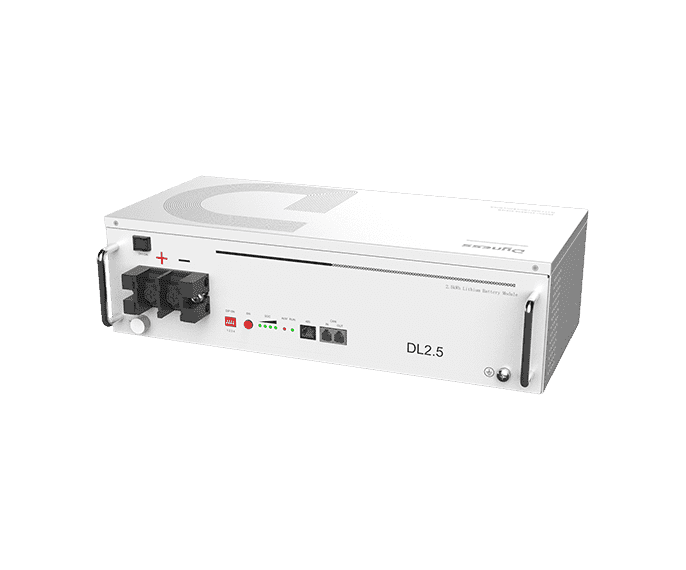
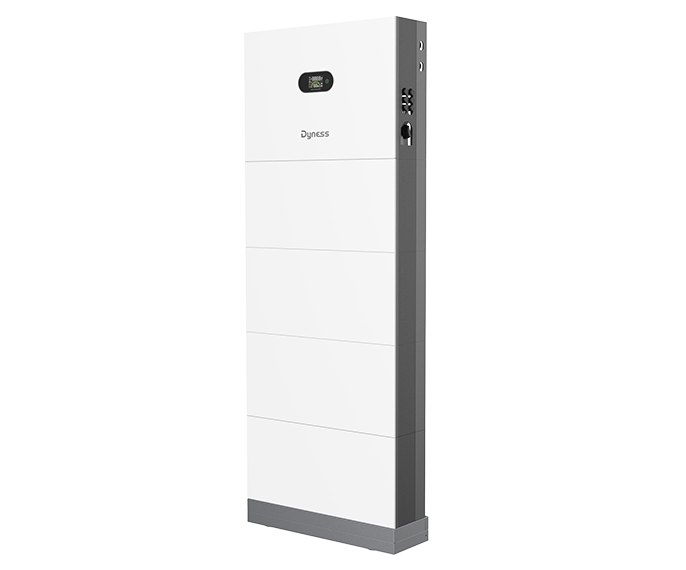
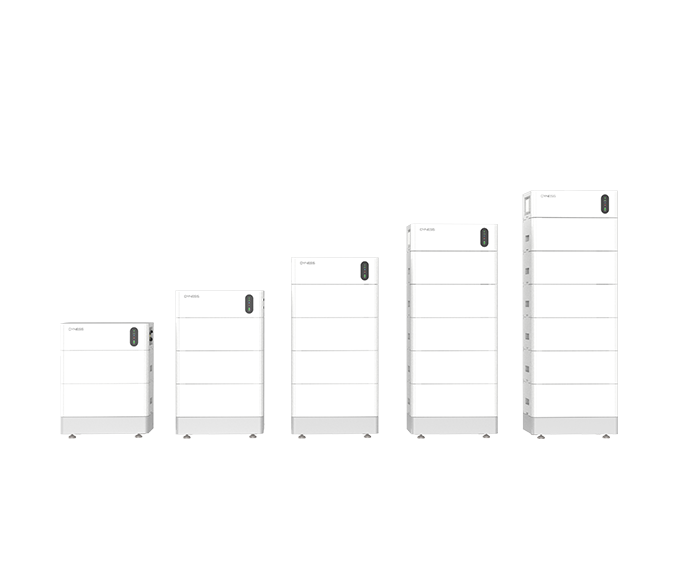
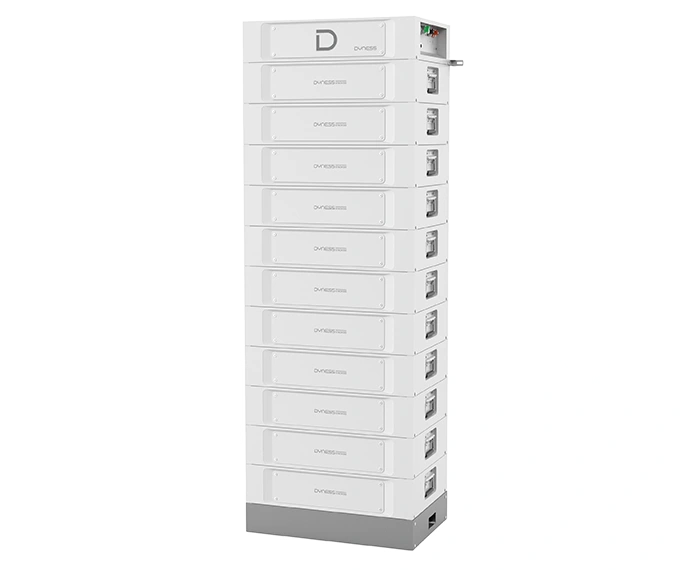
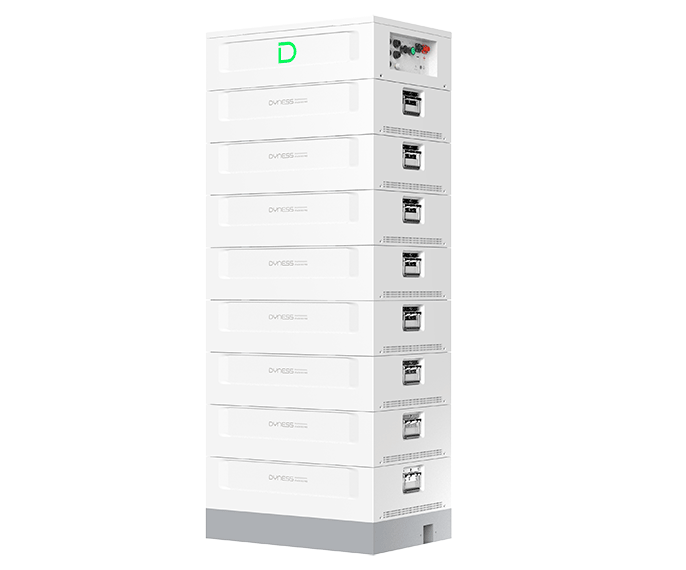
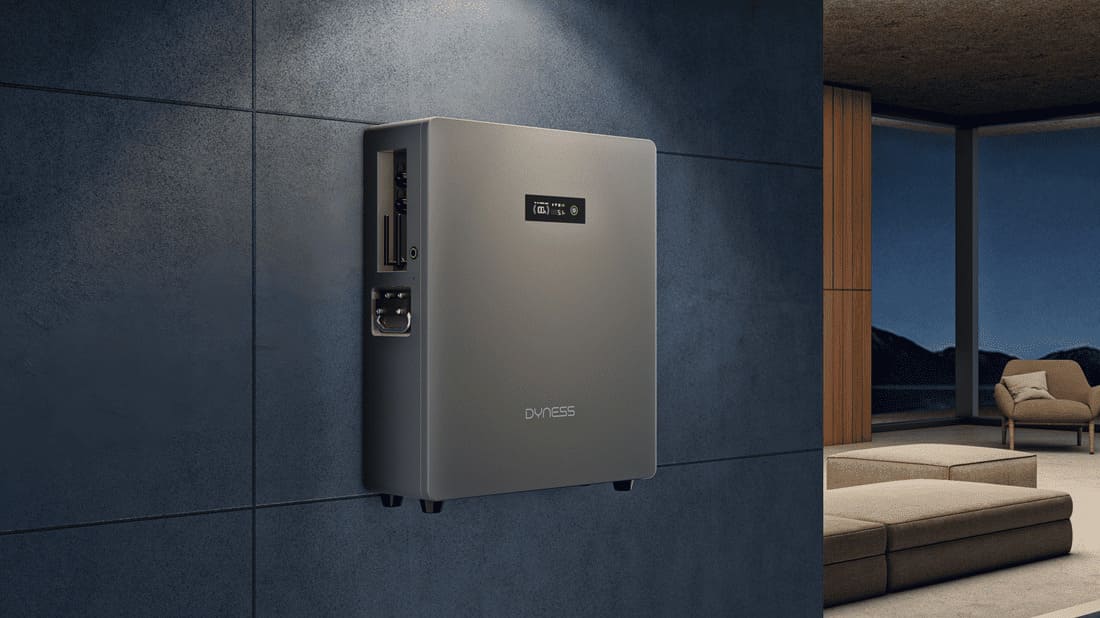
For example, AquaVolt uses an integrated Plug-in All-in-one ESS design that reduces the number of installation steps. SolarCube 2 uses a Plug-in Stackable ESS architecture, allowing users to configure capacity more flexibly according to household needs.

What Determines the Actual Installation Time?
There is no single installation time that applies to every balcony energy storage project. The actual setup process depends on several practical factors.
| Factor | Impact |
|---|---|
| Integrated vs modular design | Highly integrated systems may reduce installation complexity, while modular systems provide more flexibility. |
| Existing Balcony PV system | Adding storage to an existing PV setup may require different connection steps compared with a complete new installation. |
| Installation location | Available space, ventilation, weather protection, and accessibility affect deployment efficiency. |
| Network and system configuration | Monitoring setup, communication connection, and commissioning requirements influence the final setup process. |
Common Misunderstandings About Balcony ESS Installation
Misconception 1: Plug-in Balcony ESS requires the same complicated installation as traditional ESS.
Reality: Many Plug-in Balcony ESS products are designed to simplify deployment. However, users still need to follow product requirements and local electrical regulations.
Misconception 2: The system can operate immediately after opening the package.
Reality: Basic connections, configuration, and system checks are normally required before regular operation.
Misconception 3: Faster installation always means better installation.
Reality: Installation speed is important, but correct wiring, safe configuration, and proper commissioning are equally important for long-term reliability.
Misconception 4: Adding more battery capacity later requires replacing the entire system.
Reality: For systems that support modular expansion, additional battery capacity can usually be added according to approved expansion methods without rebuilding the complete installation.
Who Is Suitable for Plug-in Balcony Energy Storage?
Plug-in Balcony ESS solutions are especially suitable for households looking for a simpler way to improve solar utilization and introduce energy storage into daily life.
| Suitable Scenarios | Less Suitable Scenarios |
|---|---|
|
|
Final Takeaway
The time required to set up a Balcony Energy Storage System depends on more than the product itself. Installation environment, system design, connection requirements, and commissioning steps all influence the final deployment process.
With integrated designs and modular architectures, Plug-in Balcony ESS solutions such as AquaVolt and SolarCube 2 help reduce the complexity of adopting residential energy storage.
For homeowners, the best approach is not simply choosing the fastest installation option, but selecting a system that matches their solar setup, energy needs, and long-term usage goals while ensuring safe and reliable operation.
FAQ
-
Q: How long does it usually take to install a Plug-in Balcony ESS?

A: The installation time depends on the product design, installation environment, existing PV setup, and commissioning requirements. Systems with integrated plug-and-play designs can usually simplify installation when conditions are suitable.
-
Q: Can I install a Plug-in Balcony ESS by myself?
A: Some products are designed for simplified installation, but whether self-installation is allowed depends on the product instructions and local regulations. Professional support may still be required for certain configurations.
-
Q: Does a Balcony Energy Storage System work immediately after unboxing?
A: Usually, some basic steps are still required, including connection, configuration, and system checks before normal operation.
Learn More