
























How Does Dyness C&I Energy Storage Help Factories with Peak Shaving and Valley Filling?


Get notified about new updates, products, tips and tutorials. No spam.
For many manufacturing companies, electricity costs are not driven only by total energy consumption. Short periods of high power demand can also increase peak-hour electricity costs or demand charges.
Dyness C&I energy storage systems help factories reduce grid power draw during peak periods by charging during off-peak hours, discharging during high-load periods, absorbing surplus solar power, and supporting real-time demand control. Instead of changing production schedules, the system helps shift when electricity is drawn from the grid, making factory energy use more flexible and cost-efficient.

What Peak Shaving and Valley Filling Mean for Factories
Peak shaving and valley filling are two connected energy management strategies for factories and commercial sites.
Valley filling means charging the energy storage system during low-load or low-price periods. This may happen when electricity prices are lower, factory demand is relatively low, or rooftop solar PV produces surplus power.
Peak shaving means discharging the stored energy when factory load rises or when electricity prices enter a peak period. During this process, production equipment can continue operating normally, but part of the required power is supplied by the energy storage system instead of the grid.
In simple terms, peak shaving and valley filling do not mean reducing production. They mean charging when electricity is cheaper or load is lower, and discharging when electricity is more expensive or load is higher.
This is especially important for factories under time-of-use tariffs or demand charge mechanisms. Even if total monthly electricity consumption remains similar, a short high-power event may raise the recorded maximum demand and increase the electricity bill.
How Dyness C&I Energy Storage Executes Peak Shaving
A Dyness C&I energy storage solution typically includes battery storage, PCS, EMS, protection devices, and a monitoring platform. The system can monitor factory load, grid power, battery SOC, solar PV generation, and electricity tariff periods to control charging and discharging automatically.
| Control Strategy | How It Works | Factory Value |
|---|---|---|
| Time-based charging and discharging | The EMS charges the battery during off-peak periods and discharges during peak-price periods according to preset schedules. | Reduces the proportion of high-price grid electricity used by the factory. |
| Real-time demand control | When grid power draw approaches a preset limit, the system increases battery discharge to cover part of the load. | Helps reduce maximum demand and manage short-term power peaks. |
| PV surplus charging | When rooftop PV generation exceeds real-time factory load, surplus solar power can charge the battery. | Improves PV self-consumption and stores low-cost solar energy for later use. |
| SOC reserve management | The EMS manages battery SOC based on load patterns, production plans, and expected peak periods. | Avoids discharging too early and reserves capacity for the most valuable peak events. |
| Cloud monitoring and strategy optimization | Operators can review load curves, charging records, discharging records, and peak data through monitoring tools. | Supports continuous adjustment as production schedules, seasons, tariffs, and PV output change. |
For factories with relatively fixed tariff periods and stable production schedules, time-based strategies can be effective. For factories with irregular peak loads, real-time demand control is often more important because it responds directly to actual grid power draw.
How to Size a C&I Storage System for Peak Shaving
The success of factory peak shaving depends on matching both power and energy. PCS power determines how much load can be shaved at one time, while battery capacity determines how long the system can continue shaving that load.
For example, if a factory wants to reduce a 1,000 kW peak to 800 kW, the energy storage system needs to provide about 200 kW of discharge power during that peak period. If the peak lasts 15 minutes, the required energy is much lower than if the same peak lasts two hours.
| Sizing Factor | Why It Matters |
|---|---|
| Peak power to be reduced | Determines the required PCS discharge power. |
| Peak duration | Determines how much usable battery capacity is needed to sustain peak shaving. |
| Peak-valley price spread | A larger tariff difference usually creates more room for energy cost optimization, but efficiency losses and battery degradation should also be considered. |
| Demand charge mechanism | Maximum demand billing, contracted demand, and transformer-capacity billing may require different peak shaving logic. |
| Charging window | The system must recover enough SOC before the next peak period arrives. |
| Load forecasting | Better forecasting helps prevent early discharge and ensures stored energy is used during the most valuable peak periods. |
Only analyzing daily electricity consumption is not enough for a peak shaving project. The project should evaluate historical load curves, target peak reduction power, peak duration, tariff mechanism, charging window, PV generation, and backup requirements.
Which Dyness Solutions Fit Factory Peak Shaving?
Dyness product selection should be based on whether the factory already has PV, whether off-grid or backup operation is required, and the project’s target power and capacity.
| Project Scenario | Possible Dyness Direction | Selection Focus |
|---|---|---|
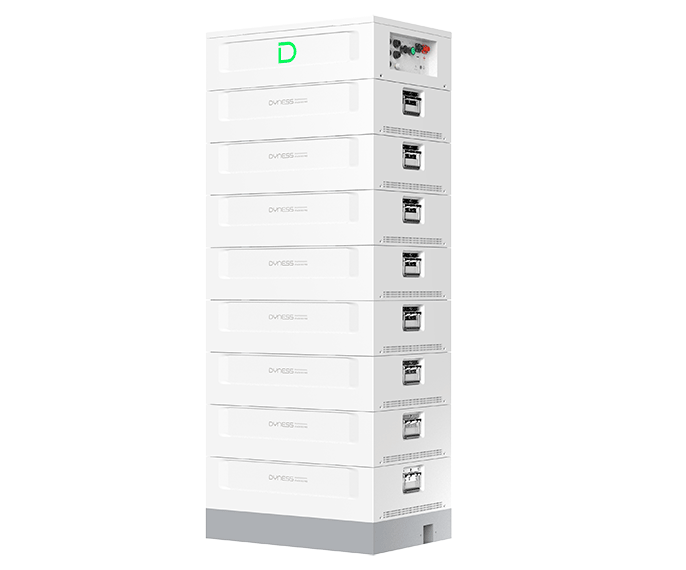
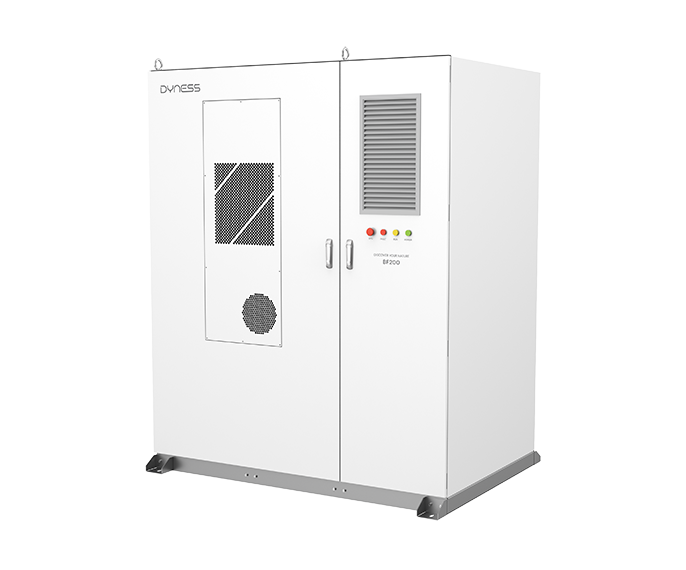
| Existing rooftop PV with storage retrofit | BF Series or suitable inverter-matched battery solution, depending on inverter brand, DC voltage range, and target capacity. | PV surplus recognition, inverter compatibility, battery expansion capability, and EMS communication with the existing system. |
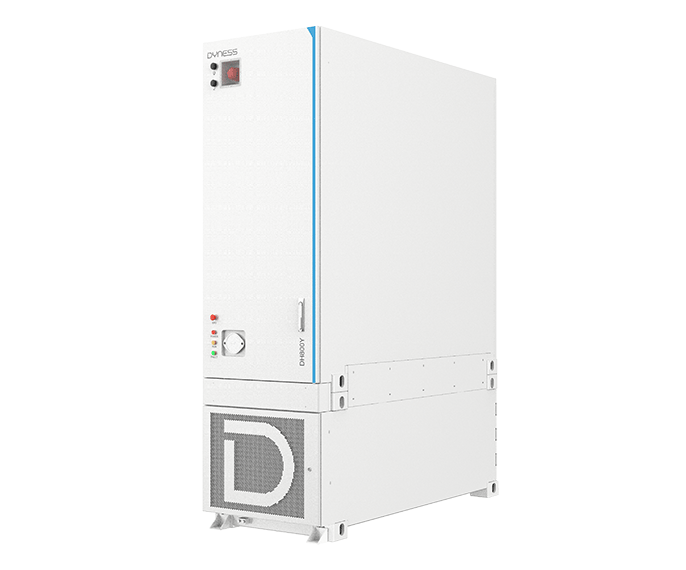
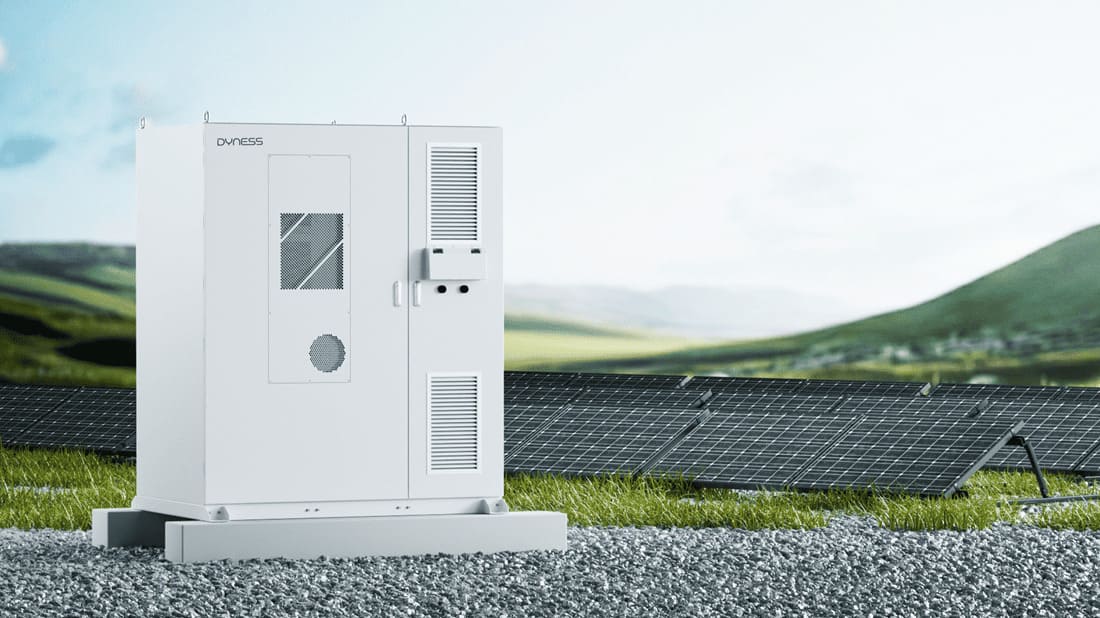
| Grid-connected peak shaving and PV self-consumption | DH200Y-C260 or suitable cabinet-type C&I storage solution. | Peak-valley arbitrage, demand control, PV absorption, and grid-connected operating strategy. |
| Projects requiring both grid-connected and off-grid capability | DH200F-C260 or another configuration that supports the required operating mode. | Backup requirements, critical loads, grid-connection rules, EMS strategy, and PCS matching. |
The product model alone does not determine peak shaving performance. The most important factors are whether the storage rated power can cover the target peak reduction, whether usable capacity can support the peak duration, whether the EMS can execute demand control and tariff strategies, and whether the system supports future expansion.
Final product selection should always be confirmed according to project access mode, load profile, PV condition, local grid requirements, inverter compatibility, and Dyness technical documentation.

Final Takeaway
Factory peak shaving and valley filling are not simply about installing a battery. The core is to identify real load peaks and release limited stored energy during the most valuable periods.
For factories under time-of-use tariffs or demand charge mechanisms, Dyness C&I energy storage can help reduce peak grid power draw through off-peak charging, peak-period discharging, real-time demand control, and PV-storage coordination.
Before deployment, factories should analyze historical load curves, target peak power reduction, peak duration, tariff rules, charging windows, PV surplus, and backup requirements. The PCS power and battery capacity should then be selected according to the real peak shaving goal.
When product configuration, EMS strategy, and factory load behavior are properly matched, peak shaving and valley filling can become a long-term and sustainable source of energy cost optimization.
FAQ
-
Q: Can C&I energy storage really reduce factory electricity bills?
 A: Yes, when the factory has time-of-use price differences, clear load peaks, or demand charge exposure. Energy storage reduces high-price grid purchases and helps lower grid-side peak power, rather than simply reducing total electricity consumption.
 -
Q: How does Dyness C&I energy storage control maximum demand?
A: The EMS continuously monitors grid power draw. When factory demand approaches a preset threshold, the system controls the PCS to discharge, allowing the battery to supply part of the load and reduce the maximum demand recorded on the grid side.
-
Q: How do I determine the right size for a peak shaving system?
A: The project should calculate both target shaving power and peak duration. PCS power should cover the required peak reduction, while usable battery capacity should support the duration of the peak. Efficiency, SOC range, backup reserve, and future expansion should also be considered.
Learn More