
























Which Inverter Brands Are Compatible with STACK100, and How Is the System Safely Connected?


Get notified about new updates, products, tips and tutorials. No spam.
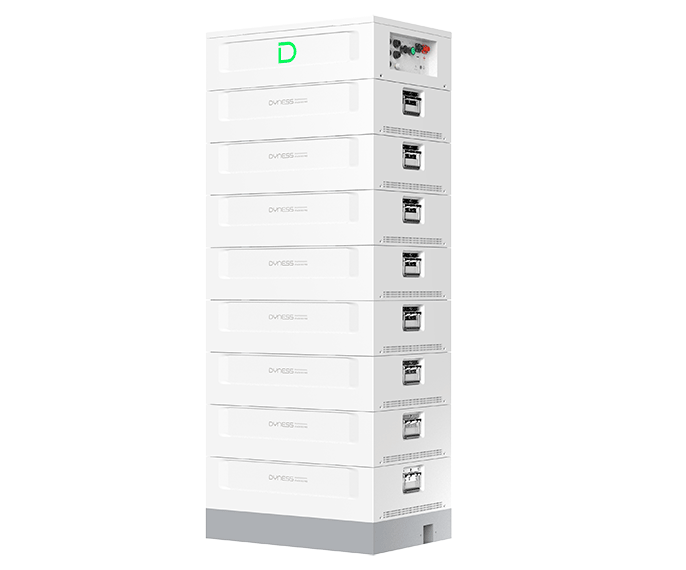
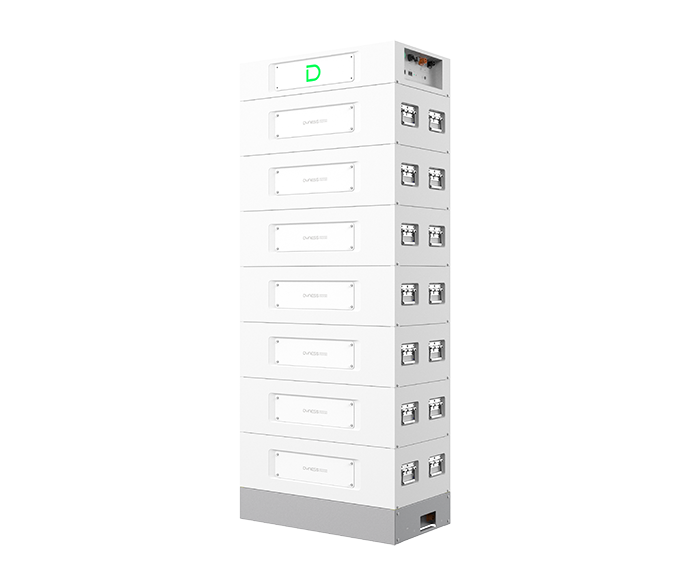
An efficient energy storage system depends not only on battery performance, but also on how well the battery communicates and works with the inverter. Dyness STACK100 is a high-voltage modular energy storage solution designed for large residential and small C&I applications, with compatibility across selected mainstream inverter brands and system configurations.
Through BMS communication, high-voltage DC connection, modular stacking, and standardized installation logic, STACK100 helps users and installers build a safer and more stable energy storage system. Final compatibility should always be confirmed according to the latest Dyness compatibility list, inverter firmware version, regional requirements, and qualified installer guidance.

Why Inverter Compatibility Matters for STACK100
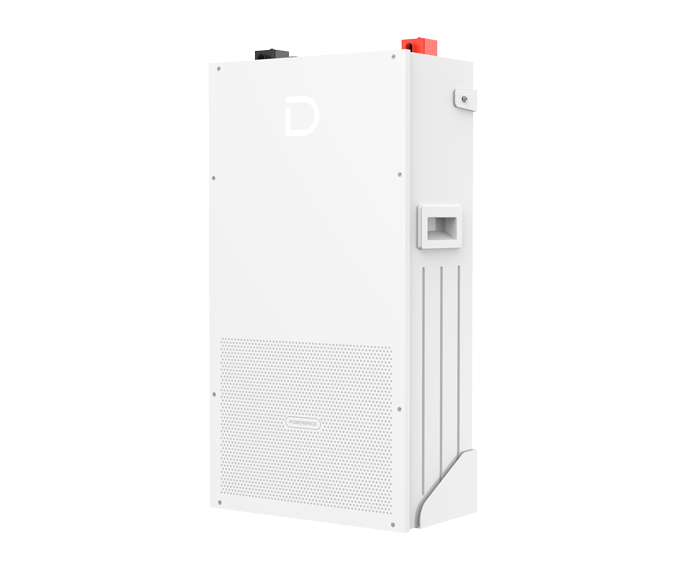
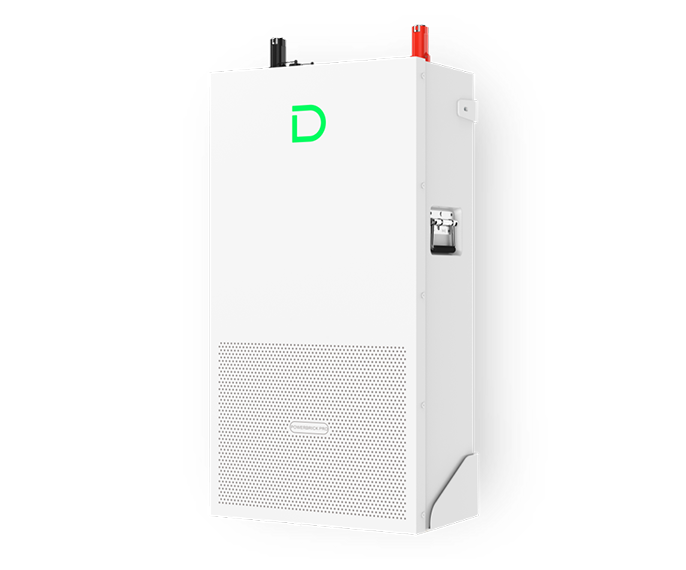
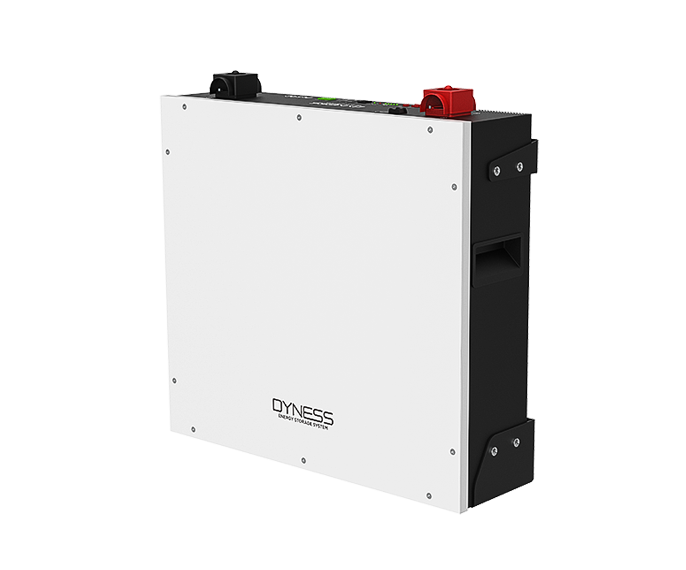
STACK100 is a high-voltage, modular energy storage system designed for scenarios that require larger capacity, stronger power support, and reliable system coordination. In this type of system, the inverter is not only a power conversion device. It is also the key interface between the battery, loads, PV system, and grid.
For STACK100 to operate safely and efficiently, the battery and inverter must communicate correctly. This communication allows the inverter to read important battery information such as SOC, voltage, current, temperature, charge limits, discharge limits, alarms, and protection status.
This is why inverter compatibility is not simply about whether the voltage range matches. The more important factor is whether the inverter and STACK100 BMS can communicate through an approved protocol such as CAN or RS485.
When compatibility is correctly configured, the system can support smoother charging and discharging, safer protection logic, better operating stability, and more reliable energy management for high-load homes and small C&I projects.

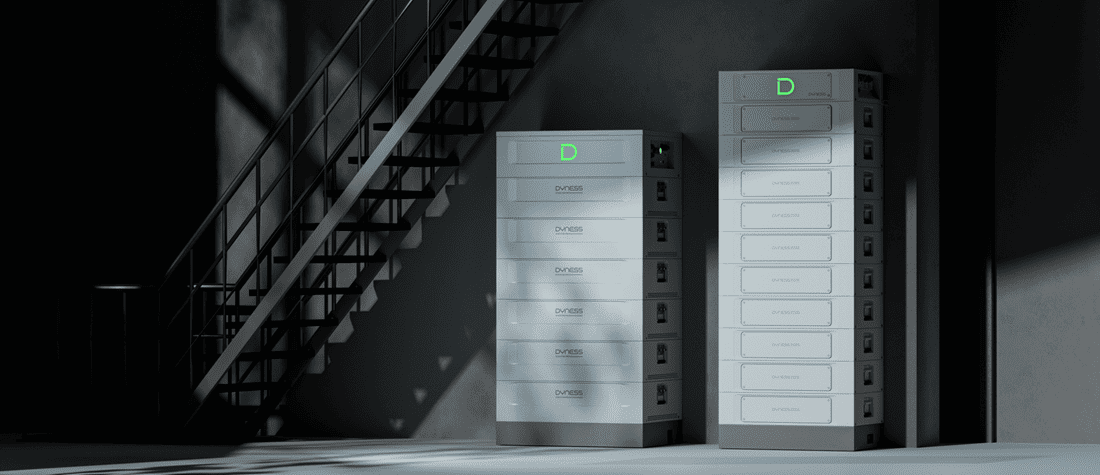
STACK100 Compatible Inverter Brand Ecosystem
STACK100 is designed to work with selected high-voltage hybrid and energy storage inverters from mainstream inverter brands. Based on Dyness compatibility documentation, STACK100 can be matched with multiple inverter brands and product families, depending on model, firmware version, region, and project configuration.
| Inverter Brand | Typical Compatible Direction | Application Notes |
|---|---|---|
| GoodWe | Selected high-voltage residential and commercial storage inverter series, such as ET and WIT series. | Suitable for larger residential systems and C&I storage projects where supported by the official compatibility list. |
| Deye | Selected three-phase high-voltage hybrid inverter models. | Can be considered for high-load homes, micro-enterprises, and grid/off-grid switching scenarios depending on system design. |
| Growatt | Selected high-voltage three-phase storage inverter series, including WIT series models where applicable. | Suitable for larger PV-storage projects and C&I-oriented energy storage configurations. |
| Solis | Selected single-phase and three-phase high-voltage storage inverter models. | Applicable to residential and light commercial projects, depending on battery-inverter matching and firmware version. |
| Sunways | Selected high-voltage storage inverter models across residential and C&I power ranges. | Useful where installers need flexible high-voltage inverter options for different system scales. |
| Senergy | Selected hybrid inverter models for high-voltage storage applications. | Can support residential and small C&I storage projects when configured according to official guidance. |
| Other selected brands | Solinteg, Sinexcel, Sineng, Sermatec, Kostal, and other approved inverter brands where listed. | Installers should verify the exact inverter model, firmware version, and communication protocol before project design. |
Because inverter firmware and compatibility lists may be updated over time, installers should always check the latest Dyness compatibility documentation or contact Dyness technical support before confirming a project configuration.
How STACK100 Is Safely Connected to the Inverter
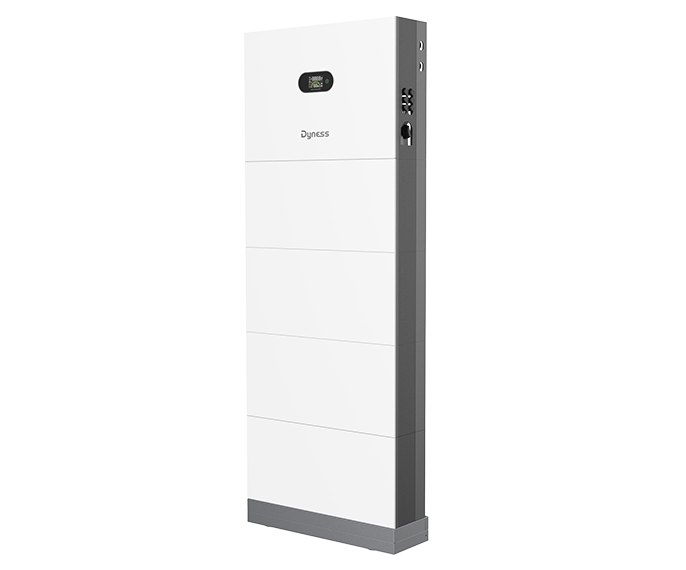
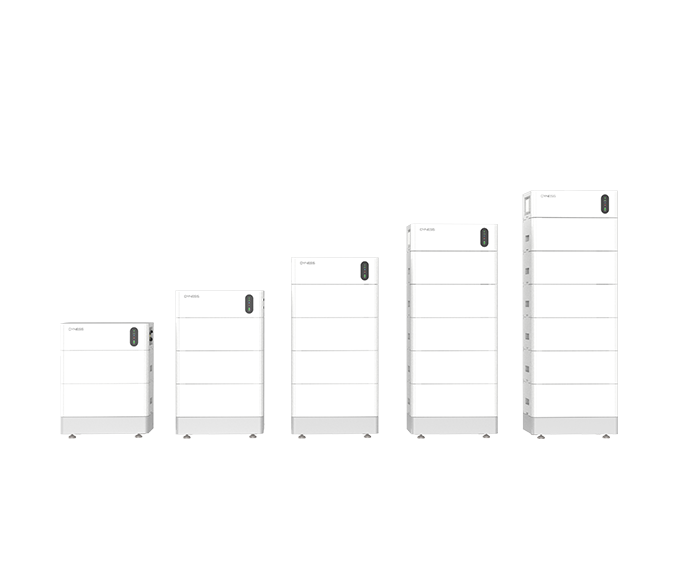
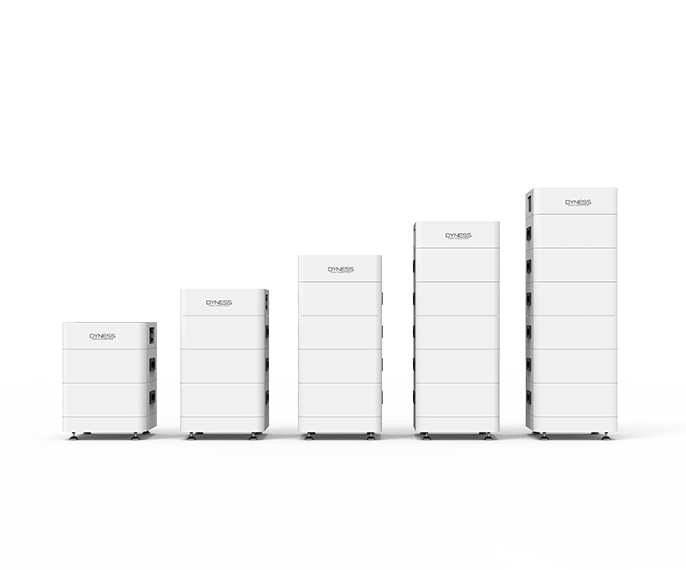
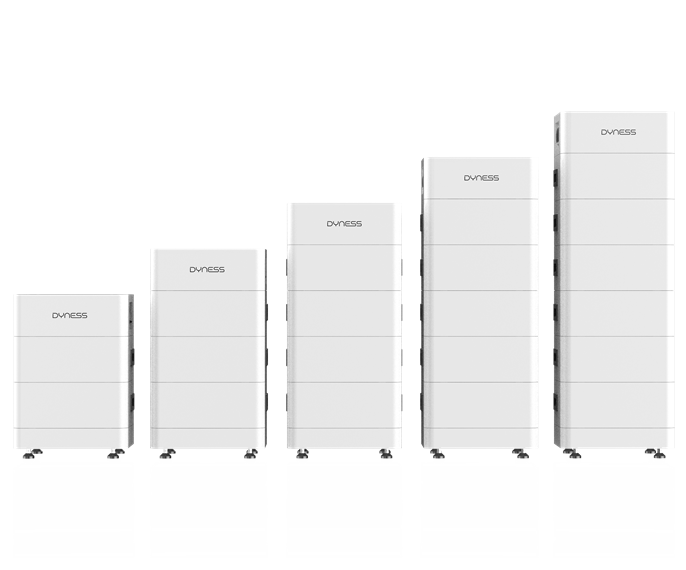
STACK100 is designed around modular stacking and standardized electrical connection. This helps simplify on-site installation and reduce connection errors when the system is installed by qualified professionals.
Physical stacking and internal connection.
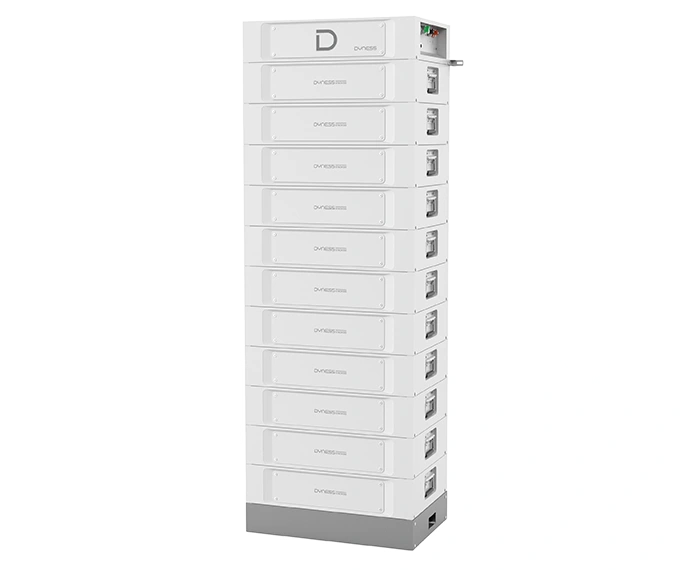
STACK100 battery modules use a modular stackable structure. During vertical stacking, the internal power bus and communication connection can be established through the system’s plug-and-play architecture, reducing the need for complex wiring between battery modules.
High-voltage DC connection.
The battery cluster is connected to the high-voltage inverter through the DC positive and negative terminals from the battery control unit or system control box. The high-voltage DC cables must be connected to the inverter battery input terminals according to the official wiring diagram and safety requirements.
BMS communication connection.
The BMS communication port, typically using CAN or RS485 through an RJ45 interface, connects STACK100 to the inverter’s BMS communication port. This communication link is essential because it allows the inverter and battery system to exchange real-time operating data.
Protocol and DIP switch setting.
For different inverter brands, the correct communication protocol must be selected according to official Dyness guidance. In supported configurations, DIP switch settings or software settings may be used to match the inverter brand protocol, ensuring that the battery and inverter can communicate in the same language.
Because STACK100 is a high-voltage energy storage system, installation should only be carried out by qualified installers following Dyness manuals, inverter manuals, local electrical codes, and required safety procedures.
Common Misunderstandings About STACK100 Inverter Connection
Myth 1: Any high-voltage inverter can connect directly to STACK100.
Not necessarily. Voltage range is only one requirement. BMS communication protocol compatibility is equally important. Even if an inverter is high-voltage, it may not operate correctly with STACK100 unless the model, firmware, communication protocol, and settings are approved.
Myth 2: If the inverter brand is on the list, every model is automatically compatible.
Compatibility is usually model-specific and firmware-specific. Installers should confirm the exact inverter model, software version, battery protocol, and regional configuration before installation.
Myth 3: A larger inverter always requires STACK100 to be configured at maximum capacity.
STACK100 supports flexible modular capacity configuration. The system does not always need to be built to maximum capacity. However, the total discharge capability of the battery cluster should be matched with the inverter’s charge and discharge requirements to avoid limiting system output.
Myth 4: Communication is optional if the DC wiring is correct.
For a high-voltage battery system, BMS communication is not optional. The inverter needs battery data and protection information to manage charging and discharging safely. A system without proper communication may fail to start or enter protection mode.
Final Takeaway
STACK100 compatibility is built around both electrical matching and communication matching. A safe and efficient system requires the right inverter model, correct high-voltage DC connection, reliable BMS communication, proper protocol settings, and professional installation.
Dyness STACK100 can work with selected mainstream inverter brands such as GoodWe, Deye, Growatt, Solis, Sunways, Senergy, and other approved brands, depending on the exact model and configuration.
For installers and project owners, the most important step is to verify compatibility before installation. Always check the latest Dyness compatibility list, confirm inverter firmware version, follow official wiring guidance, and ensure that all high-voltage connections are completed according to local safety standards.
FAQ
-
Q: What cables should be used when connecting STACK100 on site?

A: Because STACK100 is a high-voltage platform, installers should use original or officially specified high-voltage DC power cables and communication cables. Connectors must be fully locked, correctly polarized, and installed according to the official manual to maintain insulation, sealing, and electrical safety.
-
Q: How does STACK100 connect to a high-power inverter in a multi-cluster system?
A: In a multi-cluster configuration, each STACK100 battery cluster should be connected according to official Dyness system design guidance. Communication and power connections may require a centralized control unit, combiner box, or hub depending on the configuration. This helps coordinate charging, discharging, protection logic, and system consistency across multiple clusters.
-
Q: Can I connect STACK100 to an inverter without BMS communication?
A: No. STACK100 is a high-voltage energy storage system and must communicate with the inverter through BMS communication such as CAN or RS485. This allows the inverter to read battery voltage, temperature, SOC, alarms, charge limits, and discharge limits. Without proper communication, the system may not start or may enter protection mode.
Learn More