
























Is Balcony Storage Suitable for Local Grid Regulations?


Get notified about new updates, products, tips and tutorials. No spam.
A balcony storage system can be a practical way to increase solar self-consumption, but whether it can be plugged directly into a household socket depends on the system design and local electrical rules. A plug-and-play design can simplify installation, but it does not automatically mean that grid connection, registration, or electrical requirements no longer apply.
Germany is a good example. Under the current rules, qualifying Steckersolargeräte can benefit from simplified requirements, with a maximum module output of 2,000 W and a total inverter output of 800 VA. These simplified rules do not mean that every balcony battery system automatically falls into the same category. The actual system architecture, connection method, and operating mode need to be checked.
For any grid-connected installation, users should check the applicable local requirements, inverter certification, protection functions, and approved configuration before installation.

Why Does This Matter for Balcony Storage?
Traditional home energy storage often requires a dedicated installation involving a battery, inverter, and electrical distribution equipment. Balcony storage aims to make solar energy more accessible by using a compact system that can work with an existing PV setup.
This is particularly useful for households that already have balcony solar but still consume electricity after sunset. Instead of exporting all excess solar generation during the day, energy can be stored and used later.
The same principle can also apply beyond balconies. Depending on local conditions, solar panels and compact storage may be used around gardens, fences, terraces, or other suitable areas.
However, the more the system interacts with the household electrical network, the more important it becomes to understand how it is connected and controlled.
How Does Plug-in Balcony Storage Work?
A typical setup works in three stages:
1. Solar generation: PV modules produce electricity during daylight hours.
2. Energy storage: Household loads use solar power first, while suitable surplus can be stored in the battery.
3. Later use: Stored energy can support household loads when solar production falls.
The battery management system, or BMS, monitors battery status and safety, while the energy management system, or EMS, can coordinate solar generation, household consumption, battery charging, and discharging.
For AC-coupled systems, the storage system works on the AC side of the installation and can potentially integrate with compatible microinverters. Compatibility should always be confirmed using the latest approved device list.
Plug-in Does Not Mean “No Grid Requirements”
One of the most common misunderstandings is assuming that a system is automatically exempt from grid requirements simply because it uses a household socket.
In Germany, qualifying plug-in solar devices can benefit from simplified notification rules. Since May 2024, eligible Steckersolargeräte within the applicable limits generally no longer require separate notification to the grid operator, but they still need to be registered in the Marktstammdatenregister, or MaStR.
The technical requirements also continue to matter. VDE-AR-N 4105 is the German technical connection rule for generation systems connected to the low-voltage grid, and its 2026 edition includes updated requirements and simplified provisions for certain small generation and storage systems.
Therefore, before connecting a balcony storage system, check:
- Is the system approved for the local grid?
- What is the inverter's rated output?
- Is the inverter compatible with the existing microinverter?
- Are the required grid protection functions available?
- Does the installation require registration or notification?
- Is the household circuit suitable for the intended configuration?
Which Users Can Benefit Most?
Balcony storage can be worth considering for users who:
- Already have balcony PV and want to increase solar self-consumption.
- Use a significant amount of electricity in the evening.
- Want to make better use of time-of-use or dynamic electricity tariffs.
- Need limited backup power for selected household loads.
- Want a compact alternative to a larger whole-home storage system.
It may require additional assessment if the home has high-power loads such as EV chargers or heat pumps, if the electrical installation is old or unclear, or if the proposed system requires distribution-board modifications.
What to Check Before Installation
| Checkpoint | Why It Matters | What to Confirm |
|---|---|---|
| Inverter output | Determines grid interaction. | Rated power and local limits. |
| PV system | Determines available energy. | PV capacity and microinverter model. |
| AC coupling | Affects system integration. | Approved connection architecture. |
| Electrical installation | Affects safety. | Circuit, protection, and wiring. |
| Local regulations | Determines compliance. | Grid operator and national rules. |
| Registration | May be mandatory. | Applicable local registration process. |
| Backup loads | Determines usable power. | Load type and required output. |
What Works Well
A compact balcony storage system can provide several practical benefits when correctly configured:
- Start with a right-sized system: Capacity can be matched to actual household consumption.
- Improve solar self-consumption: Excess daytime generation can be stored for later use.
- Support flexible energy management: Smart scheduling can respond to time-of-use or dynamic tariffs.
- Add backup capability: Fast transfer can help support selected loads during outages.
- Use existing PV infrastructure: AC coupling can simplify integration where compatibility is confirmed.
What May Not Work as Expected
Storage is not automatically beneficial in every installation.
Oversizing the battery may leave a large portion of capacity underused if the PV system cannot regularly recharge it.
Ignoring inverter limits can create an unsuitable system configuration, even when the battery itself has sufficient capacity.
Assuming all microinverters are compatible can lead to communication or operational problems. Compatibility should be checked against the latest Dyness documentation.
Treating off-grid and grid-connected operation as the same is another common mistake. A system may have an independent backup output, but that does not mean it can be connected to the household grid in any configuration.
Common Mistakes to Avoid
Mistake 1: “It plugs into a socket, so no approval is needed.”
A plug-in connection does not by itself determine regulatory status. Check the complete system architecture and applicable local rules.
Mistake 2: Choosing capacity before checking energy consumption.
A 5 kWh battery may be a useful starting point for some households, but the right capacity depends on PV generation, daily consumption, and evening loads.
Mistake 3: Connecting an existing microinverter without checking compatibility.
AC-coupled systems require compatible equipment and an approved configuration. Do not assume that physical connection means functional compatibility.
Mistake 4: Treating DIY installation as DIY electrical engineering.
Plug-and-play design can simplify setup, but electrical safety, grid connection, and any modifications to fixed wiring should follow local requirements and, where necessary, be assessed by a qualified installer.
Where Does Dyness AquaVolt Fit?
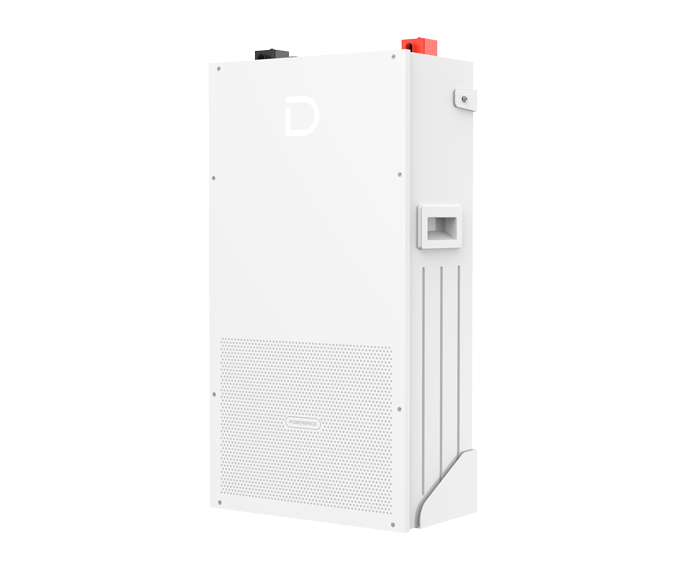
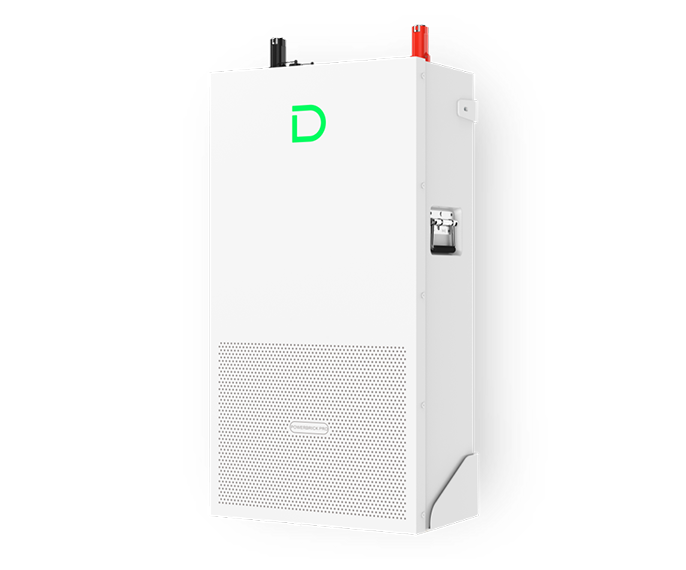
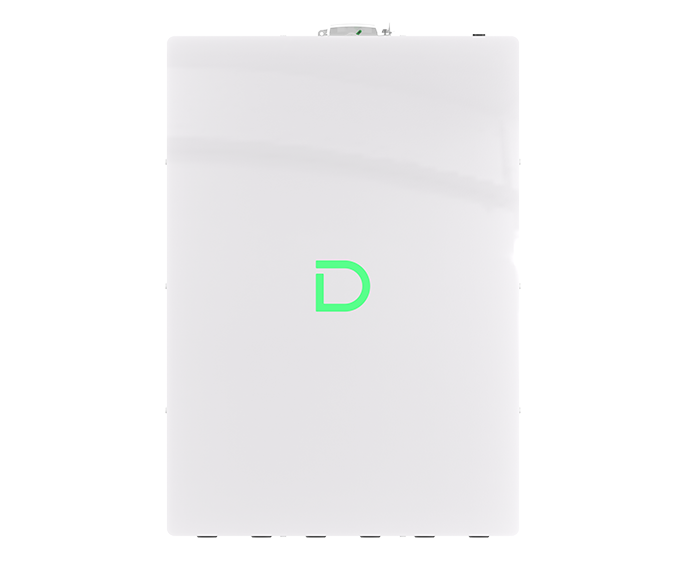
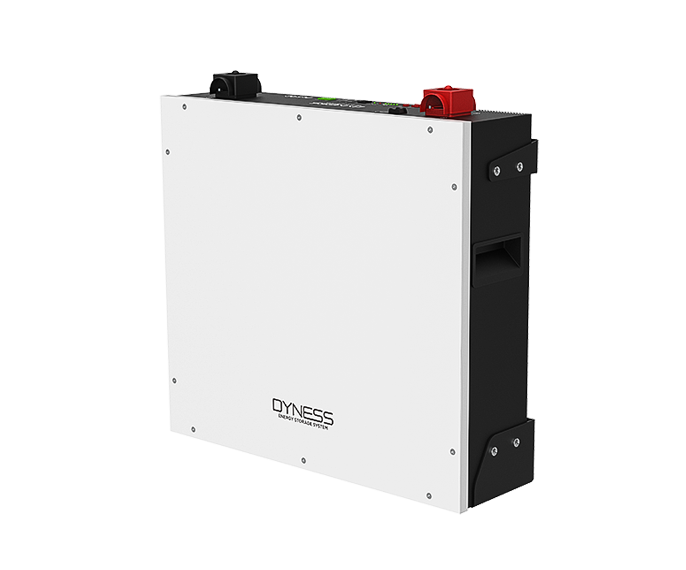
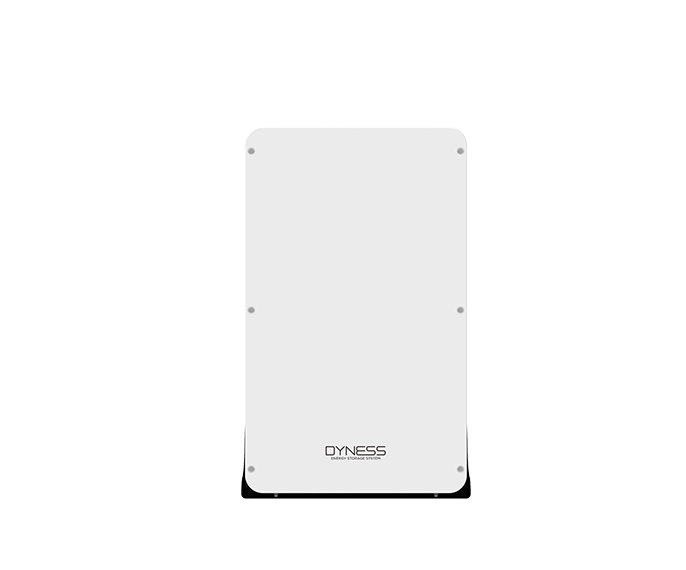
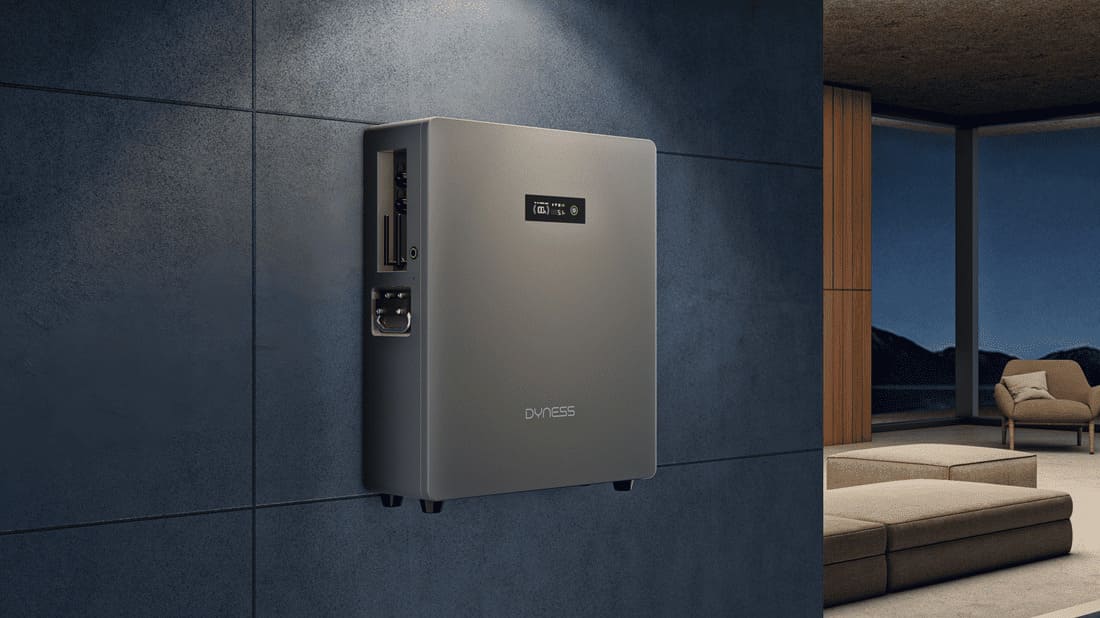
For households looking to add compact storage to an existing solar setup, Dyness AquaVolt is designed around flexible, residential-scale applications.
AquaVolt provides a 5.12 kWh base capacity, with continuous charge/discharge power of 2.5 kW or 3.6 kW depending on the model. Its AC-coupled architecture is designed to work with compatible microinverters, making it a potential option for upgrading existing PV systems without redesigning the entire installation.
For energy management, AquaVolt supports P1, IR readers, or smart meters for real-time consumption monitoring. It can also support time-of-use and dynamic tariff strategies, helping households align charging and discharging with their energy needs.
For backup applications, AquaVolt supports transfer switching within 10 ms. In off-grid mode, the system can provide up to 4 kW peak output for 60 seconds, while continuous output can reach 3.6 kW depending on configuration.
AquaVolt documentation lists compliance with standards including EN 50549-1 and VDE-AR-N 4105. Actual compatibility, installation method, operating limits, and certification status should always be verified against the latest Dyness datasheet, approved compatibility list, and local requirements.

Final Takeaway
Balcony storage can make solar energy more useful by shifting excess daytime generation to periods when the household needs it most. Plug-and-play designs such as AquaVolt can make system integration more flexible, but easy installation should not be confused with automatic regulatory exemption.
Before purchasing, check four things first: local grid rules, inverter compatibility, electrical conditions, and the approved system configuration.
If any of these are unclear, consult a qualified installer or Dyness technical team before installation.
All installation, grid connection, safety, warranty, and product specifications should be verified against current local regulations, the latest official Dyness documentation, the applicable compatibility list, and the terms of the sales agreement.
FAQ
-
Q: Can I plug a balcony storage system directly into a wall socket?

A: Some systems are specifically designed for plug-and-play AC connection, but whether this connection method is permitted depends on the product architecture and local regulations.
-
Q: Does balcony storage need to be registered in Germany?
A: Requirements depend on the system configuration. Eligible Steckersolargeräte within the applicable limits must still be registered in the MaStR, even where separate notification to the grid operator is no longer required.
-
Q: Can I add storage to an existing balcony PV system?
A: Potentially, if the storage system, microinverter, and electrical configuration are compatible. Always check the approved compatibility list before purchase.
Learn More