
























How Grid-Scale Battery Energy Storage Systems Work


Get notified about new updates, products, tips and tutorials. No spam.
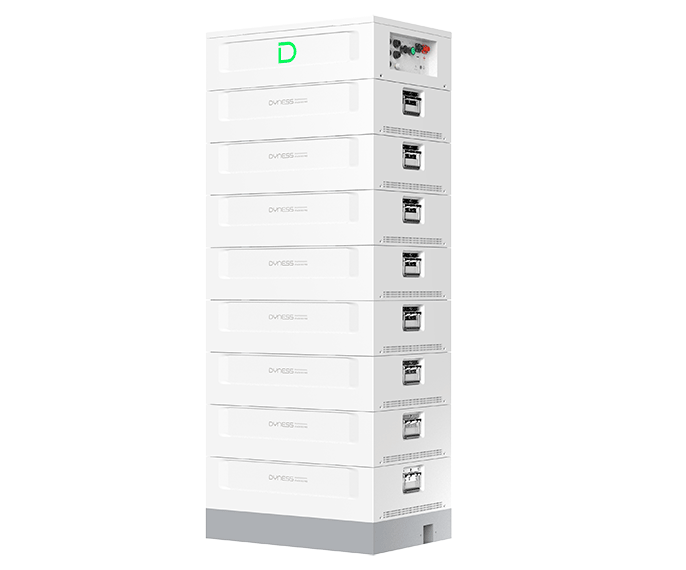
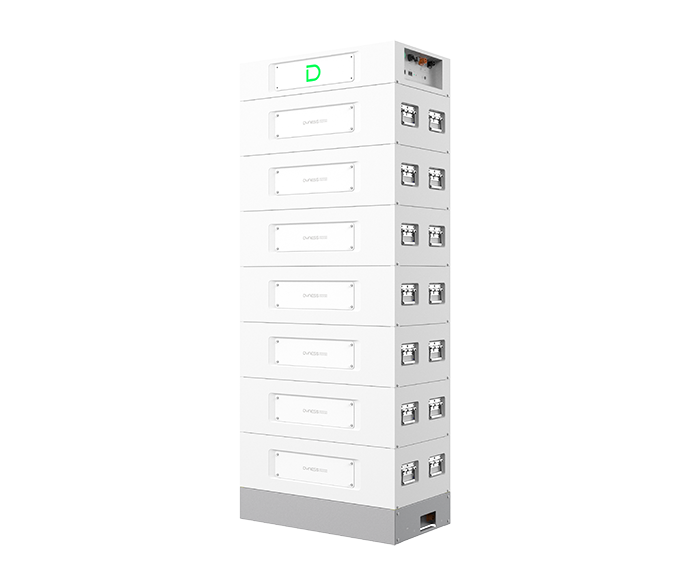
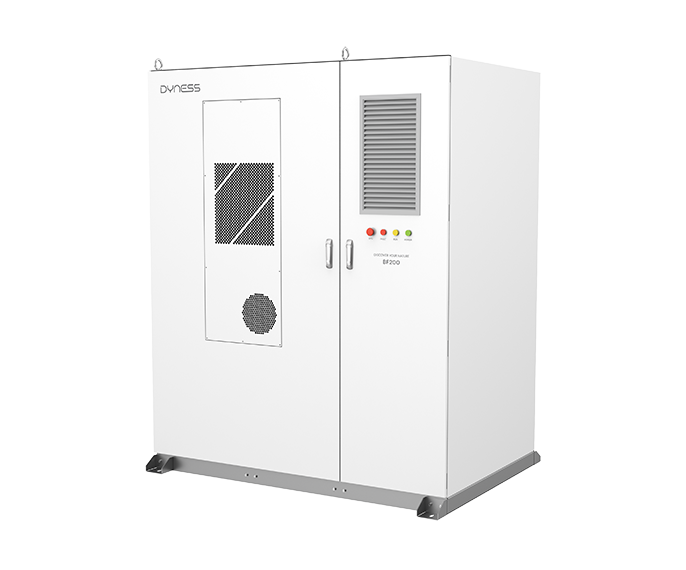
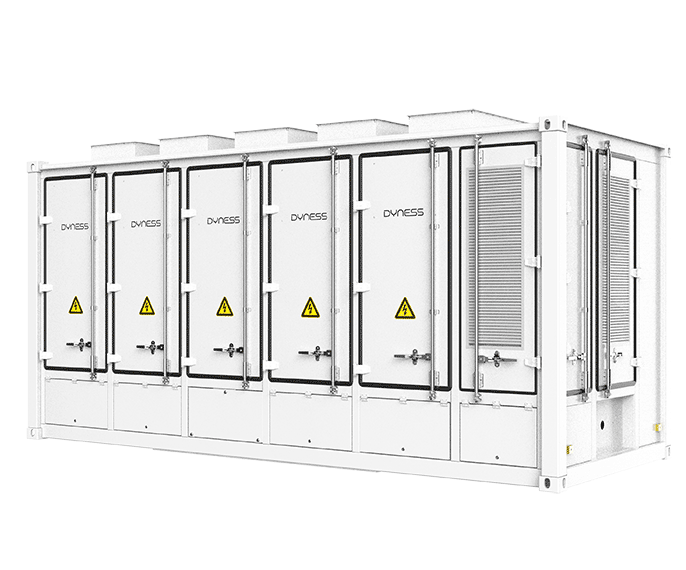
Connecting renewable energy sources like solar and wind to a national grid requires a precise balance of supply and demand, which is where we at Dyness step in with our specialized hardware. Since we are a dedicated battery energy storage system manufacturer, we focus on building robust infrastructure that helps utility providers manage fluctuating energy loads effectively. Battery energy storage systems act as a massive reservoir, absorbing electricity during periods of low demand and releasing it when the grid faces peak pressure. By utilizing high-density lithium iron phosphate cells, we ensure that these Battery energy storage systems can respond to grid signals in milliseconds, providing frequency regulation and voltage support that traditional power plants often struggle to match. As a battery energy storage system manufacturer, we prioritize the integration of intelligent control systems that allow our B2B partners to automate the charging and discharging cycles based on real-time market prices or grid stability requirements.

Integration of Power Conversion and Management
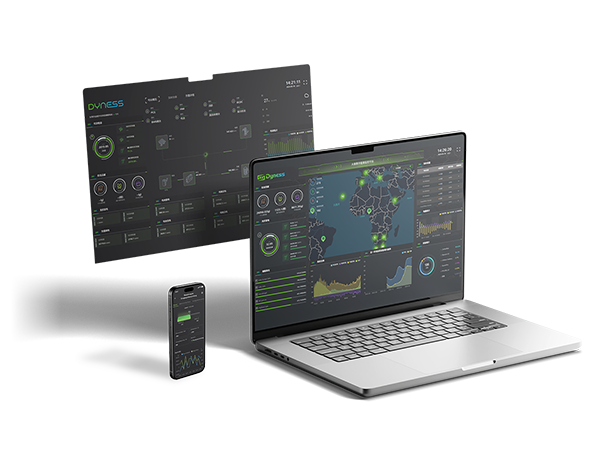
Inside each of our utility-grade installations, the transition from raw stored energy to usable grid power is a sophisticated process handled by the Power Conversion System (PCS). We design our Battery energy storage systems to work seamlessly with bi-directional inverters, which convert the DC power stored in our battery modules into the AC power required by the electric grid. As a battery energy storage system manufacturer, we also include an Energy Management System (EMS) in every unit to oversee the entire operation. This "brain" of the system monitors the state of charge and ensures that the Battery energy storage systems operate within safe thermal limits. For our B2B clients, this means we provide a turnkey solution where the hardware and software are perfectly synced. We have seen firsthand how this coordination prevents equipment wear and extends the operational life of the project. Being a battery energy storage system manufacturer allows us to customize these parameters to meet specific regional grid codes, ensuring our partners stay compliant without extra technical hurdles.
Advanced Thermal Control and Safety Layers
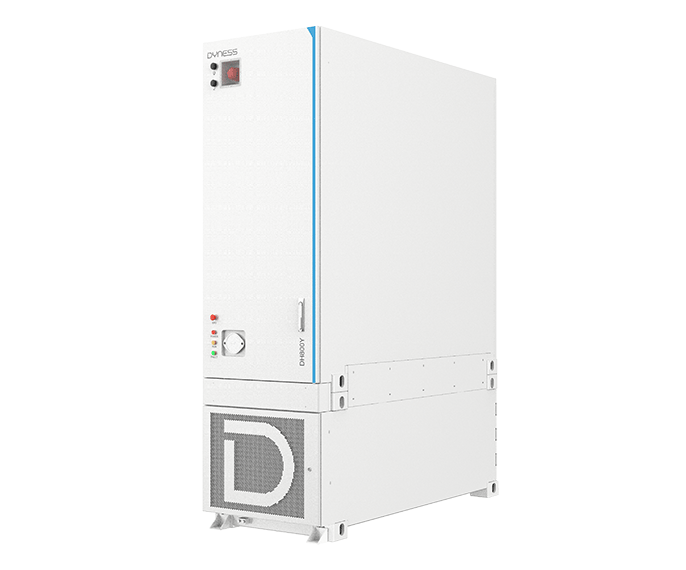
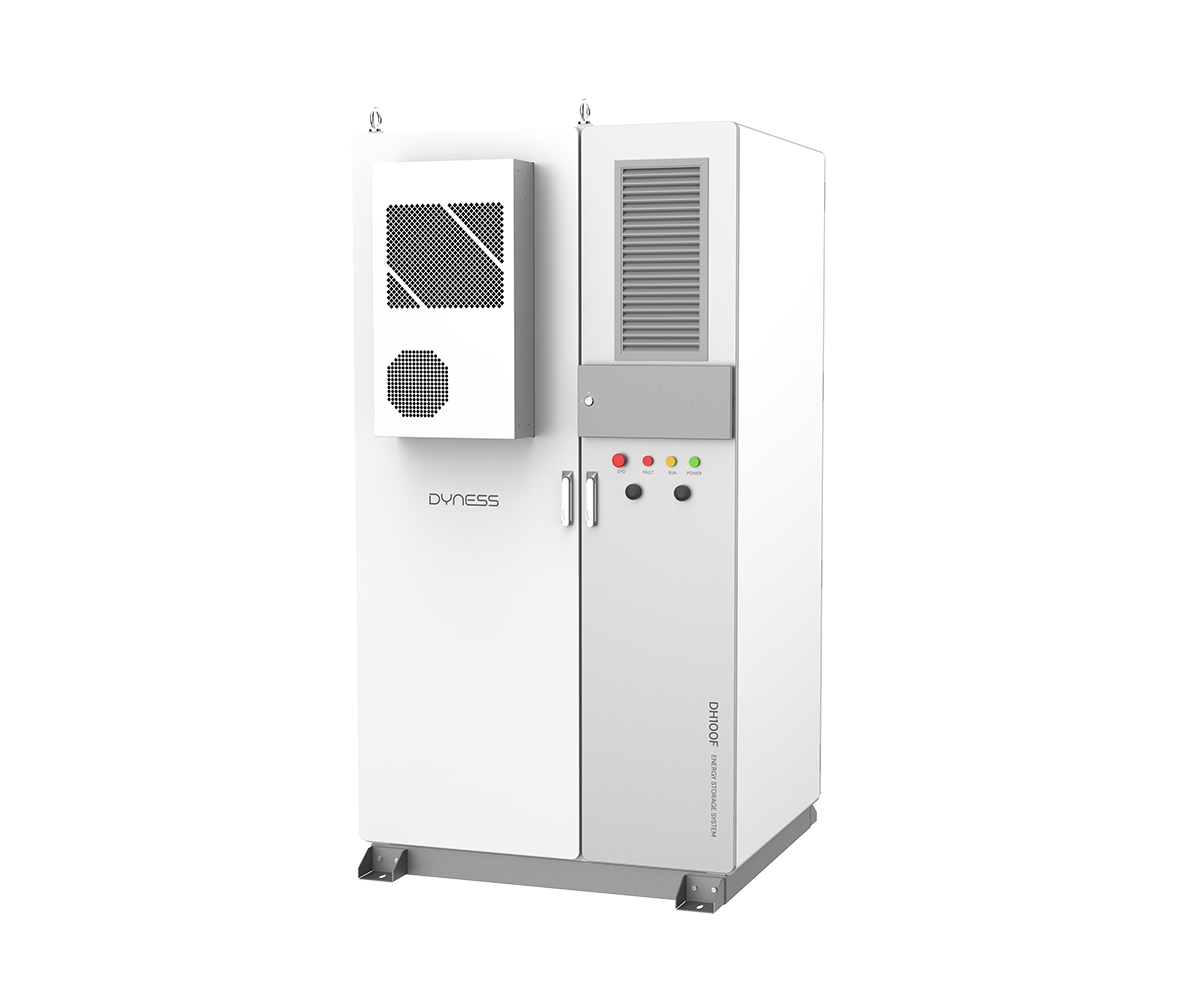
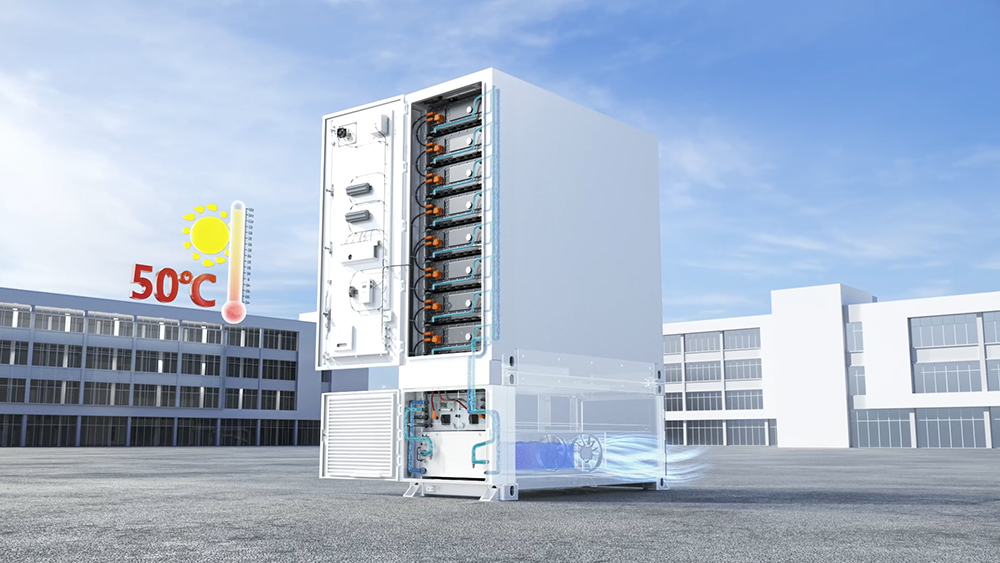
Reliability in large-scale energy projects is non-negotiable, especially when dealing with high-voltage environments. At Dyness, we implement liquid cooling technology in our Battery energy storage systems to maintain a consistent temperature across all battery clusters. This is a critical detail because a temperature difference of even a few degrees can impact the long-term health of the cells. As a battery energy storage system manufacturer, we build our enclosures to be weather-resistant and include three-level fire suppression strategies. Our Battery energy storage systems are equipped with sensors that detect smoke or heat at the pack level, allowing for localized intervention before a minor issue escalates. We understand that our B2B clients need systems that require minimal onsite maintenance, so we focus on modular designs. This way, if a single module needs attention, the rest of the Battery energy storage systems can continue to provide power to the grid, ensuring nearly zero downtime for the utility operator.

Maximizing Grid Efficiency and Commercial Value
The goal of implementing large-scale storage is to turn intermittent renewable energy into a "firm" or "peaking" capacity resource. We help our partners achieve this by offering Battery energy storage systems that can discharge at full power for several hours, effectively replacing expensive gas-fired peaking plants. As a battery energy storage system manufacturer, our role involves more than just shipping batteries; we provide the architectural foundation for a more resilient energy landscape. We often work on projects where our Battery energy storage systems are used for "black start" capabilities, providing the initial burst of power needed to restart a grid after a total failure. This level of utility-scale support is what defines us as a professional battery energy storage system manufacturer. We continue to refine our 314Ah cell technology and modular racks to ensure that every B2B project we support is both economically viable and technically superior.
FAQ
-
Q: What is a grid-scale battery energy storage system?

A: A grid-scale battery energy storage system is a large energy storage installation connected to the power grid. It stores electricity when generation exceeds demand and releases it when the grid requires additional power, helping support frequency regulation, voltage stability, renewable energy integration, peak capacity, and grid resilience.
-
Q: How does a grid-scale BESS support solar and wind energy integration?
A: A grid-scale BESS stores surplus electricity generated by solar and wind resources and dispatches it when renewable output falls or electricity demand rises. This reduces renewable curtailment, smooths fluctuations, and helps convert intermittent generation into a more predictable and dispatchable energy resource.
-
Q: What roles do PCS and EMS play in a grid-scale battery energy storage system?
A: The Power Conversion System converts DC electricity stored in the batteries into AC electricity for the grid and enables bidirectional power flow. The Energy Management System coordinates charging, discharging, state of charge, operating limits, market signals, and grid requirements to improve system performance and safety.
-
Q: Why is thermal management important in utility-scale battery storage?
A: Thermal management keeps battery cells and modules within a stable operating temperature range. Consistent temperature control helps reduce cell imbalance, limit accelerated degradation, improve system safety, and extend the operating life of a utility-scale battery energy storage system.
-
Q: Can a grid-scale battery energy storage system provide black start support?
A: Some properly designed grid-scale BESS projects can provide black start support by supplying the initial power needed to restart selected grid equipment after a major outage. Whether this function is available depends on the system architecture, PCS capability, control strategy, grid code, and project requirements.
Learn More