






















How Can Dyness Home Energy Storage Reduce Electricity Bills in Time-of-Use Tariff Regions?


Get notified about new updates, products, tips and tutorials. No spam.
Electricity costs are not only determined by how much energy a household uses, but also by when that energy is consumed. In regions with time-of-use electricity tariffs, electricity prices can vary significantly between peak and off-peak periods.
Dyness home energy storage systems help households optimize energy costs by storing electricity when prices are lower and using stored energy when electricity prices increase. Combined with solar PV generation and intelligent energy management, Dyness storage helps homeowners shift energy usage from expensive periods to more economical time windows.
The actual savings depend on local electricity pricing, household consumption patterns, battery capacity, system efficiency, and operating strategies. A properly designed energy storage system can help households improve energy independence and better manage long-term electricity expenses.

Why Time-of-Use Tariffs Create Opportunities for Home Energy Storage
Traditional household electricity usage is usually passive: users consume electricity whenever they need it and pay the corresponding electricity price at that time.
However, in regions with time-of-use (TOU) tariffs, electricity prices can change throughout the day. During peak periods, electricity costs are usually higher, while off-peak periods often provide lower-cost electricity.
Dyness home energy storage systems help change this traditional model by allowing households to store energy when it is more economical and use it when electricity prices are higher.
The basic logic is simple:
| Off-Peak Period | Lower electricity price → Battery charging → Energy stored for later use |
| Peak Period | Higher electricity price → Battery discharge → Reduce grid electricity purchases |
Instead of simply consuming electricity based on fixed schedules, households can actively manage when electricity is purchased and used.
How Dyness Storage Uses Energy Time-Shifting to Reduce Costs
The core value of home energy storage in TOU tariff regions is energy time-shifting.
When electricity prices are low, the system can charge the battery based on the configured operating strategy. When electricity prices increase, stored energy can be released to support household loads and reduce reliance on expensive grid electricity.
For households with solar PV systems, the strategy becomes even more valuable:
| Daytime Solar Generation | Solar power supplies household loads first, while surplus energy can be stored. |
| Evening Peak Demand | Stored solar energy is released to support higher household consumption. |
| High Electricity Price Periods | Battery energy helps reduce the amount of electricity purchased from the grid. |
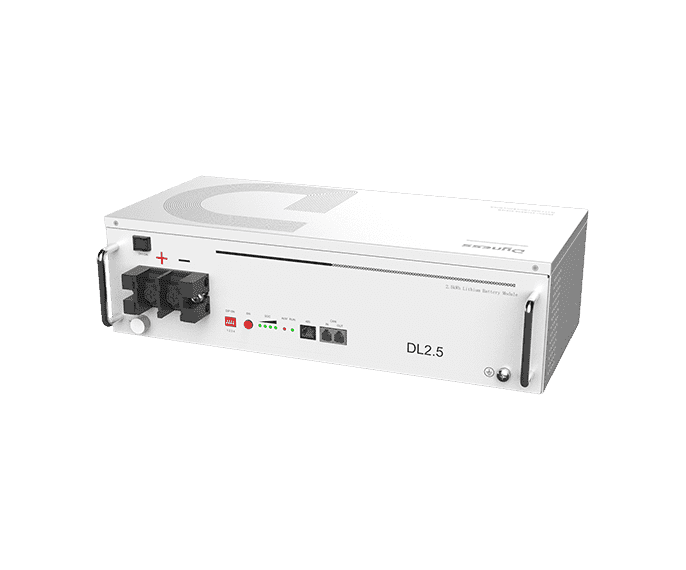
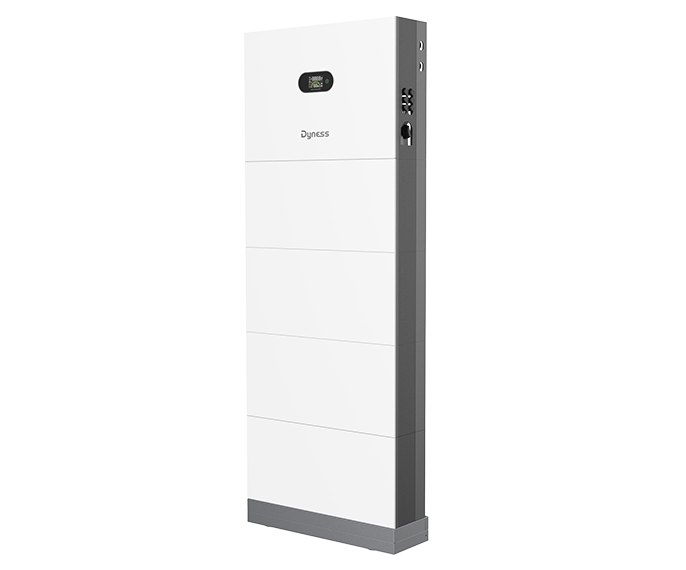
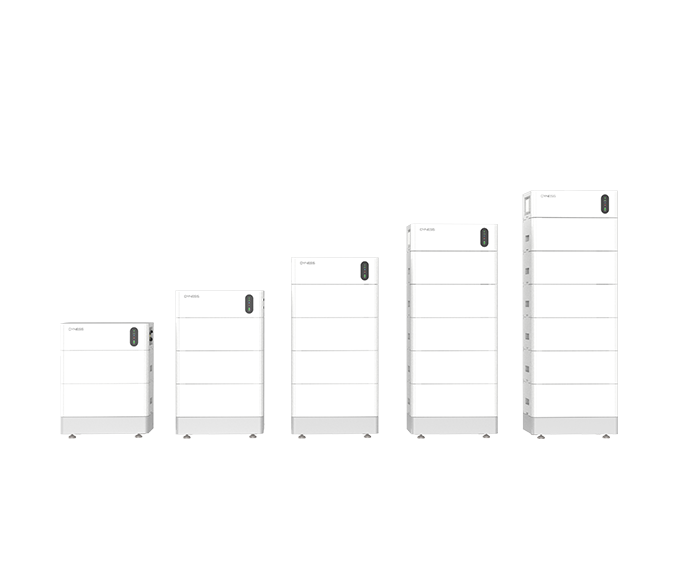
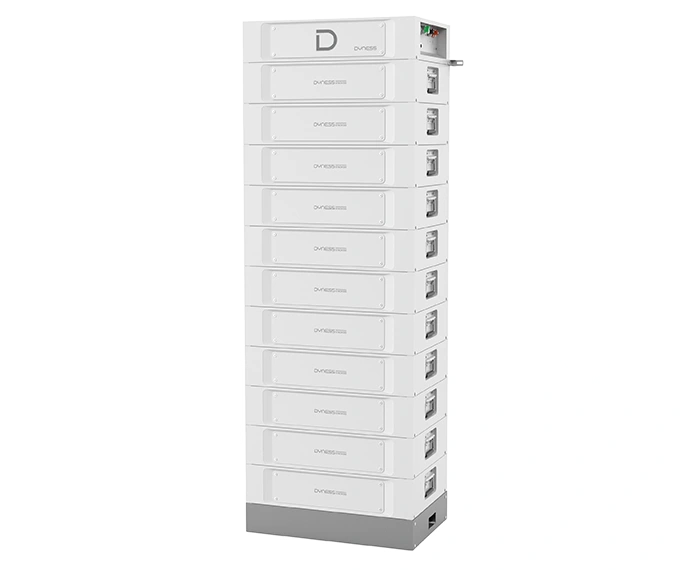
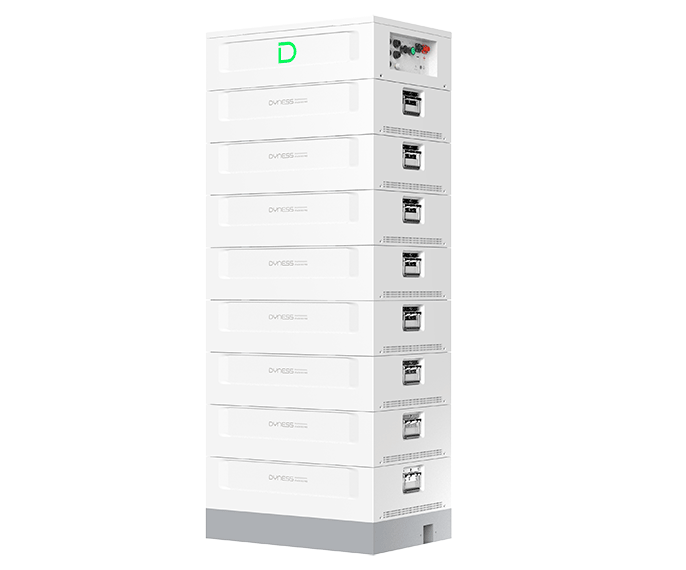
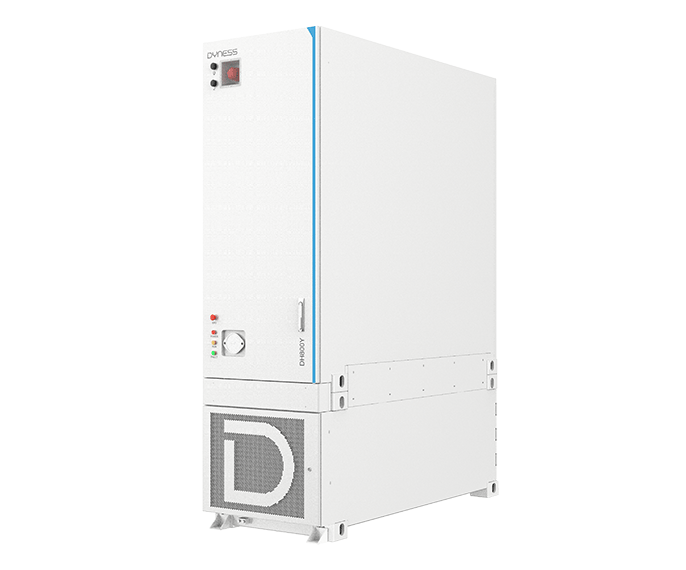
Dyness solutions such as PowerBox G2, PowerBrick Plus, and high-voltage platforms like Tower Series can support different household energy strategies depending on capacity requirements, inverter compatibility, and installation conditions.
The goal is not simply storing more electricity, but using stored energy at the time when it creates the greatest economic value.
Key Factors That Determine Electricity Bill Savings
The financial benefit of a home battery system depends on more than battery capacity. Several factors determine whether the system can effectively reduce electricity costs.
| Factor | Impact on Savings |
|---|---|
| Peak-Off-Peak Price Difference | A larger electricity price gap generally creates more opportunity for energy cost optimization. |
| Household Electricity Pattern | Homes with higher evening consumption can make better use of stored energy. |
| Battery Capacity | Capacity determines how much electricity can be shifted from lower-cost periods to higher-cost periods. |
| PV Generation | Higher solar surplus provides more opportunities for self-consumption optimization. |
| Energy Management Strategy | Smart scheduling helps ensure stored energy is used during the most valuable periods. |
Choosing the Right Dyness System for Time-of-Use Energy Management
Different households have different electricity patterns, so the ideal storage solution should match current consumption and future energy plans.
| Household Scenario | Suitable Direction |
|---|---|
| Standard homes with solar self-consumption needs | Compact residential storage solutions such as PowerBox G2 or similar configurations. |
| Higher electricity consumption households | Larger-capacity solutions such as PowerBrick Plus depending on load requirements. |
| High-load homes with heat pumps or EV charging | High-voltage modular systems such as Tower Series may provide better power capability. |
The best configuration should consider battery capacity, inverter compatibility, backup requirements, PV generation, and local electricity tariff structures.


Common Misunderstandings About Saving Money with Battery Storage
Misconception: A battery automatically guarantees large electricity savings.
Reality: Savings depend on electricity price differences, household consumption patterns, battery usage strategy, and system efficiency. A battery creates value when stored energy is used during economically valuable periods.
Misconception: The larger the battery, the more money you will save.
Reality: Oversized batteries may not be fully utilized if there is insufficient solar surplus or electricity demand. Proper sizing is more important than simply choosing maximum capacity.
Misconception: Time-of-use optimization only requires charging at night and discharging during the day.
Reality: Effective energy management also considers household loads, solar generation, battery status, and future energy needs.
Misconception: Energy storage completely eliminates electricity bills.
Reality: Storage helps reduce electricity purchases and optimize energy costs, but actual results depend on local tariffs and household conditions.
Conclusion
In time-of-use electricity markets, Dyness home energy storage transforms electricity from a fixed expense into a manageable energy asset.
By charging during lower-cost periods, storing surplus solar energy, and supplying power during expensive periods, Dyness systems help households improve energy flexibility and optimize electricity costs.
The most effective solution is not simply choosing the largest battery, but selecting a system that matches household consumption patterns, PV generation, tariff structures, and future energy goals.
FAQ
-
Q: How does Dyness home energy storage reduce electricity bills in time-of-use tariff regions?

A: Dyness energy storage can help reduce electricity costs by storing energy during lower-cost periods and using stored energy during higher-cost periods. The actual savings depend on local tariffs, household consumption, battery capacity, and system configuration.
-
Q: Is a larger Dyness battery always better for reducing electricity costs?
A: Not necessarily. The ideal battery capacity should match household energy consumption, solar generation, and electricity usage patterns. An oversized battery may not be fully utilized if there is insufficient energy available for charging or usage.
-
Q: Can Dyness storage work together with solar PV to improve savings?
A: Yes. When combined with solar PV, Dyness storage can capture surplus daytime solar energy and make it available during evening or higher-cost electricity periods, improving solar self-consumption.
Learn More