





















Top 10 Things to Look for When Partnering with a Tier-1 Energy Storage Manufacturer


Get notified about new updates, products, tips and tutorials. No spam.
Global energy storage projects depend on stable manufacturing capacity and reliable component supply. For distributors and system integrators, delays in battery cells, electronics, enclosures, or other critical components can directly affect project schedules and customer commitments.
A qualified manufacturing partner should demonstrate mature supply chain management, stable production capacity, traceable sourcing processes, and the ability to support different regional certification and compliance requirements.
Environmental validation should also be included in supplier evaluation. Energy storage products may be deployed in humid coastal regions, hot industrial facilities, dusty environments, or areas with significant seasonal temperature changes. Standardized ageing, temperature cycling, dust, moisture, and reliability testing help verify whether a product can maintain stable performance across different deployment conditions.

Core R&D, Safety Engineering, and Product Reliability
Long-term product reliability depends heavily on the manufacturer’s control over core technologies such as battery management systems, communication protocols, system integration, and safety architecture.
Manufacturers with independent R&D capabilities can respond more directly to compatibility issues, grid requirements, firmware updates, and changing application needs instead of relying entirely on third-party technology providers.
Safety engineering is equally important. Modern energy storage systems should combine stable cell chemistry with multiple layers of monitoring, electrical protection, thermal management, fault isolation, and appropriate fire protection technologies.
Buyers should evaluate the complete safety architecture rather than focusing on a single feature. Product certifications, system-level testing, manufacturing quality controls, and long-term field performance should all form part of the supplier assessment.


Modular Scalability and Inverter Compatibility
Energy demand can change significantly throughout the life of a commercial or industrial project. Facilities may add EV charging infrastructure, new production lines, additional buildings, or larger renewable energy systems after the initial installation.
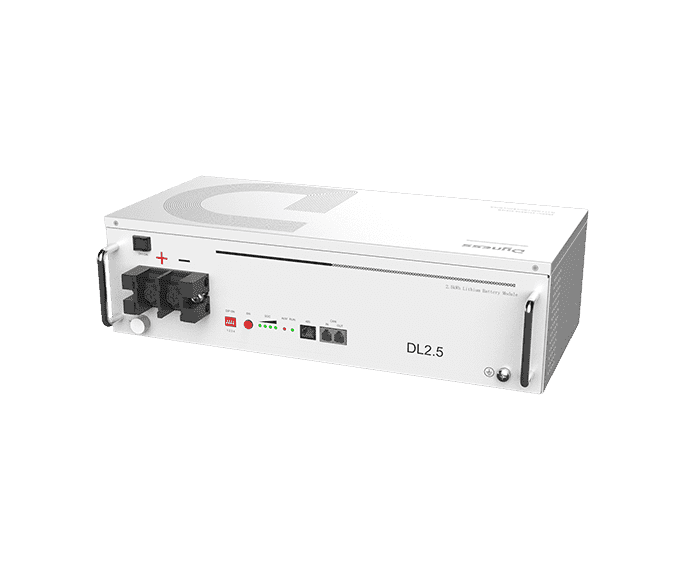
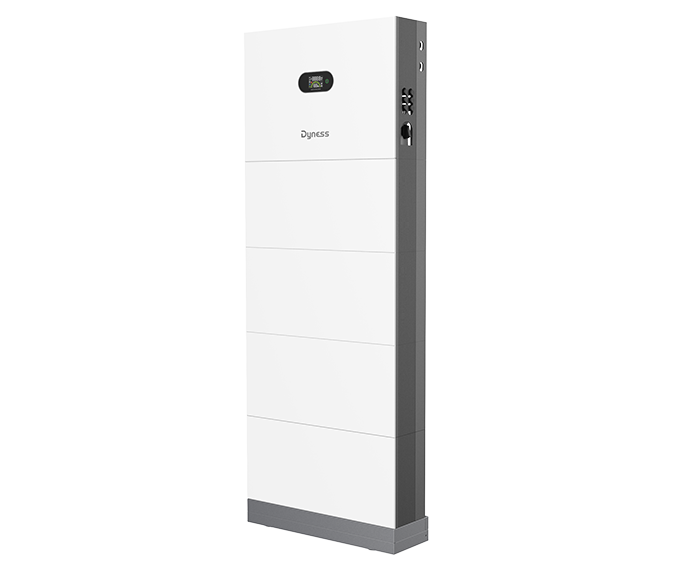
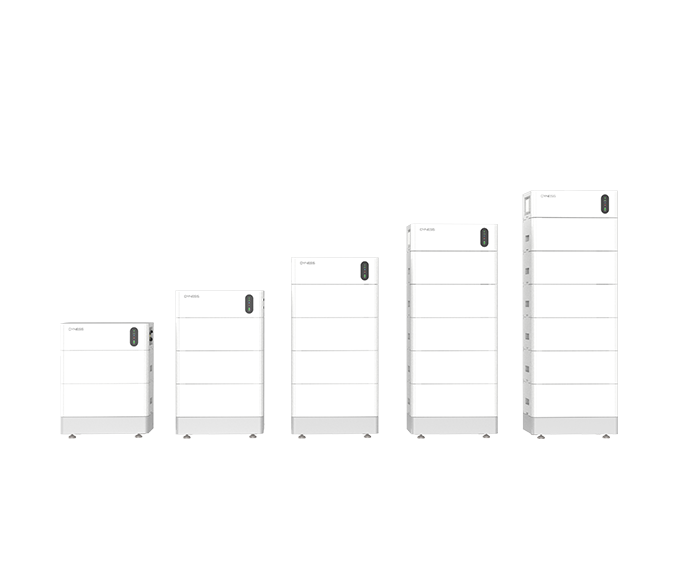
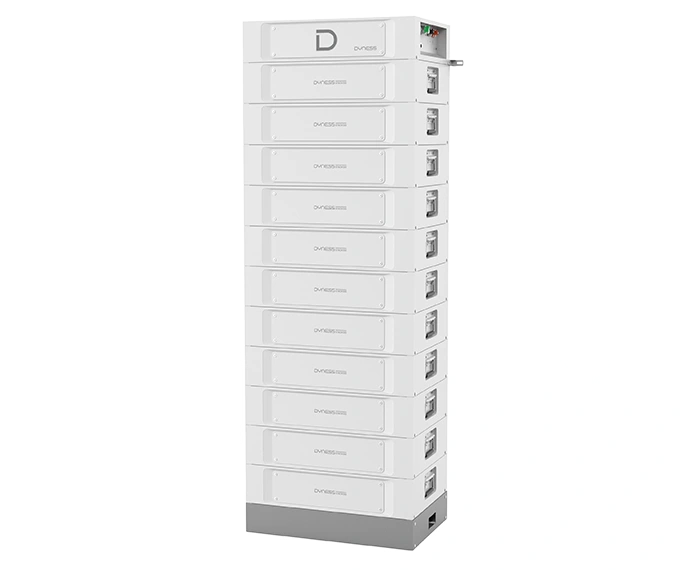
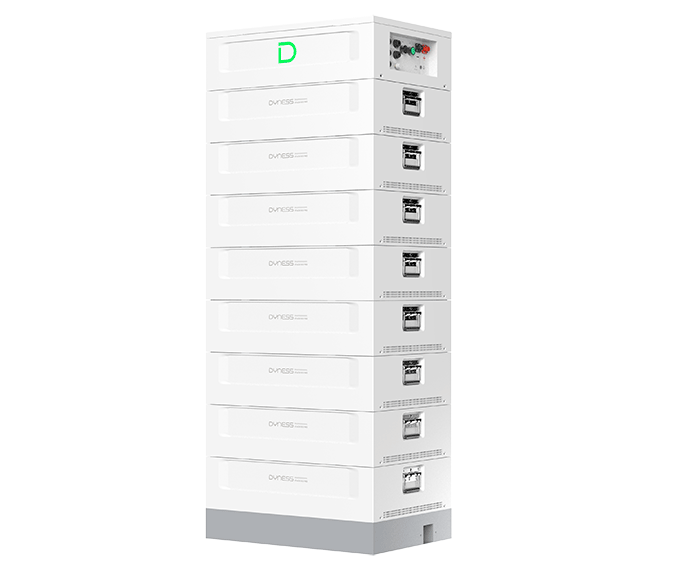
A modular battery energy storage architecture gives project developers a clearer expansion path. Instead of replacing the entire system, compatible battery modules, towers, or system blocks can be added according to approved product configurations.
Inverter and PCS compatibility is another critical selection factor. Reliable communication between the battery management system and external power conversion equipment affects charging, discharging, protection functions, state-of-charge reporting, and overall system coordination.
A manufacturer with broad inverter compatibility and standardized communication interfaces can help reduce commissioning complexity and give system integrators more flexibility across different markets and project architectures.
Lifecycle Performance, Warranty, and Local Technical Support
Initial purchase price represents only one part of the total lifecycle cost of an energy storage system. Long-term value also depends on cycle performance, capacity retention, maintenance requirements, warranty coverage, and after-sales service.
Durable lithium iron phosphate cells, reliable battery management, and consistent manufacturing quality can help reduce premature degradation and unnecessary replacement costs over the system lifecycle.
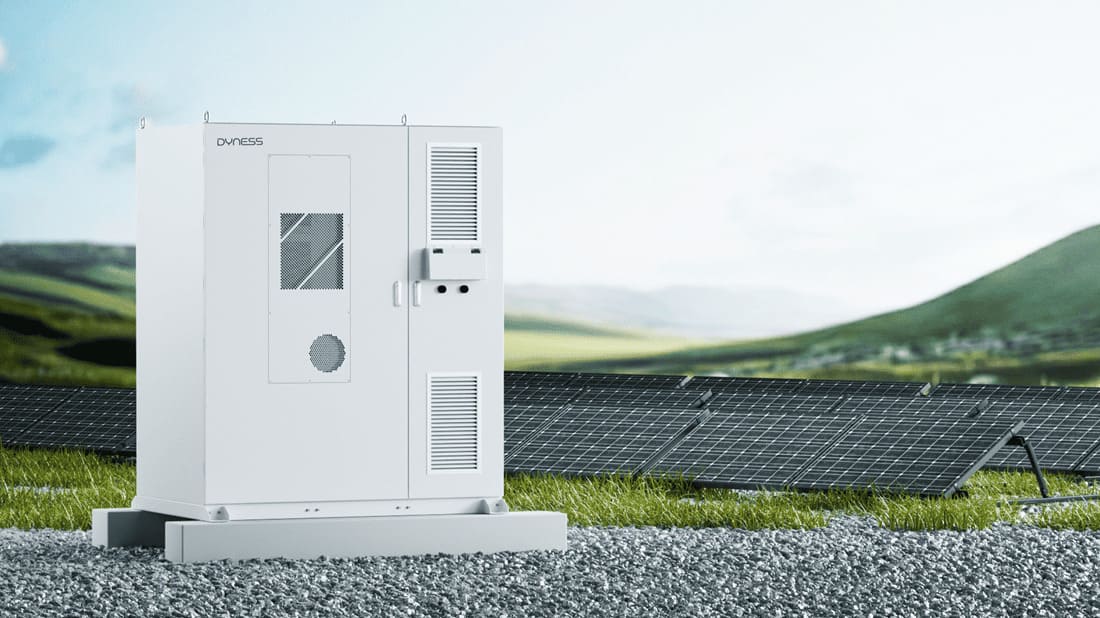
The source material states that Dyness supports selected premium hardware lines with a 10-year warranty and operates twenty overseas branches to strengthen localized technical support. For distributors and project developers, regional technical availability can be particularly important when systems require commissioning assistance, troubleshooting, or long-term service.
When comparing suppliers, buyers should review the actual warranty terms, applicable product models, service process, response structure, and regional support coverage rather than evaluating warranty duration alone.
OEM, ODM, and Intelligent Energy Management Capabilities
Different energy storage markets may require specific enclosure dimensions, communication interfaces, certification pathways, branding, system configurations, or installation formats. Standard products may not always meet every regional or project-specific requirement.
OEM and ODM capabilities therefore become important for distributors and project developers that need customized solutions. A flexible manufacturing partner should be able to coordinate engineering, structural design, interface requirements, compliance needs, and production planning according to clearly defined project specifications.
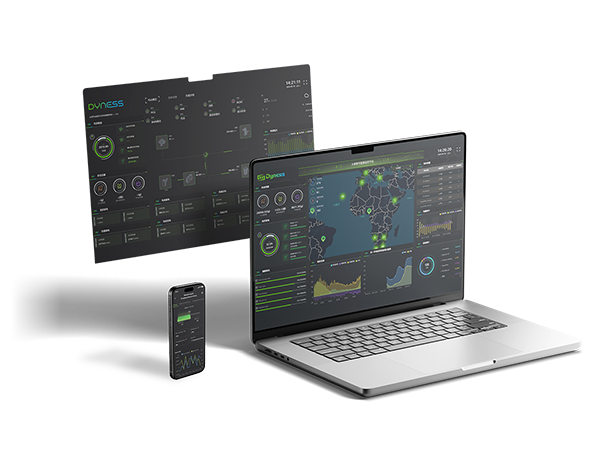
Future energy projects also increasingly require integration with energy management systems, smart scheduling platforms, and virtual power plant ecosystems. Battery hardware alone may not be sufficient for projects involving peak shaving, load shifting, renewable energy optimization, or grid-interactive services.
Manufacturers with coordinated hardware and software development capabilities can provide a stronger foundation for these advanced energy management applications and help partners adapt as energy markets evolve.
Conclusion
When evaluating a Tier-1 energy storage manufacturer, buyers should look beyond product capacity and initial cost. Supply chain resilience, international compliance, independent R&D, safety architecture, modular scalability, inverter compatibility, lifecycle performance, warranty coverage, local technical support, environmental validation, customization, and intelligent energy management all influence the long-term value of the partnership.
For distributors, integrators, and project developers, the strongest manufacturing partner is one that can support both current project requirements and future system evolution across different regions and application scenarios.
Dyness combines global manufacturing and supply capabilities with independent technology development, modular energy storage architectures, broad inverter compatibility, localized service resources, OEM and ODM support, and intelligent energy management integration to serve long-term B2B energy storage projects.
FAQ
-
What should buyers evaluate when choosing a Tier-1 energy storage manufacturer?

Buyers should evaluate supply chain resilience, international compliance, independent R&D capability, safety architecture, modular scalability, inverter compatibility, lifecycle performance, warranty terms, environmental validation, local technical support, OEM/ODM capability, and energy management integration.
-
Why are inverter compatibility and modular scalability important when selecting an energy storage manufacturer?
Inverter compatibility helps reduce commissioning complexity and supports reliable communication between the battery and power conversion system. Modular scalability allows projects to expand storage capacity over time without replacing the entire original system, helping protect the initial investment.
-
Why should B2B customers consider after-sales support and warranty coverage when choosing an energy storage manufacturer?
Energy storage systems are long-term infrastructure assets. Local technical support, clear warranty terms, commissioning assistance, and efficient troubleshooting can help reduce downtime, simplify maintenance, and improve lifecycle value for distributors, integrators, and project operators.
Learn More