











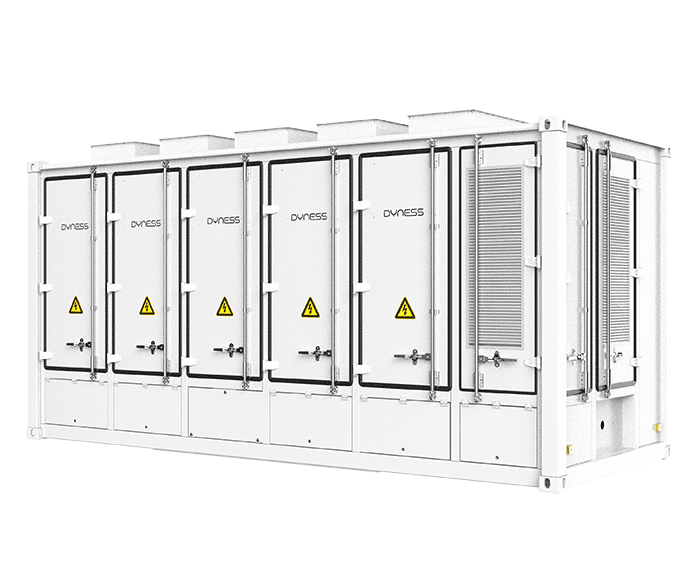











Modular MWh-Scale Energy Storage: Scalable Solutions


Get notified about new updates, products, tips and tutorials. No spam.
Implementing modular MWh-scale energy storage allows commercial and industrial facilities to optimize power consumption, manage local grid stress, integrate renewable generation, and strengthen operational resilience against utility interruptions.
For large-scale projects, system selection requires more than comparing nominal capacity. Scalability, low-temperature performance, cell chemistry, voltage architecture, inverter interoperability, environmental adaptability, and long-term expansion capability all influence the reliability and economic value of the energy storage asset.

Why Commercial Microgrids Need Modular MWh-Scale Storage
Industrial facilities increasingly face operational pressure from grid instability, rising peak-demand tariffs, and fluctuating renewable generation. Without dedicated energy storage, surplus clean energy may be underused while facilities remain exposed to expensive peak-load periods.
High-capacity stationary storage provides a local energy buffer by storing excess generation and discharging when facility demand or grid prices increase. This helps smooth load curves, improve renewable energy utilization, and strengthen business continuity.
Modular architecture is particularly valuable for commercial projects because it allows system integrators to match initial capacity with current demand rather than committing to a fully built-out system from the beginning. Additional storage blocks can then be introduced as manufacturing lines, EV charging loads, or facility energy requirements expand.

Cold-Climate Performance and Low-Temperature Self-Heating
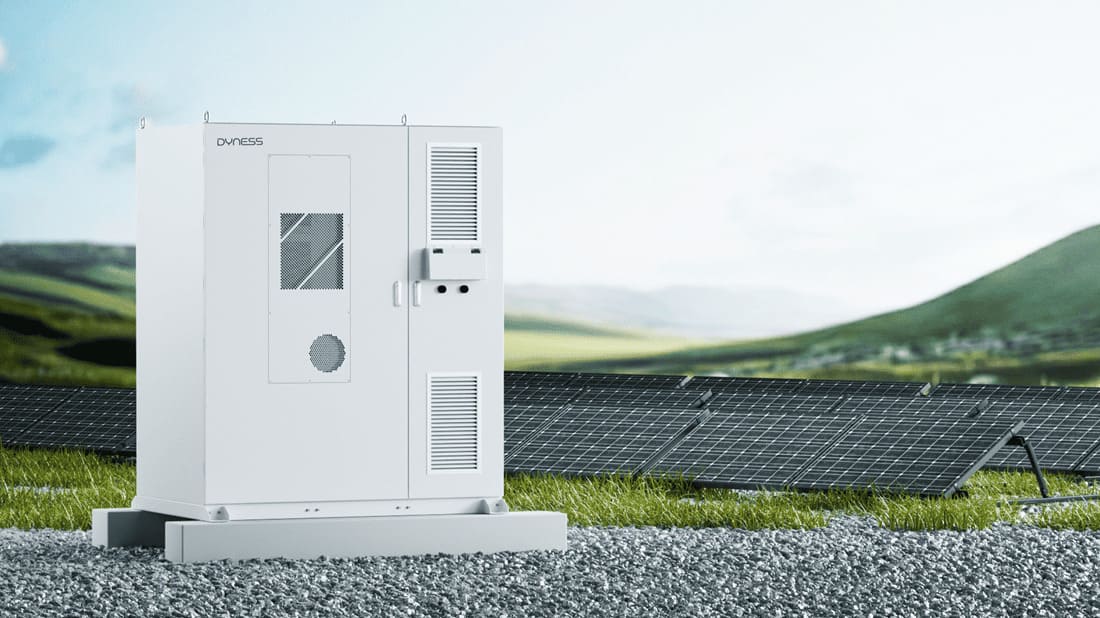
Sub-zero environments create significant challenges for lithium battery systems. Low temperatures slow electrochemical reactions, increase internal impedance, and restrict normal charging capability. Charging cells aggressively under extremely cold conditions can accelerate degradation and create additional safety concerns.
For energy storage systems installed in outdoor or non-conditioned environments, automated thermal management is therefore essential. Modern battery platforms can monitor internal temperature and activate heating functions before normal charging begins.
The source configuration describes low-temperature self-heating technology that automatically activates at -20°C and warms the battery module to 0°C within approximately one hour. This type of automated heating helps maintain charging capability and reduce the need for manual intervention in severe winter climates.
Modular Expansion from Commercial Storage to MWh-Scale Systems
Enterprise energy demand rarely remains fixed throughout the lifecycle of a facility. Production expansion, new machinery, additional buildings, and vehicle electrification can all increase both power and energy requirements over time.
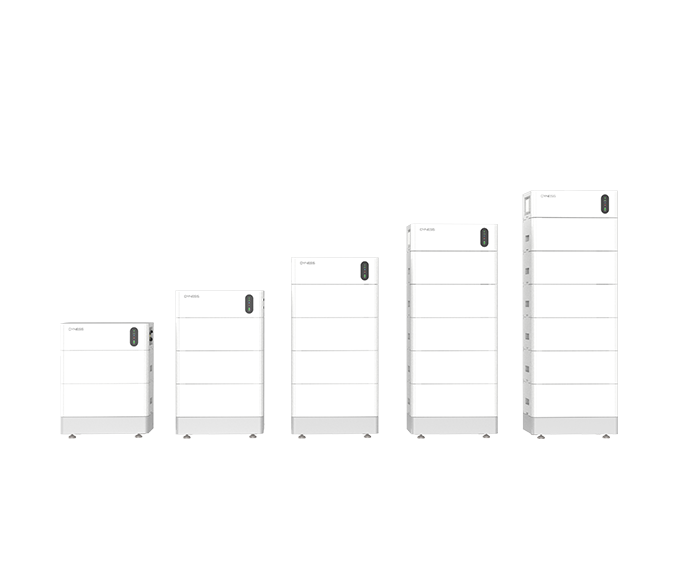
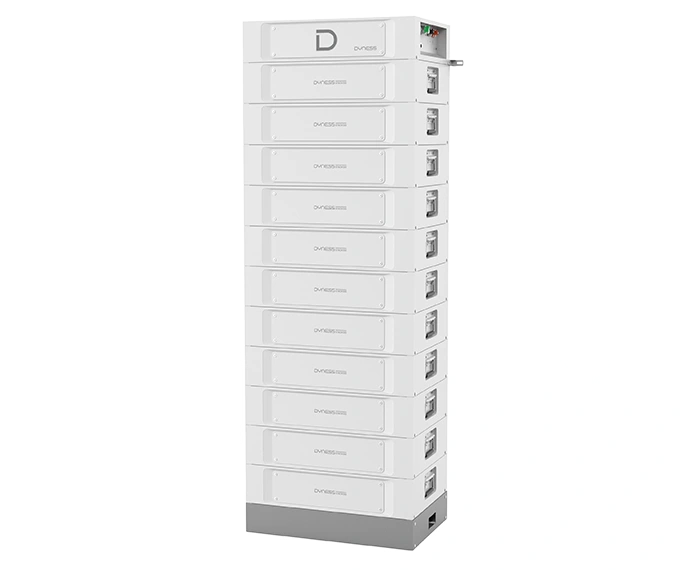
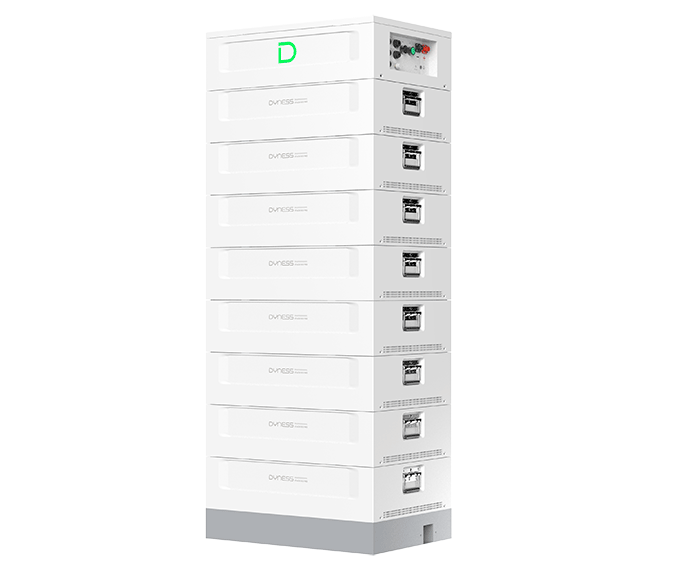
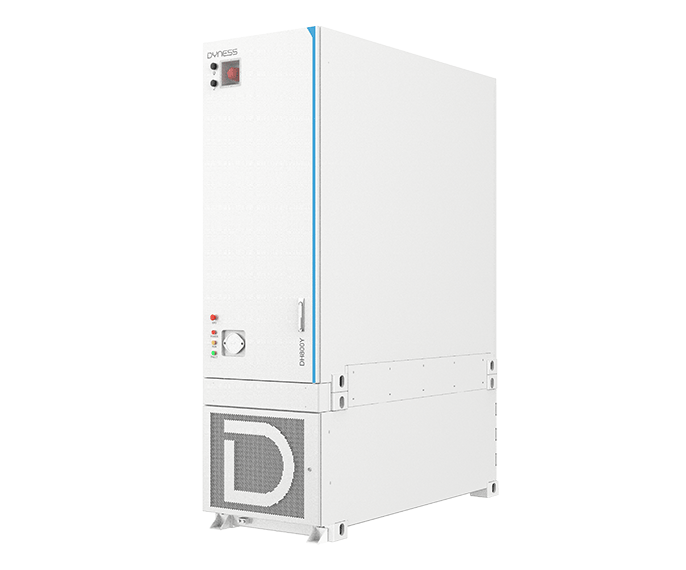
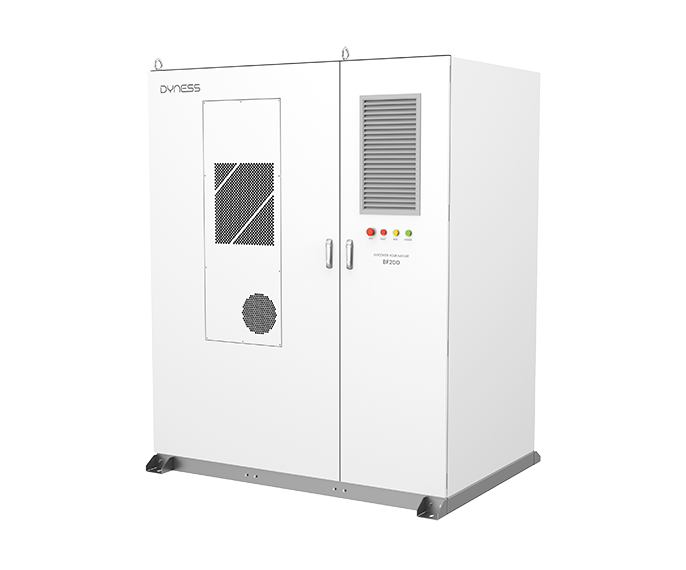
A modular MWh-scale energy storage architecture allows separate battery blocks or system units to operate together as a coordinated high-capacity platform. This gives project developers a clearer pathway from smaller commercial deployments toward multi-megawatt-hour energy storage systems.
At Dyness, scalable product frameworks are designed to support phased capacity growth so that system integrators can expand energy reserves as operating requirements increase. This approach helps protect the value of the original investment while avoiding unnecessary early oversizing.
LFP Chemistry and Multi-Level Voltage Architecture
Lithium iron phosphate has become a widely used chemistry for stationary energy storage because of its thermal stability, structural resilience, and suitability for repeated charging and discharging cycles.
For large commercial storage applications, stable cell chemistry helps maintain more predictable performance under intensive operating conditions. It also provides a strong foundation for systems expected to perform frequent peak shaving, renewable energy shifting, or backup functions.
Voltage architecture must also match the scale of the application. Lower-voltage platforms can be suitable for residential and light commercial scenarios, while larger MWh-scale systems typically rely on higher-voltage architectures to improve transmission efficiency and reduce current across high-power distribution pathways.
A diversified storage portfolio allows system designers to use consistent energy management principles across large industrial facilities, regional commercial sites, and smaller auxiliary properties while selecting the voltage platform appropriate for each application.
Inverter Interoperability and Customized Project Integration
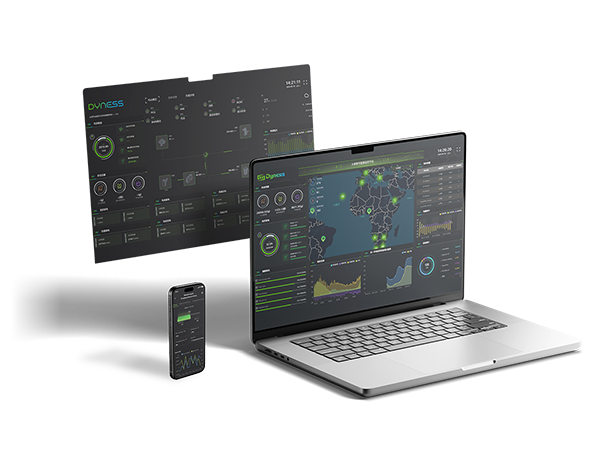
Large-scale battery systems depend on reliable communication with power conversion equipment, local distribution panels, and energy management platforms. Communication mismatches between the BMS and external inverters or PCS equipment can complicate commissioning and affect normal system coordination.
Broad interoperability helps system integrators deploy storage across different regional power architectures and inverter platforms. Consistent communication standards are especially important for organizations managing multiple energy assets across industrial, commercial, and smaller distributed sites.
International projects also face different climate conditions, grid codes, enclosure requirements, certification standards, and site layouts. Standard products may not always fit every project without adaptation.
Dyness provides OEM and ODM support for B2B partners requiring customized energy storage configurations. Engineering collaboration can address product architecture, interface requirements, structural design, environmental conditions, and other project-specific needs across different markets.
Conclusion
Deploying modular MWh-scale energy storage successfully requires a combination of scalable architecture, stable LFP chemistry, suitable voltage design, reliable thermal management, and broad system interoperability.
For projects operating in cold climates, automated self-heating can help maintain charging capability under severe winter conditions, while modular expansion provides a practical pathway for increasing capacity as facility requirements grow.
For commercial and industrial operators, a well-designed modular energy storage platform can support peak shaving, renewable energy integration, operational resilience, and long-term infrastructure expansion without requiring complete system replacement at every stage of growth.
FAQ
-
Q: What practical benefits does STACK100 modular stacking provide for small C&I installation?

A: Modular stacking can make transportation, on-site handling, and installation more flexible compared with large fixed battery systems. STACK100 modules can be assembled according to site conditions, helping users deploy energy storage in equipment rooms, indoor corners, or limited-space environments where supported by installation rules.
-
Q: What qualifications are needed to install a Dyness C&I energy storage system?
A: Requirements vary by region, but installation should generally be carried out by qualified electrical professionals or trained installers with experience in battery energy storage, PCS or inverter systems, BMS communication, grid connection, protection devices, and commissioning.
-
Q: Can a normal electrician install a commercial energy storage system?
A: Basic electrical experience may not be enough. C&I ESS projects require knowledge of battery systems, PCS or inverter configuration, EMS strategy, communication protocols, protection design, grid requirements, and commissioning procedures.
Learn More