



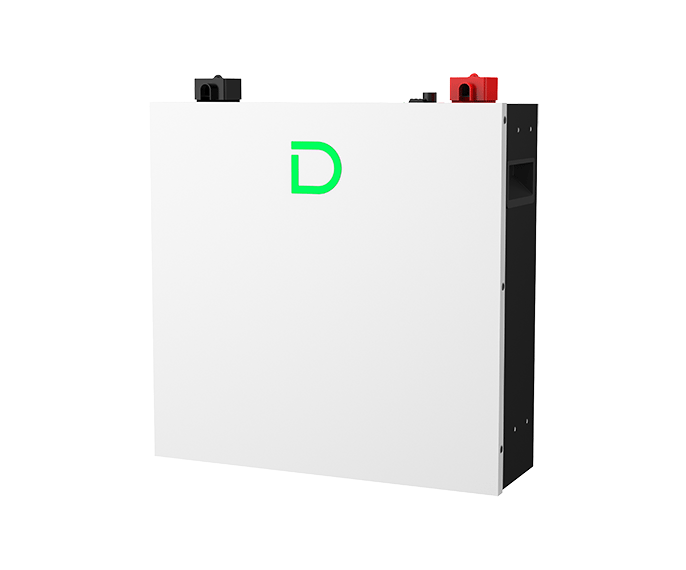


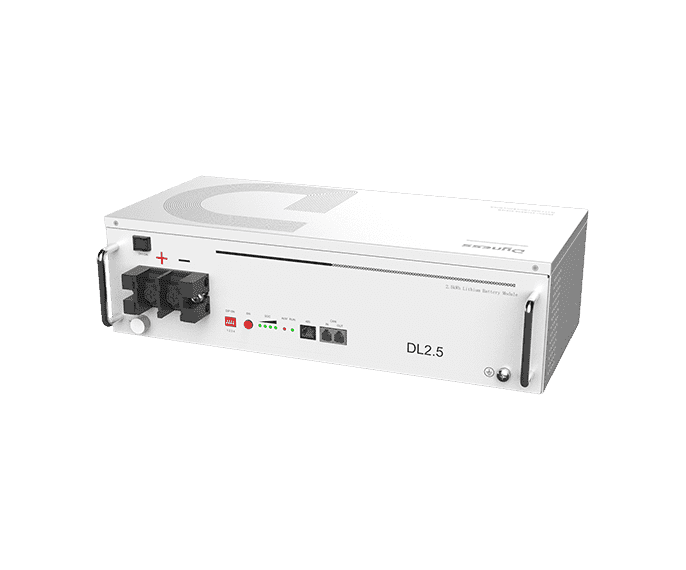

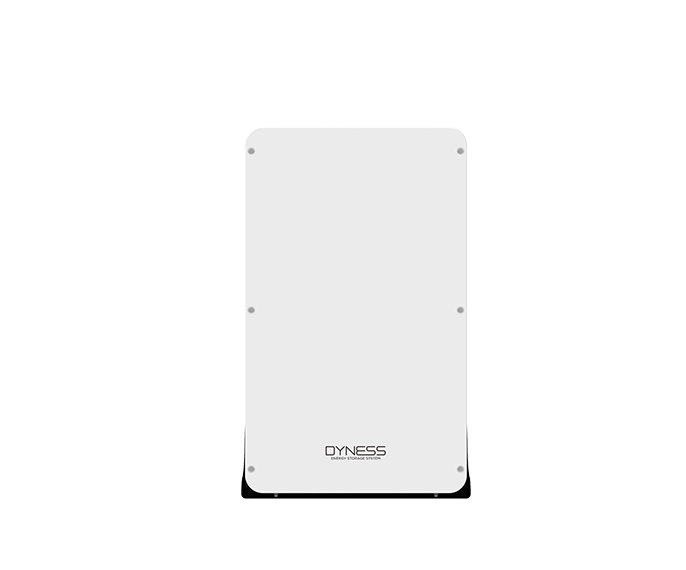
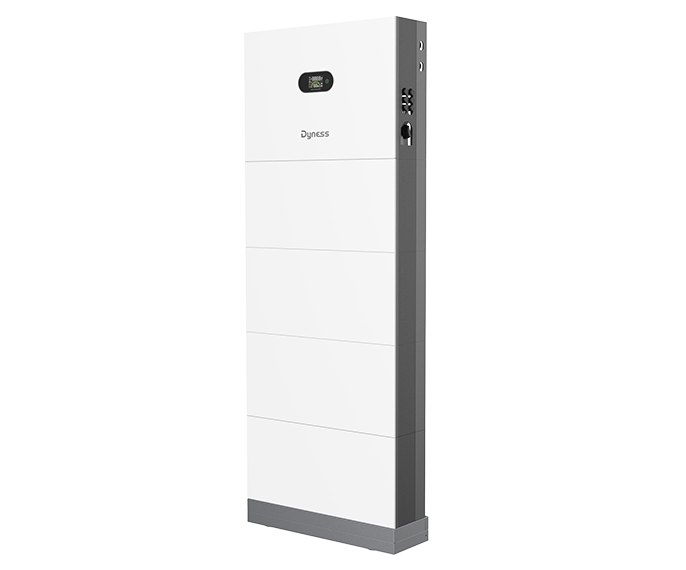


















Can Dyness Grow with the User, or Will Expansion Become a Burden Later?


Get notified about new updates, products, tips and tutorials. No spam.
Yes, Dyness energy storage systems are designed to grow with users as their electricity needs change. Instead of forcing users to overinvest from the beginning, Dyness supports modular and scalable system design for future capacity expansion.
For homeowners and businesses, scalability is not only about adding more batteries. It is about protecting the initial investment, keeping the system flexible, and making sure future growth can be handled with proper compatibility, communication, and system design.

1. Energy Storage Should Grow with Real Energy Demand
Many users do not know exactly how their electricity needs will change over the next three to five years. A household may add an EV charger, heat pump, air-conditioning system, or more smart appliances. A small business may expand its operating hours, equipment load, or backup power requirements.
This is why a battery storage system should not be treated as a fixed-capacity device. For many users, it is better understood as a long-term energy platform that should be able to adapt as energy demand grows.
Dyness supports this idea through modular and scalable energy storage design. Users can start with a reasonable system size based on today’s budget and electricity needs, while keeping room for future expansion when household or business loads increase.
This approach helps users avoid two common problems: buying too much capacity too early, or choosing a system that becomes too small and difficult to upgrade later.
2. Why Scalability Protects Long-Term Investment
Scalability matters because energy storage is a long-term investment. Users want to know that the system they install today will not become a limitation when their future energy needs increase.
A scalable storage system helps protect the initial investment by allowing users to expand capacity within the supported system architecture, instead of replacing the entire system later.
| User Concern | How Scalability Helps |
|---|---|
| “Should I buy a larger battery now?” | Users can start with a practical capacity and expand later when energy demand becomes clearer. |
| “Will my current investment be wasted?” | A modular system helps preserve the value of the original installation during future expansion. |
| “Will expansion be complicated?” | A system designed for expansion considers communication, consistency, installation logic, and system stability from the beginning. |
| “Will future capacity growth cost too much?” | Expansion can reduce the risk of full system replacement when future demand grows beyond the original configuration. |
For users, the value of scalability is not only technical. It is also financial. A growable energy storage system allows investment to follow real demand instead of uncertain future assumptions.
3. Dyness Modular Design for Flexible Capacity Expansion
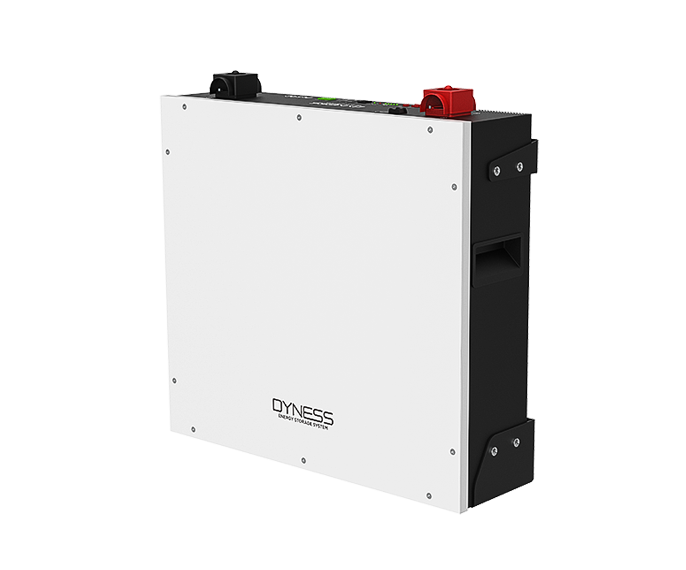
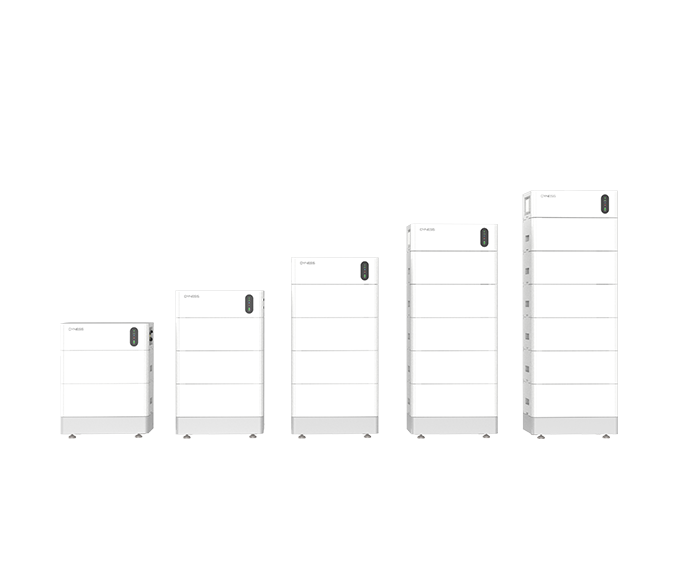
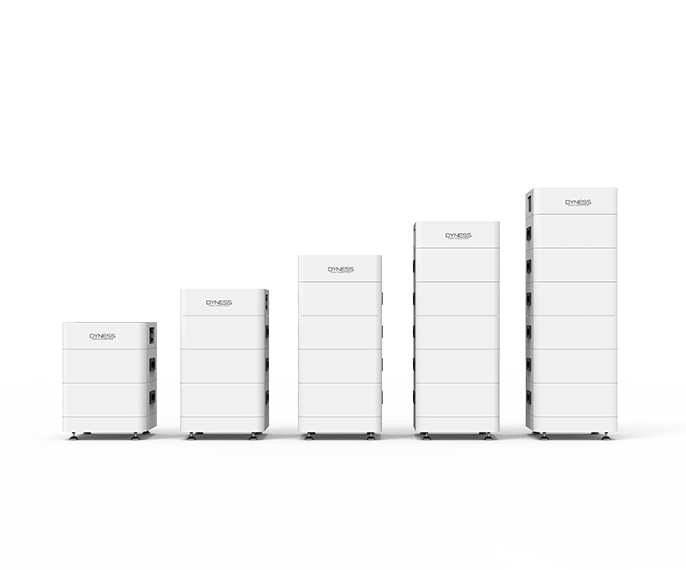
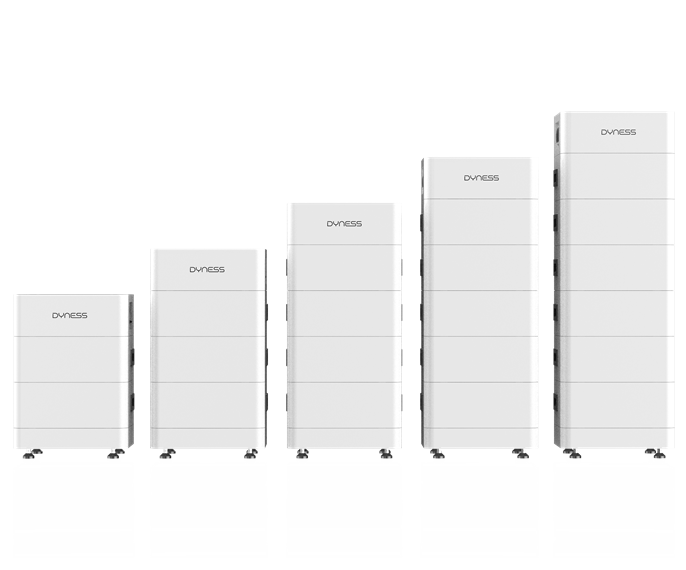
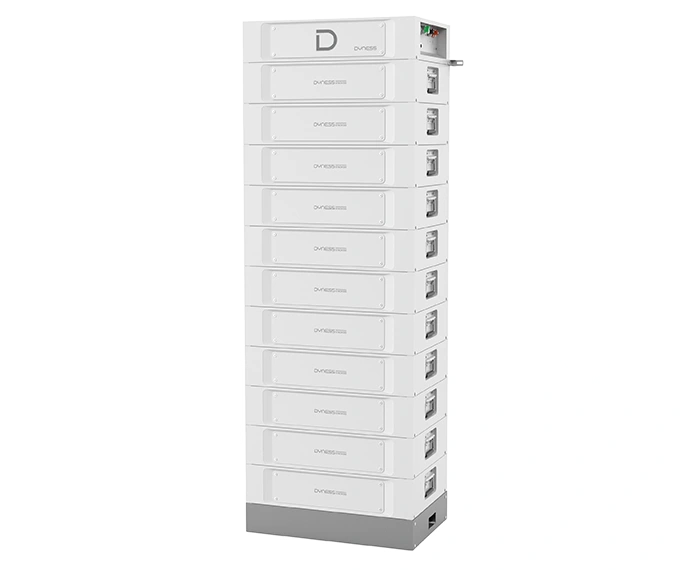
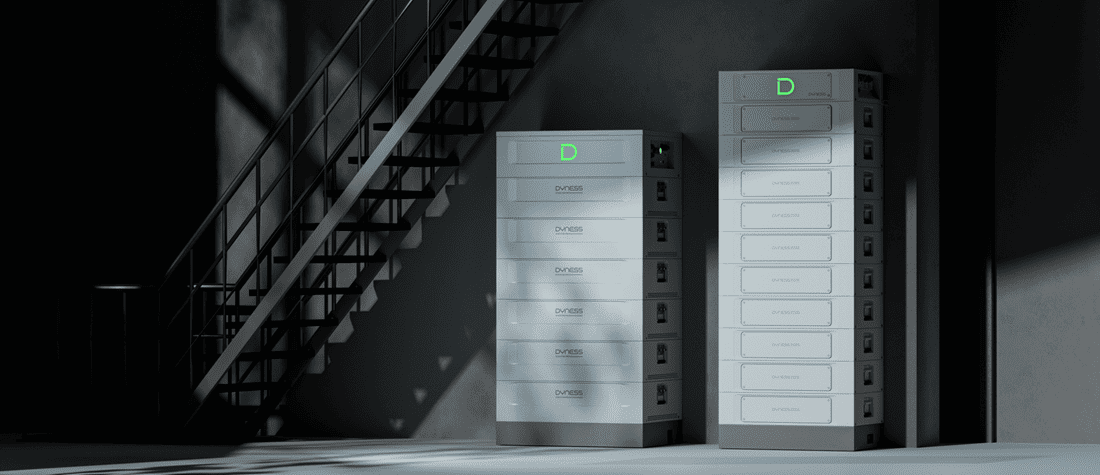
Dyness designs many of its energy storage solutions around modular architecture. This allows users and installers to plan capacity according to current requirements and expand within supported system limits when needed.
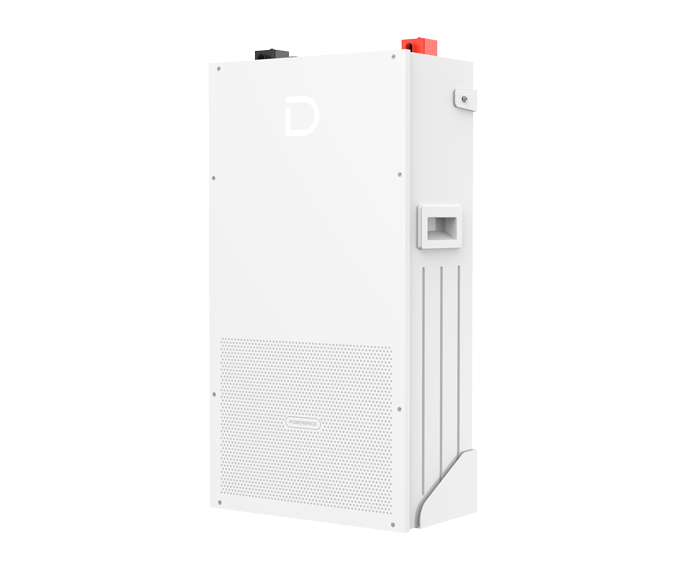
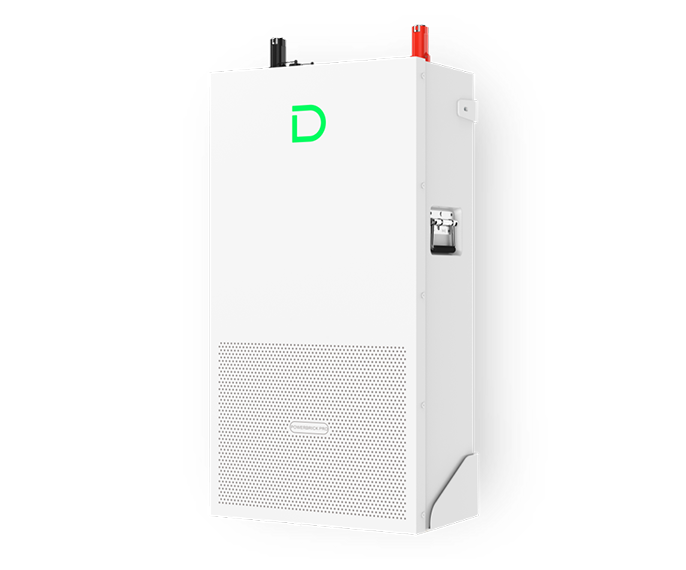
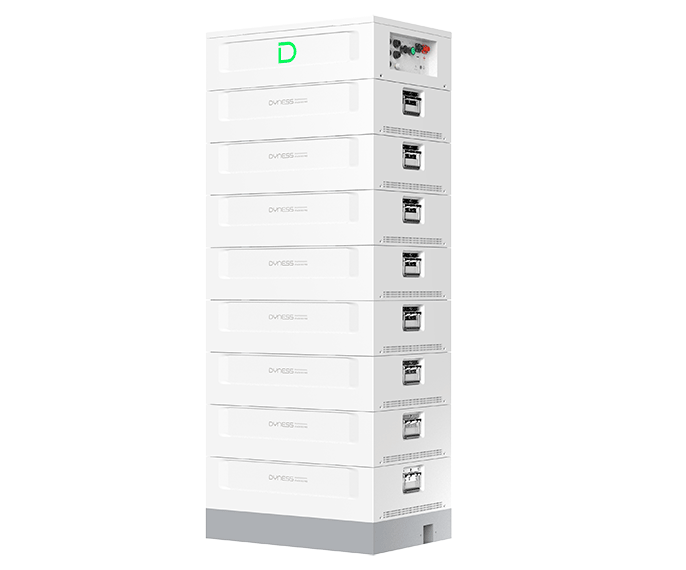
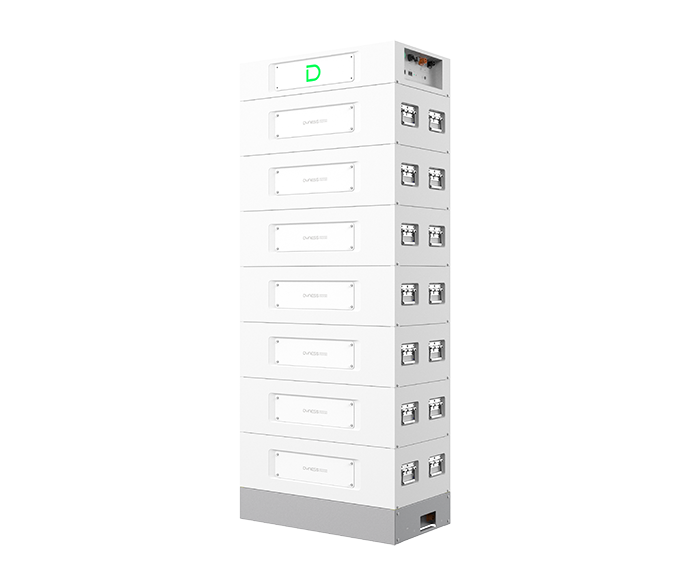
For example, STACK100 supports modular capacity expansion from 15.36 kWh to 76.8 kWh per cluster, with up to 12 clusters in parallel and a maximum system capacity of up to 921.6 kWh, depending on configuration. PowerBrick Plus supports up to 50 units in parallel, covering a broad capacity range from residential to larger energy storage scenarios.
These examples show that scalability is not simply an add-on feature. It is part of the system design logic. Battery expansion involves more than connecting extra modules. It also requires battery consistency management, inverter communication, system protection, thermal conditions, and installation planning.
Dyness puts these considerations into product architecture so that future growth can be handled more smoothly when the system is correctly designed and installed.
Actual expansion capability depends on product model, inverter compatibility, installation conditions, local regulations, firmware version, and official Dyness configuration guidance.
4. Common Misunderstandings About Battery Expansion
Misunderstanding 1: Battery expansion only means adding more battery modules.
In reality, proper expansion involves system consistency, communication stability, inverter capacity, installation space, safety protection, and configuration rules. A truly scalable system should be designed for growth from the beginning.
Misunderstanding 2: Scalability is only a marketing feature.
Scalability is closely related to long-term energy planning. It shows whether a system gives users flexibility for future electricity demand, instead of forcing them to make all capacity decisions at the first installation.
Misunderstanding 3: Buying the largest system at the beginning is always better.
Oversizing can increase upfront cost without delivering proportional value. For many users, a more efficient approach is to start with a properly sized system and expand later when energy demand becomes clearer.
Misunderstanding 4: Expansion will always require replacing the original system.
With a modular and compatible system design, expansion may be possible without replacing the entire original battery setup. However, each expansion should be checked by a qualified installer according to official product and inverter configuration requirements.
5. Recommended and Not Ideal Use Scenarios
Dyness scalable energy storage solutions are suitable for users whose electricity demand may grow over time. This includes both residential and small commercial scenarios where future load changes are likely.
| Scenario | Why It Fits or Does Not Fit |
|---|---|
| First-time home energy storage users | Suitable when current electricity use is moderate but future EV charging, heat pumps, or larger appliances may increase demand. |
| Growing small businesses | Suitable when the business has limited initial budget but expects load growth, longer operating hours, or higher backup requirements. |
| Homes planning solar expansion | Suitable when users may add more PV capacity later and want battery storage to grow with solar generation. |
| Short-term or temporary power use | Not ideal if the energy need is temporary, capacity will never change, and long-term asset value is not important. |
Before choosing a system, users should evaluate current electricity usage, solar system size, backup expectations, inverter capacity, installation space, and likely future load growth.
6. Final Takeaway
Dyness can grow with users because many of its energy storage systems are built around modular and scalable design. This allows users to start with a practical capacity today and expand later when household or business energy demand increases.
The real value of scalability is not only saving future cost. It gives users a more flexible way to enter energy storage without overinvesting too early or risking a full system replacement later.
For the best result, expansion should always be planned within official Dyness configuration limits and checked by a qualified installer. When correctly designed, Dyness can become a long-term, adaptable energy asset that grows with the user’s home, business, and energy goals.

FAQ
-
If I install a small Dyness system now, can I add more battery capacity later?

Yes. Many Dyness energy storage solutions are designed with modular scalability, allowing users to start with a practical capacity and expand later when electricity demand increases. Expansion should always follow official Dyness configuration guidance and be checked by a qualified installer.
-
Will expanding a Dyness battery system later be complicated?
Dyness designs scalable systems with future expansion in mind. Proper expansion is not just about adding more battery modules; it also involves communication, battery consistency, inverter compatibility, installation space, and system protection. When the original system is designed correctly, future expansion can be much smoother.
-
Is it cheaper to buy all battery capacity at once or expand later?
This depends on the user’s budget, current energy demand, and future plans. Buying all capacity at once may make sense for users with clear and stable high demand. However, for many users, starting with a suitable system and expanding later can protect the initial investment and avoid unnecessary upfront cost.
Learn More