
























Can a Balcony Storage System Be Directly Wall-Plugged? Is a Grid Connection Application Required?


Get notified about new updates, products, tips and tutorials. No spam.
A balcony storage system can be designed for plug-and-play use, but “wall-plugged” does not automatically mean “no grid requirements.” Whether it can be connected through a household socket depends on the product architecture, inverter configuration, electrical installation, and local rules.
In Germany, plug-in solar devices benefit from simplified rules under defined conditions, while energy storage connected to the low-voltage grid still needs to be considered as part of the overall electrical system. VDE identifies VDE-AR-N 4105 and related low-voltage rules as key references for generation and storage connections.
The practical rule is simple: check the complete system, not just the battery, before plugging it in. Local regulations, grid-operator requirements, the latest Dyness documentation, compatibility lists, and professional assessment should always take priority.

What Does “Wall-Plugged” Actually Mean?
A plug-in energy storage system connects on the AC side rather than requiring a complex DC-side battery installation. This can be useful for apartments and homes that already have balcony PV or microinverters.
Solar power first supplies household loads. Surplus energy can be stored and used later when solar production falls. An energy management system can monitor consumption and control charging and discharging according to household demand or electricity tariffs.
However, the socket itself does not determine whether a system is grid-connected. The key issue is how the equipment electrically interacts with the home and public grid.
What to Check Before Installation
Before purchasing or installing a balcony storage system, check:
- Grid requirements: Is registration, notification, or approval required?
- Inverter output: Does the AC output comply with local limits?
- Protection: Are required grid protection and anti-islanding functions supported?
- Microinverter compatibility: Is your existing inverter approved for use with the storage system?
- Electrical installation: Is the socket and circuit suitable?
- Operating mode: Are you using grid-connected, zero-export, or off-grid operation?
- Documentation: Are you using the latest datasheet, installation manual, and compatibility list?
VDE specifically addresses the connection and operation of energy storage on low-voltage networks, while VDE-AR-N 4105 covers generation systems connected to the low-voltage grid.

When Does Balcony Storage Make Sense?
A plug-in solution can be practical when you already have balcony PV and want to increase solar self-consumption. It can fit when:
- Daytime solar production exceeds immediate household demand.
- Evening consumption is relatively high.
- You want to use more of your own solar power.
- A larger home battery is impractical.
- You need basic backup for selected loads.
It may be less suitable for homes with complex wiring or major loads such as EV chargers and heat pumps. A professional assessment is recommended in these cases.
Where AquaVolt Fits
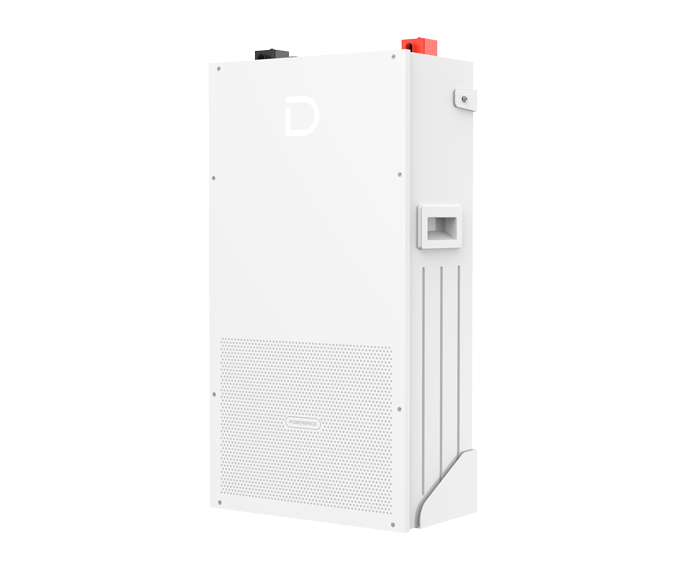
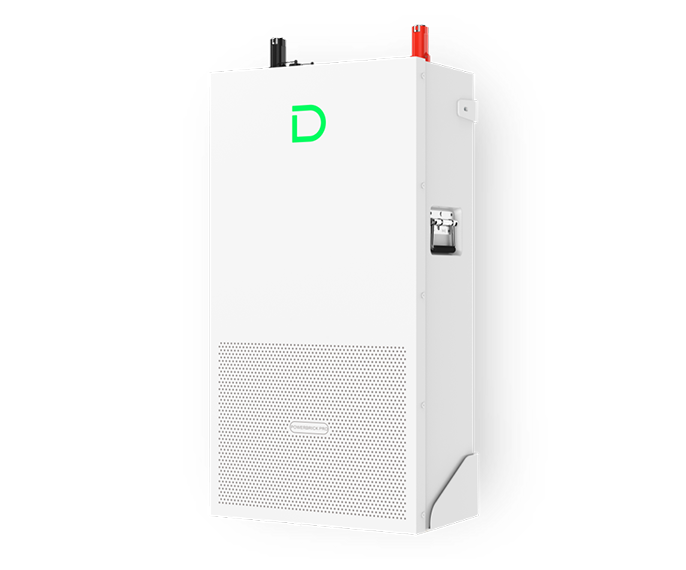
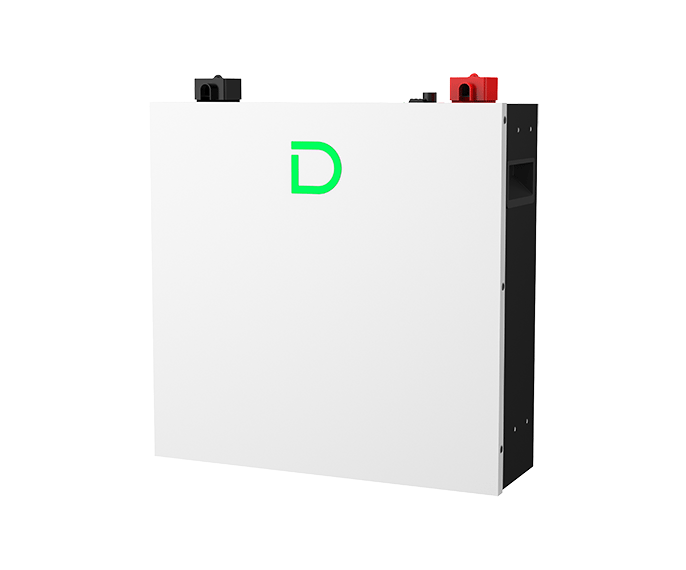
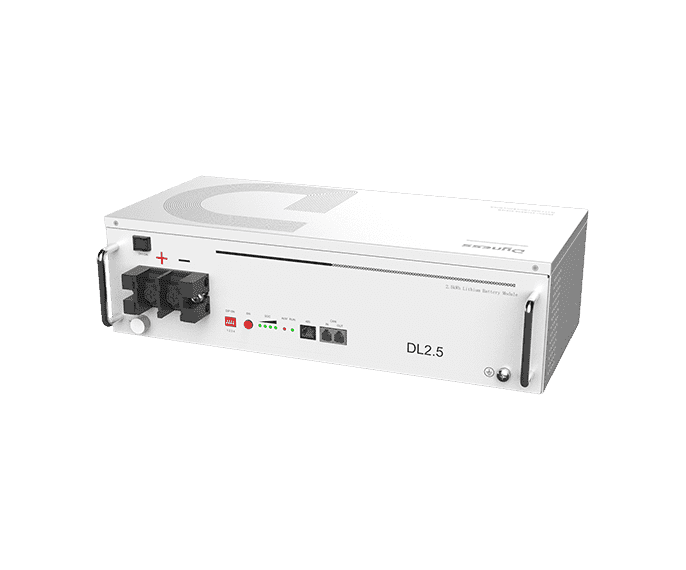
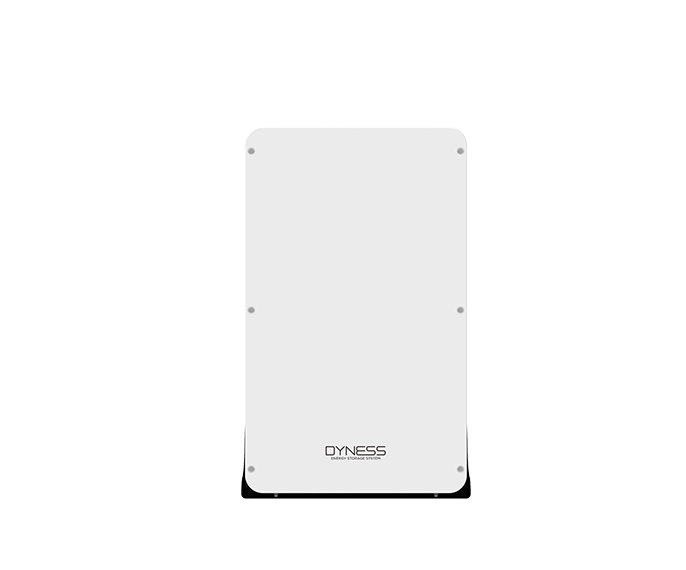
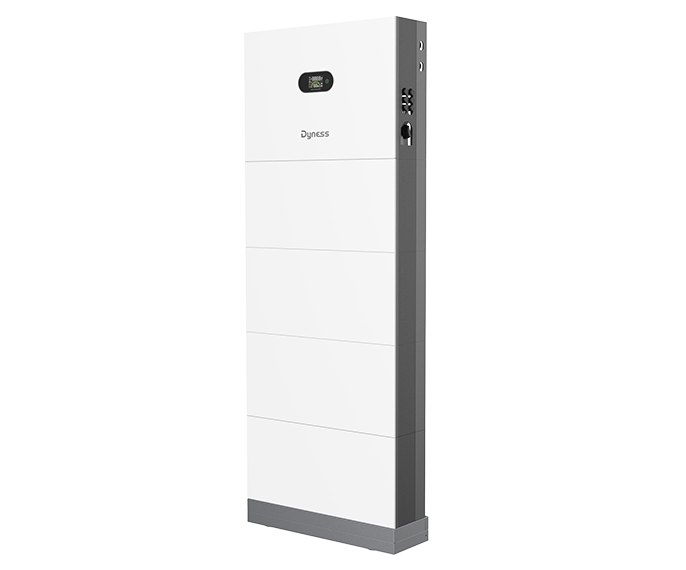
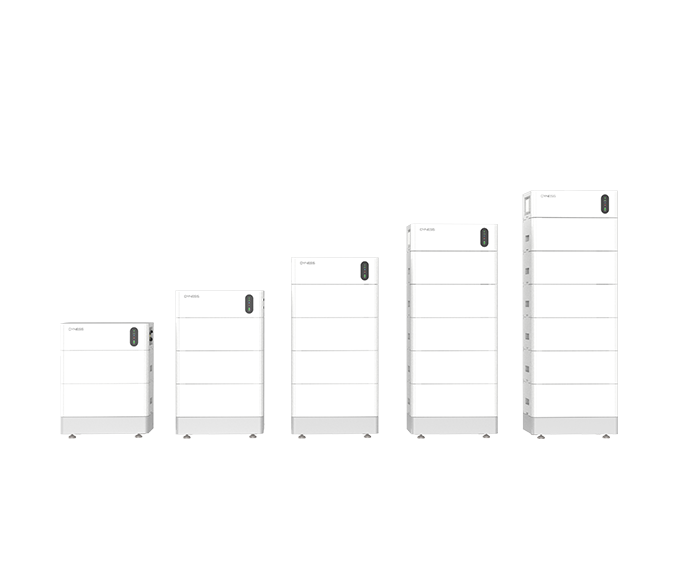
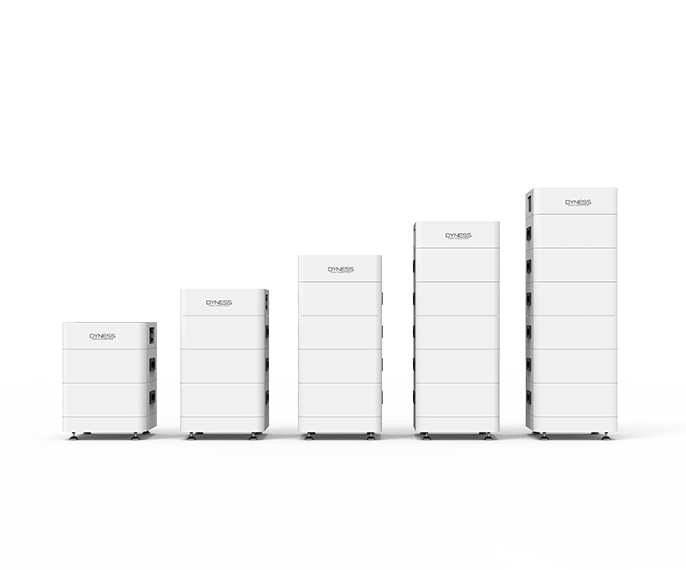
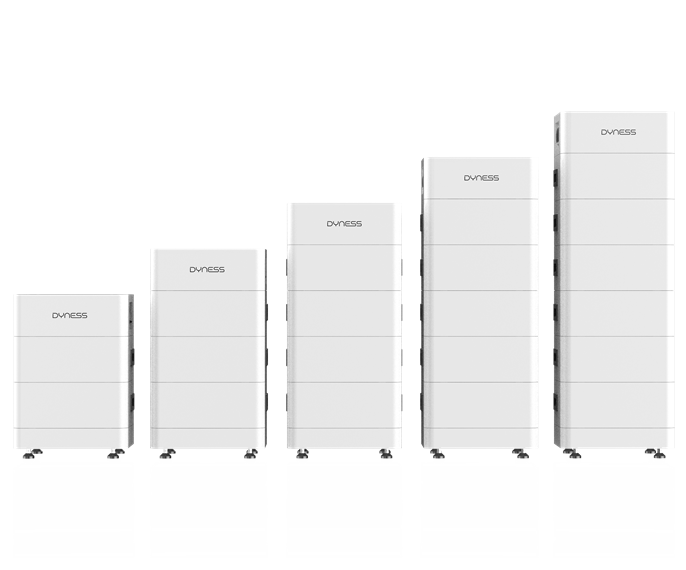
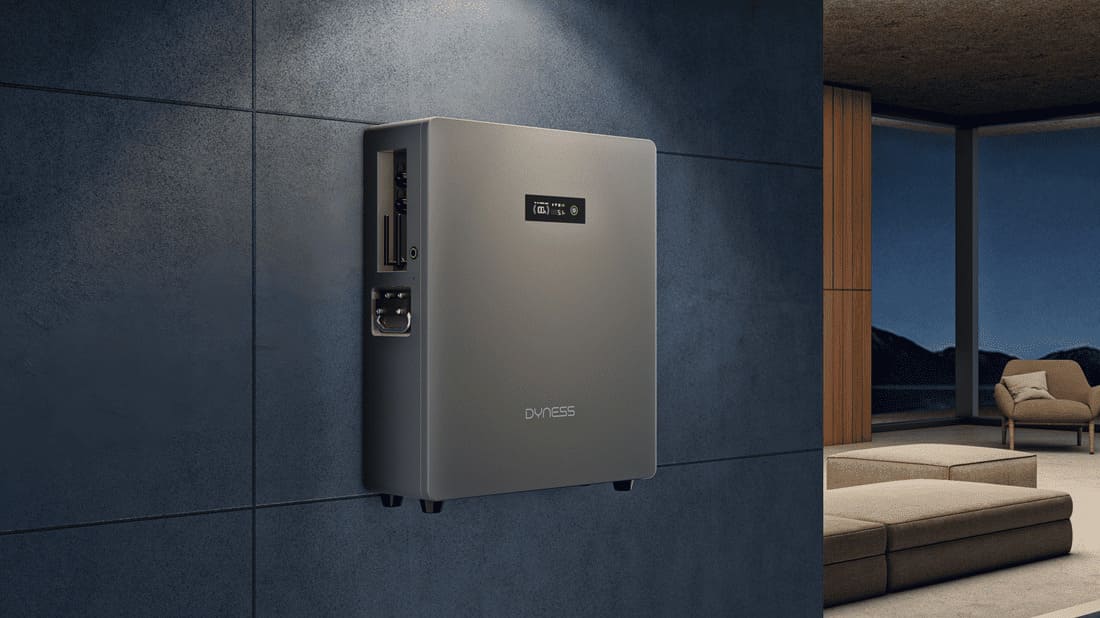
Dyness AquaVolt is designed for compact and flexible energy storage around existing solar generation. It offers a 5.12 kWh base capacity, with 2.5 kW or 3.6 kW continuous charge/discharge power depending on the model.
Its AC-coupled design supports compatible microinverters, making it relevant for suitable balcony PV retrofit scenarios. AquaVolt also supports P1, IR readers, or smart meters for real-time energy monitoring and can use TOU or dynamic tariff strategies to manage charging and discharging.
For backup applications, AquaVolt provides transfer switching within 10 ms. In off-grid mode, it supports up to 4 kW peak output for 60 seconds, with continuous output up to 3.6 kW depending on configuration.
These specifications are not a substitute for system design. Final configuration, inverter compatibility, installation method, and permitted operating mode should be verified against the latest Dyness documentation, compatibility list, and local regulations.
Common Mistakes to Avoid
Mistake 1: Assuming “plug-in” means “approval-free”
A simple connection does not automatically remove registration or grid requirements. Check the rules for the complete system.
Mistake 2: Checking capacity but ignoring power
A 5.12 kWh battery does not mean the system can deliver 5.12 kW. Energy capacity and power output are different specifications.
Mistake 3: Assuming every microinverter will work
AC coupling depends on system compatibility. Check the approved inverter list before purchase.
Mistake 4: Confusing off-grid output with grid-feed power
Peak output in off-grid mode should not be interpreted as permitted grid-feed power. They are different operating conditions.
Final Takeaway
The key question is not simply whether a balcony battery can be plugged into a wall socket. It is whether the battery, inverter, household circuit, and local grid requirements form a suitable system.
For suitable balcony PV users, a plug-and-play solution such as AquaVolt can support higher solar self-consumption and flexible backup.
Before installation, verify grid rules, inverter compatibility, electrical conditions, and product documentation.
Where wiring, high loads, grid connection, or backup architecture is unclear, involve a qualified installer or Dyness technical team.
FAQ
-
Q: Can I plug a balcony battery directly into a wall socket?
 A: Some systems are designed for plug-and-play AC connection, but suitability depends on the product, electrical circuit, and local rules. Always follow the installation manual.
 -
Q: Do I need to apply for grid connection?
A: Requirements vary by country, system architecture, and operating mode. In Germany, check the applicable registration and connection rules for the complete installation.
-
Q: Can I add storage to an existing balcony PV system?
A: This can be possible with a compatible AC-coupled solution. Check the microinverter, electrical architecture, and communication requirements first.
Learn More