
























What Are the Typical Applications for the Dyness STACK100 Energy Storage Solution?


Get notified about new updates, products, tips and tutorials. No spam.
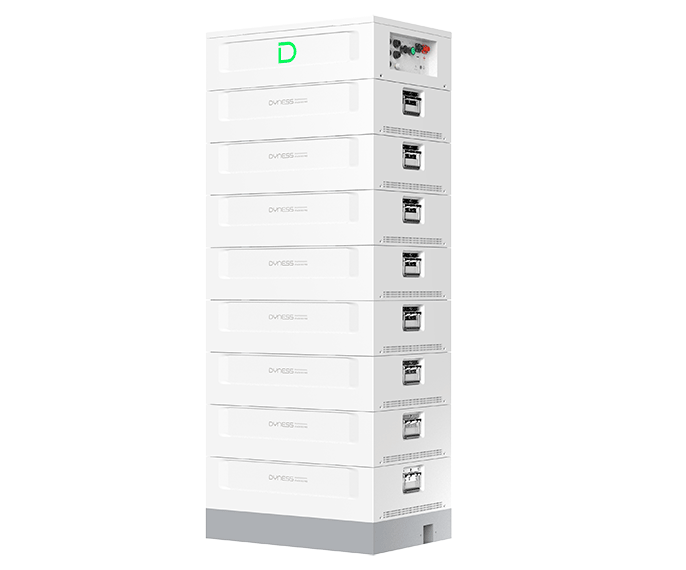
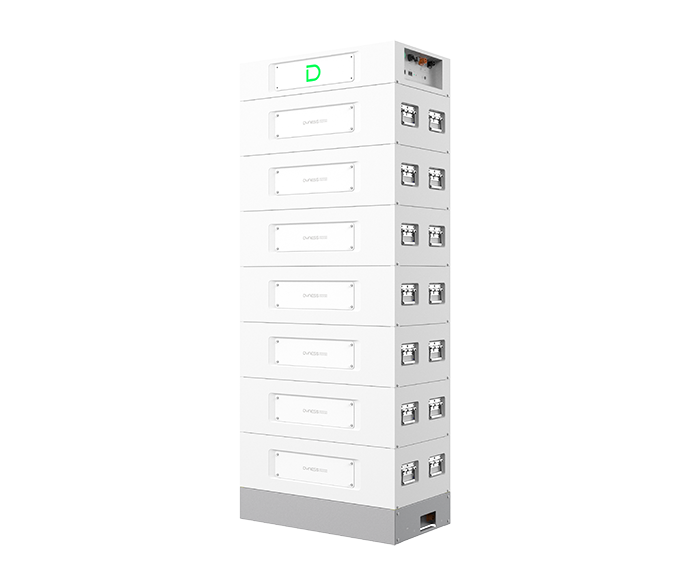
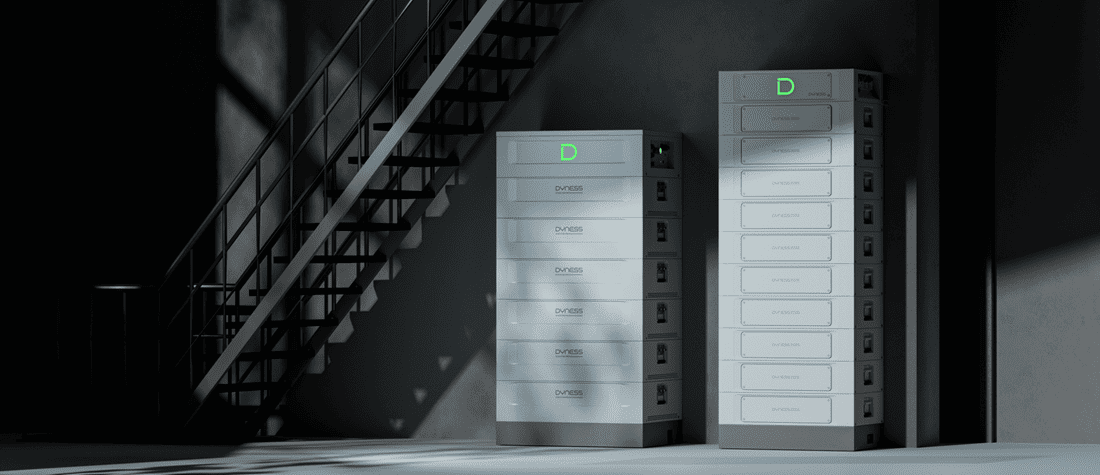
Dyness STACK100 is designed for high-load residential users and small commercial and industrial applications that need more than a lightweight home battery system. With a modular, stackable, and high-voltage design, STACK100 can support higher power demand, flexible capacity expansion, and more complex energy management scenarios.
Typical applications include large homes and villas, small businesses, farms, off-grid facilities, and sites where power continuity, load management, and future expansion are important. The right configuration should be based on load profile, backup needs, installation space, inverter compatibility, and long-term energy growth.

Why STACK100 Is Different from a Standard Home Battery
STACK100 is not simply a larger version of a standard residential battery. It is a modular high-voltage energy storage platform designed for users whose electricity demand is more complex than ordinary household use.
In many homes and small businesses, energy demand is changing quickly. Heat pumps, large air-conditioning systems, EV chargers, refrigeration equipment, irrigation systems, and backup-critical loads can create higher power requirements and more complex load profiles.
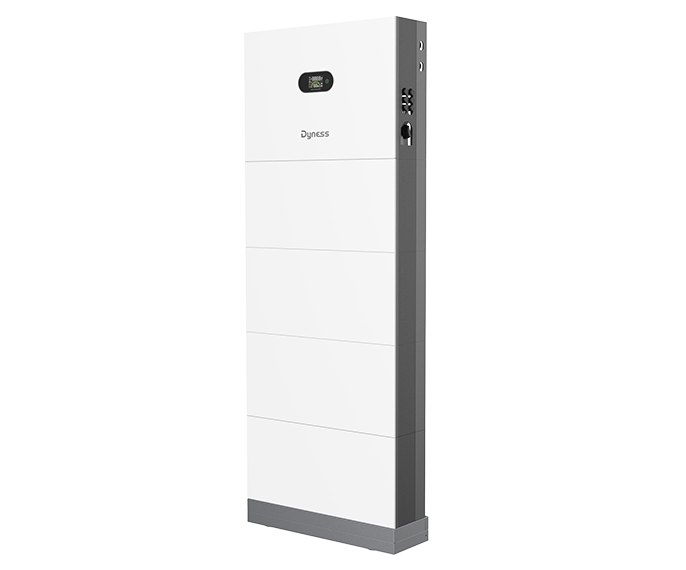
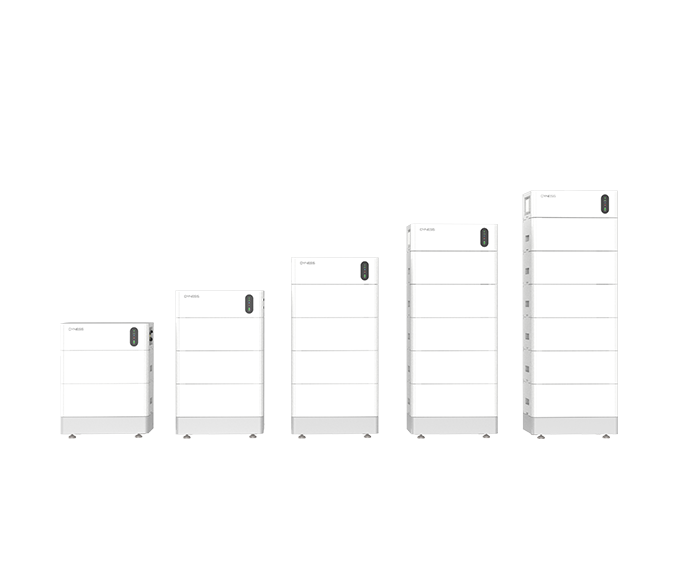
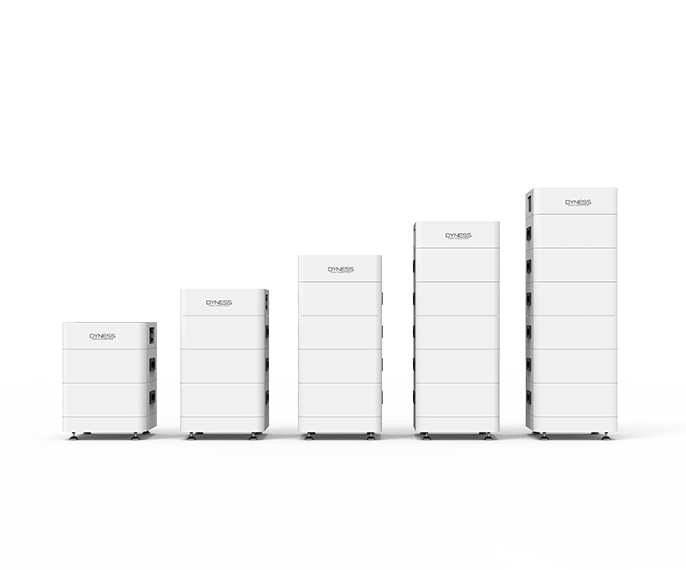
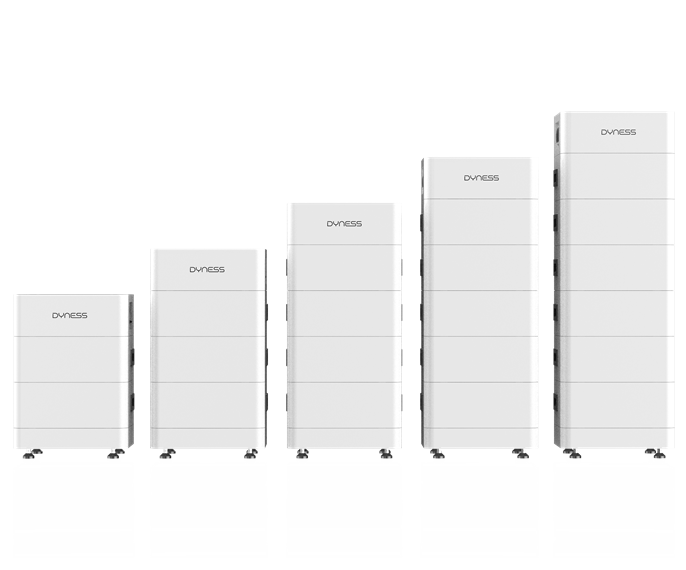
STACK100 is designed to support these scenarios through modular stacking, flexible capacity planning, and high-power performance. Its single-cluster capacity can cover 15.36 kWh to 76.8 kWh, depending on configuration, and the system can be expanded for larger energy needs within supported design limits.
For users, this means STACK100 can be used not only as battery storage, but also as a scalable energy platform for long-term residential and small C&I energy management.

Key Signs That You May Need STACK100
STACK100 is most suitable when a user needs stronger power support, higher capacity, and better expansion flexibility than a compact home battery can provide.
| Key Indicator | What It Means |
|---|---|
| Complex load profile | The site needs to support more than basic loads, such as heat pumps, HVAC systems, EV chargers, pumps, refrigeration, or production equipment. |
| High power output demand | The system must handle higher power operation and equipment start-up demand, rather than only storing energy for low-power use. |
| Need for future expansion | The user wants to start with a suitable capacity and expand later as household demand or business load grows. |
| Limited installation footprint | The stackable structure can help increase capacity vertically without requiring excessive floor space. |
| High requirement for power continuity | The site has low tolerance for outages, interruptions, or unstable power supply. |
If the main requirement is only basic lighting, internet, and small-appliance backup, a lighter residential battery may be enough. STACK100 becomes more relevant when power demand, capacity planning, and long-term expansion are all important.
Typical Applications for Dyness STACK100
STACK100 can be used across several high-demand residential and small C&I scenarios. The following examples show where its modular and high-voltage platform design can provide practical value.
| Application Scenario | Typical Energy Needs | Why STACK100 Fits |
|---|---|---|
| Large homes and villas | Heat pumps, large HVAC systems, EV chargers, pool equipment, and higher backup expectations. | The high-voltage platform and scalable capacity make it suitable for homes with higher power demand and more complex energy scheduling. |
| Small C&I and micro-enterprises | Retail stores, small workshops, clinics, rural hotels, cold-chain rooms, or service facilities with business-critical loads. | STACK100 can help support backup power, peak load management, and daily energy cost optimization when properly configured. |
| Modern agriculture | Greenhouses, irrigation systems, livestock facilities, temperature control, and seasonal load changes. | The modular design allows capacity planning based on seasonal production needs and future farm expansion. |
| Off-grid or weak-grid facilities | Remote properties, eco-resorts, rural facilities, or sites where grid supply is limited or unstable. | STACK100 can work as part of a solar-plus-storage or hybrid energy system to improve energy autonomy and supply continuity. |
In practice, many STACK100 projects are not purely residential or purely commercial. They often sit between the two: large homes with business-like loads, or small businesses that need a flexible and compact energy storage platform.
Common Misunderstandings About STACK100 Applications
Myth 1: STACK100 is suitable for every home.
STACK100 is not necessary for every household. For compact apartments or homes that only need basic backup for lighting, routers, and small appliances, lighter residential solutions such as DL5.0C or PowerBox G2 may be more practical, depending on local availability and system compatibility.
Myth 2: A C&I user must install the maximum capacity from the beginning.
Blindly oversizing the system can increase investment cost and reduce return. Thanks to the modular structure of STACK100, users can start with a reasonable configuration and expand later as business load or backup requirements increase.
Myth 3: Capacity alone determines whether STACK100 is needed.
Capacity is important, but power demand also matters. A site with high start-up currents or high-power equipment may need a high-voltage platform even if its daily energy consumption is not extremely high.
Myth 4: Energy storage selection can ignore future load growth.
Many users add EV chargers, heat pumps, new equipment, or longer operating hours after the first installation. A scalable platform helps reduce the risk that the original system becomes a limitation.
Final Takeaway
STACK100 is most suitable for high-load homes, villas, small businesses, modern farms, and weak-grid or off-grid facilities that need stronger power support, flexible capacity expansion, and higher energy resilience.
Its value lies in breaking the boundary between traditional residential storage and small C&I storage. Instead of being a fixed-capacity battery, STACK100 works as a modular energy platform that can grow with changing electricity needs.
For the best result, users should evaluate load profile, peak power demand, backup requirements, solar integration, installation space, inverter compatibility, and future expansion plans before choosing STACK100. A professional system assessment is recommended before final configuration.
FAQ
-
Q: What practical benefits does STACK100 modular stacking provide for small C&I installation?

A: Modular stacking can make transportation, on-site handling, and installation more flexible compared with large fixed battery systems. STACK100 modules can be assembled according to site conditions, helping users deploy energy storage in equipment rooms, indoor corners, or limited-space environments where supported by installation rules.
-
Q: Why is STACK100 more suitable than a standard home battery for homes with heat pumps or EV chargers?
A: Heat pumps, EV chargers, pool equipment, and large HVAC systems are high-power loads. A standard low-voltage home battery may not always be the best match for simultaneous high-power operation. STACK100 is a high-voltage platform designed for stronger power support and scalable capacity planning, subject to inverter matching and system design.
-
Q: Is STACK100 only for commercial and industrial users?
A: No. STACK100 can also be suitable for large homes, villas, farms, and high-load residential sites. It is especially relevant when the user needs more capacity, stronger power output, backup support, or future expansion beyond a typical lightweight home storage system.
Learn More