





















Energy Storage Solutions: A Buyer's Guide


Get notified about new updates, products, tips and tutorials. No spam.
Choosing the right energy storage solutions requires more than comparing battery capacity and equipment prices. A single installation may need to provide backup power, shift solar generation to another time, smooth renewable energy fluctuations, or support grid frequency regulation. Each application places different demands on power output, storage duration, and operating conditions. Before selecting a Battery Energy Storage System (BESS), buyers should define the intended application, identify critical loads, and evaluate daily electricity consumption and generation patterns. These requirements provide the foundation for selecting a system that balances performance, reliability, and long-term investment value.

Capacity Sizing & Electrical Compatibility
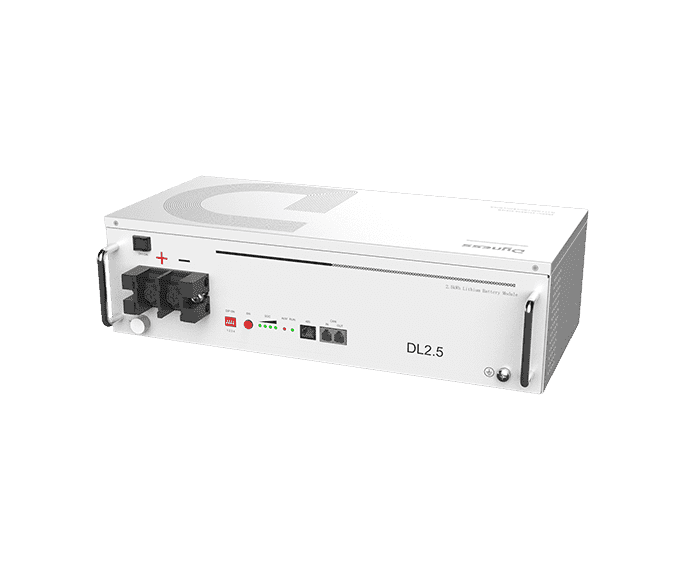
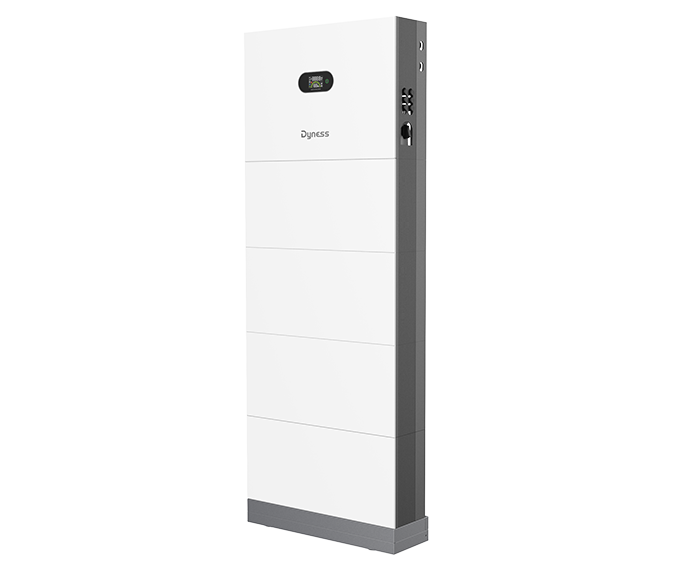
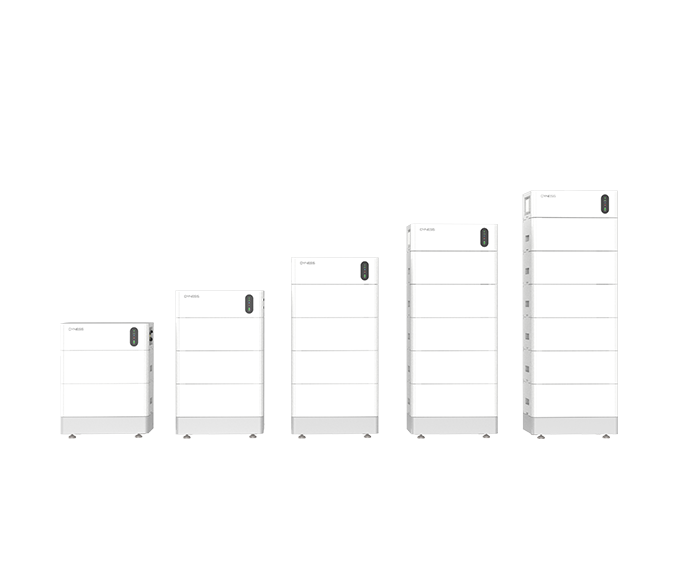
Accurate system sizing depends on understanding the difference between power and energy capacity. Power determines how much electricity a battery can deliver at a given moment, while energy capacity determines how long it can sustain that output. For example, a continuous 10 kW load operating for two hours requires 20 kWh of energy, excluding conversion losses. Buyers should also consider usable capacity, reserve settings, charging schedules, and expected operating cycles. Voltage configuration is another essential factor, as low-voltage and high-voltage battery systems require compatible inverters and electrical interfaces. Evaluating these parameters separately helps ensure that the selected energy storage system matches the actual electrical requirements of the project.

Installation Conditions & DH800Y System Specifications
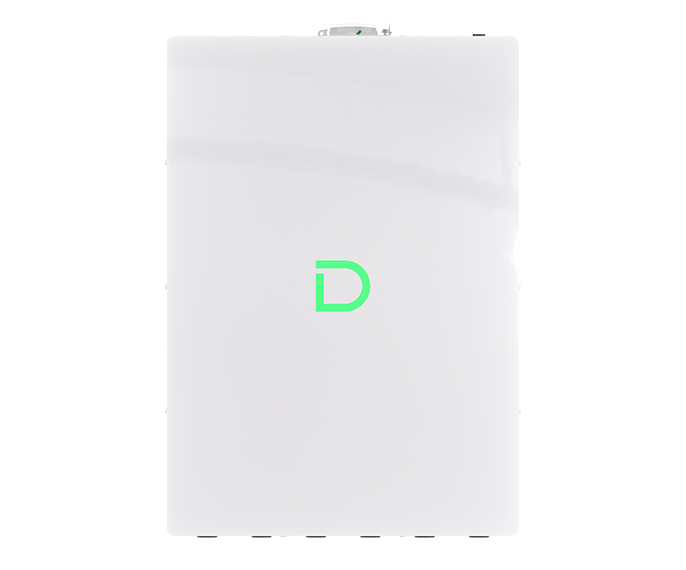
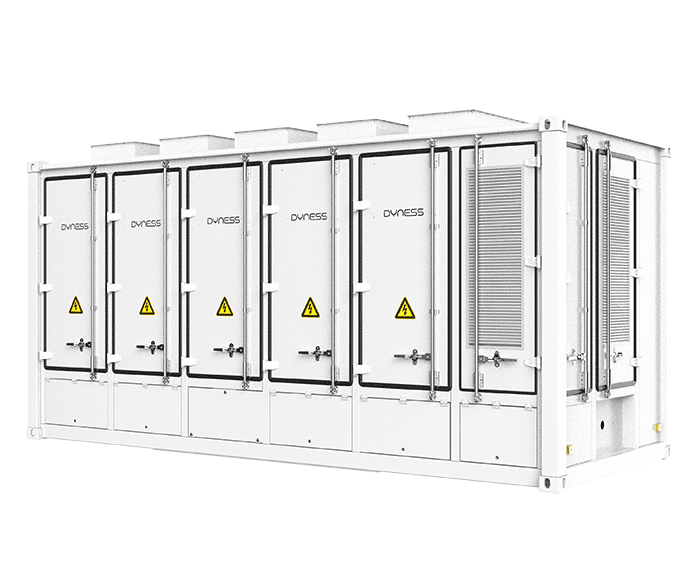
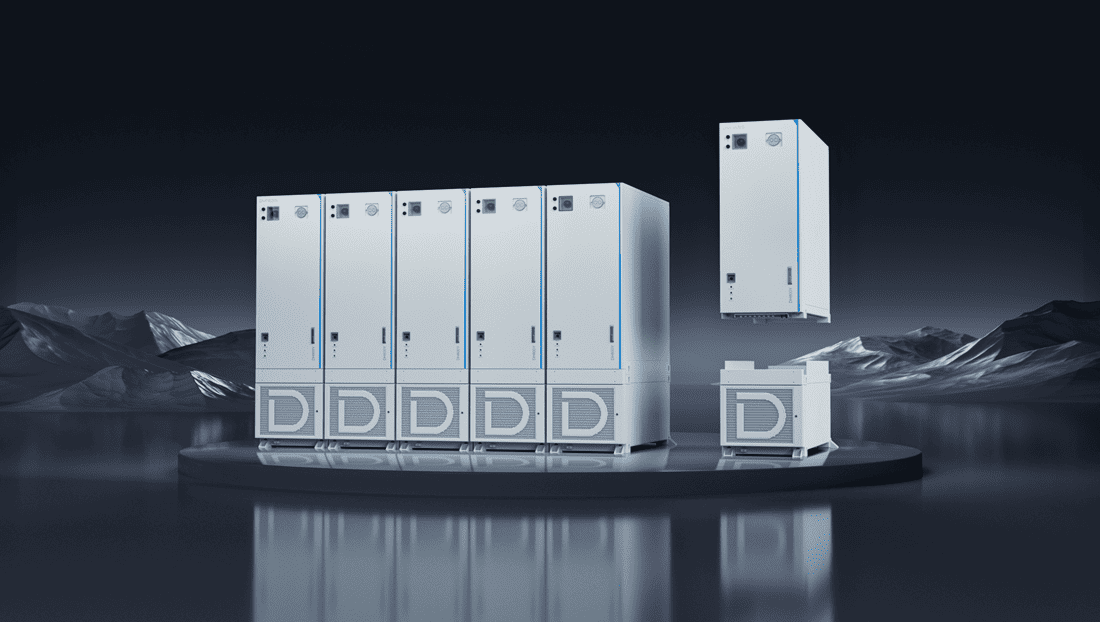
Physical dimensions, environmental protection, and installation arrangements are equally important when evaluating commercial energy storage solutions. The Dyness DH800Y is designed for large-scale C&I applications, offering 836 kWh per cabinet, a 690 V grid-connection solution, and fully liquid-cooled operation. Its 2H versions support up to 10 units in parallel, while the 4H versions support up to 20 units. Six DH800Y units occupy a footprint equivalent to a 20-foot container, with integrated AC and DC equipment commissioned before delivery. The battery cabinet measures 1,000 × 2,438 × 2,350 mm, while the electrical cabinet measures 1,000 × 2,438 × 965 mm. These specifications help project developers evaluate site requirements, equipment layout, and future capacity planning before installation.
Safety Protection & Environmental Adaptability
Safety and environmental adaptability should be included in every BESS purchasing assessment. The Dyness DH800Y features IP55 enclosures and C3 or C5 corrosion-protection options for different installation environments. Its multi-layered safety architecture includes pack- and cluster-level suppression, water-based firefighting, gas venting, and a two-hour flame-retardant enclosure. These protection measures address different potential risks and help strengthen overall system safety. Buyers should evaluate the selected configuration against local installation standards, environmental conditions, and project-specific safety requirements. Regional availability should also be confirmed, as Dyness DH800Y sales coverage excludes North America and Australia.
Monitoring, Maintenance & Future Expansion
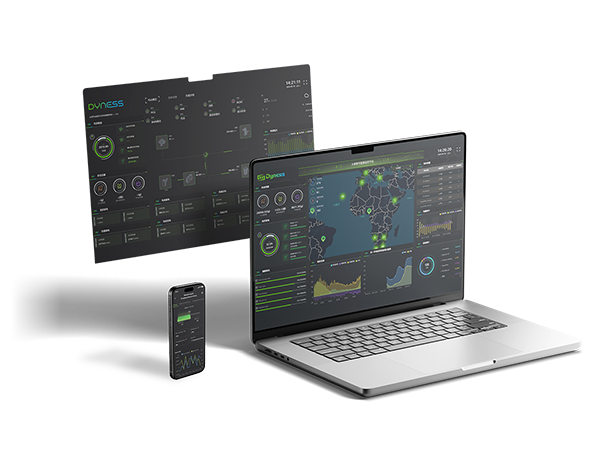
Long-term operational support is another important consideration when purchasing energy storage solutions. The Dyness APP provides live equipment status, historical-data analysis, and remote fault diagnosis, helping operators monitor system performance and identify potential issues. Buyers should confirm the available communication interfaces, remote management functions, and local commissioning requirements for their selected configuration. Future capacity expansion also requires proper technical verification. Before adding battery capacity, users should obtain confirmation from the Dyness after-sales team regarding the existing product's serial number and the additional module proposed for installation. Establishing clear monitoring, maintenance, and expansion procedures during procurement helps protect the original investment and supports reliable system operation throughout its lifecycle.
Conclusion
Selecting the right energy storage system requires a comprehensive assessment of application requirements, power and energy capacity, electrical compatibility, installation conditions, safety protection, and long-term operational support. From residential applications to large-scale C&I projects, every configuration should be supported by clear technical specifications and verified system compatibility. At Dyness, we provide scalable energy storage solutions designed to support diverse commercial and industrial applications. By matching system configurations with actual project requirements, businesses can build reliable energy infrastructure with greater operational flexibility, improved energy management, and long-term investment value.
FAQ
-
What is the difference between battery power and energy capacity when selecting an energy storage system?

Power determines how much electricity a battery can deliver at a given moment, while energy capacity determines how long it can supply that electricity. Both parameters should be evaluated according to the project's load requirements, operating conditions, and backup duration.
-
What should buyers consider when selecting a commercial energy storage system?
Buyers should evaluate application requirements, usable capacity, output power, voltage compatibility, installation dimensions, environmental protection, safety features, inverter compatibility, monitoring capabilities, and future expansion options.
-
Can the Dyness DH800Y system be expanded through parallel connections?
Yes. The Dyness DH800Y 2H versions support up to 10 units in parallel, while the 4H versions support up to 20 units. Before expanding an existing installation, users should obtain confirmation from the Dyness after-sales team regarding the existing product's serial number and the proposed additional module.
Learn More