





















Is Installing a Balcony Energy Storage System Complicated? Do You Neeed a Professional Installer?


Get notified about new updates, products, tips and tutorials. No spam.
When considering a Plug-in Balcony ESS, many users are concerned about installation complexity, whether they can install it themselves, and whether a professional installer is needed.
Installation difficulty depends on product design, connection method, site conditions, and local electrical regulations. Even products described as plug-and-play must be installed correctly according to the instructions and applicable rules.

Core Explanation
Some Plug-in Balcony ESS products use simplified connections to reduce installation steps. The process typically includes checking the equipment after unpacking, choosing a suitable location, connecting the equipment, completing required configuration, and verifying system operation.
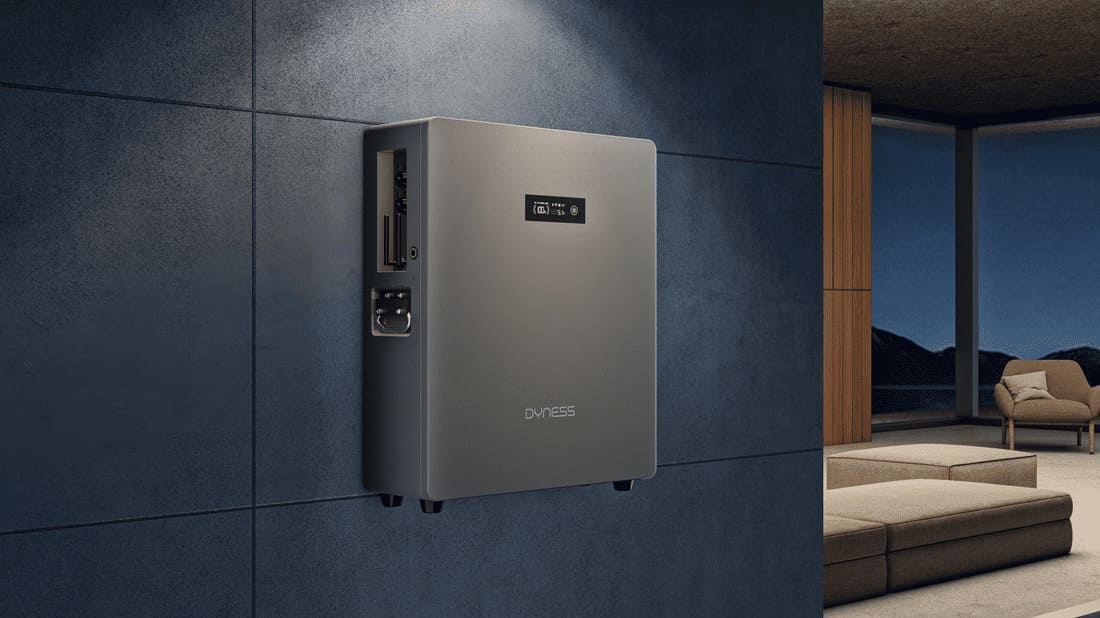
AquaVolt is a Plug-in All-in-one ESS with an integrated design, while SolarCube 2 is a Plug-in Stackable ESS with a modular stacked design. Follow the installation manual for the specific model because steps and connection requirements may differ.
Whether self-installation is permitted cannot be determined from the terms “Plug-in” or “plug-and-play” alone. Work involving fixed wiring, distribution-board modifications, additional metering equipment, or tasks reserved by local rules for qualified personnel should be carried out by appropriately qualified professionals.
Key Factors
- Whether the product uses a plug-and-play design
- Whether fixed wiring or distribution-board modifications are needed
- Whether the site meets space, ventilation, and environmental requirements
- Whether network configuration, metering equipment, or commissioning is required
- Local electrical safety rules and manufacturer instructions

Misconceptions / Edge Cases
Misconception: Plug-and-play means anyone can install it
→ Reality: The design may simplify installation, but the manual and local regulations still apply.
Misconception: Installation only involves plugging in the device
→ Reality: Some systems also require mounting, PV connections, network configuration, or metering setup.
Misconception: A professional installer is never necessary
→ Reality: Fixed wiring, electrical modifications, or local requirements may make professional installation necessary.
Misconception: The faster the installation, the better
→ Reality: Correct connections, checks, and commissioning matter; safety steps should not be skipped.
Suitability & Unsuitability
Suitable scenarios:
- Households whose installation environment meets requirements and whose product has simple connections
- Users seeking to reduce deployment complexity through a plug-in design
- Users able to complete basic setup where local rules permit self-installation
Not suitable scenarios:
- Sites requiring electrical modifications without qualified installers
- Locations that fail product requirements or present safety hazards
- Cases where local rules require professional installation but the user plans to wire the system themselves
Conclusion
Installation complexity varies by product and site conditions. A plug-and-play design can simplify some steps, but it does not remove the need to follow installation requirements and electrical safety practices.
Read the manual for the exact model and confirm the connection method and site conditions. Fixed wiring, electrical modifications, or work required by local regulations should be handled by qualified professionals.
FAQ
-
Q: Can I install a balcony storage system myself?

A: Some products support simplified installation, but this depends on the product manual and local rules.
-
Q: When is a professional needed?
A: Fixed wiring, distribution-board modifications, dedicated protective devices, and work required by local rules should generally be handled by qualified professionals.
-
Q: What should I prepare before installation?
A: Check the site, socket or wiring conditions, space and ventilation requirements, and the installation manual.
Learn More