
























Does Dyness C&I System Use a Distributed or Centralized Architecture?


Get notified about new updates, products, tips and tutorials. No spam.
In the implementation of commercial and industrial energy storage projects, architecture selection directly determines system expansion flexibility, operational stability, O&M cost, and scenario adaptability. Centralized and distributed architectures each have their own advantages and disadvantages, and this is also one of the most frequently asked core questions during project planning, capacity expansion, and scenario adaptation.
The full range of Dyness commercial and industrial energy storage systems adopts a distributed modular architecture, without a traditional centralized all-in-one integrated design. With independent cluster-level distributed units as the core and standardized coordinated control logic, Dyness C&I ESS is well suited to full-scenario energy storage needs from small and medium-sized C&I projects to large industrial parks. It is a mainstream architecture solution for DC-side expansion, phased upgrades, and highly reliable operation.

The Core Logic of Dyness Energy Storage Architecture
The core logic of centralized and distributed energy storage architectures is essentially the difference in energy aggregation level and control granularity.
A centralized architecture follows a “scale-intensive” logic. It forcibly connects multiple battery clusters in parallel on the DC side and shares one high-power PCS for unified inversion. This simplifies the topology and reduces unit cost, but its inherent rigid coupling causes performance constraints between clusters, inevitably creating the “barrel effect” and circulation-current risks.
A distributed architecture follows a “decentralized autonomy” logic. Each battery cluster is equipped with its own small-power PCS, and AC-side parallel connection is used for energy aggregation. Through the decoupled design of “one cluster, one inverter,” interference between clusters is physically isolated, allowing each battery cluster to independently achieve optimal charge and discharge management.
Fundamentally, centralized architecture exchanges flexibility for initial economic efficiency, while distributed architecture exchanges higher equipment complexity for higher system safety and efficient full-lifecycle utilization. This core trade-off determines that the former is more suitable for grid-side large bases pursuing capacity scale, while the latter is more suitable for user-side and high-safety scenarios that pursue refined operation.

Two Core Components of Dyness Distributed Architecture
1. Hardware layer: distributed modular parallel connection as the core foundation
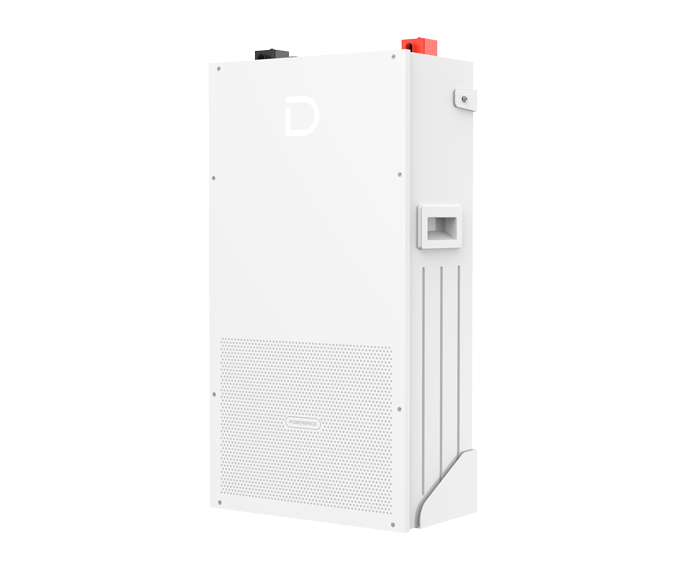
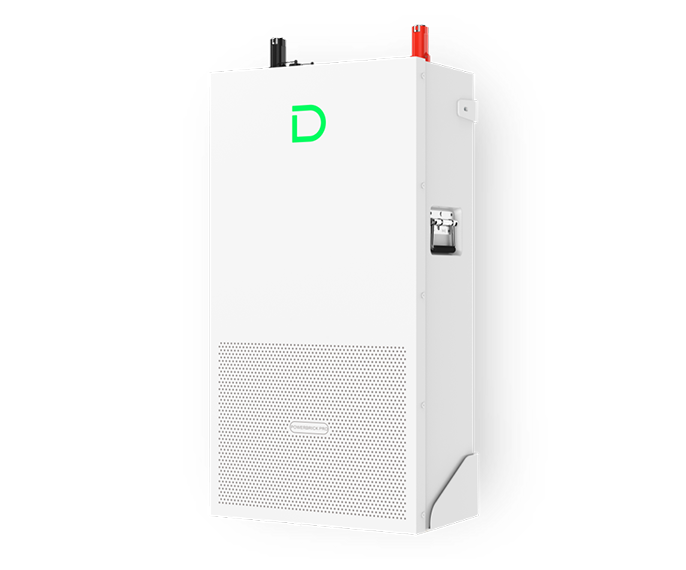
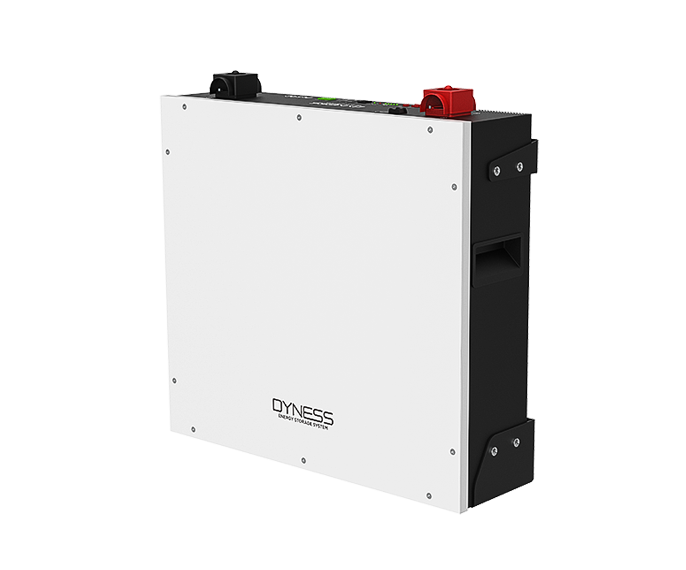
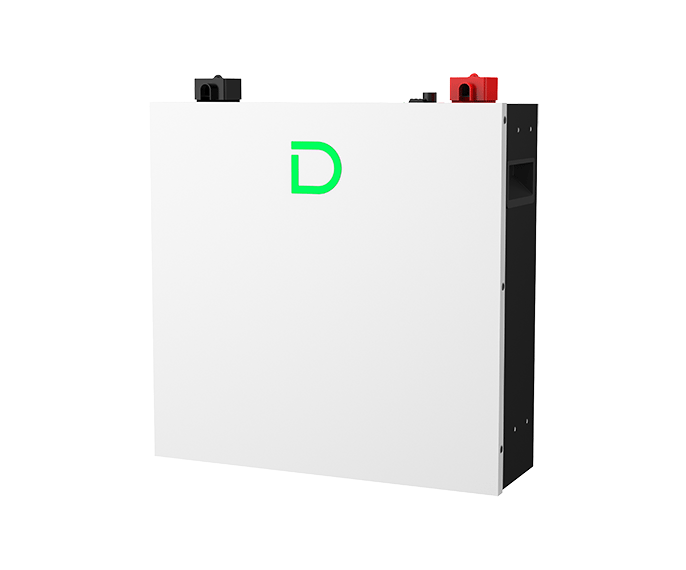
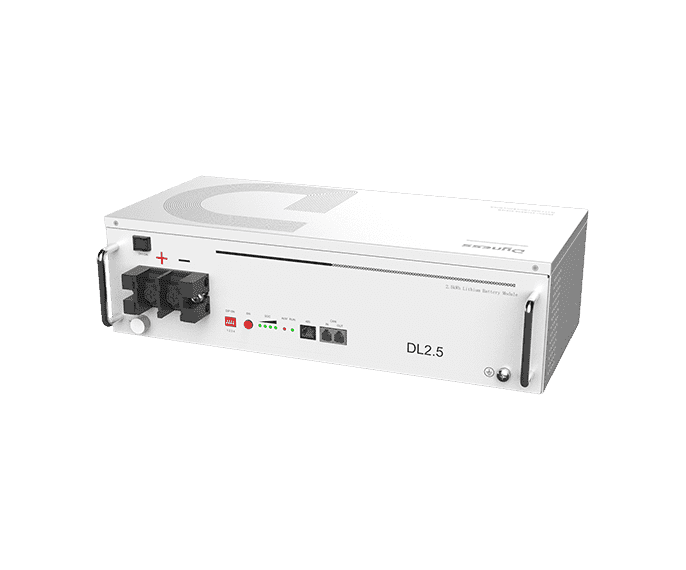
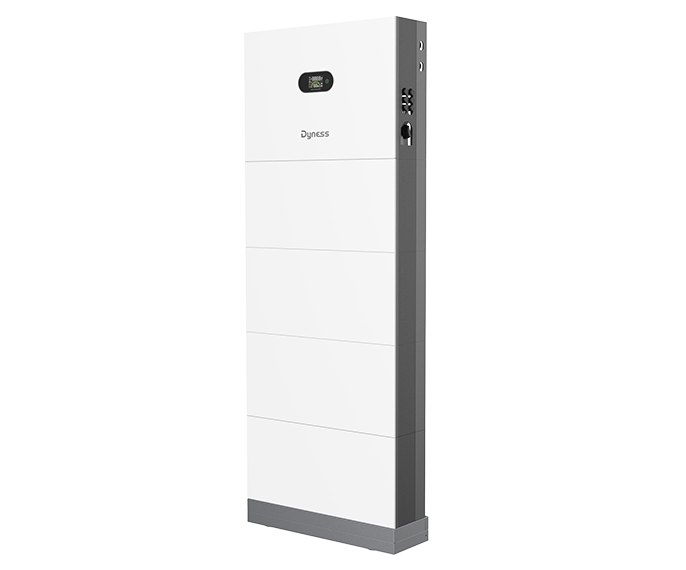
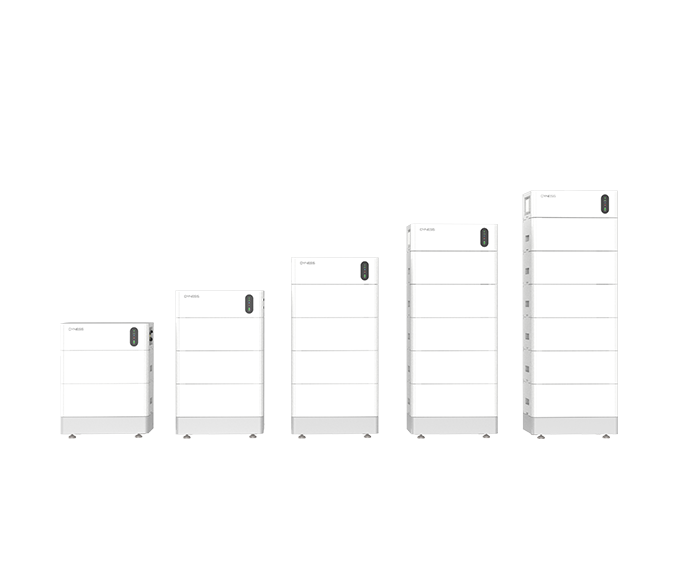
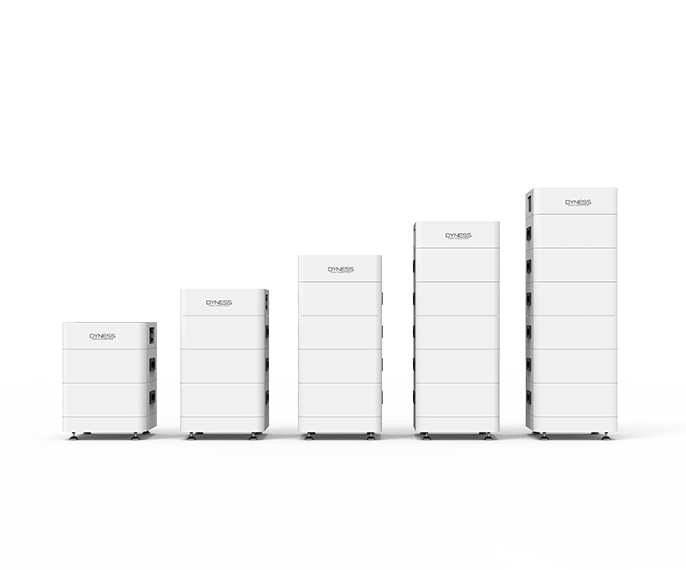
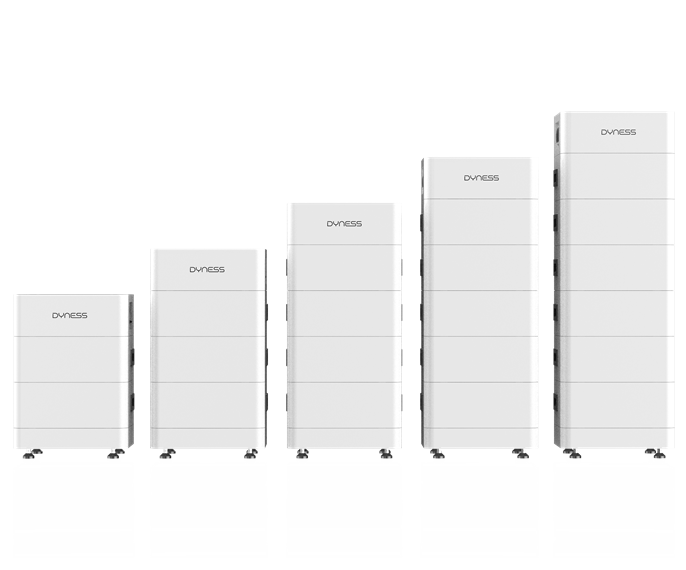
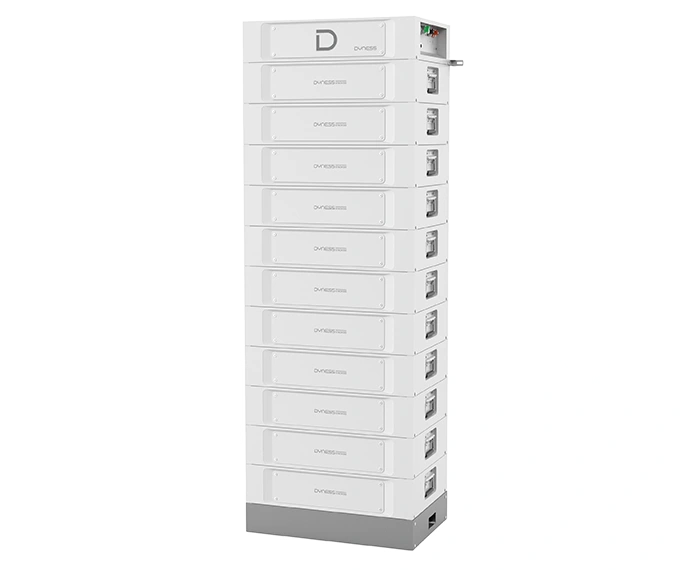
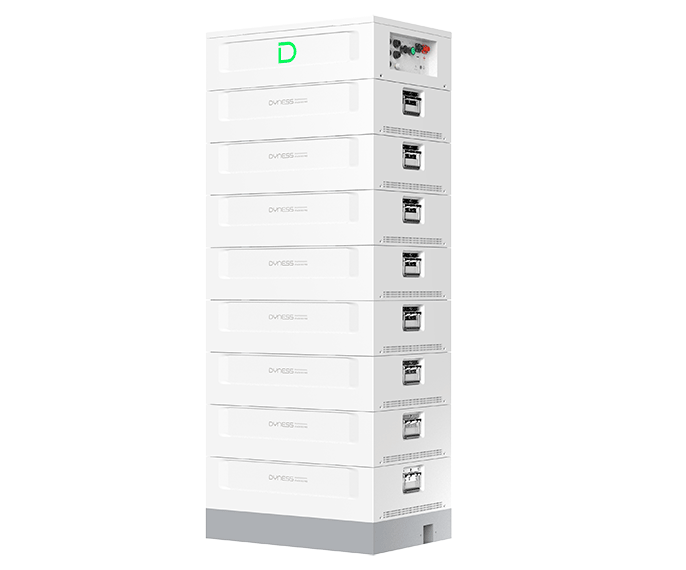
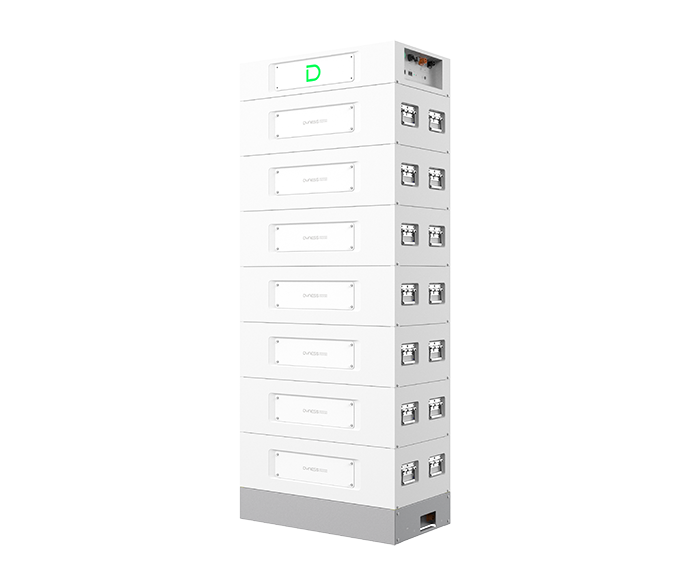
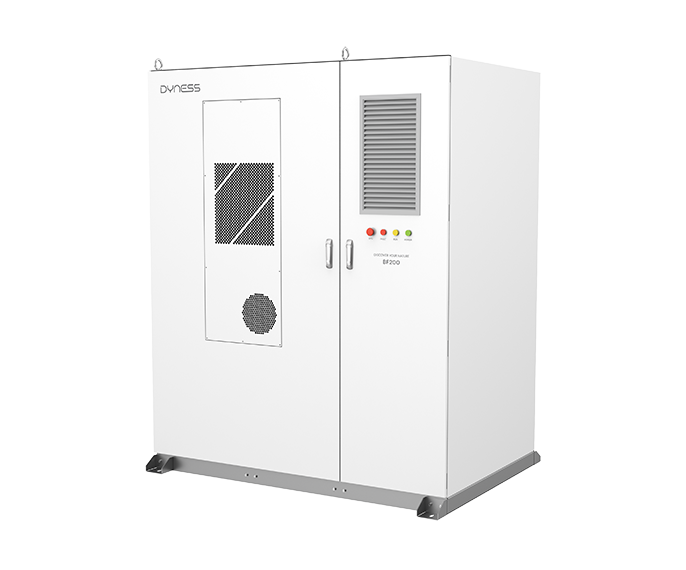
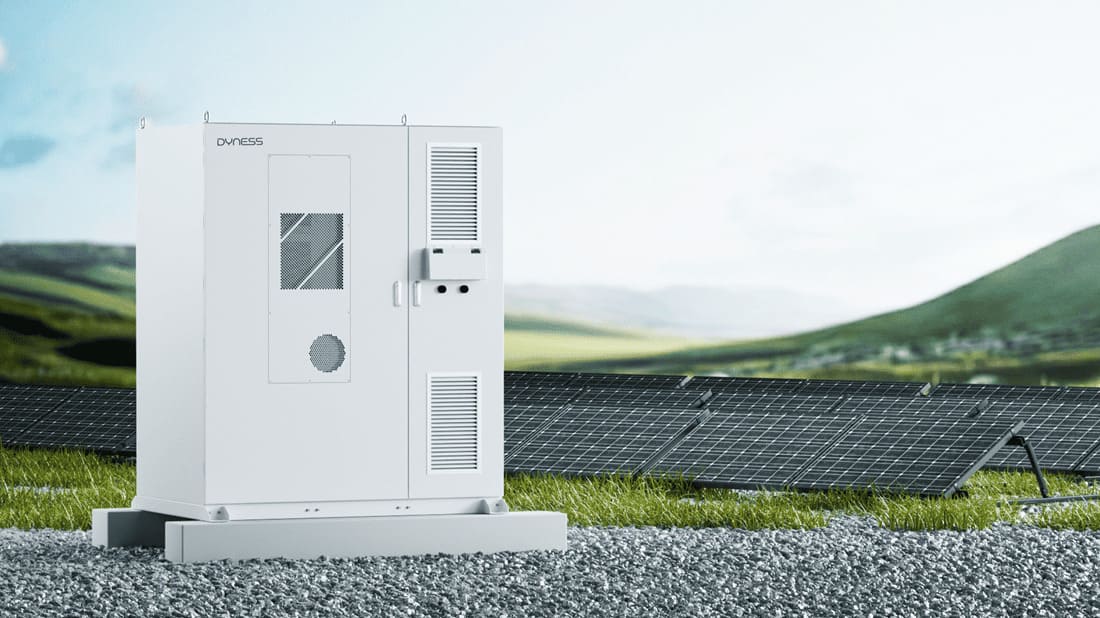
Dyness commercial and industrial energy storage systems adopt a fully distributed cluster design at the hardware level. A single energy storage cabinet is an independent minimum unit, with the battery cluster, BDU power distribution, thermal management, and fire protection system independently integrated, without relying on whole-machine linkage.
Each energy storage unit reserves standardized parallel interfaces on the DC bus, supporting distributed parallel access of multiple clusters and DC-side expansion.
Compared with traditional centralized all-in-one architecture, the advantages of distributed hardware layout are significant. If a single cluster fails, only that unit exits operation, while the rest of the system can continue operating normally. This greatly reduces the risk of system downtime.
It also supports phased capacity expansion on demand, without requiring a one-time investment in oversized capacity. This makes it suitable for gradual upgrade needs such as phased enterprise PV construction and year-by-year growth in electricity load, and it matches lightweight retrofit scenarios for existing projects.
2. Software layer: distributed coordinated intelligent control as the efficiency core
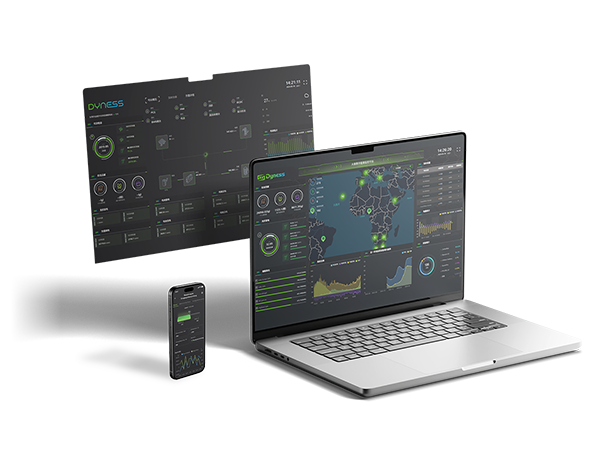
On the basis of a fully distributed hardware architecture, Dyness uses distributed coordinated BMS and an EMS energy management platform to achieve decentralized coordinated control over all independently paralleled energy storage units.
The system has no single central whole-machine hub. It can independently identify factory load fluctuations, peak-valley tariff periods, PV output data, and grid dispatching instructions, dynamically allocate charge and discharge power among distributed battery clusters, calibrate voltage differences between clusters in real time, and prevent power imbalance and abnormal circulation currents, allowing every group of distributed units to operate efficiently together.
At the same time, distributed coordinated control supports unified O&M across the entire network, remote monitoring, and fault warning. The operating data of each battery cluster can be independently checked, and faults can be independently isolated.
This thoroughly avoids the risk of whole-machine paralysis in traditional centralized architecture, solves the pain points of scattered control and inefficient O&M in ordinary distributed architecture, and ensures stable and efficient operation in scenarios such as peak-valley arbitrage, emergency backup, demand peak shaving, and grid ancillary services.
Four Core Application Advantages of Dyness Distributed Architecture
1. Flexible expansion, suitable for lightweight upgrades
Based on the distributed hardware architecture, Dyness supports single-cluster incremental expansion on the DC side. There is no need to modify the PCS host, AC grid-connection lines, or switchgear, and no need to reapply for grid connection approval, which greatly shortens the project construction cycle.
Enterprises can gradually add capacity according to revenue performance and load changes, avoiding large initial investment. This is suitable for quality improvement and upgrading needs in existing small and medium-sized C&I projects.
2. Reliable operation and stronger fault tolerance
Dyness completely abandons the fatal drawback of centralized architecture, namely “single-point failure and whole-machine shutdown.” Under the fully distributed Dyness architecture, each battery cluster operates independently, with independent power distribution and independent protection.
When voltage difference abnormalities or equipment failures occur in a single cluster, the system automatically and precisely isolates the faulty unit, while the remaining distributed battery clusters continue charging and discharging normally.
This eliminates the risk of whole-machine shutdown and maximizes the continuity of enterprise emergency backup and peak-valley arbitrage, making it suitable for high-reliability power scenarios such as precision manufacturing, laboratories, and data centers.
3. Precise dispatching and higher revenue efficiency
Based on the distributed coordinated EMS platform, Dyness uses decentralized coordination to manage resources across the entire system, dynamically matching load curves and electricity price policies, and precisely allocating charge and discharge strategies for each distributed unit.
During load peaks, multiple clusters discharge collaboratively at full power for peak shaving. During off-peak periods, they recharge and store energy in a balanced way. When participating in grid frequency regulation or demand response, the system can respond quickly and accurately to dispatching instructions.
4. Convenient O&M and longer lifecycle
The distributed independent-unit design, combined with a coordinated O&M system, allows the backend to accurately monitor key data of each battery cluster in real time, including voltage, internal resistance, and temperature, and quickly locate fault points.
A single cluster can be independently maintained, replaced, or expanded without shutting down the whole machine or modifying the main system. This greatly reduces O&M difficulty and downtime losses, effectively extends the overall system lifecycle, and supports long-term iterative operation needs.
Common Misunderstandings About Architecture Selection
Misunderstanding 1: Distributed architecture means unrestricted and random parallel connection
Many users believe that a distributed architecture allows battery clusters to be added freely and expanded without limits.
In reality, Dyness distributed parallel connection is a standardized, limited, and controllable distributed layout. It must strictly follow expansion requirements such as hardware current margin, battery consistency, and site conditions.
Parallel connection beyond the limits may cause cable overheating, excessive circulation current, protection trips, and other issues.
Correction: Distributed hardware parallel connection must match the product design margin and work together with centralized system control to achieve standardized, orderly, and controllable expansion.
Misunderstanding 2: Distributed architecture is less stable than centralized architecture
Traditional thinking mistakenly assumes that centralized architecture has unified control and stronger stability. However, traditional centralized energy storage has excessive integration and zero fault tolerance. A single component failure can stop the entire unit.
Dyness optimized fully distributed architecture solves the scheduling disorder of ordinary distributed systems through inter-cluster coordinated control, while retaining the core advantages of decentralization and independent fault tolerance.
With no single-point failure risk, its overall operational stability and reliability are superior to traditional centralized architecture.
Correction: Traditional centralized architecture has low fault tolerance. Dyness distributed architecture combines stability, flexibility, and high fault tolerance, delivering stronger overall performance.
Misunderstanding 3: Large C&I energy storage projects must use centralized architecture
Dyness distributed architecture has no project scale limitation and is suitable for large, medium, and small scenarios.
Small C&I single-machine distributed units can operate independently and efficiently. For large industrial parks with multi-unit and multi-cluster parallel projects, the distributed coordinated platform enables unified coordinated operation of multiple units.
There is no need to switch to a centralized architecture, and the system always maintains high expansion flexibility and high fault-tolerance advantages.
Correction: The full range of Dyness products adopts a unified distributed modular architecture, covering C&I energy storage projects of all scales, from small to medium and large.
Suitable and Unsuitable Scenarios for the Architecture
Suitable scenarios: core advantage scenarios for Dyness distributed architecture
- Existing energy storage projects requiring DC-side expansion and phased upgrades, where lightweight retrofit and shorter construction cycles are needed.
- Factory PV projects built in phases, requiring gradual improvement of storage absorption capability and on-demand matching with PV output.
- High-reliability backup scenarios such as precision production and laboratories, where low failure rates and non-stop operation are required.
- Conventional C&I energy storage projects focused on peak-valley arbitrage and demand peak shaving, requiring precise dispatching and stable revenue generation.
- Sites with limited space that cannot deploy large-capacity equipment at one time and need phased installation.
Unsuitable scenarios: scenarios where fully distributed architecture has no advantage
1. Large flat-ground power stations with strict cost-reduction requirements for land use and wiring complexity
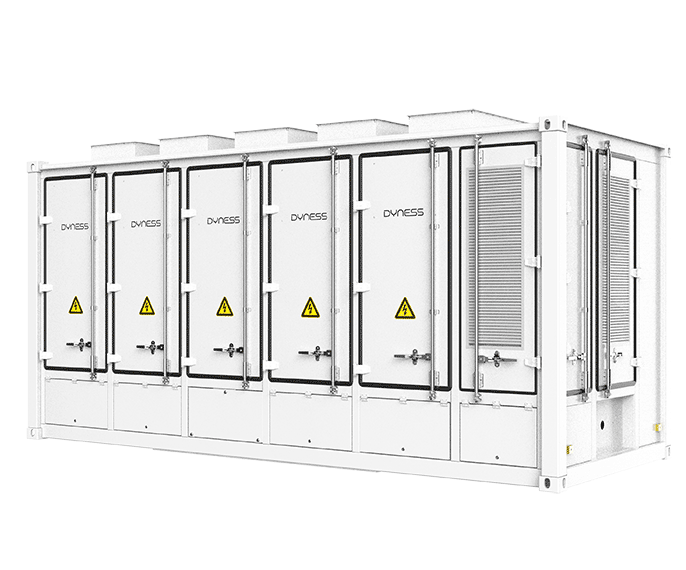
When building GWh-level large bases in vast, flat Gobi or plain regions, centralized architecture can significantly reduce unit Wh land occupation and civil construction costs through the high integration of “large container + large PCS.”
Distributed architecture, however, increases the number of equipment units sharply, resulting in much longer DC-side cable laying and a much larger number of AC-side grid-connection points. This not only increases initial installation costs, but also raises long-term O&M inspection difficulty, making it less advantageous in terms of project economics.
2. Export-oriented power stations with strict grid fault ride-through and transient support assessment requirements
Large-scale energy storage must pass strict grid adaptability tests such as low-voltage and high-voltage ride-through.
A centralized single PCS has a unified control strategy, mature and stable fault ride-through logic, and is easier to pass certification at one time.
When multiple distributed PCS units operate in parallel, inherent differences in hardware parameters and response delays among modules can easily cause power allocation oscillations at the moment of sudden grid voltage rise or drop, increasing the risk of ride-through failure. Once the assessment fails, the grid-connection permit of the power station may be directly affected.
3. Large power stations in weak-grid regions requiring grid-forming functionality, such as northwest wind and solar bases
With the development of power systems with high renewable energy penetration and high power electronics penetration, grid-forming energy storage has become a required grid-connection function in many regions.
Its essence is to enable energy storage to simulate a synchronous generator and actively provide inertia support and voltage reference for the grid.
However, grid-forming PCS technology has high technical barriers, and its cost is more than 15% higher than grid-following PCS. If a distributed “multi-machine parallel” architecture is added, the project will face three major challenges: exponentially higher control complexity, increased wide-frequency oscillation risk, and further increase in single-unit cost.
Its technical feasibility and economic efficiency are both far inferior to a centralized single large-PCS solution. At present, industry standards are still lacking, and project implementation risks are relatively high.
FAQ
-
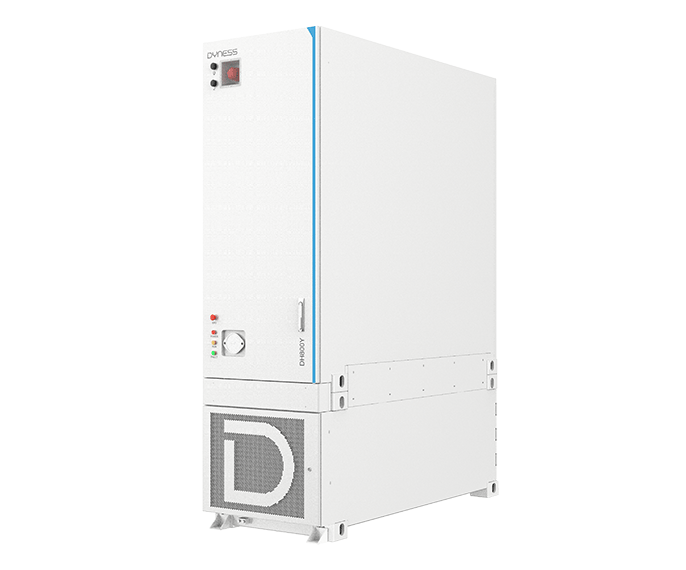
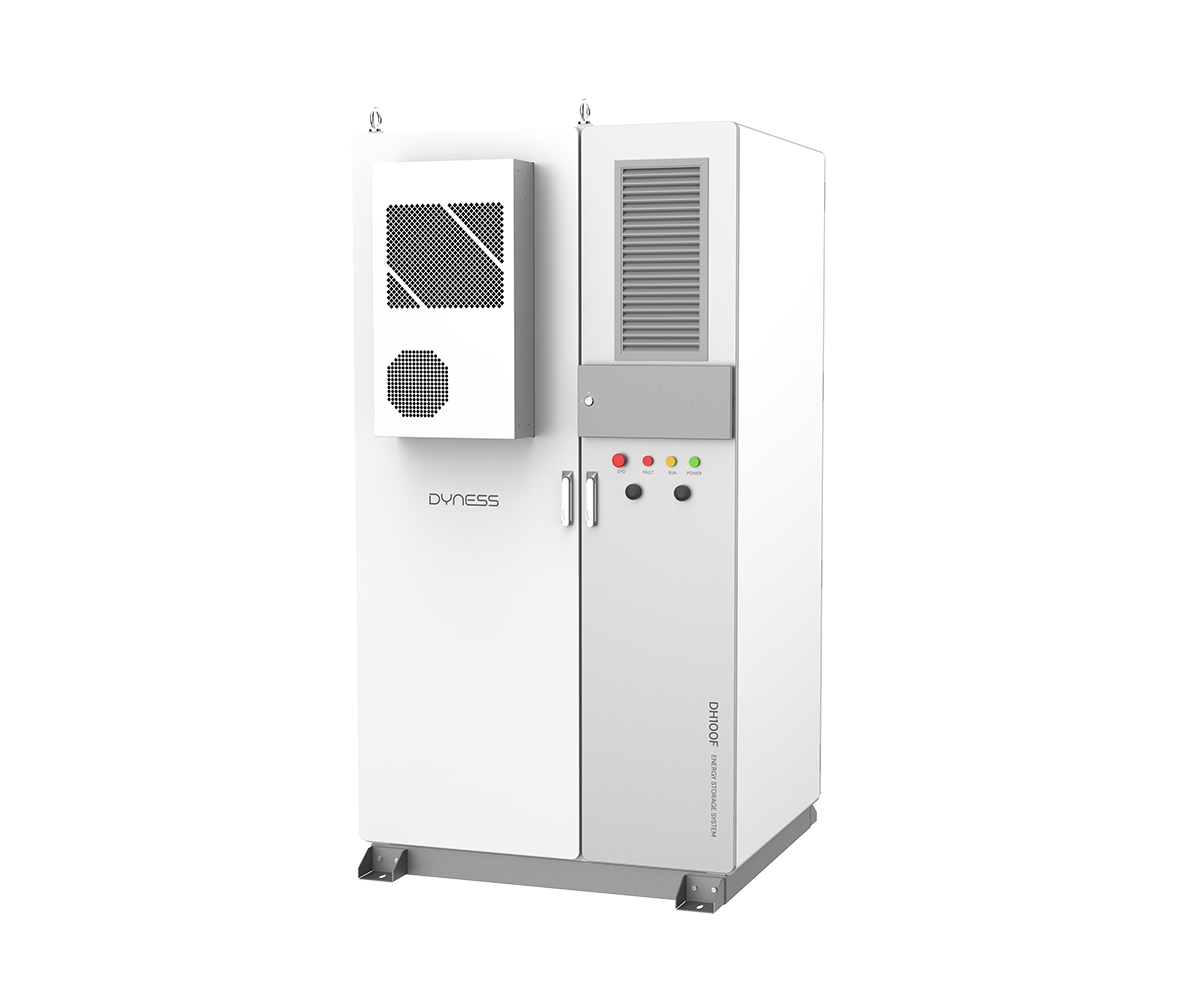
Q: What architecture do Dyness DH200F, DH200Y, and DH800Y series products use?

A: The full range adopts a distributed modular architecture. The hardware consists of independent battery-cluster distributed units, supporting DC-side multi-cluster parallel connection and incremental expansion. The software is equipped with a distributed coordinated control system, enabling decentralized operation, intelligent multi-cluster coordination, and independent fault isolation. This is the standardized core architecture of Dyness C&I energy storage.
-
Q: What is the most fundamental difference between centralized and distributed architectures?
A: The most fundamental difference lies in how battery clusters are connected with the PCS. In centralized architecture, multiple battery clusters are connected in parallel on the DC side and share one high-power PCS for unified inversion. In distributed architecture, each battery cluster is equipped with an independent small PCS, and AC-side parallel connection is used for energy aggregation. This determines that the former is based on “unified control and scale priority,” while the latter is based on “decentralized autonomy and refined management.”
-
Q: Which architecture is better in terms of safety?
A: Distributed architecture has a clear safety advantage. Centralized architecture has circulation-current risks caused by parallel connection between clusters, and the “barrel effect” means that a single battery fault may affect the whole cluster or even the entire system, with a larger fault diffusion range. Distributed architecture achieves physical isolation through “one cluster, one inverter,” so a single-point fault does not affect the operation of other clusters. Fault isolation is stronger, and safety is higher.
Learn More